Canker Sores on Tonsils: Causes, Treatment, and Prevention Tips

Canker sore in the throat.
Last Updated : February 5, 2026

Summary

Canker sores are small lesions with a white or yellowish center and a red border that form on the soft tissue within your mouth. Though most people will associate canker sores with forming on the tongue, cheeks, or inner lips, the sores can develop anywhere in the mouth, including in the throat and on the tonsils.

In this article, we will discuss how to identify a canker sore on the tonsil, the common symptoms of sores, what causes them, and what treatment methods you should use to help.

Key Takeaways

  • Takeaway #1: Despite the fact they may appear similar, canker sores differ from cold sores in key ways: canker sores form inside the mouth and are not contagious. Cold sores are a symptom of the herpes simplex virus (HSV-1), whereas there is no definitive cause behind canker sores.
  • Takeaway #2: Canker sores should heal over time on their own, however they can be painful. Taking pain medication, eating soft foods and being gentle when cleaning your teeth and mouth will help not to agitate them.
  • Takeaway #3: Canker sores on tonsils are not as common as developing them in the mouth or lips; however, they also do heal on their own. Using a gentle mouthwash will help keep your mouth and throat clean and will not further inflame them.
  • Takeaway #4: Adopting and maintaining a healthy lifestyle and optimal oral care routine will help prevent the development of canker sores. This includes regular dentist check-ups as well.

Table of Contents

dr. robert lee - a dental professional with 35 years of experience

This blog has been reviewed and approved by Dr Robert Lee, a dental professional of 35 years

LEARN MORE >

Key Takeaways


What are Canker Sores on Tonsils

Canker sores, also known as aphthous ulcers, are small lesions that develop on the soft tissues inside your mouth, including the inner cheeks, beneath the tongue, and the inner surfaces of the lips.

Canker sores on tonsils or in the throat appear similarly to those elsewhere in the mouth, though their size can vary. If your throat feels sore without any of the other common symptoms of colds or flu, then you may be experiencing a canker sore on the tonsils or throat.

Symptoms of Canker Sores on Tonsils

Despite its location, the symptoms of a canker sore in the throat or on tonsils are largely similar to those of canker sores anywhere else. Canker sores affect the mucus membrane, which is the soft protective layer lining the mouth and throat and can form anywhere on this layer.

The most pronounced symptom of a sore, whether it be an ulcer on the tonsils or tongue, is pain, with most people feeling burning and sharp pain on the site of the sore. This pain is often worsened by eating habits, with spicy or acidic foods and even chewing is capable of exacerbating pain.

What makes canker sores on tonsils slightly different however is the location of pain. Having a sore throat and ulcers in the mouth are usually independent of each other, but when a canker sore forms on the tonsils or throat, you are likely to experience pain here. This pain is often mistaken for more severe conditions such as tonsillitis or strep throat.

Diagnosing Canker Sores

Due to their distinctive appearance and symptoms, canker sores are typically easy for a doctor to diagnose. In most cases, you will not need to visit a doctor because of a canker sore, but if you experience recurrent ones, it may be worth visiting a medical professional to see if a more serious underlying cause is present.

Doctor examining elderly female patient.

Types of Canker Sores

There are 3 types of canker sores, each relatively distinct from the other. If you are still wondering ‘what are canker sores', familiarizing yourself with these types should make understanding the sores much simpler:

  1. Minor Canker Sores: Minor canker sores are the most common type and are typically less than 1 centimeter in diameter; they usually heal on their own and may not require medical treatment.
  2. Major Canker Sores: Major canker sores are larger and deeper than minor canker sores (typically 1 centimeter or larger) and can take up to six weeks to heal; they may be more painful and can cause scarring.
  3. Herpetiform Canker Sores: These sores are the amalgamation of multiple tiny sores, each roughly the size of a pinhead. They are painful and can take around a month to heal, also leaving scarring.

Canker Sores vs Cold Sores

Though cold sores and canker sores are both small lesions that cause pain in and around the mouth, their similarities end there.

Canker sores will always appear inside the mouth, throat, or on the tonsils whereas most cold sores will form on the outside of the mouth, around the lips or nose.

Cold sores are also caused by the herpes simplex virus (most often HSV-1, but sometimes HSV-2), a highly contagious virus which means the sores can spread easily among people. Canker sores are not contagious at all meaning you do not need to avoid close contact if you have one.

Causes of Canker Sores on Tonsils

Despite their commonality, doctors are still not certain why canker sores develop. Certain triggers have been linked to the development of canker sores which include:

  • Stress and fatigue
  • Hormonal changes (including periods)
  • Oral trauma (biting your tongue, dental surgeries)
  • Vitamin and mineral deficiencies (namely B12, iron, and folic acid)
  • Autoimmune conditions (Crohn's disease)
  • Gastrointestinal illnesses (Celiac disease, ulcerative colitis)
  • Dietary choices (acidic or spicy foods)
  • Certain medications

Many of the most common causes of canker sores in the throat and elsewhere in the mouth are related to how well you look after your oral health. Brushing your teeth twice a day and regularly flossing are simple but effective prevention methods that can make sure if canker sores do arise, it is not a result of poor oral hygiene.

If you frequently experience ulcers on tonsils, or anywhere else in the mouth, you should contact your doctor as an underlying cause may be responsible.

Doctor examining female patient's throat

Treatment of Canker Sores on Tonsils

In most cases, canker sores on tonsils, in the throat, or elsewhere within the throat should heal on their own, within one to two weeks, and without any medical assistance. During this period, however, there are both at-home and medical remedies you can seek to ease some symptoms of canker sores.

At-Home Treatment of Canker Sores on Tonsils

While there are no remedies that can completely cure a canker sore, several at-home treatments can ease your discomfort and help the healing process. Methods include:

  • Using a saline rinse to cleanse and soothe the mouth
  • Avoiding spicy, acidic, or salty foods
  • Limiting stress levels
  • Drinking or eating cold foods (ice cubes, cold water)
  • Opting for softer foods when eating
  • Taking vitamin supplements (if deficiencies have caused your ulcer)
  • Using a soft-bristled toothbrush to gently clean your teeth

When at-home remedies aren't enough to manage your discomfort, it may be time to speak with a healthcare provider about medical treatments.

Medical Treatment of Canker Sores on Tonsils

If the canker sore on your tonsils is particularly painful or swollen, then seeking medical treatment may be the best course of action. If possible, over-the-counter creams and gels that contain anti-inflammatory properties can help reduce canker sore pain, but due to these ointments needing to be applied directly to the site of the sore, this may not be applicable treatment for canker sores in the throat.

Medicated or antibacterial mouthwashes can be an effective way to keep the mouth and throat clean and assist the healing process for canker sores in the throat. In more severe cases, it may be worth consulting your doctor to see if medications including corticosteroids or immunosuppressants could offer a solution. Doctors may also suggest laser therapy, but this is rare for canker sores.

How Long Do Canker Sores Last?

A minor canker sore on tonsils should last around one to two weeks before healing completely without any scarring. Major canker sores can take up to six weeks to heal fully, and herpetiform canker sores can take around a month to heal, potentially leaving some scarring behind.

If your sore lasts longer than 2 weeks, is very painful, or is causing you great difficulty when eating or drinking, then you should contact a doctor as there may be a more serious underlying cause.

Preventing Canker Sores on The Throat

One of the most effective ways to prevent canker sores is by addressing the underlying cause — and your healthcare provider can assist in identifying it:

  • Issues like ill-fitting dentures or damaged teeth should be corrected to reduce irritation
  • If certain foods trigger sores or you have conditions like celiac disease or inflammatory bowel disease (IBD), dietary adjustments may also be beneficial
  • Correcting vitamin deficiencies can play a key role in reducing recurrence
  • Since stress is a common trigger for many, incorporating stress management techniques into your routine may further help prevent future outbreaks

Stay Ahead of Canker Sores with a Confident Oral Care Routine

Canker sores, though usually harmless, can be painful — especially when they occur in sensitive areas like near the tonsils. While they often heal on their own within a week, more severe or recurring cases may require medical advice to rule out underlying conditions. Managing triggers like stress and avoiding irritating foods can also help reduce flare-ups.

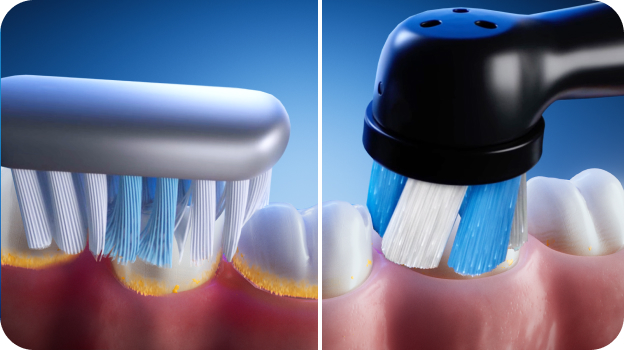
In addition to these measures, maintaining good oral hygiene is important. Consider using a soft-bristled manual toothbrush or an electric toothbrush with a gentle setting/extra-soft brush head, and follow the product’s directions for use.

Oral-B proudly champions the importance of a consistent oral care routine — and that includes regular check-ups with your dentist or dental hygienist to stay on top of any concerns before they escalate.

FAQs

  • Are canker sores on the tonsils dangerous?

  • How can I treat canker sores on my tonsils?

  • Can poor oral hygiene cause canker sores on the tonsils?

  • When should I see a doctor about a canker sore on my tonsil?

Sources

Table of Contents

  • What are Canker Sores on Tonsils
  • Symptoms of Canker Sores on Tonsils
  • Diagnosing Canker Sores
  • Types of Canker Sores
  • Causes of Canker Sores on Tonsils
  • Treatment of Canker Sores on Tonsils
  • Preventing Canker Sores on The Throat
  • Stay Ahead of Canker Sores with a Confident Oral Care Routine

  • FAQs
  • Sources
dr. robert lee - a dental professional with 35 years of experience

This blog has been reviewed and approved by Dr Robert Lee, a dental professional of 35 years

LEARN MORE >

Related Products

731|403