













Contents
- What are Cold Sores?
- Cold Sore Causes and Symptoms
- Cold Sores vs Canker Sores
- Cold Sores Treatments
- Keep Up with a Good Oral Care Routine
- FAQs
- Related Articles

Cold Sores: Causes, Symptoms, & Treatments
10 minute read
Last updated 06/2025
Share


This blog has been reviewed and approved by Dr Robert Lee, a dental professional of 35 years
Learn MoreWhat are Cold Sores?
Cold sores are reactivations of the herpes simplex virus (HSV) and appear as lesions on the outside of the lip. Herpes simplex virus stays dormant in your body once you have been infected with it and cold sores are signs you are having a flare-up of the infection. Cold sores can also create additional problems for people with HIV or AIDS.
Cold Sore Causes and Symptoms
Many factors can cause a recurrence of cold sores due to HSV, including a fever, menstruation, stress, or even sun exposure. Because cold sores occur on the outside of the mouth, they aren’t part of the picture of gingivitis, although people with HIV or other immunodeficiencies are at increased risk for gingivitis, as they are for other infections.
Cold Sores vs Canker Sores
By contrast, canker sores are ulcers that occur on the inside of the mouth, and they are not associated with HSV. Cold sores usually resolve in seven to ten days in otherwise healthy people. But people with HIV or other chronic illnesses who have cold sores may benefit from a topical treatment such as lidocaine or benzyl alcohol to help relieve symptoms. If you are prone to cold sores due to HSV flares, your doctor might consider prescribing an antiviral medication.
Cold Sores Treatments
If your cold sore is extremely painful, you can take acetaminophen, ibuprofen or aspirin to get some relief, or you can apply warm or cold compresses to the sore spot. Avoid picking or squeezing the sore.
An important note: Do not give children aspirin for cold sores. It may cause Reye’s syndrome, a rare but potentially fatal disorder.
Keep Up with a Good Oral Care Routine
Whether or not you suffer from cold sores, it’s important to maintain a thorough oral care regiment to ensure your teeth and gums stay healthy:
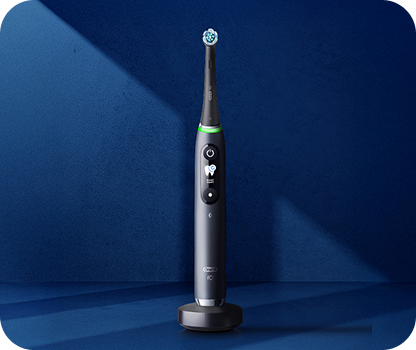
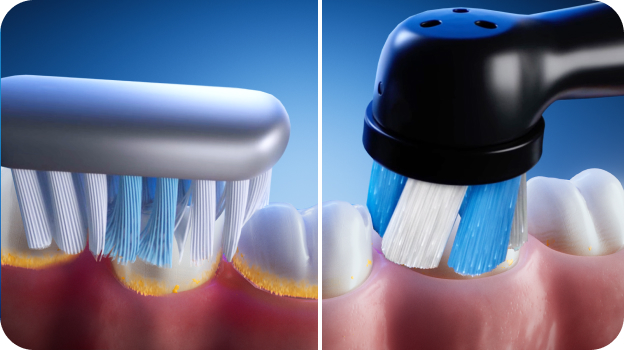
- Brush teeth at least twice a day with the Oral-B iO Series 9 Rechargeable Toothbrush. Its dentist-inspired round brush head expertly cleans with micro-vibrations to remove more plaque than a manual brush.
- Pair the Oral-B iO with a toothpaste containing Stannous Fluoride like Crest Gum Detoxify, its activated foam formula removes plaque bacteria in hard-to-reach areas to better reverse gingivitis.
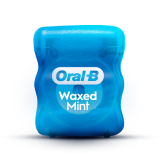
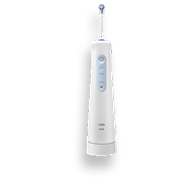
- Floss at least once a day to remove more plaque and debris from tight spaces. The Oral-B Pro-Health Advanced Floss slides up to 50% more easily in tight spaces than other types of floss. To further improve your gum health, supplement your regular flossing routine with the Oral-B Water Flosser Advanced, its unique Oxyjet Technology helps eliminate more plaque bacteria* for healthier gums.
- Swish with a rinse containing Cetylpyridinium Chloride (CPC), like Crest Pro-Health Multi-Protection Mouthwash which helps protect your mouth from gingivitis and plaque with 0% alcohol.
*Helps reduce plaque bacteria and inflammatory components associated with gingivitis, when used as an adjunct to brushing, flossing and regular professional care.
Shop this article
934|689
Science worth a scroll.
Canker Sores (Aphthous Ulcers) Causes and Treatments
Canker sores are small but painful lesions that appear inside the mouth. They’re common and typically heal on their....
Read more
What is Gingivitis? Symptoms, Causes, and Treatments
Gingivitis is the first stage of gum disease. Fortunately, gingivitis is often treatable and preventable with just a few simple steps that you can do at home....
Read more
The Best Electric Toothbrush of 2021
When it comes to choosing an electric toothbrush, the most important factor is of course the degree of clean. While most electric toothbrushes provide...
Read moreFAQs
What triggers a cold sore outbreak?
A variety of factors, including fever, menstruation, stress, or even sun exposure, can trigger the recurrence of herpes simplex virus (HSV)-related cold sores.
Are cold sores contagious, and for how long?
Cold sores are contagious from the first tingling or burning sensation until the sore has fully healed and the skin has returned to normal. For many people, this takes about 1 to 2 weeks, but timing can vary. Avoid kissing, oral contact, and sharing items like lip balm, cups, or utensils while a cold sore is active.
What is the difference between a cold sore and a canker sore?
Cold sores are caused by herpes simplex virus and usually appear on or around the lips. They can be contagious and often heal on their own within about 2 to 3 weeks. Canker sores are not caused by herpes simplex virus and usually occur inside the mouth. If cold sores are severe, frequent, or do not heal, a healthcare professional may recommend antiviral treatment.
How can I speed up the healing of a cold sore?
Many people find that starting antiviral medications or creams as soon as they notice the first signs of a cold sore can help speed up healing. Additionally, keeping the area clean and moisturized, avoiding triggers like excessive sun or stress, and using over-the-counter pain relievers may help reduce discomfort and promote a faster recovery.
Can stress cause cold sores?
Yes. Stress can be one trigger for cold sore flare-ups in people who already carry herpes simplex virus. Stress may affect the immune system, which can make outbreaks more likely for some people. Managing stress may help reduce triggers, but it does not prevent all cold sores.
