Sores on the Tongue: Symptoms, Causes, and Treatment

Senior male patient smiling reflection in dental mirror.
Last Updated : February 6, 2026

Summary

Sores on the tongue are a common ailment that can happen for a variety of reasons. While mouth ulcers, also called as canker sores, may be the most familiar reasons for a sore on the side of the tongue, certain foods, infections and underlying medical conditions can also play a role.

Although tongue sores can be painful and may make eating or drinking uncomfortable, most are harmless and clear up on their own within a couple of weeks.

In this article, we will explain how to recognize the most common sore tongue causes, treatment methods, and when it may be necessary to consult your doctor.

Key Takeaways

  • Takeaway #1: In most cases, sores on the tongue are not a severe condition and will heal over in a week or two.
  • Takeaway #2: Some tongue sores are more concerning than others. Contact a doctor or dentist if a sore lasts longer than two weeks, is especially painful, or looks unusual.
  • Takeaway #3: Maintaining good overall health can positively affect your oral health.

Table of Contents

drlee-image

This blog has been reviewed and approved by Dr Robert Lee, a dental professional of 35 years

LEARN MORE >

Key Takeaways


Signs and Symptoms of Sores on the Tongue

Tongue sores can look different depending on the cause. Noticing those differences can help identify what may be causing the sore. Common signs include:

  • Small red spots
  • White or gray patches
  • Raw, open, or bleeding areas

Some tongue sores may also be accompanied by swelling, pain when chewing or swallowing, or changes in tongue color.

If a sore does not heal, keeps coming back, or gets worse, it is a good idea to have it checked by a doctor or dentist.

Other symptoms may also accompany a sore on the side of tongue including some wider swelling, difficulty chewing or swallowing, or discoloration on the tongue.

If sores persist and recur regularly, this can also be a sign of a more serious underlying condition causing mouth sores.

Male patient being examined at the dentist.

Types of Tongue Sores and Their Treatments

Canker Sores

One of the most common types of tongue sores is a canker sore. Canker sores can appear on their own or in clusters and typically look like small, round or oval ulcers with a white or yellowish center and a red border on the side or top of the tongue. They can cause mild to severe pain depending on location and number.

If you are wondering whether canker sores are contagious the answer is thankfully no, as unlike some other mouth sores, canker sores cannot be passed between individuals.

Despite being so common, medical professionals are still not sure of what causes canker sores on tongue, but several triggers have been identified, including:

  • Injury inside the mouth, such as biting or burning your tongue
  • Stress or anxiety
  • Spicy or acidic foods
  • Food allergies
  • Vitamin or mineral deficiencies, especially vitamin B12
  • Certain medications

Canker Sores Treatment

There is no instant cure for canker sores, and most heal on their own within a couple of weeks. However, several steps may help ease discomfort while the sore heals, including:

  • Saltwater rinsess
  • Over-the-counter pain relievers or topical products that may help reduce pain
  • Mouth rinses recommended by a doctor or dentist
  • Gentle oral hygiene products (soft bristled toothbrushes etc.)

If your canker sore lasts longer than two weeks, is very painful, or makes it hard to eat or drink, contact a doctor or dentist.

Cold Sores

Cold sores are a common type of blister that affects the face and mouth. Although most cold sores will appear on or around the lips, they can develop and form on the tongue as well.

Cold sores are a symptom of herpes simplex virus type 1(HSV-1), which, once contracted, stays with a person for life. When a cold sore is developing, you may feel a tingling sensation in one spot, followed by the formation of a painful, fluid-filled blister. Once HSV-1 is in your system, several triggers can cause a cold sore, including:

  • Stress and fatigue
  • Hormonal changes (including periods)
  • Oral trauma
  • Sunburn
  • Minor illnesses
  • Surgery

Cold sores are highly contagious. The risk of spreading the virus is highest when you have a blister or a scabbed-over sore, so you should avoid close contact (including kissing, oral sex, or sharing eating/drinking utensils) with anyone else during this time. It is important to note that the virus can sometimes be spread even when no sores are visible.

Cold Sore Treatment

There is no instant cure for cold sores. Treatment focuses on easing symptoms and supporting healing. Most cold sores heal within about two weeks, but the following may help during that time:

  • Antiviral creams or medicines recommended by a doctor, which may help shorten symptoms
  • Pain relievers to alleviate pain and reduce the temptation to touch the sore
  • Cold sore patches to protect the skin and allow it to heal properly

Oral Lichen Planus

Lichen planus is an autoimmune condition that can affect the skin and mouth. When dealing with the oral variation of this condition, symptoms may include:

  • Ulceration within the mouth
  • Swollen gums
  • A change in tongue color
  • White, lace-like patches inside the mouth

The exact cause of oral lichen planus is still unknown, but it is believed that trauma to the mouth, medications, or allergies can all be responsible for the onset of the condition.

Oral Lichen Planus Treatment

If you think you may have oral lichen planus, contact a doctor or dentist. It is a long-term condition that can often be managed, but treatment depends on your symptoms and may include corticosteroids or other medicines recommended by your healthcare professional.

Occasionally, UV light therapy is used for oral lichen planus treatment, but this will tend to be in severe cases.

Erythroplakia

Erythroplakia is a condition that causes red patches to develop in the mouth. These patches can appear on the tongue and other soft tissues in the mouth. Common Erythroplakia risk factors include:

  • Smoking
  • Excessive drinking or alcohol dependency
  • Poorly fitted dentures or dental work
  • Chewing tobacco
  • Poor oral health
  • HPV

Erythroplakia may appear as a red patch that can be flat, painless, or easy to mistake for another type of sore. Because some persistent red patches in the mouth can be serious, contact a doctor or dentist if you notice one that does not go away.

Erythroplakia Treatment

Treatment depends on the cause and on whether testing shows abnormal or cancerous cells. A doctor or dentist may recommend reducing risk factors such as tobacco or alcohol use, monitoring the area, doing a biopsy, or referring you for further treatment.

If cancer is found, treatment will depend on the diagnosis and should be guided by the appropriate medical specialists.

Dentists and female patient smiling into mirror at dental consultation.

Protect Your Mouth

There are several reasons why you may experience sores on the tongue, from simple mouth ulcers and cold sores to more complex and serious conditions like oral lichen planus. Knowing the individual signs and symptoms of different sore types is vital for diagnosis and helping to separate a painful ulcer from a potentially precancerous growth.

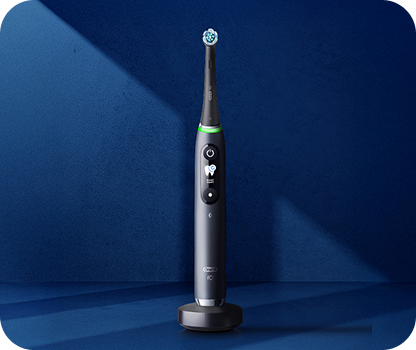
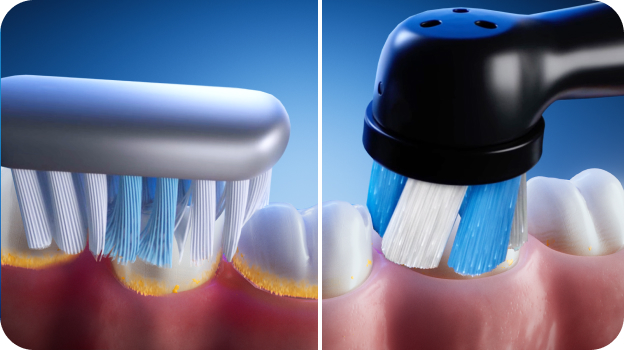
Almost as important as diagnosis though is prevention, and a key element is maintaining good oral hygiene. That is why Oral-B is committed to promoting the value of daily oral care. The Oral-B iO Series of electric toothbrushes can help by delivering a clean that is both thorough and gentle. Their gentle action and smart pressure sensor help you brush effectively while minimizing irritation to sensitive areas of your mouth, which can be a trigger for some types of sores.

Maintaining excellent oral hygiene can help prevent irritation that may lead to certain types of mouth and tongue sores. Consider these Oral-B products designed for a superior and gentle clean.

  • Oral-B iO9 Electric Toothbrush: The revolutionary iO magnetic drive delivers gentle micro-vibrations for a professional clean feeling every day. Use the Sensitive Mode for an extra gentle yet thorough clean when your mouth feels tender.
  • Oral-B iO Gentle Care Replacement Brush Heads: Designed specifically for a gentle and effective clean on sensitive areas and gums. These are Oral-B's gentlest iO brush heads.

For oral care you can trust, use Oral-B.

FAQs

  • When should I see a dentist or doctor about a tongue sore?

  • Are tongue sores contagious?

  • Can poor oral hygiene cause tongue sores?

  • Can stress cause tongue sores?

Sources

Table of Contents

  • Signs and Symptoms of Sores on the Tongue
  • Types of Sores on Tongues and their Treatments
  • Protect Your Mouth

  • FAQs
  • Sources
drlee-image

This blog has been reviewed and approved by Dr Robert Lee, a dental professional of 35 years

LEARN MORE >

Related Products

1180|403