













Swollen Taste Buds: Causes, Symptoms, & Treatments

Summary
Swollen taste buds are common and will typically heal on their own within a few days to a week. In cases where treatment is necessary, it will depend on the cause of your swollen taste buds.
In this article, we will discuss the most common causes of swollen taste buds, how the condition is diagnosed, and treatment for the condition.
Key Takeaways
- Takeaway #1: There are several different reasons for getting swollen taste buds, but they can happen from something as simple as eating spicy food. You can also get them from more serious cases like an allergic reaction or oral trauma.
- Takeaway #2: In most cases, swollen taste buds will not require a visit to the doctor or dentist. However, if your swollen taste buds persist for more than a week or two, are very painful, or are accompanied by other symptoms, you should visit a medical professional for a proper diagnosis.
- Takeaway #3: To lower your risk of swollen taste buds, make sure you follow a good oral care routine. This includes brushing your teeth at least twice a day, flossing, using mouthwash, and visiting your dentist and dental hygienist for regular checkups.
- Takeaway #4: Stress and anxiety can cause swollen taste buds, showing how closely your oral health is linked to your physical and mental well-being. Taking care of your overall health is important for your entire body and mind.

Table of Contents

This blog has been reviewed and approved by Dr Robert Lee, a dental professional of 35 years
LEARN MORE >Key Takeaways
What is a Taste Bud?
Your tongue is covered in small bumps called papillae, and housed within these bumps are your taste buds. Taste buds are tiny sensory organs that contain cells connected to nerves, allowing you to recognize different tastes. As their names imply, taste buds allow you to differentiate between and recognize tastes.
Most people will have around 10,000 taste buds, but you should not be able to feel or see them despite their prevalence. Different areas of the tongue will have different concentrations of papillae and taste buds, with the base containing the most and the back edges the least.
What is a Swollen Taste Bud?
If you can feel or see the individual bumps on your tongue more clearly than usual, you are likely experiencing swollen papillae, which house your taste buds. The papillae on the tongue can become inflamed for several reasons, including allergens and irritating foods, and once swollen, can cause pain or discomfort when eating and drinking.
It is possible to experience a singular inflamed taste bud or a swathe of swollen taste buds on the tongue. Despite the pain that swollen taste buds may cause, the condition is not a serious one, and most cases of inflammation will disappear on their own in just a few days.

Causes of Swollen Taste Buds
A host of triggers can cause or factor into swollen taste buds on the tongue, with some more common than others. If you are wondering 'why is my taste bud swollen?', then the following causes may be responsible:
- Oral Trauma: Trauma, namely burns from hot food or biting your tongue, can cause inflammation in the mouth and swollen taste buds.
- Smoking: Cigarette smoke contains irritants that can contribute to swollen taste buds and a reduction in your ability to taste.
- Irritation: If you wear braces, a retainer, or other dental appliances in the mouth, then you may suffer irritation and inflammation on the tongue from them rubbing against it.
- Poor Oral Hygiene: The buildup of bacteria in the mouth from poor, or a lack of, oral care can lead to swelling and inflamed taste buds.
- Dry Mouth: A lack of saliva can lead to several oral health issues, including the inflammation of taste buds.
- GERD: Acid reflux, or gastroesophageal reflux, can irritate the throat and mouth, depending on how far stomach acid travels.
- Stress: High stress has been linked to the presence of inflamed or swollen taste buds.
- Infections: Some viral infections, including scarlet fever, are capable of making the tongue and taste buds swell up.
- Transient Lingual Papillitis: This is the medical term for a common and temporary condition that causes the papillae on the tongue to become swollen and red or white. It's often referred to as "lie bumps.
- Food: Acidic and spicy foods can irritate the tongue and cause swollen taste buds.
- Deficiencies: Some studies have linked deficiencies in iron and B vitamins to swollen taste buds.
- Allergies: Allergens contacting your mouth can cause irritation and swollen taste buds.
Diagnosing Swollen Taste Buds
Most cases of swollen taste buds will not be serious and should not require a trip to the doctor. If, however, soreness or swelling lasts more than a week or two or is accompanied by a fever or constant pain, you should contact a medical professional.
Diagnosing swollen taste buds is a simple task for a doctor or dentist. A visual examination where your doctor checks the size, color, and texture of the tongue should be enough to determine whether you have the condition. A doctor may wish to feel your tongue to determine if any sores are present or perform a biopsy if they believe oral cancer may be present.
Complications of Swollen Taste Buds
Swollen taste buds are not a serious condition. Complications of tongue swelling and irritation should not extend beyond difficulty or pain when eating and drinking. Any further complications will depend on the underlying cause of your irritated taste buds.

Treatment for Swollen Taste Buds
Most instances of swollen taste buds should clear up on their own without the need for medical treatment.
In cases where treatment for inflamed taste buds is needed, it will focus on treating the underlying cause of the irritation rather than the irritation itself. If an infection is causing the swelling, your doctor may prescribe antibiotics or antiviral medication, depending on the type of infection. If swelling is the result of nutrient deficiencies, supplements and dietary changes may be recommended to help prevent swollen taste buds from recurring.
While you wait for the swelling and pain in your taste buds to ease, there are simple at-home methods you can use to soothe discomfort, including:
- Sucking or chewing ice
- Using a saline rinse to clean your mouth
- Avoiding spicy or acidic foods
Preventing Swollen Taste Buds
Unfortunately, there is no way to completely prevent swollen taste buds, but some lifestyle changes can reduce your risk of swelling. Changes to consider include:
- Quitting, or cutting down, cigarette use
- Avoiding spicy, acidic, or irritating foods
- Maintaining good oral hygiene and regularly visiting the dentist and dental hygienist.
Keep Your Mouth Healthy
Swollen taste buds can be sore and disruptive, changing the way we eat, drink, and go about our day-to-day lives. While there is no guaranteed way of preventing swollen taste buds, maintaining good oral hygiene is a great place to start. Oral-B champions the importance of a thorough and consistent oral care routine—especially when dealing with oral sensitivity.
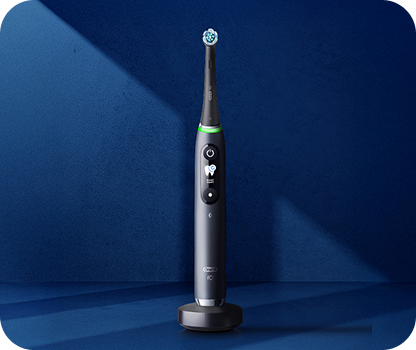
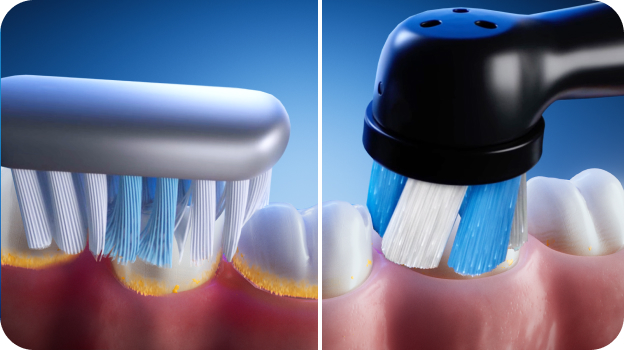
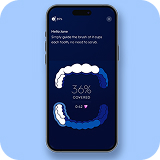
The Oral-B iO Series electric toothbrush features dentist-inspired round brush head and smart pressure sensor designed to help you care for delicate and sensitive areas.
Incorporating the iO Series into your daily routine, along with regular dental checkups, helps keep your mouth clean healthy.
FAQs
-
When should I see a dentist or doctor if I have swollen taste buds?
-
Can poor oral hygiene lead to swollen taste buds?
-
Can stress or anxiety cause swollen taste buds?
-
Do swollen taste buds affect your sense of taste?
Sources
- https://www.healthline.com/health/swollen-taste-buds
- https://www.prevention.com/health/ a28860313/swollen-taste-buds/#what-are-the-symptoms-of-swollen-taste-buds
- https://www.pacificneuroscienceinstitute.org/ blog/throat-mouth/what-causes-swollen-taste-buds/
- https://www.medicalnewstoday.com/articles/ 320684#causes
- https://my.clevelandclinic.org/health/ diseases/17019-acid-reflux-gerd
- https://my.clevelandclinic.org/health/ diseases/24544-swollen-taste-bud
- Grender, J., et al. (2022). A 12-Week Randomized Controlled Trial Comparing a Novel Electric Toothbrush With an Extra Gentle Brush Head to a Manual Toothbrush for Plaque and Gingivitis Reduction. Compendium of Continuing Education in Dentistry (Jamesburg, N.J. : 1995), 43(3), f20–f29.
- Thurnay, S., et al. (2022). A Global, In-Market Evaluation of Toothbrushing Behaviour and Self-assessed Gingival Bleeding with Use of App Data from an Interactive Electric Toothbrush. Oral Health & Preventive Dentistry, 20, 1–10.
https://doi.org/10.3290/j.ohpd.b2572911
Table of Contents
- What is a Taste Bud?
- What is a Swollen Taste Bud?
- Causes of Swollen Taste Buds
- Diagnosing Swollen Taste Buds
- Treatment for Swollen Taste Buds
- Preventing Swollen Taste Buds
- Keep Your Mouth Healthy
-
- FAQs
- Sources

This blog has been reviewed and approved by Dr Robert Lee, a dental professional of 35 years
LEARN MORE >
Sign Up
for expert advice and exclusive offers
Sign Up
for expert advice and exclusive offers