Dry Mouth (Xerostomia): Causes, Symptoms, and Treatments

Summary
If you suspect that you have dry mouth, don't ignore the symptoms. Left untreated, dry mouth leads to a higher risk of developing tooth decay and other serious dental problems.
In this article, we discuss causes and symptoms of dry mouth, as well as treatments and at-home remedies you can try to keep it under control.
Key Takeaways
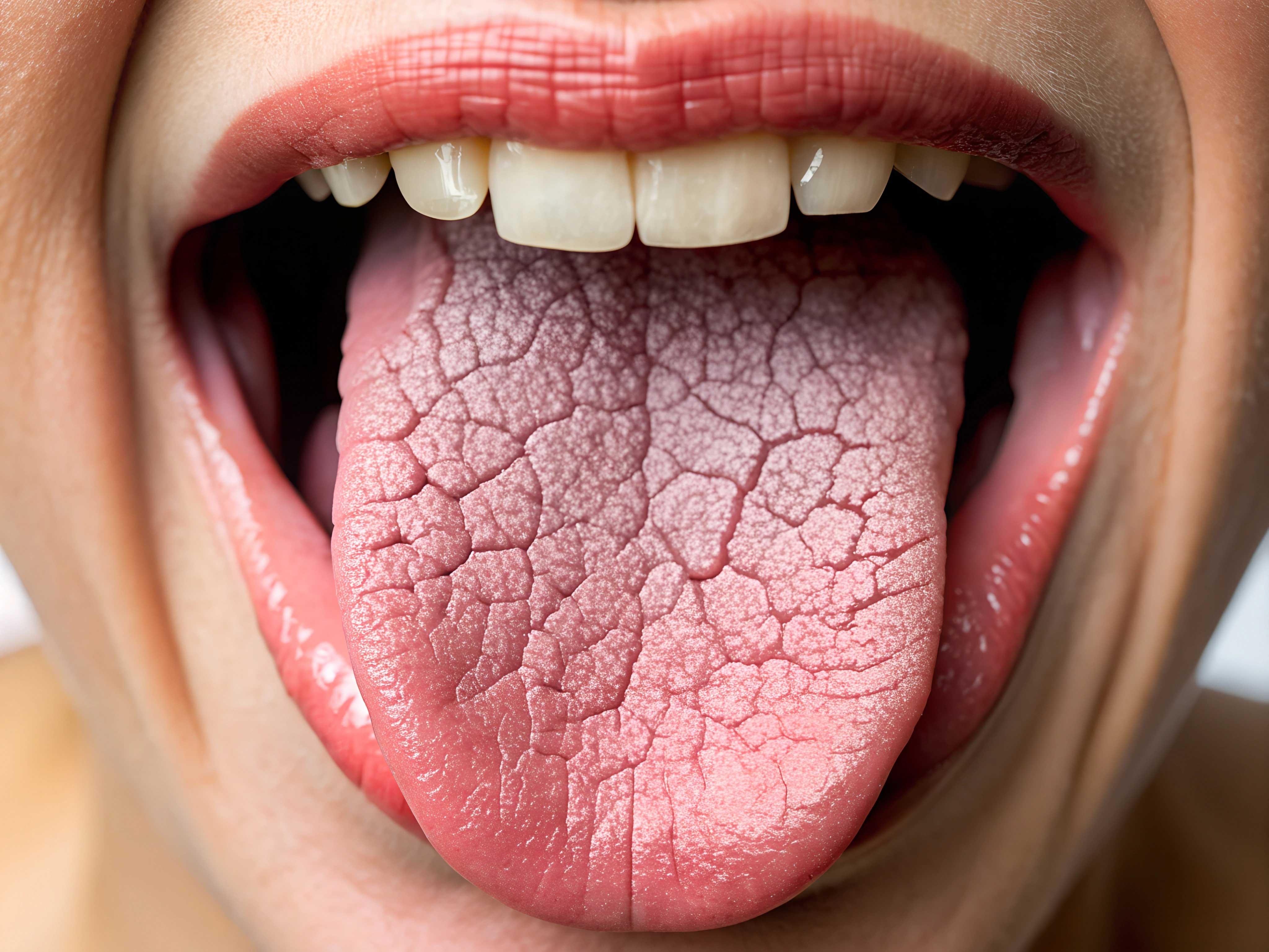
- Takeaway #1: Dry mouth, or xerostomia, happens when your body doesn't produce enough saliva—leaving your mouth dry and uncomfortable—and your teeth and gums more vulnerable to oral health problems.
- Takeaway #2: Dry mouth can be caused by stress, anxiety, medications, aging, snoring, mouth breathing, certain health conditions, tobacco, alcohol, drugs, or nerve damage.
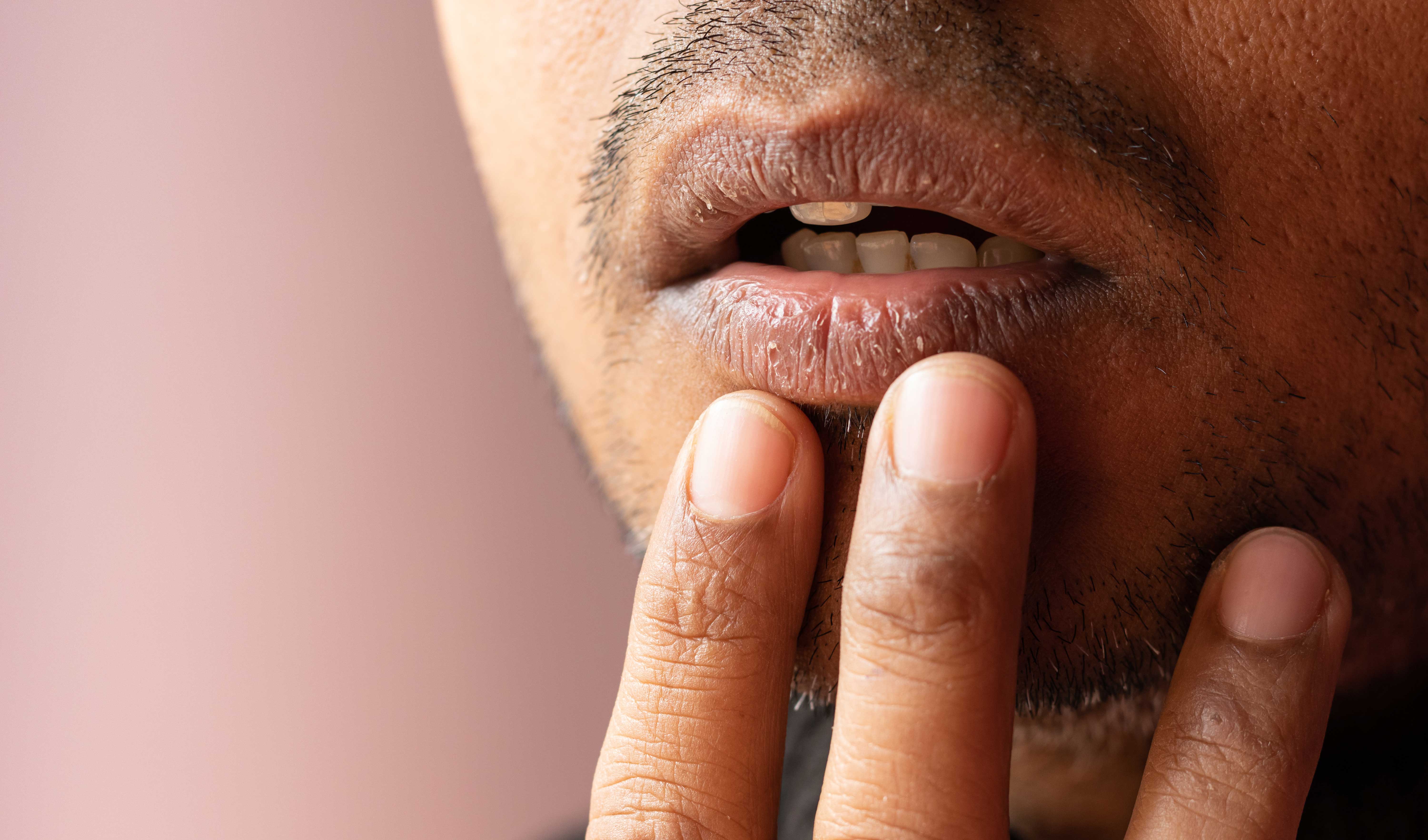
- Takeaway #3: Symptoms of dry mouth include a prolonged dry, sticky feeling in your mouth along with difficulty chewing and swallowing, discomfort when speaking, dry lips and throat, and mouth sores that don't go away.
- Takeaway #4: To temporarily relieve dry mouth symptoms, use a special oral rinse formulated for dry mouth, chew sugarless gum, suck on ice chips or sugar-free hard candies, avoid smoking and chewing tobacco, and limit alcohol. Talk to your doctor about treating the underlying condition.
Table of Contents

This blog has been reviewed and approved by Dr Robert Lee, a dental professional of 35 years
LEARN MORE >Key Takeaways
What Is Dry Mouth?
Dry mouth is a common condition that occurs when your mouth doesn't produce enough saliva. Medically, it's known as xerostomia—a term used to describe the dry, uncomfortable feeling that happens when saliva production slows down. Without enough saliva, your teeth and gums are more vulnerable to oral health problems.
Here are just a few things that saliva does to help your mouth stay healthy:
- Lubricates and keeps your mouth moist
- Neutralizes acids produced by bacteria in your mouth that can cause tooth decay
- Strengthens and repairs (remineralization of enamel) tooth enamel
- Promotes wound healing in your mouth
- Helps you chew, swallow, and speak
- Protects against harmful bacteria, viruses, and fungi in your mouth
- Assists with food breakdown
Dry Mouth Causes

Stress and Anxiety
When you experience stress or anxiety, your body produces hormones, such as adrenaline and cortisol, that help your body prepare for its "fight-or-flight" response.
The hormones can temporarily reduce non-essential functions, like saliva production, resulting in dry mouth symptoms.
Over-the-Counter Medications
Medications are a major cause of dry mouth. In fact, medications are one of the most common causes of dry mouth. According to the Academy of General Dentistry, hundreds of common medications list dry mouth as a potential side effect.
If you suddenly experience symptoms of dry mouth, it may be because you've started taking medication, such as an antidepressant, antihistamine, anti-inflammatory, or anti-hypertensive.
If your dry mouth is persistent and severe, talk to your doctor.
Aging
While dry mouth is more common in older adults, aging itself is not considered a direct cause. Rather, older adults are more likely to have health conditions and take medications that cause dry mouth.
Snoring and Mouth Breathing
Snoring while you sleep at night or mouth breathing during the day can cause symptoms that feel like dry mouth as well.
However, if the symptoms go away an hour or so once you wake up or after you start breathing through your nose, it's unlikely to be xerostomia. Instead, you may be experiencing symptoms because your mouth has been open for a long time.
Certain Health Conditions
Diabetes, HIV/AIDS, kidney disease, systemic lupus erythematosus, Parkinson's disease, and cancer in any part of the body can also cause chronic dry mouth.
Some people suffer from Sjogren’s Syndrome, an autoimmune disease characterized by extremely dry eyes and a dry mouth. Sjogren’s syndrome most often affects adults over 40 and is much more common in women than in men, but it can occur at any age. The exact cause remains unclear, but if you or someone you know develops Sjogren's, paying attention to dry mouth is extremely important.
Even someone with a long-life history of good dental hygiene can develop tooth decay simply because of the extreme lack of saliva that accompanies this condition.
Tobacco, Alcohol, and Drug Use
The chemicals in tobacco and alcohol can temporarily dry out your mouth and lead to symptoms of xerostomia. Some psychoactive drugs, such as methamphetamines and marijuana, can hinder your body's natural production of saliva and cause symptoms of dry mouth.
The dry mouth caused by these substances is a form of xerostomia and can lead to the same negative oral health outcomes, such as tooth decay, gum disease, mouth sores, and thrush.
Either way, talk to your doctor about what you're experiencing.
Nerve Damage
Some types of injuries to the head or neck can damage the specific nerves that stimulate the salivary glands to produce saliva.
With dry mouth causes in mind, let's take a closer look at the symptoms you may experience.
Dry Mouth Symptoms

The symptoms of dry mouth can mimic other temporary issues, but if your symptoms persist after you resolve other problems, you may have xerostomia.
Be on the lookout for the following symptoms:
- Dry, sticky feeling in your mouth
- Burning sensation in your mouth
- Difficulty chewing and swallowing
- Discomfort when speaking
- Dry lips and throat
- Mouth sores that last for weeks or months
If you think you have xerostomia, read on for remedies you can try at home as well as professional treatment options.
Dry Mouth Treatments
At-Home Remedies
Thankfully, you can try a number of home remedies to temporarily alleviate the symptoms of dry mouth, including:
- Using an oral rinse for dry mouth
- Avoiding sugary drinks
- Drinking water throughout the day
- Chewing sugarless gum
- Sucking on ice cubes
- Avoiding smoking and chewing tobacco
- Limiting alcohol
- Using a cool-mist humidifier
- Discussing medication timing with your doctor
While these remedies can help with your dry mouth symptoms, none of them address the underlying medical issue. If you've tried any or all of these remedies, but your dry mouth symptoms keep coming back, talk to your dentist or medical doctor right away.
Professional Treatments
Professional treatments for xerostomia include:
- Prescription-strength dry mouth lozenges
- Saliva production stimulators
- Surgical salivary gland repair
Talk to your dentist or general practitioner to see if the treatments are right for you.
Get a Healthier Smile with Oral-B

Avoid tooth decay, gum disease, and other dental issues by maintaining a good oral hygiene routine that includes brushing twice a day, flossing once a day, and rinsing with an antibacterial mouthwash.
The right oral care products can help make a huge difference in preventing certain dental issues.
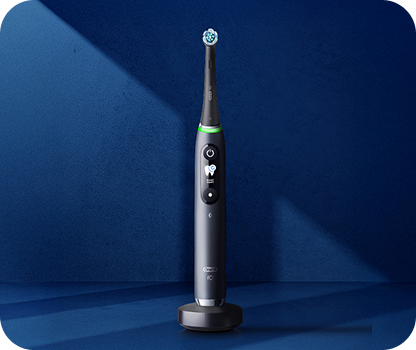
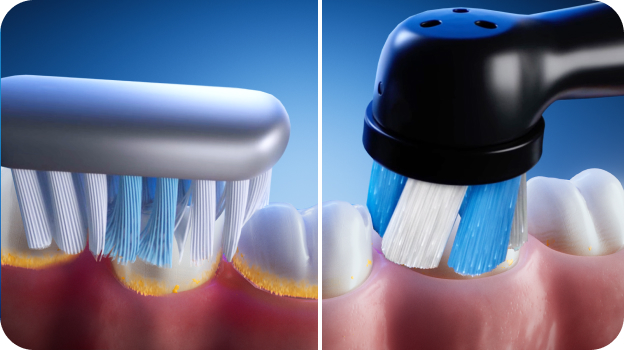
The Oral-B iO Series combines powerful, but gentle, micro-vibrations with Oral-B's unique dentist-inspired round brush head for a professional clean feeling every day. It is clinically proven to remove up to 100% more plaque than a regular manual toothbrush.
The Oral-B Rinse Collection is crafted to meet your unique oral care needs. Oral-B Dry Mouth Rinse is scientifically formulated for immediate, long lasting dry mouth relief. No added alcohol, artificial dyes, parabens, gluten, pr sodium lauryl sulfate (SLS). The Oral-B Rinse Collection is crafted to meet your unique oral care needs. Oral-B Dry Mouth Rinse is scientifically formulated for immediate, long lasting dry mouth relief. No added alcohol, artificial dyes, parabens, gluten, pr sodium lauryl sulfate (SLS).
FAQs
-
Why is my mouth so dry, even if I drink water?
-
Why does my mouth get so dry at night?
-
Why do I have dry mouth during pregnancy?
Sources
- https://my.clevelandclinic.org/health/diseases/10902-dry-mouth-xerostomia
- https://www.mayoclinic.org/diseases-conditions/dry-mouth/symptoms-causes/syc-20356048
- https://www.nidcr.nih.gov/health-info/dry-mouth
- https://www.agd.org/
- Cheng, R., et al. (2014). Breath and plaque prevention with cetylpyridinium chloride rinses: clinical meta-analysis. Journal of Dental Research, 93, 573. Link to: https://iadr.abstractarchives.com/abstract/43am-185497/breath-and-plaque-prevention-with-cetylpyridinium-chloride-rinses-clinical-meta-analysis
- Grender, J., et al. (2020). An 8-week randomized controlled trial comparing the effect of a novel oscillating-rotating toothbrush versus a manual toothbrush on plaque and gingivitis. International Dental Journal, 70, S7–S15. https://doi.org/10.1111/idj.12571
- Terézhalmy, G. T., et al. (2008). Plaque-removal efficacy of four types of dental floss. Journal of Periodontology, 79(2), 245–251. https://doi.org/10.1902/jop.2008.070345
- Zou, Y., et al. (2024). A meta-analysis comparing toothbrush technologies on gingivitis and plaque. International Dental Journal, 74(1), 146-156. https://doi.org/10.1016/j.identj.2023.06.009
Table of Contents
- What Is Dry Mouth?
- Dry Mouth Causes
- Dry Mouth Symptoms
- Dry Mouth Treatments
- Get a Healthier Smile with Oral-B
-
- FAQs
- Sources

This blog has been reviewed and approved by Dr Robert Lee, a dental professional of 35 years
LEARN MORE >
Send Tips
for oral care tips, expert advise, and exclusive offers.
Send Tips
for oral care tips, expert advise, and exclusive offers.