













Plaque (Dental Plaque): Causes, Prevention, and Removal

Summary
Dental plaque is a normal byproduct of eating and drinking. If left untreated, it can lead to a wide variety of other problems, including tartar buildup, cavities, and gum diseases such as gingivitis and periodontitis.
In this article, we discuss what causes dental plaque, how to prevent it from building up on your teeth, and the best way to remove it, so that it doesn't cause more serious issues.
Key Takeaways
- Takeaway #1: Dental plaque is a sticky, colorless, or pale-yellow film that forms on your teeth when bacteria, food particles, and saliva interact in your mouth.
- Takeaway #2: When plaque builds up, it hardens into tartar. While you can remove plaque by practicing good oral hygiene habits, like brushing at least twice a day and flossing at least once, tartar can only be removed by a dental professional.
- Takeaway #3: Dental plaque buildup is caused by sugary or starchy foods and drinks. It gets worse due to poor oral hygiene habits, dry mouth, and smoking tobacco, which increases the rate of plaque deposition.
- Takeaway #4: The best way to remove dental plaque is by brushing with an electric toothbrush at least twice a day, flossing at least once a day, and rinsing with an antibacterial mouthwash. It's important to visit your dentist twice a year for a professional cleaning and checkup.
- Takeaway #5: Prevent plaque from building up on your teeth and gums by maintaining a good oral hygiene routine, limiting sugary and starchy foods in your diet, and avoiding smoking and chewing tobacco.
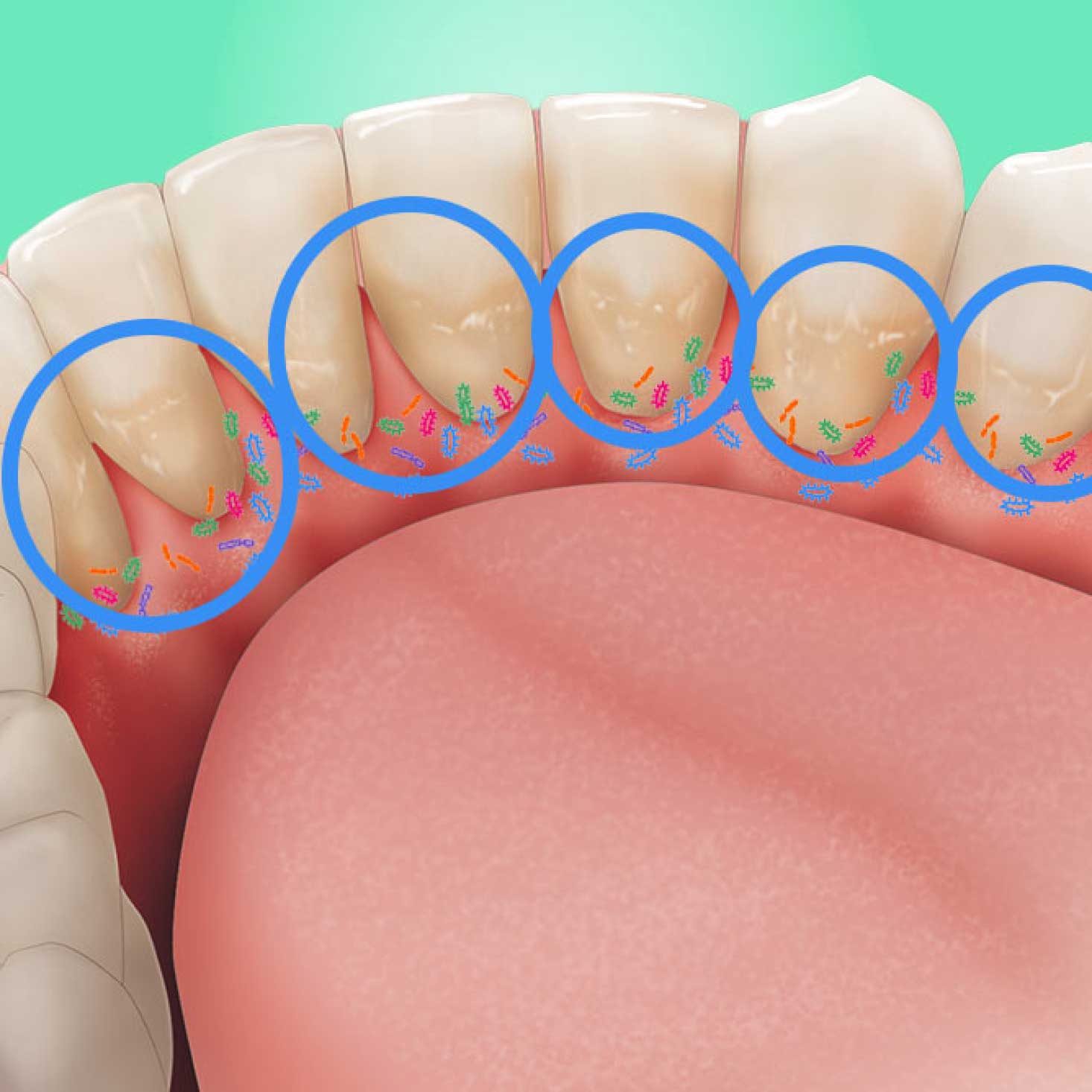
Table of Contents
Key Takeaways
What Is Dental Plaque?
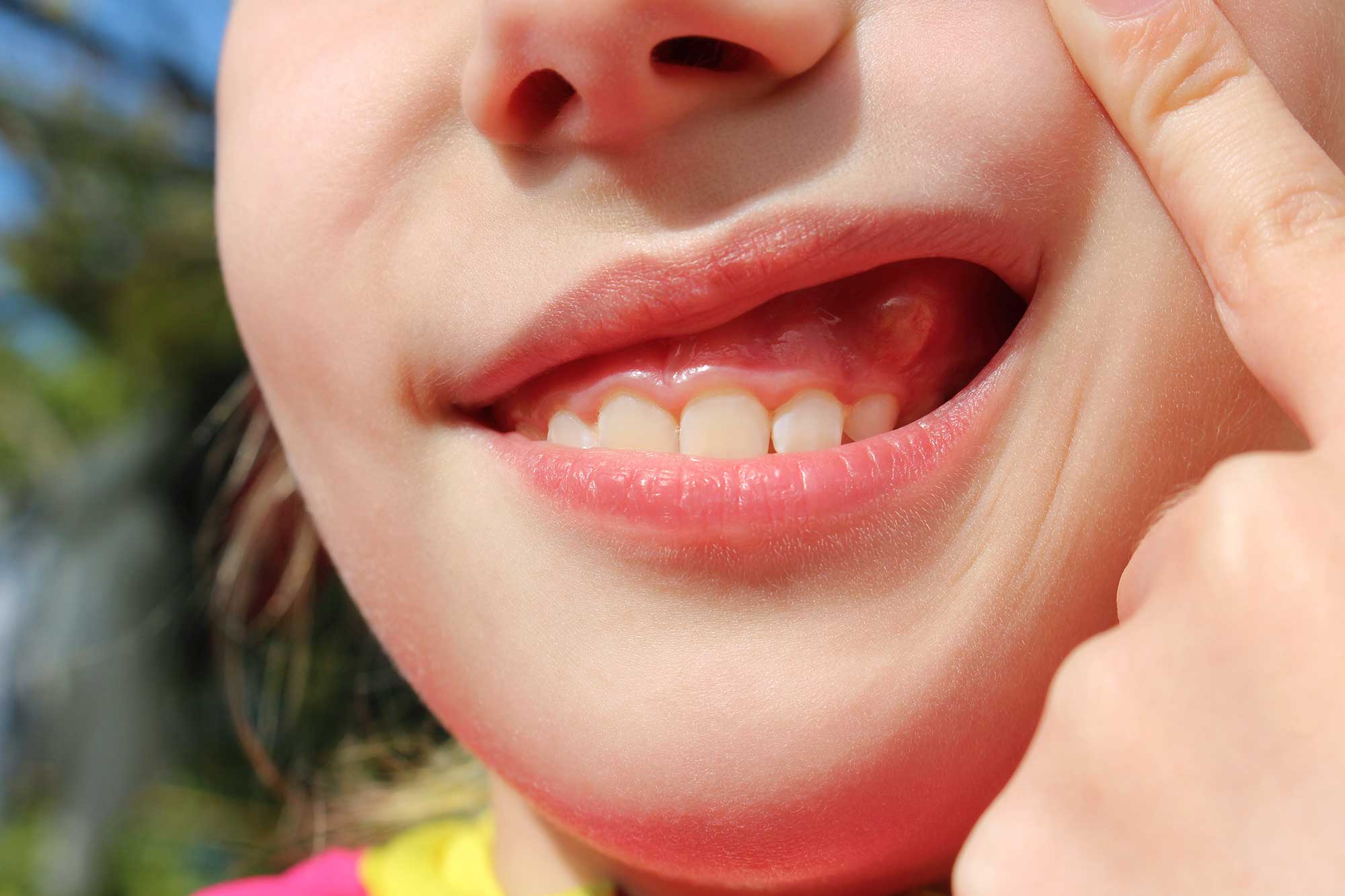
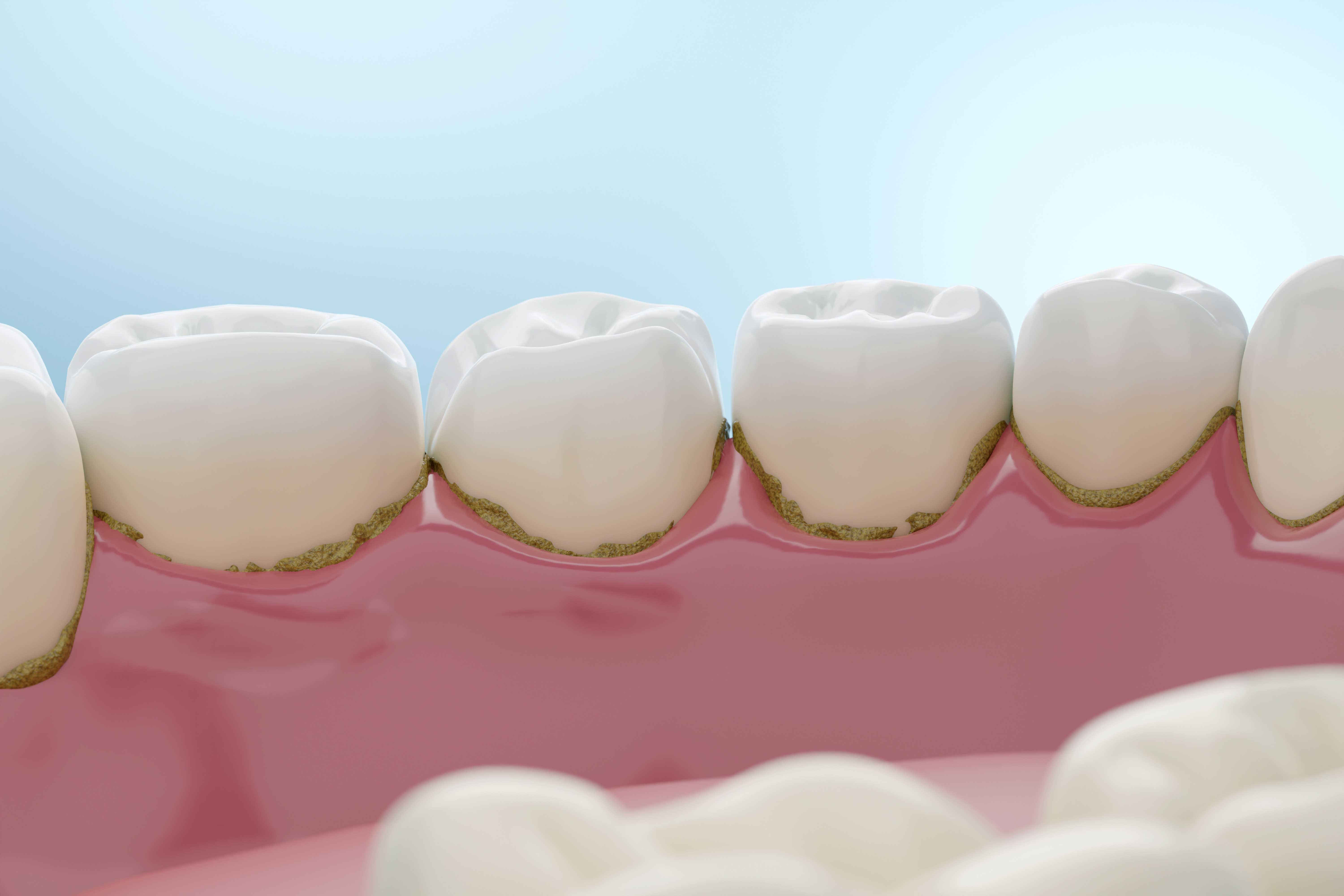
Dental plaque is a sticky, colorless, or pale-yellow film of bacteria that forms on your teeth.
Plaque can lead to bigger problems in your mouth by:
- Bacteria forming plaque produce acids that can demineralize the protective enamel on your teeth.
- Accumulating to form tartar, which can lead to gum disease, including gingivitis and periodontitis.
Thankfully, you can remove plaque and prevent it from hardening into tartar by maintaining a good oral hygiene routine. Tartar, on the other hand, can only be removed safely and effectively by a dental professional.
Keep reading to learn what causes dental plaque, so you have a better idea of how to prevent it.
What Causes Dental Plaque?

Bacteria
A variety of species of bacteria live in your mouth and can cause dental plaque. When bacteria interacts with the foods you eat and the saliva in your mouth, it creates a soft, sticky film that we call plaque.
You can never remove the biofilm completely — oral biofilms are physiologically and structurally organized groups of microbial communities naturally present in the mouth — but you can brush, floss, and rinse away the byproducts of that bacteria for better oral health.
Sugary, Starchy Foods
Another major cause of dental plaque is the amount of sugary, starchy foods and beverages you eat and drink.
Examples include:
- Soft drinks
- Juice
- Candy
- Bread
- Pasta
- Potatoes
- Citrus fruits
- Tomatoes
- Coffee
- Tea
- Dried fruit
- Cheese
- Milk
- Ice Cream
When you consume these items, the bacteria in your mouth feed on the sugars and starches, creating the sticky film known as plaque.
Poor Oral Hygiene
Poor oral hygiene allows plaque to run rampant in your mouth, create tartar, and lead to gum diseases.
Brushing your teeth twice a day, flossing once a day, and rinsing with mouthwash is the best way to remove plaque, prevent new plaque from forming, and keep cavities, gingivitis, and other dental issues from becoming bigger issues.
However, even with a good oral hygiene routine, conditions in your mouth may contribute to plaque formation.
Dry Mouth
Saliva helps wash away food particles and neutralize the acids in your mouth that can lead to plaque formation and tooth decay. A lack of saliva — a condition known as dry mouth —increases the risk of plaque buildup.
Symptoms include:
- Stickiness in your mouth
- Thick saliva
- Difficulty chewing and swallowing
- Burning or tingling in your mouth
- Dry lips
- Bad breath
Dry mouth is a medical condition, so talk to a doctor or dentist about possible treatments. In the meantime, try rinsing with a mouthwash specifically designed for dry mouth, like Oral-B Dry Mouth Oral Rinse, for symptom relief. Be sure to follow the product's usage directions.
Smoking and Chewing Tobacco
In addition to medical conditions, lifestyle choices can contribute to plaque buildup.
For example, smoking and chewing tobacco impairs your body’s ability to fight infection, reduces blood flow to the gums, and hinders tissue repair. This impairment weakens your mouth's immune response, making your gums more susceptible to the inflammation and disease caused by plaque.
How to Remove Plaque and Prevent Plaque Buildup

Now that you know causes and symptoms, you can tackle plaque head on. Keep reading for some of the best ways to maintain your oral hygiene.
Brush Your Teeth with an Electric Toothbrush
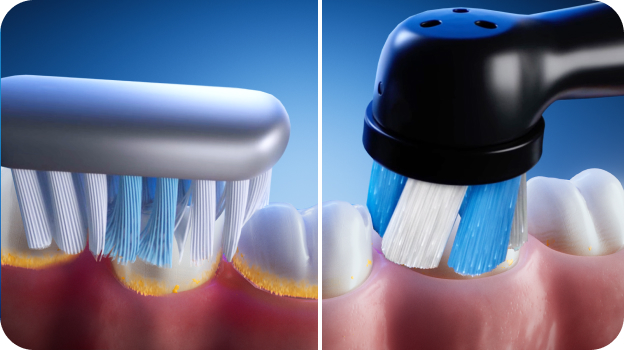
One of the best ways to prevent plaque buildup is to brush your teeth with an electric toothbrush.
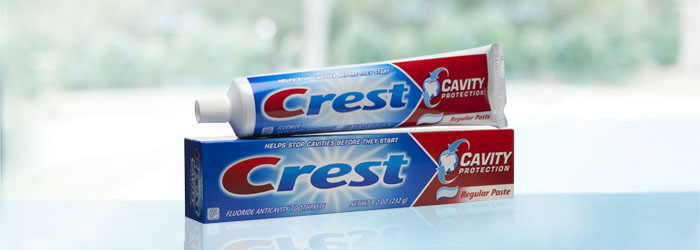
Remember to brush twice a day for at least two minutes each time, and use a toothpaste made with stannous fluoride, such as those in the Crest Pro-Health family.
Floss Daily
In addition to brushing, flossing at least once a day can help remove food and plaque from between your teeth.
Use an Antibacterial Mouthwash
To top off your good oral hygiene routine, rinse with an antibacterial mouthwash, like Crest Pro-Health Multi-Protection Mouthwash, to kill plaque-causing bacteria in hard-to-reach areas.
Maintain a Healthy Diet
Maintaining a healthy diet helps prevent plaque bacteria from accumulating in your mouth. Limit sugary, starchy foods, and eat a good balance of fruits, vegetables, whole grains, and protein.
Get Regular Professional Cleanings and Checkups

As we've covered, you can do a lot of things at home to prevent plaque buildup in your mouth. But as diligent as you are with your oral care routine, you can never remove all of the plaque in your mouth and inevitably some tartar buildup forms over time which cannot be removed by you at home.
For that, you'll need to visit a dentist for a professional cleaning. See your dentist at least twice a year for a cleaning and checkup to make sure you're not suffering from any underlying issues.
Say Goodbye to Dental Plaque with Oral-B

Plaque is the beginning stage of many dental issues. The good news is with the right oral hygiene routine, you can remove plaque from your teeth and prevent it from developing into tartar and causing cavities, gingivitis, and other problems.
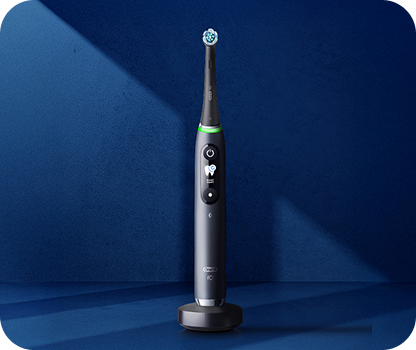
The best way to remove plaque is with an electric toothbrush, like those from the Oral-B iO Series. The iO Series delivers a gentle yet effective clean and features an interactive color display, smart modes, and a smart pressure sensor to help you brush better.
An Oral-B iO electric brush combined with a stannous fluoride toothpaste like Crest Pro-Health, antibacterial mouthwash like Crest Pro-Health Multi-Protection Mouthwash, and a good flossing routine using Oral-B Glide can prevent plaque buildup and deliver a professional clean feeling every day.
FAQs
-
Can I scrape off plaque at home?
-
How long does plaque take to harden into tartar?
-
Why do I still get plaque even though I brush and floss consistently?
Sources
- https://www.ncbi.nlm.nih.gov/books/NBK8259/
- https://www.nidcr.nih.gov/health-info/gum-disease
- https://my.clevelandclinic.org/health/diseases/25102-tartar
- https://pmc.ncbi.nlm.nih.gov/articles/PMC3652371/
- Ferrari Peron, P., et al. (2025). A Randomized Crossover Trial Assessing Plaque Regrowth Dynamics in Adults With Use of an Oscillating-Rotating Electric Toothbrush Versus a Manual Toothbrush Measured by Digital Plaque Image Analysis. Clinical and Experimental Dental Research, 11(3), e70158. https://doi.org/10.1002/cre2.70158
- He, T., et al. (2022). Novel findings on anti-plaque effects of stannous fluoride. American Journal of Dentistry, 35(6), 297–307. https://pubmed.ncbi.nlm.nih.gov/36508185/
- Terézhalmy, G. T., et al. (2008). Plaque-removal efficacy of four types of dental floss. Journal of Periodontology, 79(2), 245–251. https://doi.org/10.1902/jop.2008.070345
- Xie, S., et al. (2024). Stannous fluoride forms aggregates between outer and inner membranes leading to membrane rupture of Porphyromonas gingivalis and Prevotella pallens. Frontiers in Oral Health, 5, 1427008. https://doi.org/10.3389/froh.2024.1427008
- Zou, Y., et al. (2024). A meta-analysis comparing toothbrush technologies on gingivitis and plaque. International Dental Journal, 74(1), 146-156. https://doi.org/10.1016/j.identj.2023.06.009
Table of Contents
- What Is Dental Plaque?
- What Causes Dental Plaque?
- How to Remove Plaque and Prevent Plaque Buildup
-
- FAQs
- Sources
Sign Up
for oral care tips, expert advise, and exclusive offers.
Sign Up
for oral care tips, expert advise, and exclusive offers.