Transient Lingual Papillitis (Lie Bumps): Causes, Symptoms and Treatment

Summary
Transient lingual papillitis occurs when papillae, the bumps on your tongue that contain your taste buds and temperature receptors, are irritated. We do not know exactly what causes lie bumps, but there are several risk factors associated with the condition.
In this article, we will discuss the most common causes associated with lie bumps, how the condition is diagnosed, and when you may need to seek medical attention for transient lingual papillitis.
Key Takeaways
- Takeaway #1: Transient lingual papillitis is a common condition that affects the papillae on the tongue.
- Takeaway #2: There are several types of transient lingual papillitis, each with its own unique set of symptoms.
- Takeaway #3: Most cases of transient lingual papillitis will not require a trip to the doctor but seek medical attention if lie bumps are especially painful or last over a week.
Table of Contents

This blog has been reviewed and approved by Dr Robert Lee, a dental professional of 35 years
LEARN MORE >Key Takeaways
What is Transient Lingual Papillitis (Lie Bumps)
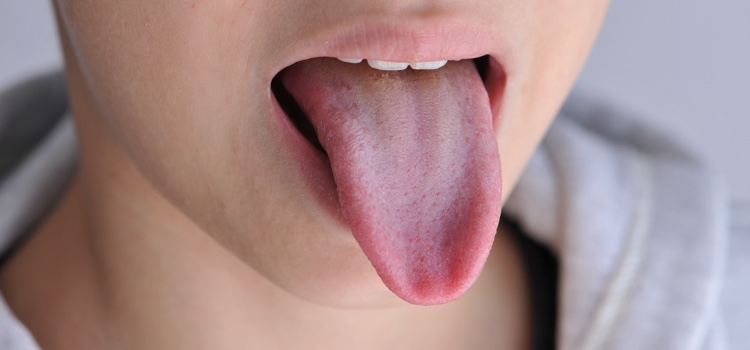
Transient lingual papillitis is the name given to small, pimple-like bumps that form on the tongue when the papillae are irritated.
Papillae are bumps that cover the tongue and house your taste buds. Several habits, foods, and illnesses can irritate our papillae, and when this happens, they swell up into noticeable and painful bumps. These bumps can be painful but will tend to clear up on their own within a few days and without the need for medical treatment.
The condition became colloquially known as lie bumps due to an old folk tale which said that telling lies would cause the condition – thankfully, this isn't true!
Causes of Lie Bumps
Despite the commonality of the condition, doctors are still not sure exactly what causes lie bumps. Certain risk factors are linked to the onset of transient lingual papillitis, including:
- Stress and fatigue
- Oral trauma
- Allergic reactions
- Poor oral hygiene
- Smoking
- Hormonal fluctuations (including periods and menopause)
- Poor nutrition
In addition to these factors, several viral and bacterial conditions are linked to the onset of transient lingual papillitis, including COVID-19, oral herpes, and strep throat. Atopic conditions like eczema, asthma, and hay fever have also been cited as what causes lie bumps.
The condition is common, with some studies estimating it affects over 50% of the population at some point. Among the most commonly affected people are young women and young children, particularly those in group settings like daycare or preschool.
Bumps toward the back of the tongue can occur, and some people may experience them more often than others.

Symptoms of Lie Bumps
Symptoms of transient lingual papillitis will differ depending on the version of the condition that you have. Common symptoms shared across types of lie bumps include:
- Small, pimple-like bumps on the tongue
- Pain on the tongue
- A burning sensation on the tongue
Types of Transient Lingual Papillitis
Symptoms of lingual papillitis will differ depending on the variant of the condition that you have. Lingual papillitis is categorized into the following types:
Classic / Localized Lingual Papillitis:
Classic, or localized, transient lingual papillitis is the most common variant of the condition. When suffering from this type of lie bumps, inflamed papillae are only located on a singular area of the tongue. Other symptoms include:
- Burning or itching on the tongue
- Pain when eating
- A dry mouth
- Painful yellow or white bumps on the tongue
- A change in taste
Eruptive Lingual Papillitis:
Eruptive lingual papillitis is a slightly less common variant of lie bumps that will typically affect children. Unlike classic lingual papillitis, eruptive lingual papillitis can be contagious, so close contact with someone suffering should be avoided. It is also prone to recurrence in the months following a bout. Symptoms include:
- A fever
- Swollen lymph nodes
- Painful bumps on the tongue which can look like spots filled with pus
- Excess saliva and angular cheilitis (cracked corners of the mouth)
- Pain when eating

Diagnosing Lie Bumps
In most cases, lie bumps will not require a trip to the doctor, but if you do visit a medical professional the condition will be fairly easy to diagnose.
A doctor will typically ask about your symptoms, examine your mouth and tongue, and check your lymph nodes for swelling. If they have concerns about the underlying cause of your transient lingual papillitis, they may take a mucosal biopsy or perform more thorough tests.
Several more serious conditions can mimic the symptoms of lie bumps, and any further tests your doctor conducts will be to rule out the presence of these diseases. Conditions doctors may check for include giant cell fibroma, pyogenic granuloma, and scarlet fever.
Treatment for Lie Bumps
In most cases, transient lingual papillitis will clear up on its own without the need for any medical treatment. There is no cure for lie bumps, but if you visit a doctor, they may recommend transient lingual papillitis treatments that assist the healing process and reduce discomfort. These include:
- Using OTC pain medication
- Cleaning your mouth with a saline or antimicrobial rinse
- Avoiding food triggers, including spicy or acidic food
- Eating or drinking cold things
Sadly, if you are wondering 'how to get rid of lie bumps on your tongue fast' you may be disappointed, but by avoiding food triggers and taking care to keep your mouth clean, the condition should clear up within around a week.
When Should I See a Doctor?
Although lie bumps are generally not a serious condition, there are instances where it is worth visiting your doctor. You should seek medical attention if:
- Lie bumps persist for over a week
- Lie bumps recur regularly
- You experience severe pain
- Bumps bleed when touched
Achieve Better Oral Health
Lie bumps can be uncomfortable, but with the right care, they often clear up on their own without needing medical attention. When dealing with this condition, maintaining a clean mouth is crucial, and Oral-B is here to support you every step of the way.
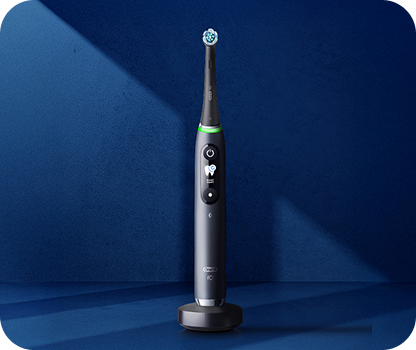
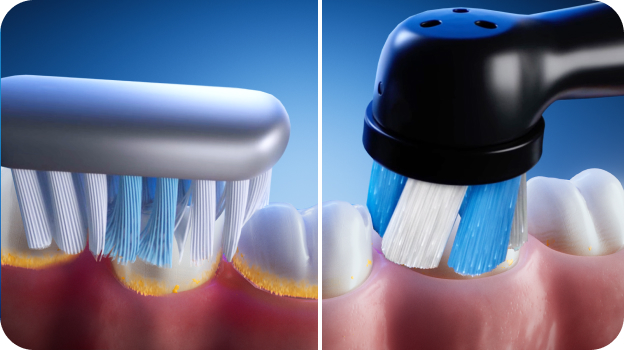
The Oral-B iO Series electric toothbrushes are provide an effective clean, especially when your mouth is sensitive. Equipped with advanced iO technology, the iO Series is designed for gentle cleaning, including in hard-to-reach areas.
While daily care is essential, remember that regular dental checkups are key for monitoring your overall oral health and catching any concerns early. With Oral-B and the iO Series, you can confidently maintain your oral health and smile.
FAQs
-
Are lie bumps contagious?
-
How long do lie bumps last?
-
Can children get lie bumps?
-
Can I prevent lie bumps?
Sources
- https://dermnetnz.org/topics/transient-lingual-papillitis
- https://www.verywellhealth.com/transient-lingual-papillitis-4788309
- https://www.medicalnewstoday.com/ articles/320275
- https://www.healthline.com/health/lie-bumps
- https://my.clevelandclinic.org/health/ diseases/transient-lingual-papillitis-lie-bumps
- https://www.medicinaoral.com/ medoralfree01/aop/53283.pdf
- Grender, J., et al. (2022). A 12-Week Randomized Controlled Trial Comparing a Novel Electric Toothbrush With an Extra Gentle Brush Head to a Manual Toothbrush for Plaque and Gingivitis Reduction. Compendium of Continuing Education in Dentistry (Jamesburg, N.J. : 1995), 43(3), f20–f29.
- Zou, Y., et al. (2024). A meta-analysis comparing toothbrush technologies on gingivitis and plaque. International Dental Journal, 74(1), 146-156.
https://doi.org/10.1016/j.identj.2023.06.009
Table of Contents
- What is Transient Lingual Papillitis (Lie Bumps)
- Causes of Lie Bumps
- Symptoms of Lie Bumps
- Types of Transient Lingual Papillitis
- Diagnosing Lie Bumps
- Treatment for Lie Bumps
- Achieve Better Oral Health
-
- FAQs
- Sources

This blog has been reviewed and approved by Dr Robert Lee, a dental professional of 35 years
LEARN MORE >
Sign Up
for expert advice and exclusive offers
Sign Up
for expert advice and exclusive offers