Yellow Tongue: Causes, Symptoms, & Treatment

Young girl being examined by female dentist.
Last Updated : August 7, 2025

Summary

Tongue discoloration is common and is often related to a benign, temporary issue such as poor oral hygiene or tobacco use. A yellow tongue often occurs when dead skin cells build up on the tongue's surface, where they can trap bacteria or pigments.

Less commonly, a yellow tongue may occur along with an underlying medical condition, including jaundice or certain autoimmune conditions.

In this article, we'll cover common causes of a yellow-coated tongue, symptoms that may occur with it, and when to seek medical or dental care.

Key Takeaways

  • Takeaway #1: Yellow tongue is common and is often related to a buildup of bacteria, debris, and dead skin cells on the tongue.
  • Takeaway #2: Yellow tongue can have several causes, including food and drink, tobacco use, dry mouth, poor oral hygiene, and conditions such as black hairy tongue.
  • Takeaway #3: Most cases improve with better oral hygiene and other self-care measures, but you should seek medical care if you also have symptoms such as yellowing of the skin or eyes, pain, fever, or persistent discoloration.

Table of Contents

drlee-image

This blog has been reviewed and approved by Dr Robert Lee, a dental professional of 35 years

LEARN MORE >

Key Takeaways


What is Yellow Tongue?

Yellow tongue is a yellow discoloration or coating on the tongue. Its exact appearance depends on the cause, but in many cases it appears as a yellow coating on the top surface of the tongue, often toward the center. This can happen when the papillae on your tongue do not shed dead skin cells normally. That buildup can then be stained yellow by bacteria, food, or tobacco.

A yellow tongue may also be patchier and more spread across the mouth; this tends to be due to a yeast infection. You may also notice yellow, stain-like patches within your mouth, and this can occur due to medications, drugs, or food.

In some cases, the discoloration may appear patchy or extend to other areas of the mouth. Depending on the cause, you may also notice patches, a coated feeling, or other color changes. For example, some medications, foods, or tobacco can stain the tongue, while oral thrush more often causes creamy white patches that can sometimes look yellowish.

Woman with good oral health smiling using a tongue scraper.

Yellow Tongue Causes

Wondering why your tongue is yellow? A number of factors could be the cause. Here are the most common ones to consider:

  • Poor Oral Hygiene:

  • Not brushing your teeth regularly can contribute to the buildup of debris, dead skin cells, and bacteria in the mouth. When this buildup collects on the tongue and is not removed with routine oral hygiene, it can lead to discoloration and a yellow tongue.

    Bacteria themselves are capable of releasing pigments that cause a yellow coated tongue, and certain foods can also stain particles on the tongue, causing them to turn yellow.

  • Tobacco Use:

  • Regular users of tobacco will be familiar with its yellow staining effects but may not know that they are not limited to fingernails and furniture in the home. Certain chemicals in tobacco are capable of causing a yellow tongue and also increase your risk of contracting black hairy tongue.

  • Diet:

  • A yellow tongue can sometimes be related to diet. While not permanent, certain foods and drinks can stain your tongue and mouth yellow. Tea and coffee are common culprits, but some dyed foods and vitamin supplements can also lead to a yellow tongue.

  • Mouth Breathing:

  • Mouth breathing can lead to an absence of saliva in your mouth, and when this happens, bacteria can build up more easily. These buildups can contribute to discoloration around the mouth and a yellow tongue.

  • Black Hairy Tongue:

  • Our tongues are covered in tiny bumps called papillae, and these cells should shed over time. Sometimes, however, these cells do not shed and simply grow longer and longer, resulting in a hair-like appearance and the condition known as black hairy tongue.

    Unlike its name suggests, black hairy tongue does not just turn your tongue black, and due to the buildup of bacteria in longer, harder-to-clean papillae, it may result in a yellow tongue.

  • Geographic Tongue:

  • Geographic tongue is a condition in which the tongue has smooth areas where papillae are missing. The exact cause is not fully understood. It can lead to smooth, red patches with lighter-colored or yellowish borders.

  • Medication and Drug Use:

  • Several medications and drugs are capable of causing a yellow tongue:

    • Antibiotics can disrupt the balance of bacteria in your mouth, which can lead to an overgrowth of yeast (oral thrush), sometimes presenting with a yellowish coating.
    • Medications containing bismuth can cause a range of tongue discoloration, including black and yellow coated tongues.
    • Some other medications and supplements, such as iron supplements, may also contribute to tongue discoloration in some people.

    If your tongue turns yellow after beginning a new medication, consult your doctor to see if a yellow tongue is a potential side effect of the drug.

  • Jaundice:

  • In uncommon cases, a yellow tongue—particularly the underside—can be a sign of jaundice. Jaundice is a condition that causes the skin and the whites of a person's eyes to turn yellow due to a buildup of a chemical called bilirubin.

    What causes jaundice varies, but it can be an indication of diseases including cirrhosis, hepatitis, pancreatic or liver cancer, and problems in the bile duct. If you believe you have jaundice, you should seek medical attention immediately.

  • Autoimmune Conditions:

  • Some autoimmune conditions, including psoriasis, can cause a yellow tongue. Psoriasis causes flaky skin around the body and can (in rare cases) affect the tongue too, manifesting in yellow or red patches.

Dentist examining male patient's teeth at dental clinic

Symptoms of Yellow Tongue

Generally speaking, a yellow tongue will be a symptom of another condition, rather than having symptoms itself. You may find that certain symptoms accompany your yellow tongue, these include:

  • Bad breath and a bad taste in the mouth
  • Tingling and burning on the tongue
  • A dry or sore mouth
  • A fever
  • A sore throat
  • White patches in the mouth
  • A change in taste

If you notice any jaundice symptoms, including a yellowing of the skin, dark urine, fatigue, or vomiting, contact your doctor immediately. You should also visit a doctor if symptoms worsen for no apparent reason, you notice any symptoms of black hairy tongue, or your yellow tongue persists despite lifestyle changes.

Woman flossing her teeth

Yellow Tongue Treatment and Diagnosis

A yellow tongue is diagnosed by a simple oral examination. Once this has been performed, a doctor will perform other necessary tests to determine the cause of the condition.

Yellow tongue treatment is typically dependent on the cause of the condition, but your doctor or dentist is likely to recommend an improved oral hygiene routine regardless. Tongue scraping, brushing your teeth twice a day, and flossing regularly will all help remove bacterial buildups and prevent them from recurring in future and causing a yellow tongue.

Other yellow tongue treatments a doctor may recommend include:

  • Products or treatments to help manage dry mouth, if low saliva is contributing
  • Treatment for the underlying condition causing jaundice (such as liver disease)
  • A change in prescription, if medication is believed to be the cause of your yellow tongue
  • Support for quitting tobacco, if smoking or chewing tobacco is contributing

How to Prevent Yellow Tongue

In order to prevent yellow tongue, or a recurrence of it, there are several lifestyle changes you can implement, including:

  • Limiting your intake of foods that stain the mouth (tea, coffee, dyed yellow foods)
  • Improving your oral hygiene routine with fluoride toothpaste or a tongue scraper
  • Increasing your intake of fiber-rich foods as part of a balanced diet
  • Regularly visiting the dentist for oral health check-ups and advice
  • Quitting smoking or chewing tobacco

If, despite these changes, you still have a yellow tongue, contact your doctor as a more serious underlying condition may be causing your yellow tongue.

Protect Your Oral Health with Oral-B

Proper oral hygiene is always important, but when living with a yellow tongue, it becomes more pressing. Taking care of your mouth and tongue with trustworthy products can help keep it clean and healthy.

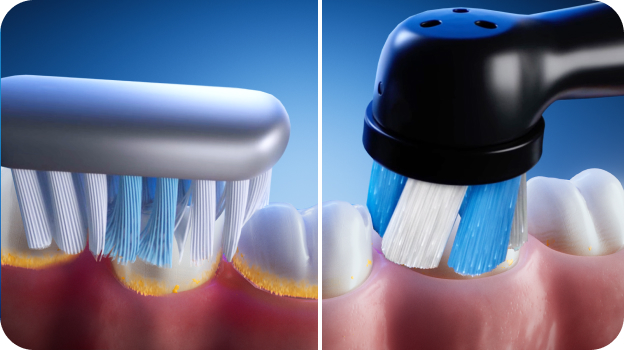
One option is an electric toothbrush such as the Oral-B iO9, which is designed to support thorough brushing. Its round brush head and micro-vibrations can help reduce plaque buildup as part of a consistent oral hygiene routine. If you prefer a gentler brushing experience, you can pair it with the iO Gentle Care Replacement Brush Heads.

For best results, combine effective brushing with regular flossing, tongue cleaning, and routine dental visits. Oral-B advocates for complete oral care, because a cleaner mouth means more confidence and better health.

FAQs

  • Is a yellow tongue serious?

  • When should I see a doctor about a yellow tongue?

  • Can poor oral hygiene cause a yellow tongue?

  • Can a yellow tongue be a sign of illness?

Sources

Table of Contents

  • What is Yellow Tongue?
  • Yellow Tongue Causes
  • Symptoms of Yellow Tongue
  • Yellow Tongue Treatment and Diagnosis
  • How to Prevent Yellow Tongue
  • Protect Your Oral Health with Oral-B

  • FAQs
  • Sources
drlee-image

This blog has been reviewed and approved by Dr Robert Lee, a dental professional of 35 years

LEARN MORE >

Related Products

1180|403