Understanding Re-Root Canal Therapy or Endodontic Retreatment

Dentist in mask filling the female patient's root canal.
Last Updated : February 4, 2026

Summary

Root canal therapy, or endodontic treatment, is a common dental procedure used to remove infected dental pulp from within a tooth and save it from extraction. Root canal treatment can last a lifetime with proper aftercare and no complications, but this is not always the case.

In cases where root canal therapy fails, you may need endodontic retreatment. Again, this process aims to save the tooth from extraction. It is largely the same as the initial root canal therapy, but there can be some differences during the procedure and recovery period.

In this article, we discuss the reasons you may need endodontic retreatment, how to recognize the signs that a root canal has failed, and the best recovery tips for life after re-root canal therapy.

Key Takeaways

  • Takeaway #1: Endodontic retreatment addresses a failed root canal by removing the original filling material, cleaning and disinfecting the canal system, and resealing the tooth.
  • Takeaway #2: The procedure is largely the same as an initial root canal. The tooth is opened, the old root canal filling and any remaining pulp are removed, and the tooth is disinfected.
  • Takeaway #3: Good oral hygiene and regular dental follow-up can support healing and help reduce the risk of future complications after treatment.

Table of Contents

drlee-image

This blog has been reviewed and approved by Dr Robert Lee, a dental professional of 35 years

LEARN MORE >

Key Takeaways


What is a Root Canal?

Root canal treatment is used to remove infected pulp from within a tooth. Dental pulp, which contains the nerves and blood vessels in our teeth, can become infected when bacteria enter the innermost part of the tooth. This typically happens because of deep decay (a cavity), a crack or chip in the tooth, or trauma.

Pulp is located in canals that stretch from the crown to the root of your tooth, and root canal treatment goes into these canals to remove infected pulp, disinfect the tooth, and re-seal it. In theory, a root canal will remove the infection, reduce the chance of it recurring, and save the tooth from needing to be extracted.

Understanding Tooth Structure

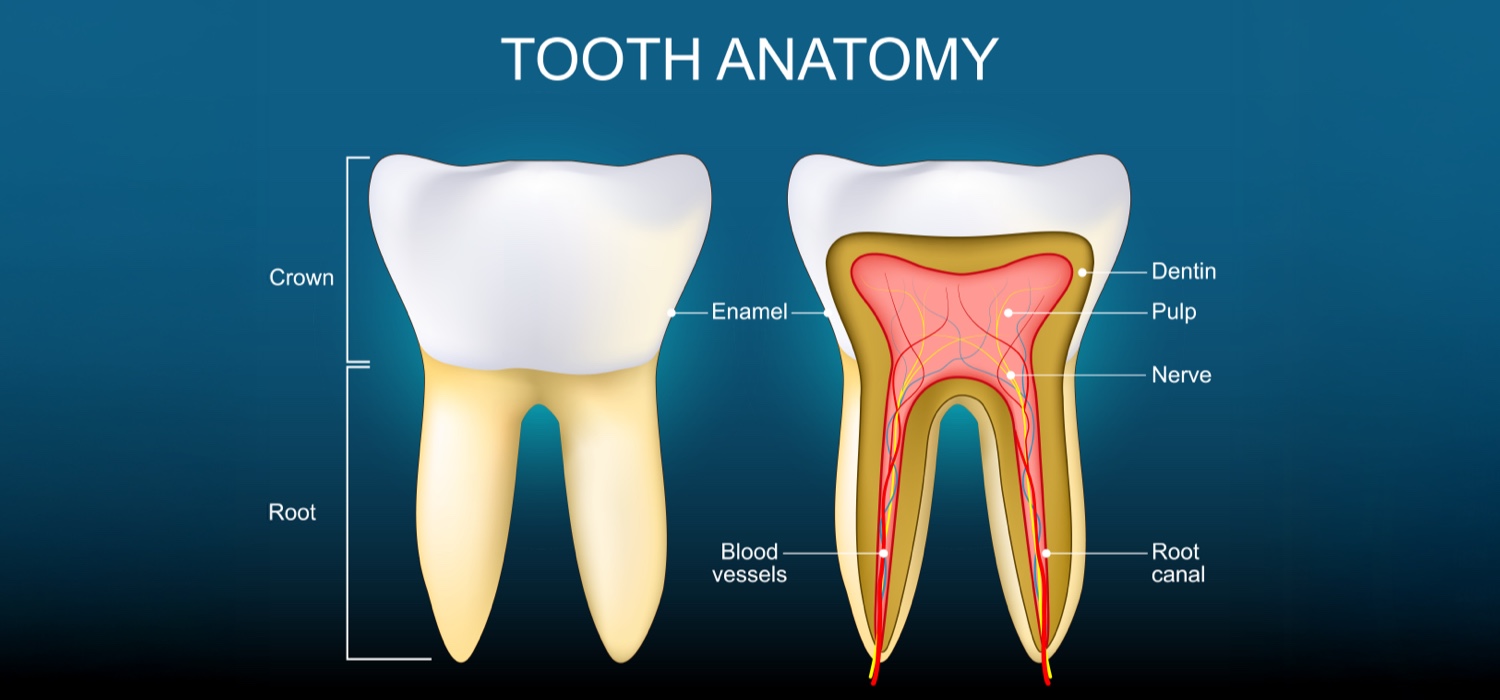
Before we discuss endodontics further, it is a good idea to familiarize yourself with tooth structure so you know which parts of your teeth the procedure will affect. The structure of a tooth can be broken down into 2 parts: the crown and the root:

  • The crown is the visible part of the tooth, above the gum line
  • The root is the tooth's anchor, which extends into the jaw and holds the tooth firmly in place.

Teeth also contain several other elements that support their structure:

  • Enamel: A hard substance that coats and protects the crown.
  • Cementum: A hard coating that protects the root.
  • Dentin: A sensitive layer of living tissue that is softer than enamel and forms most of the tooth's structure.
  • Dental pulp: The soft connective tissue within the tooth, made up of nerves and blood vessels.
Tooth anatomy diagram

What is Endodontic Retreatment

Root canal treatment is not always successful, and when it fails, re-root canal therapy, also called endodontic retreatment, may be needed.

Endodontic retreatment aims to undo the original root canal therapy by reopening the tooth, removing filling materials used to reseal it and properly disinfecting the inside of the tooth properly. After this, new filling materials are inserted, and the tooth is sealed again.

If retreatment works, your tooth should be saved from extraction and further infections, as the original root canal therapy intended.

When is Endodontic Retreatment Needed?

There are several reasons why a re-root canal therapy may be necessary, some more obvious than others:

  • Salivarycontamination If the root canal is not sealed properly after the procedure, or not adequately during it, bacteria from saliva can recontaminate the canals within the tooth and lead to infection.
  • Uncleaned canals: The canal systems within teeth are unique, and many people have narrow, curved, or hard-to-access accessory canals. When this is the case, a dentist may not sufficiently clean the tooth, leaving infected pulp inside.
  • New cavities: Unfortunately, teeth that have undergone root canal therapy can still get cavities. These cavities can cause infection and make retreatment necessary.
  • Broken/unfinished restoration: If the protective crown or filling placed after a root canal breaks, is delayed, or is not installed at all, bacteria can re-enter the tooth and cause a new infection.

Because some of these signs may be hard to spot, it may not always be immediately obvious when you need endodontic retreatment. If you experience pain when biting, a toothache, a gum boil, or a bad taste in your mouth after a root canal therapy, you should contact your dentist as these could be signs that you need retreatment

Dentist explaining endodontic retreatment to patient.

Endodontic Retreatment Procedure

The endodontic retreatment procedure will be largely the same as your initial root canal therapy, but instead of removing only tooth pulp, your dentist will remove the restorative materials (such as the crown and post) and the original root canal filling to regain access to the canals. Any remaining pulp will also be removed if necessary.

The re-root canal procedure can be broken down into several steps, these are:

  1. Examination: Before beginning any dental procedures, your dentist will examine the infected tooth using an X-ray and determine the cause and extent of damage within your tooth.
  2. Administration of anesthetic: Because root canal therapy can be painful, your dentist will administer a local anesthetic to help limit discomfort and pain.
  3. Accessing the tooth: The dental crown placed on top of your tooth during your previous root canal treatment may be removed so your dentist can access the root canals.
  4. Disinfection: The root canal filling material is removed by your dentist, along with any remaining pulp if needed. The tooth is then thoroughly examined using radiographs and disinfected.
  5. Resealing: The tooth's canals are refilled, typically with a material called gutta-percha, although this can vary. This helps prevent bacteria from building up within the tooth.
  6. Restoration: Finally, a new dental crown will be placed on the top of your tooth, sealing it completely.

Endodontic retreatment may not always be possible, especially if the canals within your teeth are particularly narrow or difficult to access. In cases where re-root canal therapy is not possible, your dentist may recommend endodontic surgery. The most common type of endodontic surgery is an apicoectomy, in which the dentist goes into the gum near the tooth root to remove the infected tissue.

Endodontic Retreatment Recovery

Recovery varies from person to person based on dental history and the procedure performed. Your dentist will give you tailored advice on how to recover. There are also a few general tips worth following after a root canal, including:

  • Avoid harsh tooth brushing on the affected tooth.
  • Contact your dentist if you feel severe pain or see any discharge from the site of the procedure.
  • Avoid very hot, cold, or spicy foods for the first few days after a root canal therapy, as the tooth and gum are likely to be sensitive.

To manage discomfort during recovery, follow your dentist's instructions. Mild soreness for a few days is common, and over-the-counter pain relievers may help when used as directed and when appropriate for you.

When Is Endodontic Retreatment Not Appropriate?

Although endodontic retreatment can be an effective way to save a tooth from extraction, there are instances where re-root canal therapy is not appropriate:

  • Large cracks. A cracked tooth is a common reason for infections of root canals. When there is a large fracture in the root, however, a root canal or re-root canal is not always possible as the integrity of the tooth is too low and re-sealing it may be impossible.
  • Compromised tooth health: If the affected tooth is damaged past a certain point, it is unlikely that your dentist will advise a re-root canal.
  • Calcified tooth canals: Canals within the tooth can become calcified and impossible to access, meaning a root canal cannot be performed.

Effectiveness of Endodontic Retreatment

Endodontic retreatment is regarded generally regarded as successful by many professionals, and some published estimates report long-term success rates high as 88%.

When recovering from the procedure, good oral care and regular dental follow-up are important. Keeping your teeth and mouth as clean as possible can support healing and may help reduce the risk of future complications.

Make sure to attend dental checkups regularly, and at the sign of intense pain, discharge, or excess swelling, contact your dentist immediately. Though it is not the only reason a re-root canal therapy can fail, poor oral hygiene can lead to infections and potentially the need for tooth extraction.

Elevate Your Post-Treatment Care

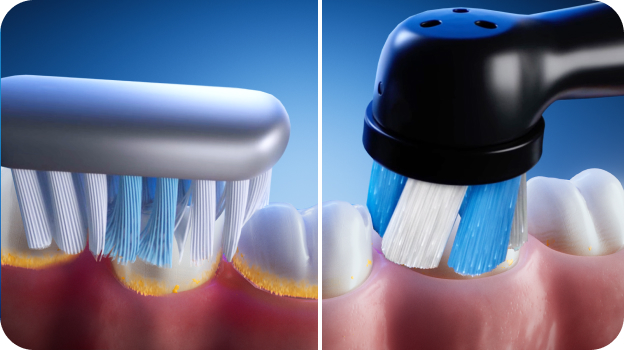
After endodontic retreatment, maintaining good oral hygiene is more important than ever. A consistent, gentle, and effective oral care routine helps support healing and protects against future complications.

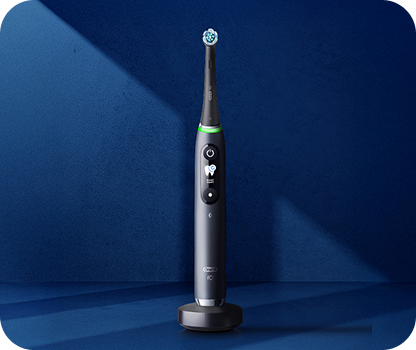
That's why Oral-B is committed to promoting the value of daily oral care, and the Oral-B iO Series of electric toothbrushes helps support that routine. The iO Series is designed to support effective daily cleaning and can help users stay on track with consistent brushing habits through real-time feedback and intelligent features.

But good oral health doesn't stop at home-regular dental checkups remain essential to monitor progress and catch any issues early. By combining visits to your dentist and dental hygienist with an elevated brushing experience from the Oral-B iO Series, you're giving your mouth the best support possible, every day.

FAQs

  • Is a re-root canal painful?

  • How successful is endodontic retreatment?

  • How does oral hygiene affect the success of a re-root canal therapy?

  • When should I see a dentist after a re-root canal therapy?

Sources

Table of Contents

  • What is a Root Canal?
  • Understanding Tooth Structure
  • What is Endodontic Retreatment
  • When is Endodontic Retreatment Needed?
  • Endodontic Retreatment Procedure
  • Endodontic Retreatment Recovery
  • Elevate Your Post-Treatment Care

  • FAQs
  • Sources
drlee-image

This blog has been reviewed and approved by Dr Robert Lee, a dental professional of 35 years

LEARN MORE >

Related Products

1180|410