
Kids Oral Care - Dental Hygiene Tips for Kids
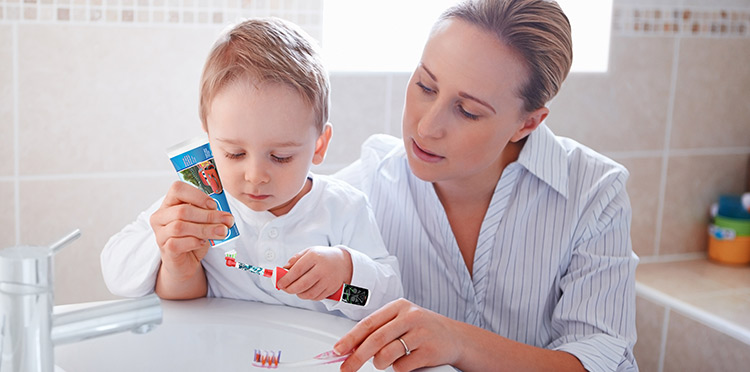
Table of Contents
Why Brushing Is Important for Children
Brushing a child’s teeth is important for many reasons. Primary teeth keep your child’s jaw straight, hold the space for adult teeth, and play an important role in how children learn to chew, smile, and talk. Having healthy teeth will also help with confidence and participation in their education and social life. Establishing good oral health habits early on will help encourage lifelong patterns.
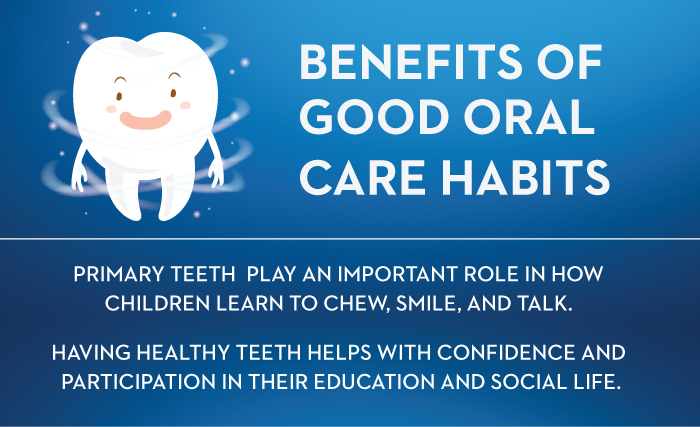
If your child’s teeth decay and have to be removed, it can cause other teeth to move, reducing space for adult teeth to come in. If poor oral habits continue, it’s much more likely that their adult teeth will decay.
When to Start Proper Oral Hygiene for Kids
Many parents want to know: At what age should I brush and floss my child’s teeth? A good rule is to start flossing as soon as the child has teeth that are in contact with each other, usually around age two to three years. Once teeth reach this point, food particles can get caught between them and foster the growth of bacteria and the development of plaque. Not all children need to have their teeth flossed at this age, so ask your dentist for advice.
How to Brush Baby's Teeth
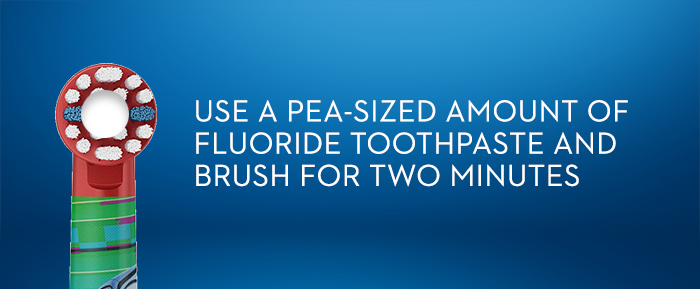
And good oral care starts before teeth appear. The AAP recommends that, after a feeding, parents wipe a baby’s gums with a soft washcloth or a baby toothbrush using water only (no toothpaste). You could also use a dentist-recommended cleanser. When a child’s first tooth appears, parents should brush their child’s teeth for two minutes twice a day and switch to a child-sized, soft-bristled toothbrush with a cushioned head, and a pea-sized dab of non-fluoridated toothpaste.
Stages of Child Development
Oral Care Tips Stage 1 (4-24 months)
To prevent the buildup of plaque, a soft, sticky bacteria containing deposits that accumulate on teeth and cause tooth decay, parents should begin by regularly cleaning their newborn baby’s gums with a damp washcloth after all feedings (breast or bottle).
- When a child’s first tooth appears, parents should brush their child’s teeth for two minutes twice a day and switch to a child-sized, soft-bristled toothbrush with a cushioned head, and a pea-sized dab of non-fluoridated toothpaste.
- Parents should ask their pediatrician about when their child should visit the dentist, but a good rule of thumb is: “First visit by first birthday.” Additional visits should be scheduled every six months to ensure proper tooth development.
Oral Care Tips Stage 2 (2-4 years)
Children two and older should use fluoridated toothpaste to help prevent decay as their teeth continue to develop. Once children reach two years of age, encourage them to brush their own teeth. Parents, however, should still follow up and brush them again to make sure they’re clean. If a child resists having his or her teeth brushed, parents need to get creative and make the process fun, like “looking for treasure behind the teeth.” And of course, using a themed brush with your child’s favorite cartoon characters can make brushing more enjoyable.
- Supervise your child’s brushing until good habits are established. It is recommended that you spend two minutes brushing teeth, focusing on the teeth that conduct most of the chewing, and back teeth, where cavities often first develop. I know that cleaning teeth may seem like a drag to some kids, so here are a few ideas to help make brushing fun for them: Use a toothbrush that is designed to appeal to a toddler who is learning to brush and whose baby teeth are growing in. This brush is designed to effectively reach all teeth, with its narrow head, simple bristle pattern and a Power Tip.
- Brush your teeth with your child to set a good example. This will help your child learn by watching and imitating you.
- For children two and older, parents need to be aware of the impact that nutrition and eating/drinking habits have on oral health as well as overall health. Parents can promote healthy habits by limiting sugary drinks, getting rid of the bottle and/or sippy cup and offering healthier meal and snack options.
Once your child is 3 years old, you can introduce an electric toothbrush to their daily oral care routine. In addition to electric toothbrushes like the award-winning Oral-B iO Series for adults, Oral-B makes a whole line of kids' electric toothbrushes with special features designed for children of 3+ years old. While they have similar brush movements and timers to their adult counterparts, Oral-B Stages Power electric toothbrushes are available in bright colors featuring their favorite ©Disney characters to make brushing more fun.
Oral Care Tips Stage 3 (5-7 years)
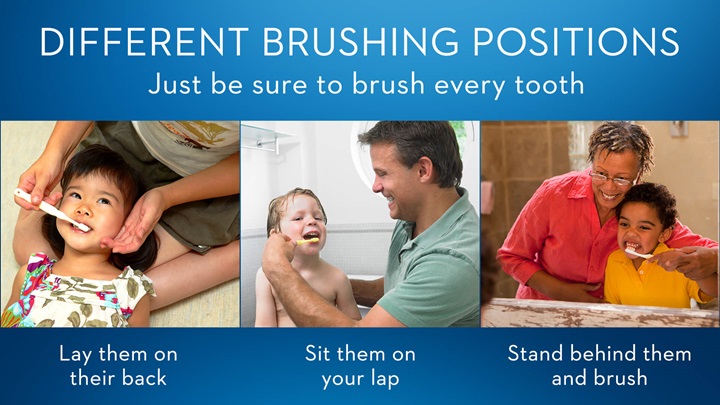
Although young children may think they can brush their teeth themselves, most children don’t have the manual dexterity for thorough teeth cleaning until they are about 7 years old. Until then, help your child brush and floss. Let them “do it themselves” first, and then follow up by helping them brush and floss again. Most young children thrive on regular schedules, so try making morning and evening tooth brushing and flossing a family event and do your own brushing and flossing at the same time. Children five and older are starting to get their permanent molars, so it’s important to use a fluoridated toothpaste and toothbrush.
Oral Care Tips Stage 4 (8+ years)
Once children start school, parents have less influence over their meals and snacks during the day. Set an example for your children by eating a variety of healthy foods yourself, and by following a consistent oral health care routine of twice-daily tooth brushing and daily flossing. You may think that children don’t notice, but they do. Pack plenty of fruits, vegetables and whole grain foods as healthy snacks, and keep the sugary drinks to a minimum—they are among the factors that can promote tooth decay. Children eight and older should use a fluoridated toothpaste and a toothbrush that is designed for a complex mixture of different-sized permanent and baby teeth.
Child Dental Care Tips
One of the best ways to prevent tooth decay in children is to get them enthusiastic about daily dental hygiene. After all, tooth brushing is probably not at the top of your child’s list of favorite things to do. But you can make it more acceptable—and even fun—by choosing a toothpaste and toothbrush that your child will like and will want to use.
Look for toothpaste with fluoride that’s child-friendly, with flavors and colors that appeal to kids. There are toothpaste choices more appropriate to adult needs as well, so many families find themselves using more than one type of toothpaste.
Knowing how to brush your teeth is just as important as the type of toothpaste you choose. Teach children the proper technique early to help encourage them to develop good oral health habits. Explaining how to brush your teeth doesn’t have to be complicated. Start with these simple steps to get kids off to a good start.
- Hold your toothbrush at a 45-degree angle against the gums.
- Move the brush back and forth gently, in short strokes, over the fronts, backs and tops of your teeth. Don’t scrub hard along the gum line; you can irritate your gums.
- Don’t forget to brush (and floss) behind your top front teeth and behind the bottom front teeth. (The area behind the bottom front teeth is prone to tartar buildup and needs attention.) Use the top bristles of the brush to reach this area—some toothbrushes have a slightly longer tip to make it easier to reach these spots.

Combat the Effects of Sugar on Your Kids’ Oral Care Routine
- Save treats like candy, cookies and pies for after mealtime, since this is when the amount of saliva produced in the mouth is greater and will therefore better help protect your child’s teeth.
- Dairy acts as a buffer to the acids produced by oral bacteria, decreasing the possibility of tooth decay. So consider serving your children milk or cheese with holiday candies and treats.
- Hard candy can get stuck between kids’ teeth, which can cause cavities. Flossing can help remove the candy particles. Try flossers adorned with your child’s favorite character to help make flossing fun.
- To help pace the amount of candy your child is consuming around holidays like Halloween and Easter, store excess candy in a sealed container and establish set times when your child can have a treat.
- Encourage children to drink more water to help prevent tooth decay. If you choose bottled water, check the label for fluoride content. According to the American Dental Association, fluoridated water can reduce the number of cavities children get in their baby teeth.
Table of Contents
- Why Brushing Is Important for Children
- When to Start Proper Oral Hygiene for Kids
- How to Brush Baby's Teeth
- Stages of Child Development
- Child Dental Care Tips
- Combat the Effects of Sugar on Your Kids’ Oral Care Routine
-
- Related Articles

Sign Up
for expert advice and exclusive offers
Related Articles



Sign Up
for expert advice and exclusive offers