How Often Should You Change Your Toothbrush?

Summary
Key Takeaways
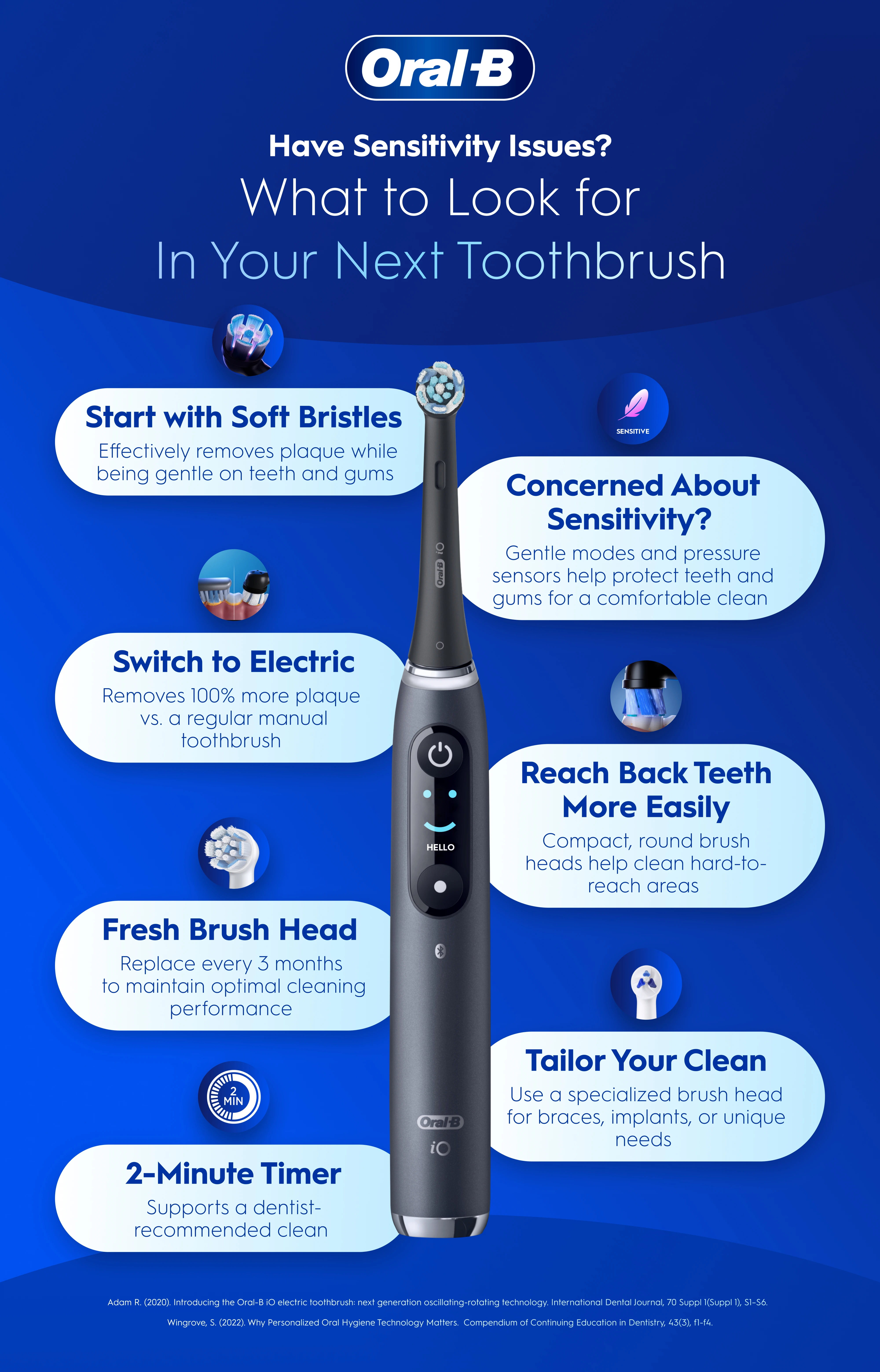
- Takeaway #1: Replace your toothbrush approximately every three to four months, or sooner if you notice frayed or worn bristles, discoloration, or a decrease in cleaning quality.
- Takeaway #2: Risks of not changing your toothbrush include plaque buildup, tooth decay, cavities, and gum disease.
- Takeaway #3: When choosing a toothbrush, look for one with soft bristles.You can choose a manual toothbrush or an electric one. Electric toothbrushes are clinically shown to offer a superior clean, thanks to their rotating and vibrating bristles.
Table of Contents
Key Takeaways
How Often Should You Change Your Toothbrush?
Let’s take a look at when you should change a manual toothbrush and an electric toothbrush head.
Manual Toothbrush
A manual toothbrush should be replaced about every three months or sooner depending on your brushing habits.
Electric Toothbrush
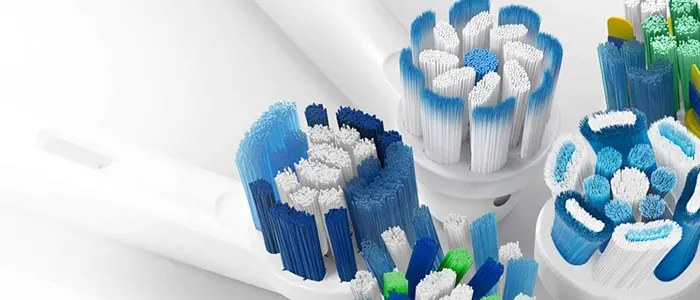
Electric toothbrushes should be replaced every three months as well — although you don’t have to replace the whole toothbrush, just the brush head.
With this timeline in mind, let’s learn when to swap your current toothbrush for a new one.
Signs It’s Time to Change Your Toothbrush
It’s important to examine your toothbrush often and look for signs that it’s time for a new one:
- Frayed Bristles:First, look at the bristles on your toothbrush. Frayed bristles will not clean your teeth well and can irritate your gums.
- Discoloration:Some toothbrushes, including many Oral-B replacement heads feature indicator bristles that change color or fade over time, which conveniently signals when your brush is ready to be replaced.
- Poor Cleaning:Lastly, if you’ve brushed like you should, but your teeth still don’t feel very clean, it’s time to swap out your toothbrush.
If you notice any or all of these signs, replace your toothbrush (or brush head for an electric toothbrush) as soon as possible.
What to Look for in a Toothbrush
Choosing the right toothbrush is an important part of your oral hygiene routine. Here are factors to consider when making your decision.
Size
Your toothbrush head should be small enough to effectively reach and clean every surface of every tooth. The handle should be comfortable and easy for you to hold.
Bristles
Be sure your toothbrush has soft bristles that will gently clean your hard and soft tissues.

Type
Toothbrushes can be manual or electric. Scientific evidence has shown that electric toothbrushes remove plaque more effectively than manual toothbrushes.
Manual
A manual brush is less expensive than an electric toothbrush and simple to replace. However, it will not have as many features and does not remove as much plaque as an electric version.
Electric
An electric toothbrush is usually a bit more expensive but will be more effective at cleaning your teeth.
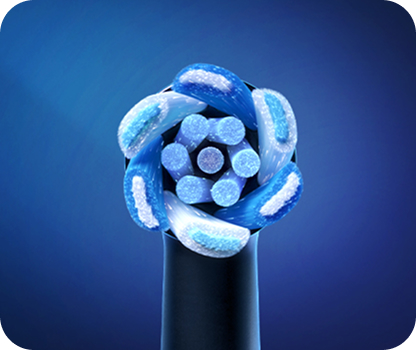
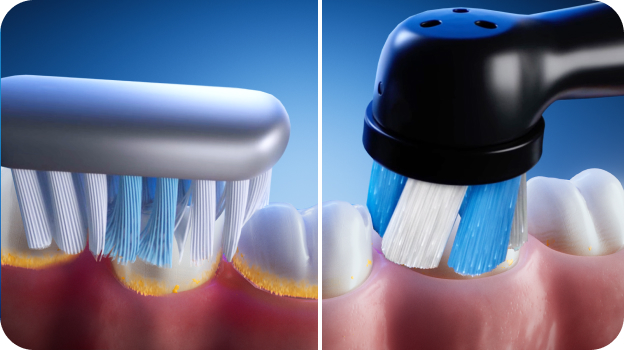
For example, electric toothbrushes are designed with vibrating or rotating bristles that help remove plaque more thoroughly compared to manual brushes. Many electric toothbrushes also have round brush heads that easily clean around and between each tooth.
Risks of Not Changing Your Toothbrush Properly

Wondering if you really have to change your toothbrush that often? Here are the risks of not doing so.
Plaque Buildup
As we mentioned above, if you don’t change your toothbrush when it is worn out, your teeth won’t get very clean. Plaque will build up on your teeth because you’re not removing it effectively each day.
Tooth Decay and Cavities
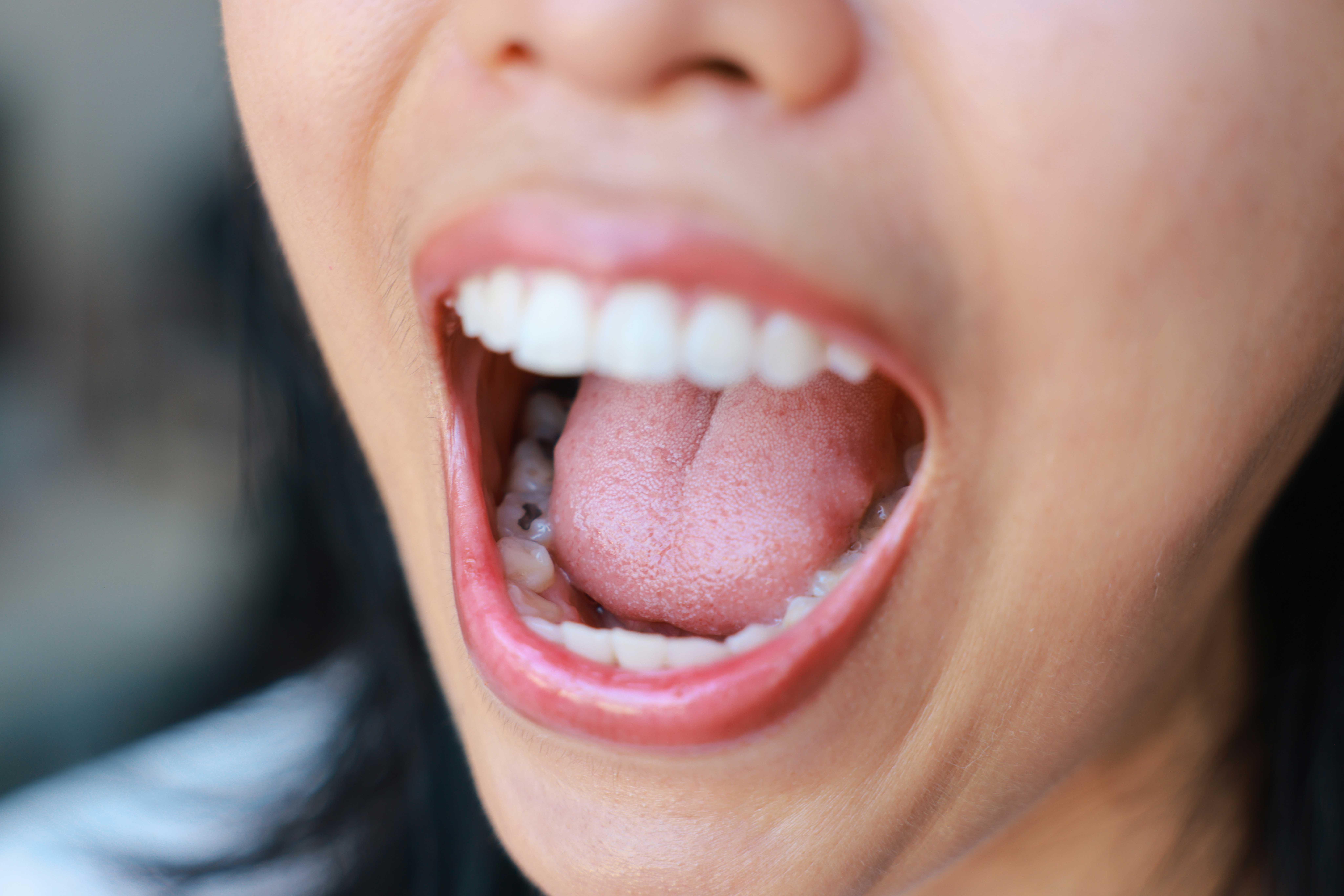
With all that plaque buildup, you’re at a greater risk for tooth decay and cavities.
Gum Disease
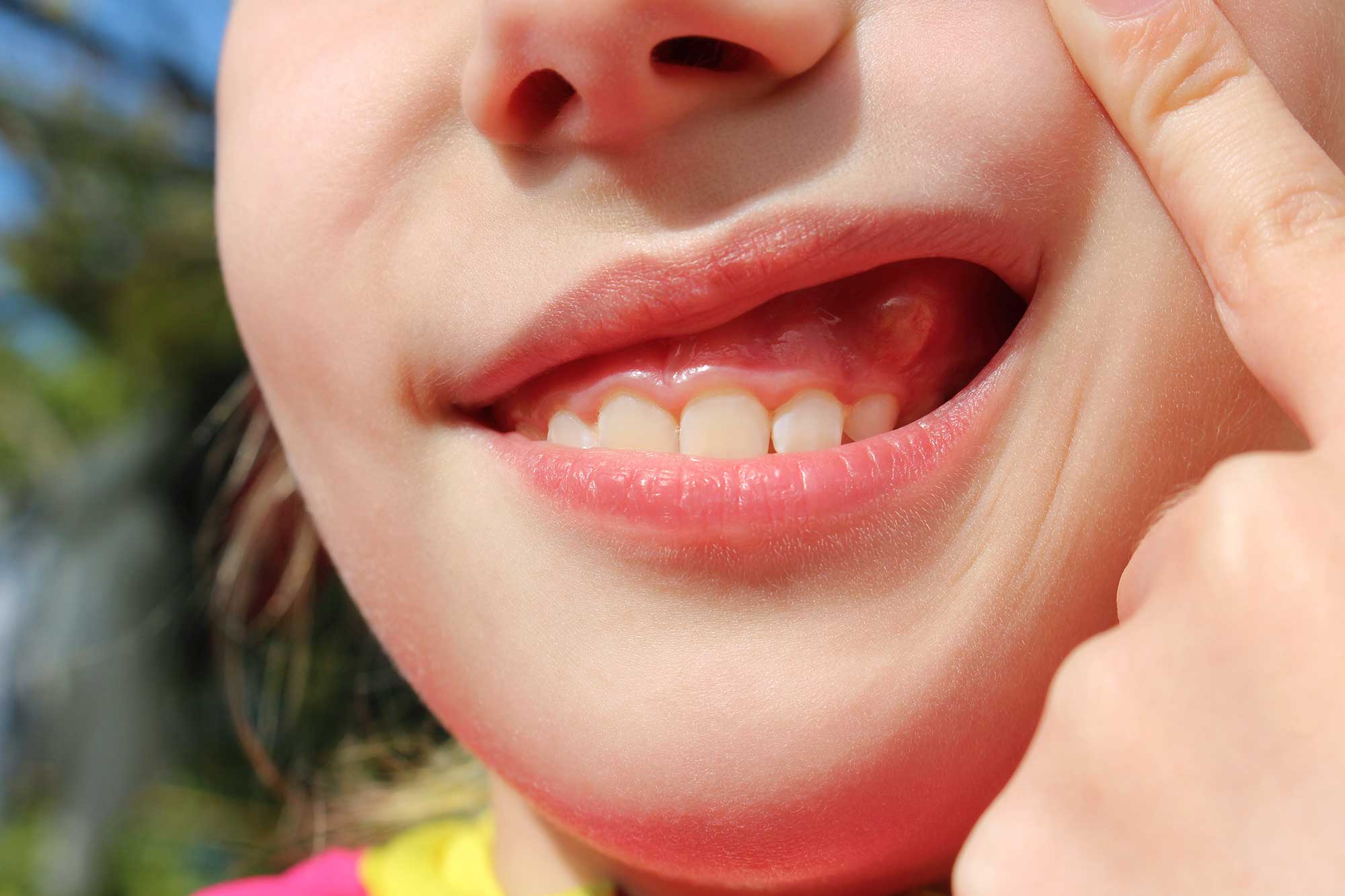
Extra plaque buildup increases your risk for gum disease. Although the earliest stage of gum disease, known as gingivitis, is often reversible with improved daily oral hygiene and a regular professional cleaning, once it progresses to more advanced stages like periodontitis, it can cause permanent damage to the bone and tissues supporting your teeth.
Tips for Keeping Up Your Oral Health
To improve overall oral health game and prevent the risks mentioned above, here are a few more tips:
Use a Fluorinated Toothpaste
Dentists suggest using toothpaste with fluoride because the mineral prevents tooth decay and cavities and helps remineralize enamel to strengthen teeth.
Watch Your Technique
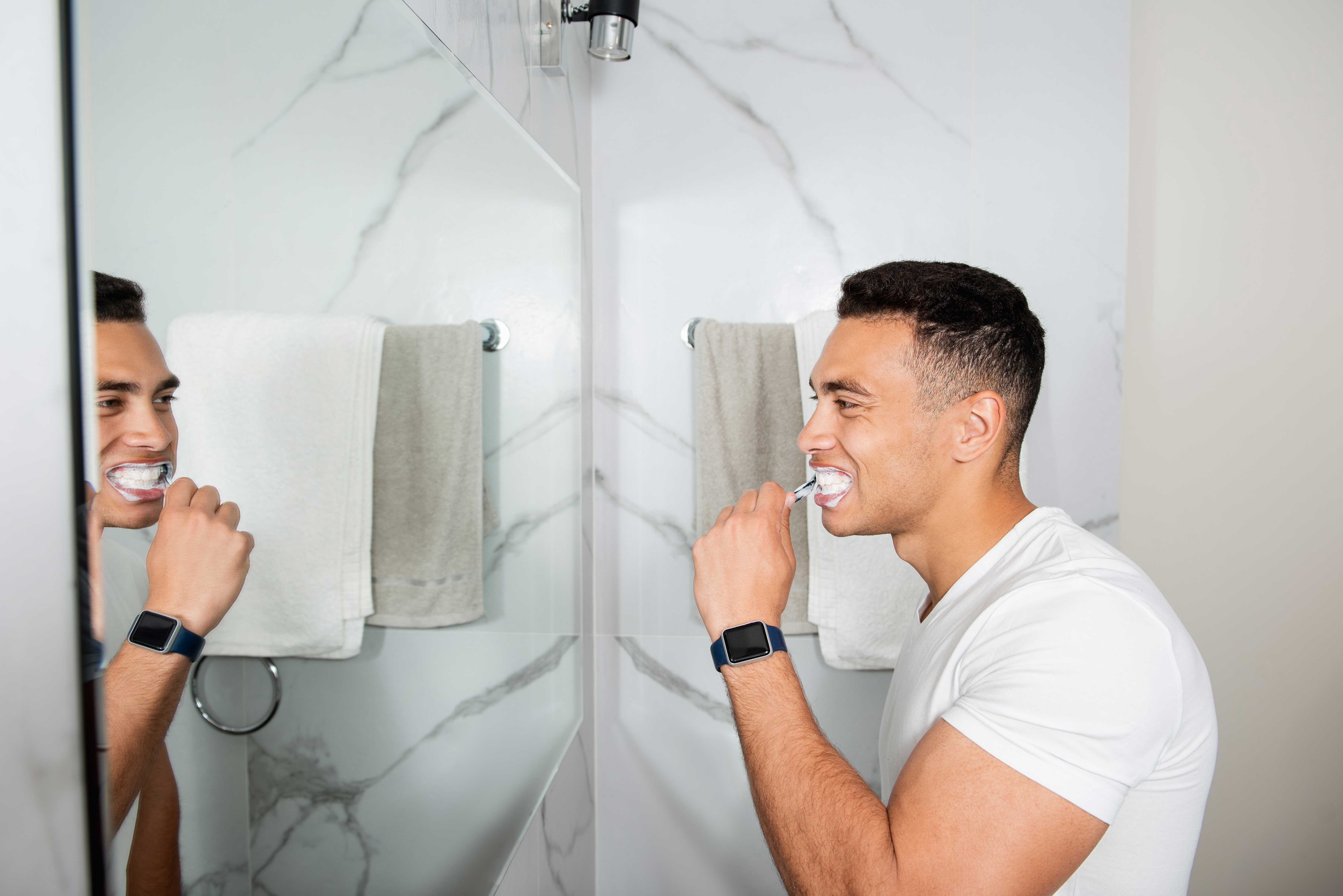
When it comes to brushing, technique matters. Angle your toothbrush 45 degrees to the gum line and, beginning in the back of your mouth, clean all surfaces of each tooth using gentle, short strokes in a circular or tooth-by-tooth motion. Dentists recommend brushing for two minutes two times a day.
Brush Morning and Night
Brush your teeth every morning when you get up and every night before you go to bed or after your last meal. Your last brush should remove all food particles and plaque from the day.
Follow Up with Flossing
In addition to brushing, floss your teeth at least once a day. Flossing will remove any food stuck between your teeth, and it reaches where your toothbrush can’t.
Rinse with Antibacterial Mouthwash
Rinsing your mouth with antibacterial mouthwash is a good extra step to help keep your teeth and gums extra clean.
Drink Water Throughout the Day
Drinking water is another way you can improve your oral health. In many places, water contains fluoride, which strengthens your teeth. Water also helps rinse away leftover food particles.
Avoid Sugar
Cut down on sugar for the sake of your teeth. Sugar feeds the bacteria in your mouth, creating acids that can damage your tooth enamel.
Eat a Tooth-Healthy Diet
Instead of sugary foods, eat fibrous fruits and vegetables, like apples, celery, and carrots. These are naturally abrasive and will stimulate saliva production to help rid your teeth of plaque.
In addition, foods with calcium and phosphorus are helpful for your teeth because they strengthen tooth enamel and protect against erosion. These include milk, cheese, yogurt, almonds, and fish.
Other tooth-healthy nutrients to look for include vitamin D (in fish and eggs) and vitamin C (found in citrus fruits, strawberries, and peppers).
Make Regular Visits to Your Dentist
Once you have your at-home routine down, be sure to visit your dentist twice a year for a check-up and cleaning.
Quit Smoking
Lastly, nix nicotine and tobacco products. They are harmful to your teeth, gums, and overall health.
A Better Clean with Oral-B

Now you know how often you should change your toothbrush (about every three months) and how important it is to your oral health.
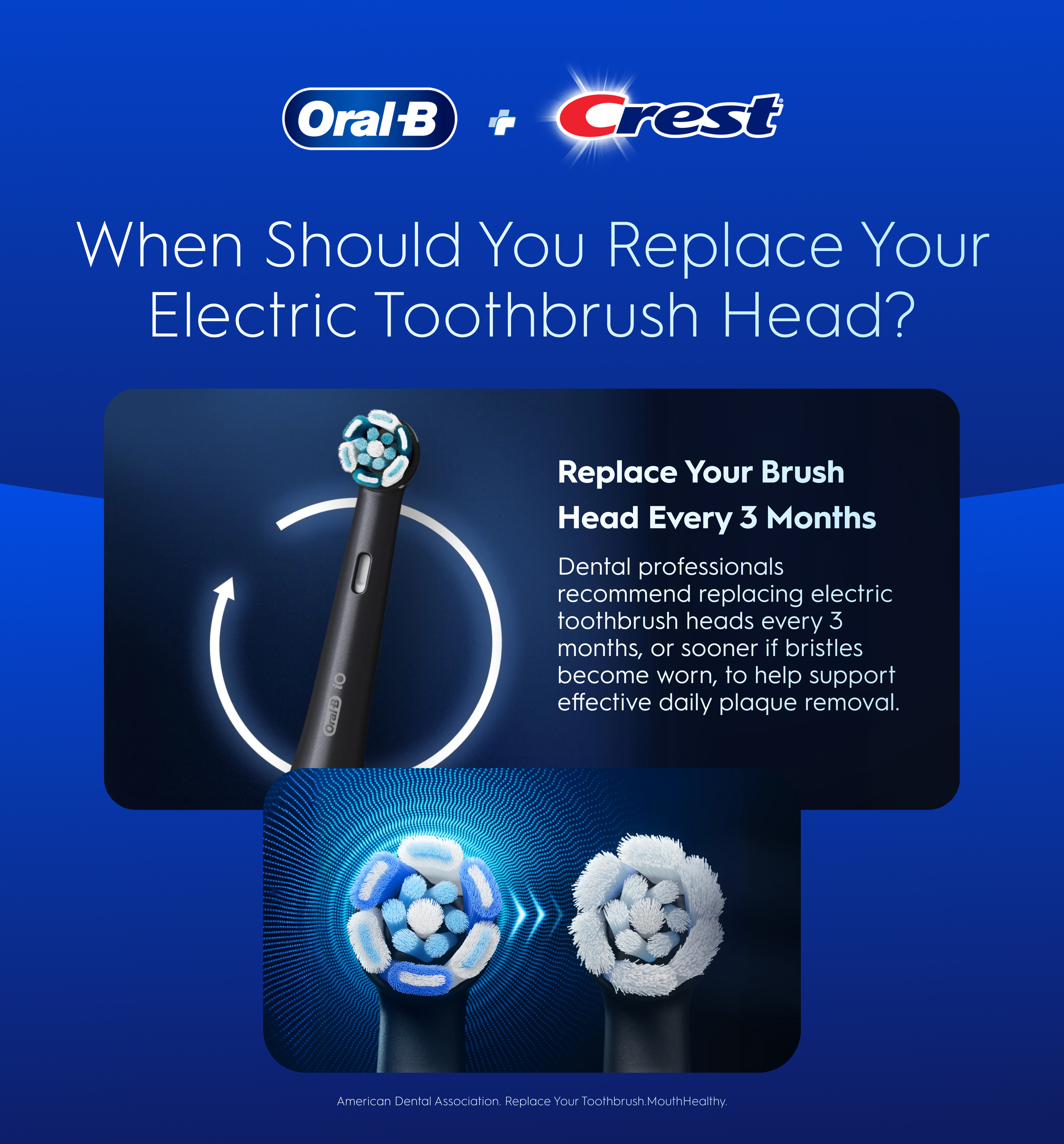
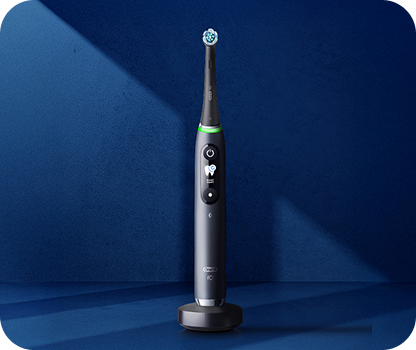
Select the best tool for the job with Oral-B's iO Electric Toothbrush Series. The round brush heads on Oral-B electric toothbrushes, inspired by dental tools, use oscillating-rotating technology to remove up to 100% more plaque than a regular manual toothbrush.

FAQs
-
How do I know if my toothbrush isn’t working well anymore?
-
Are electric toothbrushes better than manual toothbrushes?
-
How should I clean and disinfect my toothbrush?
Sources
- Toothbrush care, cleaning and replacement - The Journal of the American Dental Association
- Taking Care of Your Teeth and Mouth | National Institute on Aging
- A graphic tool to help consumers determine when to replace a toothbrush: a cohort study - PMC
- Tooth brushing and oral health: how frequently and when should tooth brushing be performed? - PubMed
- Adam, R., et al. (2025). A 4-week randomized clinical trial evaluating plaque and gingivitis effects of a new oscillating-rotating electric toothbrush. Journal of the American Dental Association (1939), 156(8), 611–619.e2. https://doi.org/10.1016/j.adaj.2025.04.015
- Conforti, N. J., et al. (2003). An investigation into the effect of three months' clinical wear on toothbrush efficacy: results from two independent studies. The Journal of Clinical Dentistry, 14(2), 29–33. https://pubmed.ncbi.nlm.nih.gov/12723100/
- He, T., et al. (2025). Randomized Controlled Trials Assessing Exposure Frequency Effects of Stannous Fluoride on Gingivitis. JDR Clinical and Translational Research, 10(2), 124–134. https://doi.org/10.1177/23800844241263031
- Mankodi, S., et al. (2005). A 6-month clinical trial to study the effects of a cetylpyridinium chloride mouthrinse on gingivitis and plaque. American Journal of Dentistry, 18 Spec No, 9A–14A. https://pubmed.ncbi.nlm.nih.gov/16178130/
- Terézhalmy, G. T., et al. (2008). Plaque-removal efficacy of four types of dental floss. Journal of Periodontology, 79(2), 245–251. https://doi.org/10.1902/jop.2008.070345
Table of Contents
- How Often Should You Change Your Toothbrush?
- Signs It’s Time to Change Your Toothbrush
- What to Look for in a Toothbrush
- Risks of Not Changing Your Toothbrush Properly
- Tips for Keeping Up Your Oral Health
-
- FAQs
- Sources
Sign Up
for tips about oral care products, expert advise, and exclusive offers.
Sign Up
for tips about oral care products, expert advise, and exclusive offers.