Chalky Teeth: Symptoms & Treatment

Summary
Chalky teeth can appear discolored, and may be sensitive, painful, or crumbly, as improperly formed enamel breaks off. As the condition affects teeth while they are still developing inside the jaw, it becomes visible when the permanent teeth—usually the first molars and incisors—erupt during childhood.
In this article, we will discuss how to spot chalky teeth, what causes chalky teeth, and the treatment methods used on hypomineralized teeth.
Key Takeaways
- Takeaway #1: Chalky teeth (also called molar incisor hypomineralization) is a developmental dental defect that causes tooth enamel to form improperly.
- Takeaway #2: You can recognize chalky teeth through brown, yellow, or spotted discoloration, ridges and grooves on a tooth's surface, and crumbly tooth enamel.
- Takeaway #3: Chalky teeth should always be treated by a dentist. Though the condition has no 'cure', pain and decay caused by it can be effectively managed if caught early.
Table of Contents

This blog has been reviewed and approved by Dr Robert Lee, a dental professional of 35 years
LEARN MORE >Key Takeaways
What are Chalky Teeth?
Chalky teeth are a developmental dental defect that affects the appearance and formation of tooth enamel. Also called molar incisor hypomineralization, chalky teeth are often recognizable through discoloration, appearing white, brown, yellow, or cream. If your teeth feel chalky, you may also notice grooves and bumps on their surface, and certain areas of breakage, or crumbly enamel, due to the improper formation of enamel.
If you suspect your child is suffering from chalky teeth, symptoms to watch for include:
- Increased sensitivity to hot or cold stimuli
- Pain while eating
- Pain while brushing teeth
- Discolored patches
In most cases, chalky teeth will be molars or incisors and will always occur during the development of adult teeth. This means that the sudden development of molar incisor hypomineralization cannot happen during adulthood and will only affect young people who have developing teeth.

What Causes Chalky Teeth?
Despite several investigative studies on the condition, what causes chalky teeth is still unknown. Experts have theorized that experiencing a severe illness during childhood, a traumatic birth, or high fevers can all potentially cause chalky teeth.
Molar incisor hypomineralization occurs during the development of teeth and can affect teeth to differing extents. Due to inadequate levels of calcium in developing tooth enamel, chalky teeth can become discolored, soft, porous, and crumbly. The mineral content in chalky teeth can be substantially lower than in healthy teeth. Hypomineralized teeth are more susceptible to breakdown, tooth enamel erosion, and bacterial buildup, and so should always be treated by a dentist.
Why Do My Teeth Feel Chalky?
If you did not suffer from chalky teeth as a child but occasionally experience a chalky or rough feeling in the mouth, then do not worry, this feeling is likely due to the food you have eaten.
Foods that contain high levels of oxalic acid can cause a chalky feeling in the mouth that makes teeth feel weird and unnatural. This happens as oxalic acid reacts with calcium in saliva to create a chalk-like deposit that clings to teeth. Leafy green vegetables, potatoes, and legumes are all high in oxalic acid and can cause this feeling.
Cleaning your mouth through brushing, flossing, and mouthwash should be enough to remove these deposits.

How to Treat Chalky Teeth
There is no cure for chalky teeth, but there are several treatments that can help a person suffering from the condition manage pain and prevent tooth decay.
A dentist should be able to diagnose molar incisor hypomineralization in a routine check-up, and depending on how advanced the condition is, a range of treatments will be recommended:
- Fluoride varnish can decrease sensitivity on affected teeth, making it more comfortable to chew and clean teeth.
- Topical mineralization treatments can be used to boost the concentration of minerals in a tooth and potentially support its strength and durability.
- Cosmetic treatments might be considered for aesthetic defects, but traditional teeth whitening is often ineffective on these discolorations and can increase tooth sensitivity.
- Specialized white dental fillings are used to cover chalky teeth and make the tooth thicker and less susceptible to damage or erosion when eating or cleaning your teeth.
- Sealants can coat and protect chalky teeth that have formed grooves or dents.
- Resin infiltrant can be used to improve the appearance of chalky teeth that are discolored or spotty.
- Dental crowns can protect already decayed chalky teeth and help prevent future bacterial buildup and cavities.
- Tooth extractions can be used in severe cases where chalky teeth have decayed past the point of repair and can no longer be saved by any treatment listed above.
Chalky teeth cannot be managed with at-home treatments, and if you believe that you or your child is suffering from the condition, you should visit a dentist as soon as possible. When caught early, molar incisor hypomineralization can be effectively managed, and affected teeth saved from extraction.
Restore Your Smile with Oral-B
Chalky teeth—often caused by conditions like molar incisor hypomineralization—aren't the result of poor oral hygiene, but maintaining a consistent and effective oral care routine plays a crucial role in preventing further issues like decay or sensitivity. Regular brushing, flossing, and dental checkups are essential, especially when managing enamel-related conditions.
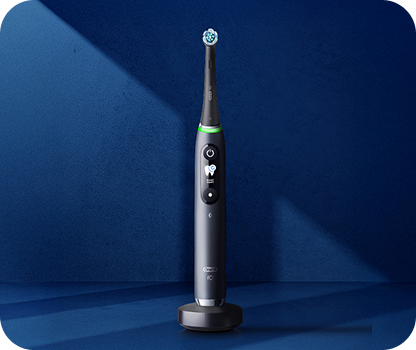
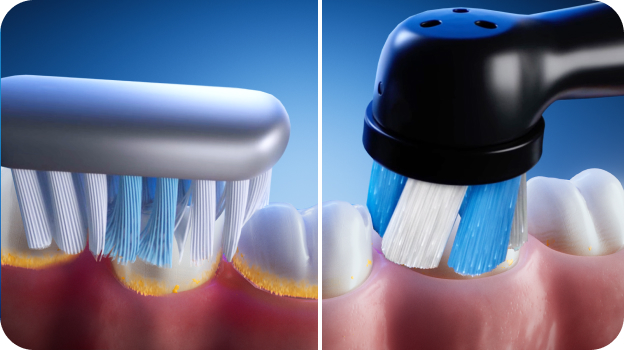
While professional dental treatment is necessary in severe cases, the right at-home care can support healthy outcomes. Oral-B champions the importance of building strong daily habits to protect your smile. Our advanced Oral-B iO Series electric toothbrushes are designed to deliver an effective yet gentle cleaning at home. With features like micro-vibrations and a smart pressure sensor to guard against over-brushing, they help care for teeth by maintaining a high standard of hygiene.
To further protect vulnerable enamel, pair your routine with a specialized toothpaste like Crest Gum & Enamel Repair. Its stannous fluoride formula is designed to help strengthen enamel, neutralize plaque bacteria, and reduce sensitivity.
Together with regular dental visits, choosing the right tools can empower families to take charge of their oral health and better manage oral conditions.
FAQs
-
Are chalky teeth more likely to develop cavities?
-
Is chalky enamel the same as tooth decay?
-
Can chalky teeth be whitened?
-
Why is oral hygiene especially important for chalky teeth?
Sources
- pl-1074.1-molar-incisor-hypomineralisation-mih-in-children.pdf
- Molar incisor hypomineralisation (MIH) – an overview | British Dental Journal
- bp_molar-incisor-hypomineralization.pdf
- What is molar hypomineralisation
- Chalky Teeth in Children: Molar Hypomyelination
- Grender, J., et al. (2022). A 12-Week Randomized Controlled Trial Comparing a Novel Electric Toothbrush With an Extra Gentle Brush Head to a Manual Toothbrush for Plaque and Gingivitis Reduction. Compendium of Continuing Education in Dentistry (Jamesburg, N.J. : 1995), 43(3), f20–f29.
- Xie, S., et al. (2024). Stannous fluoride forms aggregates between outer and inner membranes leading to membrane rupture of Porphyromonas gingivalis and Prevotella pallens. Frontiers in Oral Health, 5, 1427008. https://doi.org/10.3389/froh.2024.1427008
- Zou, Y., et al. (2024). A meta-analysis comparing toothbrush technologies on gingivitis and plaque. International Dental Journal, 74(1), 146-156.
https://doi.org/10.1016/j.identj.2023.06.009
Table of Contents
- What are Chalky Teeth?
- What Causes Chalky Teeth?
- How to Treat Chalky Teeth
- Restore Your Smile with Oral-B
-
- FAQs
- Sources

This blog has been reviewed and approved by Dr Robert Lee, a dental professional of 35 years
LEARN MORE >
Sign Up
for expert advice and exclusive offers
Sign Up
for expert advice and exclusive offers