Trench Mouth: Causes, Symptoms, & Treatment

Male dentist discussing oral health with female patient
Last Updated : August 7, 2025

Summary

Trench mouth is a serious form of gum disease caused by the buildup of harmful bacteria in the mouth. Trench mouth can cause bleeding and swollen gums, ulcers, and mouth lesions. If left untreated, it can destroy gum tissue and potentially affect the underlying jawbone.

The condition is serious but also rare, occurring most frequently in adolescents and young adults with poor oral hygiene or poor nutrition.

This article explains what trench mouth is, along with its causes, symptoms, treatment, and prevention.

Key Takeaways

  • Takeaway #1: Trench mouth is a serious but rare type of gum disease characterized by tissue death that can affect the gums and supporting bone. It is a distinct condition, not simply advanced gingivitis, and requires immediate medical treatment.
  • Takeaway #2: Trench mouth is very painful and causes bleeding gums, characteristically forming painful ulcers between the teeth. In severe cases, lesions can affect the cheeks, but the primary damage is to the gums. Medical attention is essential if you believe you have the condition.
  • Takeaway #3: Trench mouth is most common in people who do not have access to adequate nutrition or oral care but can also arise due to diabetes or HIV. It is most common in teens and young adults.
  • Takeaway #4: Dentists will be able to easily diagnose trench mouth, however treatment can vary from anything as simple as prescribing antibiotics and a dental hygiene clean, to requiring surgery.

Table of Contents

drlee-image

This blog has been reviewed and approved by Dr Robert Lee, a dental professional of 35 years

LEARN MORE >

Key Takeaways


What is Trench Mouth?

Trench mouth is a severe type of gum disease(periodontal disease) that develops rapidly and is caused by a bacterial infection. As with other gum infections, trench mouth can cause bleeding and swollen gums and ulcers, but it is distinguished by the rapid onset of painful ulcers between the teeth and the death (necrosis) of gum tissue. If severe and untreated, this process can spread to the cheeks or the underlying jawbone.

Also called acute necrotizing ulcerative gingivitis (ANUG), trench mouth is more likely to occur in people with poor oral hygiene, high stress, inadequate nutrition, smoking, or conditions that weaken the immune system.

Female smiling dentist questioning female patient on her oral care regime.

Causes of Trench Mouth

Trench mouth is caused by the buildup of bacteria on and in the gums. Poor oral hygiene, which leads to gingivitis (a common gum infection), creates an environment where the specific bacteria that cause trench mouth can thrive, increasing your risk.

Although a gum infection causes trench mouth, several risk factors can exacerbate your chances of contracting the condition:

  • Diabetes
  • Immunodeficiency conditions, including HIV
  • Sleep deprivation
  • Stress
  • Poor oral hygiene
  • Poor nutrition
  • Smoking
  • Alcohol abuse

Trench Mouth Symptoms

As the condition can advance quickly, recognizing trench mouth symptoms is vital so you can seek treatment and stop any long-term oral damage. Symptoms of trench mouth tend to be similar to those of a typical gum infection, with the addition of some more serious effects.

Common trench mouth symptoms include:

  • Bleeding gums
  • Painful or swollen gums
  • Ulcers between the teeth
  • A yellow, white, or gray film (pseudomembrane) covering ulcerated gum tissue, especially between the teeth.
  • A bad taste in the mouth and very bad breath

As the condition advances, symptoms worsen, and a person suffering from developed trench mouth may experience:

  • Fever
  • Tiredness or fatigue
  • Swollen lymph nodes

If you experience any of these symptoms, you should visit your dentist or dental hygienist. A gum infection should always be treated, whether it is the beginning of gingivitis or developed trench mouth, so seeking medical attention is always key.

Diagnosing Trench Mouth

In most cases, your dentist or dental hygienist will be able to diagnose trench mouth easily. To begin with, your dentist or dental hygienist will ask about your oral health history, focusing on the presence of conditions linked to trench mouth, including gingivitis (or other forms of gum disease) and autoimmune conditions.

Your dentist may gently examine your gums for bleeding, ulcers, and areas of damaged tissue. If needed, they may recommend dental X-rays to look for damage involving deeper tissues or to rule out other problems. In some cases, additional testing may be recommended if an underlying health condition is suspected.

How to Treat Trench Mouth

Though trench mouth is a serious condition, it is relatively easy to treat and cure. Treatment will typically involve:

  • OTC pain relievers to dull pain from ulcers or sores
  • A professional cleaning from a dental hygienist
  • Prescribed antibiotics to stop the spread of infection

If the infection has caused significant tissue damage, your dentist may recommend additional treatment after the infection is under control. In some cases, periodontal procedures may be considered to help manage areas where the gum tissue has been affected.

Young boy smiling into mirror at the dentist with his dad and dentist

Risks if Trench Mouth is Left Untreated

Trench mouth can lead to serious complications if it is not treated promptly. Possible complications include:

  • Damage to gum tissue and supporting structures around the teeth
  • Difficulty eating because of pain, which may contribute to poor nutrition or weight loss
  • Dehydration if pain makes drinking difficult
  • In rare severe cases, the infection may spread to nearby tissues and cause extensive tissue destruction

Prompt treatment can help stop the infection, relieve symptoms, and reduce the risk of complications.

How to Prevent Trench Mouth

Maintaining good oral hygiene is the most important prevention method for trench mouth and other forms of gum disease. To ensure that your chances of contracting trench mouth are as low as possible, make sure you are brushing your teeth twice per day and are regularly flossing.

Trench mouth is also more likely when someone is under ongoing stress, is not getting enough rest, smokes, or does not get adequate nutrition. Managing stress, avoiding tobacco, and eating a balanced diet can support both oral and overall health.

Protect Your Gums

Trench mouth is a severe oral infection, that appears most commonly in people who have poor oral hygiene and limited access to dental care. It is associated with the same risk factors as gingivitis, like poor oral hygiene, and is diagnosed by its unique symptoms of painful, "punched-out" ulcers between the teeth and dead gum tissue. While treatment is usually effective—with options ranging from antibiotics to deep cleaning, and in severe cases, surgery—the best approach is prevention.

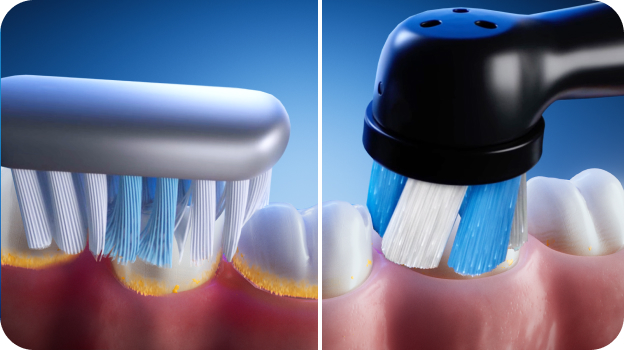
Regular visits to the dentist and dental hygienist will help with early detection but maintaining a consistent and thorough oral hygiene routine is key. Oral-B iO Series of electric toothbrushes are designed to provide a superior clean compared to a manual toothbrush, helping to remove plaque and target hard-to-reach areas with precision and care. The iO Series makes it easier to keep your gums healthy.

Oral-B champions everyday oral health, and through the power of iO technology, aims to help you stay ahead of potential issues before they become serious.

Tips for Good Oral Health

Healthy gums are an important part of overall oral health. If you have signs of gum disease, the first step is to see a dentist. They can examine your mouth, determine how severe the problem is, and recommend appropriate treatment. There are also daily steps you can take to support gum health:

  • Use Crest Pro-Health Advanced Toothpaste, which contains stannous fluoride. It can help reduce plaque bacteria and support daily cavity prevention as part of a good oral care routine.
  • Crest Gum Care Mouthwash can be a helpful addition to your routine for reducing plaque and freshening breath.
  • Consider using an electric toothbrush, such as the Oral-B iO electric toothbrush, which may help some people remove plaque more effectively.
  • Choosing a soft brush head, such as the Oral-B iO Gentle Care brush head, may make brushing more comfortable if your gums are sensitive.
  • Glide Floss can help remove plaque from between teeth where a toothbrush cannot reach.
  • Regular dental visits can help with early detection, but maintaining a consistent oral hygiene routine at home is just as important.

    FAQs

    • How is trench mouth treated?

    • Can trench mouth come back?

    • Is trench mouth contagious?

    • Who is most at risk of trench mouth?

    Sources

    Table of Contents

    • What is Trench Mouth?
    • Causes of Trench Mouth
    • Trench Mouth Symptoms
    • Diagnosing Trench Mouth
    • How to Treat Trench Mouth
    • How to Prevent Trench Mouth
    • Protect Your Gums
    • Tips for Good Oral Health

    • FAQs
    • Sources
    drlee-image

    This blog has been reviewed and approved by Dr Robert Lee, a dental professional of 35 years

    LEARN MORE >

    Related Products

    1180|410