Contagious Cold Sores: Everything You Need to Know

Summary
In this article, we will delve into what causes cold sores, as well as how contagious they are, how to avoid spreading a cold sore, and what treatment may be appropriate for the ailment.
Key Takeaways
- Takeaway #1: Cold sores are caused by the Herpes Simplex Virus (HSV-1), which is highly contagious. Once you have HSV-1, you have it for life.
- Takeaway #2: Cold sores themselves are highly contagious and will take weeks to heal. It's imperative to have strict oral and body hygiene when you have a cold sore and especially avoid touching it, to prevent it from spreading.
- Takeaway #3: Although they may look similar, mouth ulcers, canker sores and cold sores are all different types of sores you can get in and around your mouth. Ensure you know how to best treat them and, if possible, prevent future outbreaks.
- Takeaway #4: Cold sore treatments will depend on how long you have them for and how painful they are. They typically scab and heal within a few weeks, however if they persist, go to a doctor or dentist for medical treatment.
Table of Contents

This blog has been reviewed and approved by Dr Robert Lee, a dental professional of 35 years
LEARN MORE >Key Takeaways

What are Cold Sores?
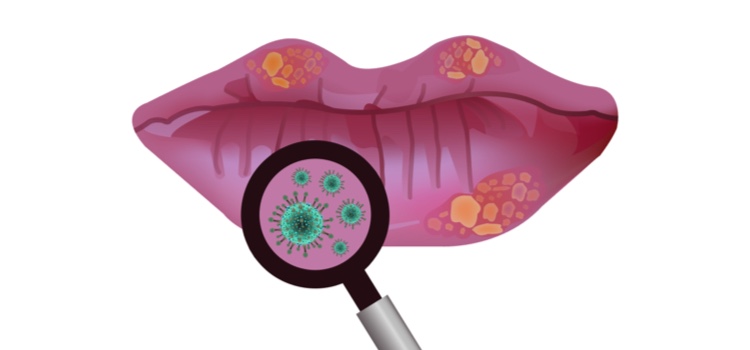
Cold sores are a common type of blister that forms around the mouth or lips. Unlike other blisters that appear on the body, cold sores are caused by the herpes simplex virus (HSV-1). According to the World Health Organization (WHO), an estimated 64% of people under age 50 have the HSV-1 virus, meaning many people are likely to experience cold sores in their lifetime.
As their name suggests, cold sores can be painful and uncomfortable and commonly appear in little clusters. Cold sores tend to clear up on their own within the space of a few weeks, but during this time the sore is highly contagious and physical contact with others should be avoided.
What are the Causes of Cold Sores?
How do You Get Cold Sores?
Whether you are prone to cold sores or experiencing one for the first time, what causes cold sores will remain the same – Herpes Simplex (HSV-1). HSV-1 is a very contagious virus, that once contracted will remain in your cells for the rest of your life.
Herpes Simplex is a highly contagious virus and spreads from person to person through close contact. Sharing utensils, kissing, oral sex, and general close contact with an infected individual can all result in the transmission of the virus. This means that the answer to the question 'are cold sores contagious' is a definite yes.
What Causes Cold Sores?
Once you have contracted Herpes Simplex the virus will remain in your body forever. Cold sores occur when HSV-1 is reactivated, and there are several triggers capable of doing this and therefore being what causes a cold sore. Triggers can include:
- Stress and fatigue
- Colds and minor illnesses
- Sunburn
- Hormonal changes (including periods)
- An injury or trauma to the lips or mouth area
- Surgery
The reactivation of herpes symptoms will vary from person to person, some people may experience almost no cold sores after contracting the virus, and others may see them regularly appear. Generally, post-35, the number of cold sores you get will decrease.
As herpes symptoms begin to reactivate from their dormancy you may experience some tingling around the mouth, as well as soreness and swelling before the cold sore eventually appears. If it is your first time experiencing a cold sore, you may also experience fever, and other more serious symptoms such as sores on the tongue and gums, pain while swallowing and headaches.

When is a Cold Sore no Longer Contagious?
Living with a cold sore can be painful, so it is natural to wonder how long cold sores last, and when are cold sores not contagious?
Cold sores usually clear up on their own within 7 to 10 days. If the healing process is disrupted, this may take longer, and if a cold sore has not started to heal within 10 days, consult your doctor.
The question of contagion is slightly different. From the moment you feel symptoms (tingling, swelling, etc.) a cold sore is contagious, and this will last until the sore is completely healed. Peak levels of contagiousness occur when a cold sore is still a full blister, after this blister has burst and formed a scab, chances of spreading the virus are lower, but it is still best to avoid close contact.
Cold Sore Treatment
Cold sores should clear up on their own, without the need for any medical treatment within two to three weeks. There are however several cold sore treatments that can speed up the healing process.
While antiviral medications cannot get rid of HSV-1, they can combat and help eradicate cold sores. If you visit a pharmacist or your doctor, they may recommend antiviral creams that are applied directly to the cold sore site. Antiviral pills may also be recommended if creams are not suitable.
It may also be helpful to use painkillers such as paracetamol or ibuprofen as these can reduce swelling around the sore and any pain it may cause. Painful cold sores are more tempting to touch, and this slows down the healing process, so make use of painkillers if your cold sore is especially painful.
Sadly, if you are asking 'what kills cold sores instantly', then you may be disappointed, as cold sore treatments can only speed up the healing process, not bypass it completely.

How to Avoid Spreading the Cold Sore Virus
As HSV-1 is so contagious, understanding the best cold sore prevention methods is vital. If you have a cold sore, then several steps could reduce your chances of spreading the HSV-1 virus, these include:
- Not sharing food, drink, eating utensils, or any items that have come into contact with the infected site
- Avoiding any physical contact, especially kissing and oral sex, until the cold sore has completely disappeared
- Washing your hands thoroughly after touching your cold sore
Cold sore prevention is especially important around babies and young children. Passing on HSV-1 to a young child can cause neonatal herpes, a very dangerous disease. Do not kiss a baby if you have signs of, or a fully formed, cold sore.
The best way to prevent passing on a cold sore is to take all the steps possible to speed up the healing process. When you have a cold sore, it is more important than ever to use high-quality dental products that do not irritate the sore and prevent it from healing.
Take good care of yourself when dealing with a cold sore. Looking after your body and maintaining good oral and physical health will assist the healing process and get you back to feeling your best sooner.
Protect Your Mouth with the Right Oral Hygiene Routine
Cold sores, caused by the herpes simplex virus (HSV-1), are highly contagious and once contracted, the virus remains in the body for life. While outbreaks like cold sores can be managed, maintaining excellent oral hygiene is key to reducing the risk of spreading the virus and supporting overall oral health. That’s why Oral-B strongly advocates for a consistent oral care routine, especially during active outbreaks when the skin and mouth can be more sensitive.
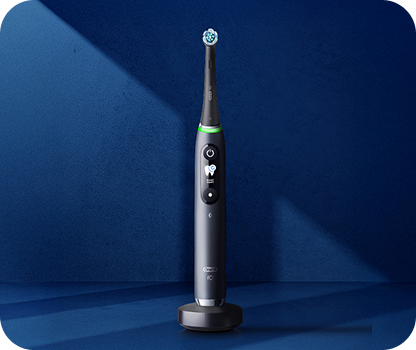
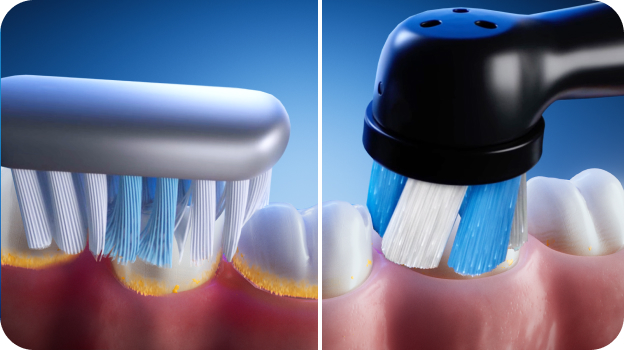
The Oral-B iO Series is designed to deliver a deep, gentle clean, making them ideal for sensitive moments when your mouth needs extra care. Alongside personal hygiene and any antiviral treatments recommended by a healthcare professional, daily brushing with the iO Series helps promote a cleaner, healthier mouth. Regular dental check-ups are a crucial part of managing oral health at every stage also.
FAQs
-
At what stage is a cold sore most contagious?
-
Can a cold sore spread after the scab forms?
-
What precautions can prevent spreading cold sores?
-
How do I know the cold sore is gone?
Sources
- https://www.nhsinform.scot/illnesses-and-conditions/mouth/cold-sore/
- https://www.nhs.uk/conditions/cold-sores/
- https://www.healthline.com/health/when-does-a-cold-sore-stop-being-contagious#treatment
- https://www.aad.org/public/diseases/a-z/cold-sores-treatment#causes
- https://www.webmd.com/skin-problems-and-treatments/understanding-cold-sores-basics
- Grender, J., et al. (2022). A 12-Week Randomized Controlled Trial Comparing a Novel Electric Toothbrush With an Extra Gentle Brush Head to a Manual Toothbrush for Plaque and Gingivitis Reduction. Compendium of Continuing Education in Dentistry (Jamesburg, N.J. : 1995), 43(3), f20–f29.
Table of Contents
- What are Cold Sores?
- What are the Causes of Cold Sores?
- When is a Cold Sore no Longer Contagious?
- Cold Sore Treatment
- How to Avoid Spreading the Cold Sore Virus
- Protect Your Mouth with the Right Oral Hygiene Routine
-
- FAQs
- Sources

This blog has been reviewed and approved by Dr Robert Lee, a dental professional of 35 years
LEARN MORE >
Sign Up
for expert advice and exclusive offers
Sign Up
for expert advice and exclusive offers