Woman sitting on bed with sore throat

CONDITIONS

Pharyngitis: Causes, Symptoms, and Treatment

10 minute read

Last updated 07/22

Dr. Robert Lee, a dental professional with 35 years of experience

This blog has been reviewed and approved by Dr Robert Lee, a dental professional of 35 years

Learn More
  • Contents

  • Summary
  • What is Pharyngitis?
  • Types of Pharyngitis
  • Pharyngitis Symptoms
  • Pharyngitis Causes
  • Pharyngitis Treatment
  • Pharyngitis Prevention
  • Elevate Your Oral Care Routine with Oral-B
  • FAQs
  • References

Quick hit key takeaways

1

Pharyngitis is the medical term for an inflamed throat, commonly known as a sore throat. While it feels like a symptom, it is technically a condition most often caused by an underlying illness.

2

Most instances of pharyngitis will not be serious and come about due to common colds or the flu. However, you should seek medical attention if pharyngitis is accompanied by difficulty in breathing, a fever, or swollen lymph nodes.

3

There are several causes of contracting pharyngitis, some of which can be prevented by ensuring you take care of your whole-body health, such as not smoking and maintaining a healthy lifestyle.

Summary

Pharyngitis is the scientific name for inflammation of the pharynx, a muscular funnel located at the back of the throat. In most cases, pharyngitis is simply described as 'having a sore throat'.

When suffering from pharyngitis, a person is likely to experience soreness and burning in the throat, as well as difficulty swallowing, a cough, and a runny nose. Most cases are caused by viral infections and will last for around five to seven days.

In this article, we will discuss the causes and symptoms of pharyngitis, as well as the types of the condition, and effective treatment methods to use when suffering from it.

What is Pharyngitis?

The pharynx is a muscle at the back of the throat that plays a crucial role in breathing and swallowing. Pharyngitis refers to the inflammation of this muscle; in most cases, it is a symptom of another condition, such as a viral infection. When experiencing inflammation of the pharynx, most people will feel a scratchiness or burning in the throat, as well as difficulty swallowing.

Pharyngitis is usually caused by viral infections such as the common cold or flu and bacterial infections including strep throat. You may also experience fungal pharyngitis if you have been using immunosuppressant drugs, steroids, or antibiotics.

Young woman on the street coughs into her hand.

Types of Pharyngitis

Pharyngitis is separated into 2 main types: acute and chronic. Your doctor will be able to diagnose the type of pharyngitis you are experiencing based on the length and severity of your symptoms:

  • Acute pharyngitis: Sufferers of acute pharyngitis will experience symptoms for between three and ten days. These can range from mild to severe.
  • Chronic Pharyngitis: If you are experiencing chronic pharyngitis, symptoms will last for several weeks or more or may reoccur frequently.

Ill young woman coughing into a tissue.

Pharyngitis Symptoms

Pharyngitis symptoms will vary depending on the underlying cause. Most instances of the condition will be accompanied by:

  • A dry throat
  • Pain when swallowing
  • Pain when speaking
  • Pain in the ears (often referred pain from the throat) or neck

Other symptoms, including more unpleasant ones, may appear if the root cause of your pharyngitis is serious. If your sore throat is a result of a cold or flu, then you may experience a runny nose, headache, cough, or fatigue. A more serious infection in the throat, or viral chest infection may lead to other symptoms including:

  • Fevers
  • Swollen lymph nodes
  • A swollen throat or tonsils
  • Red or white patches in the back of the throat or on the tonsils
  • Diarrhea

If you have contracted strep throat, another condition that can cause pharyngitis, you may experience fever, a loss of appetite, nausea, white or gray patches in the throat, and unusual tastes in the mouth. The symptoms of mononucleosis, another disease, are similar, so visit a doctor if you experience any of them.

You may be wondering 'is pharyngitis contagious', and the answer to that will again vary based on the underlying condition. Viral chest infections will usually be contagious until your fever has passed, whereas strep throat may be contagious until you have begun a course of antibiotics.

Young doctor examining male patient.

Pharyngitis Causes

Most cases of pharyngitis are caused by common viral infections, including the common cold and the flu. Experiencing pharyngitis may also be a sign of one of the following conditions:

  • Allergies: Allergic reactions can cause postnasal drip (excess mucus dripping down the back of the throat), which can irritate the pharynx and cause inflammation.
  • Tonsillitis: The inflammation of the tonsils during tonsillitis can cause your throat to become sore and dry.
  • Bacterial Infections: Infections, including strep throat and bacterial sinus infections, can cause pharyngitis.
  • Acid Reflux: Gastroesophageal reflux disease (GERD) can cause burning and soreness in the throat due to the presence of acid in your esophagus.
  • Mouth Breathing: Typically arising from nasal congestion, mouth breathing can dry out the throat and cause pharyngitis.
  • Tumors: In rare cases, pharyngitis can be a symptom of throat cancer.
  • Smoking: Smoke can dry out and irritate the throat, leading to pharyngitis.

In very rare cases, pharyngitis can be caused by STIs, including gonorrhea or chlamydia.

When to Check in With a Doctor

It may be necessary to contact a doctor if you are suffering from pharyngitis. If any of the following symptoms apply, you should seek medical help as soon as possible:

  • You have a fever 100.4°F (38°C)
  • A rash forms
  • Your lymph nodes swell
  • Your sore throat persists for a week or more
  • Your symptoms do not improve or return after you have completed a full course of antibiotics
  • You experience joint swelling
  • There is blood in your saliva or phlegm
  • You have trouble breathing

Generally speaking, if your symptoms exceed typical flu symptoms or if you find yourself in severe discomfort, it is best to seek medical help. Pharyngitis can be a sign of a more serious underlying condition, so speaking to a doctor can clear up any uncertainties.

How is Pharyngitis Diagnosed?

If you do end up visiting a medical professional, they can perform several tests to determine the cause and severity of your pharyngitis, as well as the correct steps for treatment. A doctor may choose to perform one of the following tests on you if you have a sore throat:

  • Physical Examination: A doctor will check your throat for discoloration, typically white or gray patches like those caused by strep throat. They will also look in your ears, nose and check your neck for signs of swollen lymph nodes.
  • Throat Culture Tests: If your doctor believes that strep throat or another bacterial infection is the cause of your pharyngitis, then they can use a cotton swab to test a sample of throat secretions and check. Some tests can be completed with results on the day, but others may take 24 hours or so to return results.
  • Blood Tests: If a cause outside of bacteria or common viruses is responsible for your sore throat, then a doctor may wish to perform a blood test. Blood tests can check for several underlying causes and infections that may be responsible for your pharyngitis.

Pharyngitis Treatment

As pharyngitis is a symptom of an underlying condition, treatment will vary depending on what the responsible condition is. In most cases, sore throats will clear up within a week, but during this period, there are several at-home treatment methods you can use to ease pain and other side effects.

At-Home Treatment

Several sore throat remedies are effective at easing pain and discomfort caused by the condition. Among the most commonly used sore throat remedies are:

  • Saline rinses, to soothe the throat and help reduce bacteria
  • Humidifiers, to stop dry air from irritating your sore throat
  • Staying hydrated to keep the throat moist and prevent irritation
  • Drinking/eating honey, a natural anti-inflammatory which can ease discomfort (this should not be done by children under 1)
  • Sucking ice, to ease burning pain in the throat
  • Avoiding irritants like spicy, sharp, or hot foods to allow the throat to heal

For an especially sore throat, it may be worth taking ibuprofen (if your doctor advises it) or using throat lozenges to ease the pain. Certain herbs, including honeysuckle, licorice, marshmallow root, and sage, have all been known to alleviate pharyngitis symptoms, but the evidence is inconclusive.

In some cases, at-home pharyngitis treatment will not be sufficient, and when this occurs, it is best to seek medical treatment.

How is a Sore Throat Treated

If at-home treatment does not suffice, then your doctor can prescribe pharyngitis and common cold treatments designed to tackle the root cause of your sore throat. These may include:

  • Antibiotics: If a bacterial infection such as strep throat is the cause of your pharyngitis, then you will need antibiotics to cure it.
  • OTC Antacids: If your pharyngitis is caused by acid reflux (GERD), over-the-counter antacids may help. For persistent GERD, a doctor may recommend stronger medications like H2 blockers or proton pump inhibitors (PPIs).
  • OTC Antihistamines: If your sore throat comes from strong allergic reactions, OTC antihistamines can help dull these and stop the buildup of mucus, which causes pharyngitis.
  • Prescription Mouthwash: If your sore throat is related to mouth sores or mouth cancer, then you may be given antibacterial or numbing mouthwash to ease pain. Additionally, mouthwash that is alcohol-free prevents further irritation.

Pharyngitis Prevention

There are several ways you can prevent a sore throat, many having an overlap with common cold and flu prevention methods. If you are worried about pharyngitis, try to implement the following lifestyle changes:

  • Do not share drinking or eating utensils with someone suffering from the condition
  • Avoid smoking
  • Wash your hands after sneezing or coughing
  • Keep up to date with seasonal vaccines
  • Avoid close contact with others if you have a sore throat

Elevate Your Oral Care Routine with Oral-B

There is no guaranteed way to prevent pharyngitis, but being mindful of yourself and others is a good start. Keep a healthy distance from those suffering and avoid sharing any utensils to make it as difficult as possible for diseases to spread.

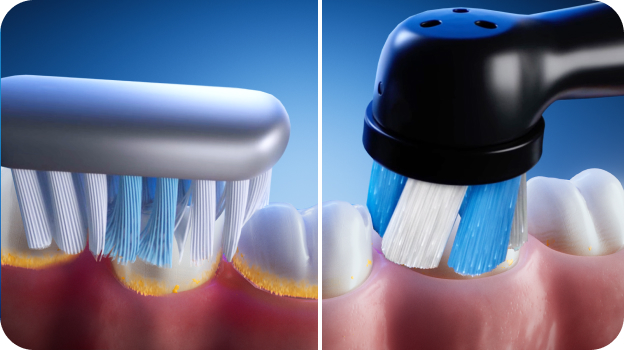
While you can't always prevent pharyngitis, supporting your overall health can help your body fight off infections. Good oral hygiene is a key part of that foundation. Oral-B is here to help you maintain an excellent oral care routine. The Oral-B iO Series Electric Toothbrushes can help you maintain your oral care routine at home. By promoting effective daily habits with the right tools, Oral-B reinforces the importance of prioritizing oral health for overall wellness.

Shop this article

1180|403

FAQs

How does oral hygiene affect pharyngitis?

Good oral hygiene helps prevent infections in the mouth and throat, which can contribute to or worsen pharyngitis, especially if there’s gum disease or tooth infections. Regular brushing and gargling with saltwater can reduce bacteria.

When should I see a doctor for pharyngitis?

You should see a doctor if your sore throat is severe, lasts more than a week, or is accompanied by other serious symptoms like a high fever (above 38°C or 100.4°F), difficulty breathing or swallowing, a rash, or significantly swollen lymph nodes.

Is pharyngitis contagious?

Yes, viral and bacterial pharyngitis are contagious and spread through coughing, sneezing, or sharing utensils. Practicing good hygiene helps reduce the risk of transmission.

How is pharyngitis treated?

Treatment depends on the cause. Viral cases usually resolve with rest, fluids, and pain relief, while bacterial infections may require antibiotics prescribed by a doctor.

References