How Long Should You Brush Your Teeth?

Summary
In this article, you'll learn how long to brush your teeth, why timing matters, and ways to keep your teeth and gums healthy.
Key Takeaways
- Takeaway #1: According to the American Dental Association (ADA), you should brush your teeth for two minutes at least twice a day. Brush your teeth in the morning when you get up and again before you go to bed.
- Takeaway #2: Brushing your teeth for too short a time can prevent you from removing all the plaque, which leaves you at risk for tooth decay, cavities, and gum disease. However, brushing too long or hard can damage your hard and soft tissues.
- Takeaway #3: Make sure you're brushing long enough by using a two-minute timer or playing a two-minute song. Or you can use a toothbrush with a built-in timer.
Table of Contents
Key Takeaways
Why Brushing Your Teeth Is Important
Oral Health
Brushing your teeth daily keeps plaque and tartar from building up, which helps prevent tooth decay, gives you fresher breath, and lowers the risk of gum disease.
Overall Health
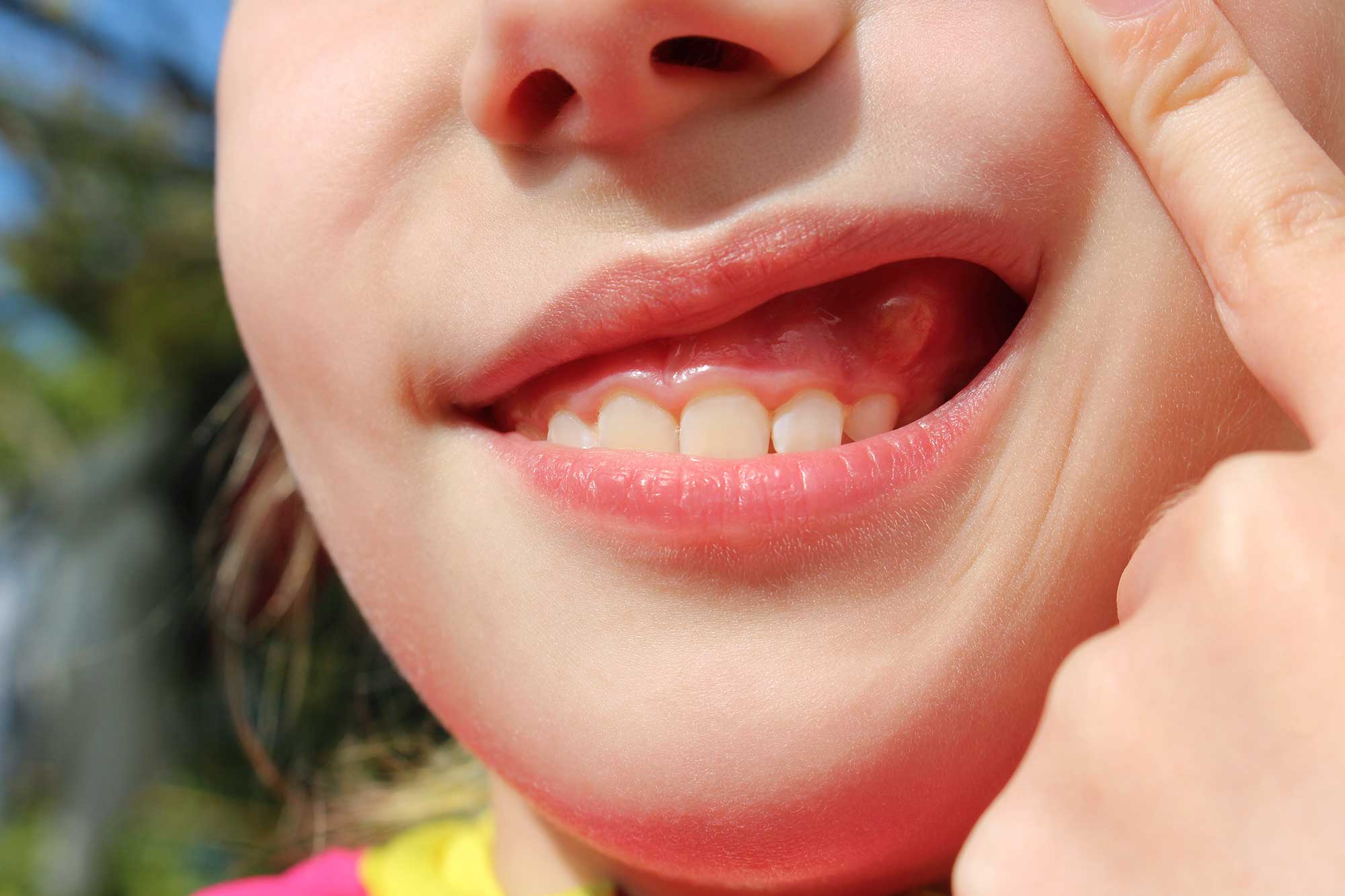
Poor oral health not only affects your teeth and gums, but it can also have a serious impact on your overall body health. A healthy mouth has minimal bacterial plaque buildup, helping to prevent bacteria from multiplying, causing cavities or gum deterioration or spreading beyond the mouth.
When bacterial plaque buildup is present around the gum line and between teeth, it shelters oral bacteria (including P.gingivalis, a bacteria commonly linked to gum disease) from your toothbrush and natural defenses.
This provides the perfect conditions for the bacteria to thrive and create inflammation-causing toxins that can spread to the rest of the body. If you do not brush regularly or effectively, some negative consequences include:
- Cavities
- Bad breath
- Gum disease
Oral health is also linked to systemic health, so preserving good oral health at home is an essential part of a healthy lifestyle — and healthy living can help reduce the risk of or help manage certain conditions, including cardiovascular disease, diabetes, cognitive decline, and pregnancy-related issues.
How Long Should You Brush Your Teeth?
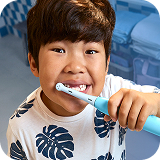
Timing is everything in life, and the same is true for brushing your teeth. According to the American Dental Association (ADA), it's best to brush your teeth for two minutes each time for effective plaque removal. Be sure to brush every surface of your teeth: inner, outer, and chewing.
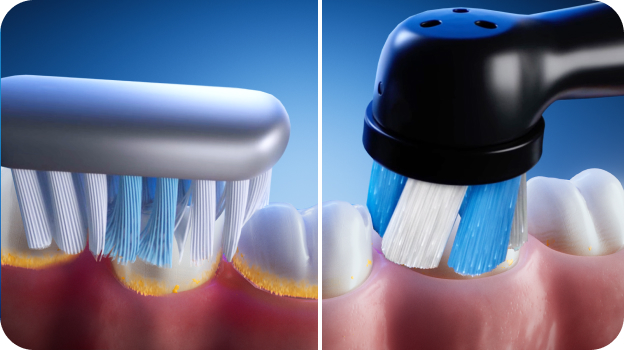
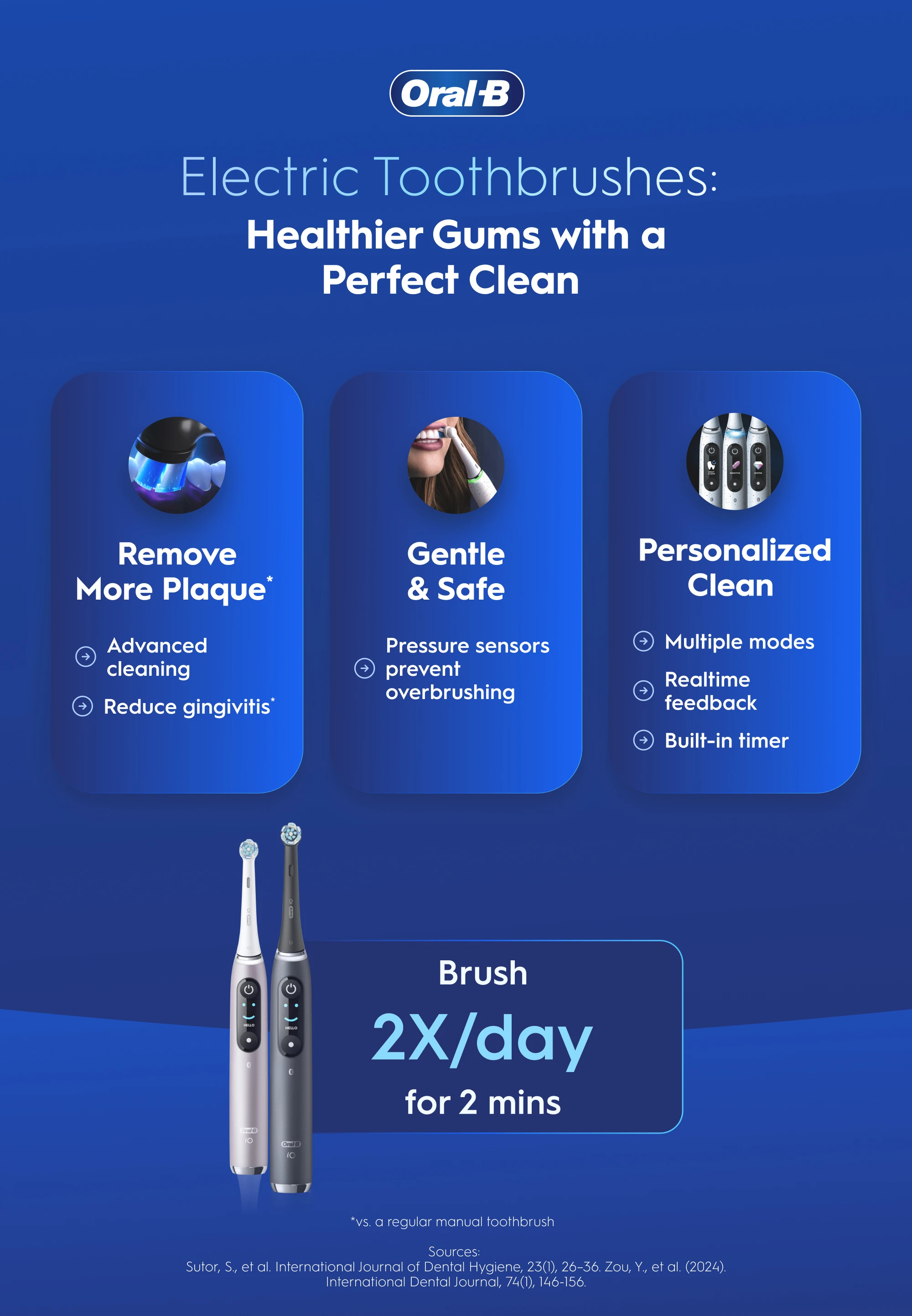
Plaque easily accumulates and hides between teeth where toothbrush bristles don’t reach well. Regular cleaning between teeth with a tool like floss is essential for removing this plaque, while using an electric toothbrush can improve overall surface cleaning and help protect your gums.
When to Brush Your Teeth
With the right tools in hand, brush your teeth twice a day in the morning and at night. Your first brush starts your day fresh, and your last brush removes any food and plaque build-up from the day.
Ways to Get Your Timing Right
Knowing how long to brush your teeth and actually doing it are two separate things. Here are a few suggestions to help you get the timing just right.
Use a Toothbrush with a Built-in Timer
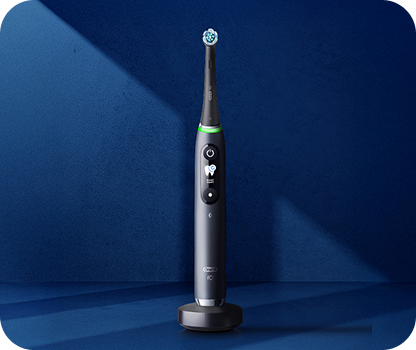
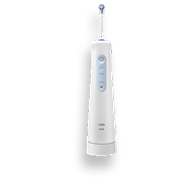
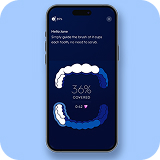
Many electric toothbrushes include two-minute timers to help ensure you're brushing for the recommended amount of time. Just press the button, and the timer starts counting down.
Set a Timer on Your Phone
You can set the timer on your phone and brush until the alarm goes off.
Hum or Sing a Two-Minute Song
Looking for something more fun? Pick a two-minute song to hum along or sing in your head. Scan your favorite music app for your preferred tunes with the right duration.
Use a Sandglass Timer
Lastly, you can use a two-minute sandglass timer. Simply flip it over when you're ready to brush, and you're all set.
Tooth-Brushing Tips
Knowing how long to brush your teeth is just the start. Here are more tips to keep your mouth healthy.
Choose a Quality Toothbrush
The quality of your toothbrush matters. It should have soft bristles, a small brush head that can reach all areas of your mouth, and a comfortable handle.
Electric toothbrushes may help improve brushing technique and consistency. Many models include built-in timers and pressure sensors to help ensure you're brushing effectively.
Use Toothpaste with Stannous Fluoride
Pairing the right toothpaste with your toothbrush is important. For the most effective clean, choose a toothpaste that contains stannous fluoride, like Crest Pro-Health which has anti-bacterial, anti-cavity properties and protects from sensitivity.
Use the Right Brushing Technique
When brushing your teeth, technique matters. Angle your brush 45 degrees to the gum line and, starting in the back of your mouth, brush each tooth with gentle, short, tooth-wide strokes or small circular motions while covering every surface.
Brush Your Tongue
After brushing your teeth, brush your tongue to remove bacteria and food particles. Start at the back and work forward in short strokes.
Replace Your Toothbrush and Refills Every Three Months
Toothbrushes become dingy, and the bristles become worn over time. This makes them ineffective at removing plaque. Once you notice frayed or curved bristles on your toothbrush — usually after about three months — it's time to buy a new one.
If you have an electric toothbrush, you don't have to replace the whole thing. Simply replace the brush head!
Other Ways to Keep Your Teeth Clean
Of course, brushing your teeth isn't the only thing you should do to keep your teeth and gums healthy. Here are a few more steps to add to your routine:
Floss Daily
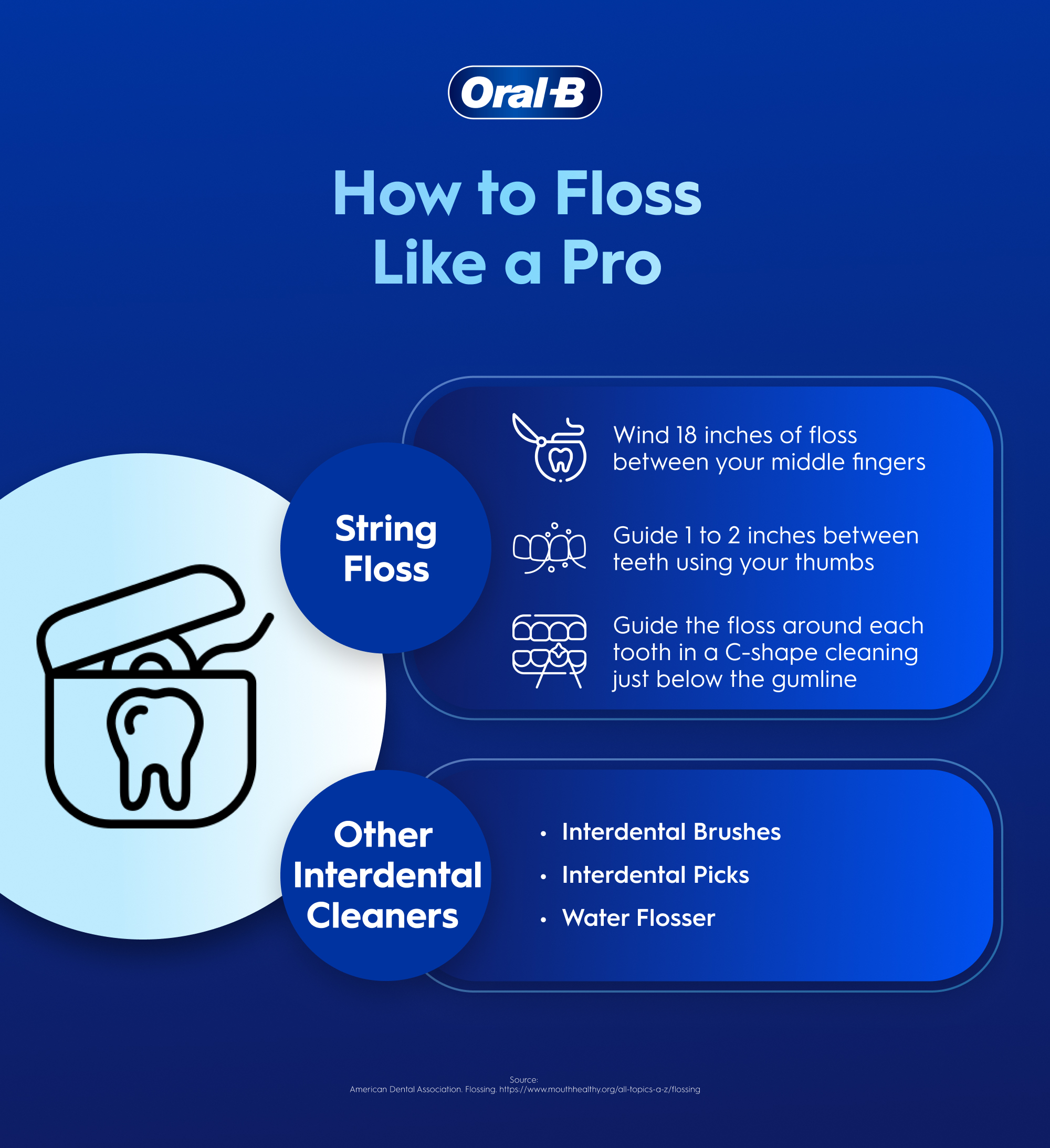
Besides brushing your teeth for two minutes, it's also important to dedicate time to interdental cleaning by flossing. Tear off 18 inches of floss and wrap the ends around your middle fingers. Slide the floss between each tooth, making a “C” around the one next to it.
Run the floss up to the gum line and down to remove anything stuck between your teeth. Repeat until you've flossed every tooth.
Try an Antimicrobial Mouthwash
An antimicrobial mouthwash will help get rid of bacteria in your mouth, reducing the risk of tooth decay, bad breath, and gingivitis.
Visit Your Dentist Twice a Year
While these are great daily habits for oral health, it's important to visit your dentist every six months for an in-office checkup and cleaning. They will look for signs of gum disease and may suggest a deep cleaning to stop the disease from progressing if necessary.
Eat Healthy Foods

Eating a healthy diet will help keep your teeth in good shape. This includes foods rich in calcium (think: milk, yogurt, and cheese), crunchy vegetables (broccoli, carrots, celery), and high-phosphorus foods (meat).
Drink Ample Water
Water is an important part of your oral health to keep you hydrated and help wash away leftover food particles.
Stop Smoking
No matter what good habits you introduce, you have to stop the bad ones first.
Smoking adversely affects your oral health by making you more susceptible to gum disease, tooth loss, bad breath, and cancer. The best course of action is to stop using any nicotine and tobacco products.
Cleaner Teeth with Oral-B

How long should you brush your teeth? The short answer: two minutes. However, brushing your teeth the right way and following the above tips are important for your oral health.
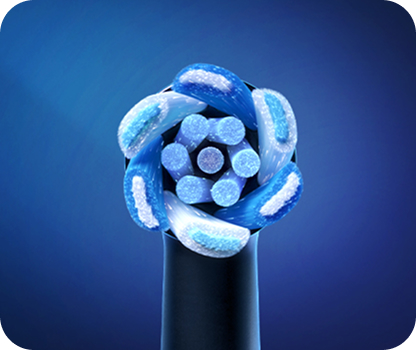
What you use to brush your teeth matters, too. Our Oral-B iO Electric Toothbrush Series can help you achieve a professional clean feeling at home every day by removing up to 100% more plaque along the gumline than a regular manual toothbrush.
At Oral-B, we work hard to ensure your smile is the best it can be.
FAQs
-
Is it OK to brush my teeth for longer than two minutes?
-
Can I brush my teeth too often?
-
How long should I brush my teeth if I have braces?
Sources
- Toothbrushes | American Dental Association
- Brushing Your Teeth | MouthHealthy - Oral Health Information from the ADA
- Brushing your teeth: How often and when? - Mayo Clinic
- How Long (and Often) To Brush Your Teeth
- Oral Hygiene | National Institute of Dental and Craniofacial Research
- Scientific American. (2021). The Surprising Perils of Periodontal Disease.
- Seuntjens, M. T., et al. (2025). Plaque scores after 1 or 2 minutes of toothbrushing. A systematic review and meta-analysis. International Journal of Dental Hygiene, 23(3), 614–624. https://doi.org/10.1111/idh.12840
- West, N. X., et al. (2024). Prevalence of dentine hypersensitivity, erosive tooth wear, gingival recession and periodontal health in seven European countries. Journal of Dentistry, 150, 105364. https://doi.org/10.1016/j.jdent.2024.105364
- Zou, Y., et al. (2024). A meta-analysis comparing toothbrush technologies on gingivitis and plaque. International Dental Journal, 74(1), 146-156. https://doi.org/10.1016/j.identj.2023.06.009
Table of Contents
- Why Brushing Your Teeth Is Important
- How Long Should You Brush Your Teeth?
- Ways to Get Your Timing Right
- Tooth-Brushing Tips
- Other Ways to Keep Your Teeth Clean
-
- FAQs
- Sources
Sign Up
for oral care tips, expert advise, and exclusive offers.
Sign Up
for oral care tips, expert advise, and exclusive offers.