What Does A Cavity Look Like (By Stage)?
The stage of tooth decay and the cavity's location will affect its appearance. Some cavities are easily recognizable, while others may only be noticeable on a dental X-ray.
Here are the different signs you might notice at each stage of tooth decay.
1) Demineralization
Early signs of tooth decay often appear as small, white spots on a tooth's surface. These spots may look chalky, especially when your mouth is dry. This stage of decay is called demineralization, meaning that the minerals in your enamel are starting to lose some of their chemical composition due to exposure to acid and weakens the enamel.
2) Enamel Erosion
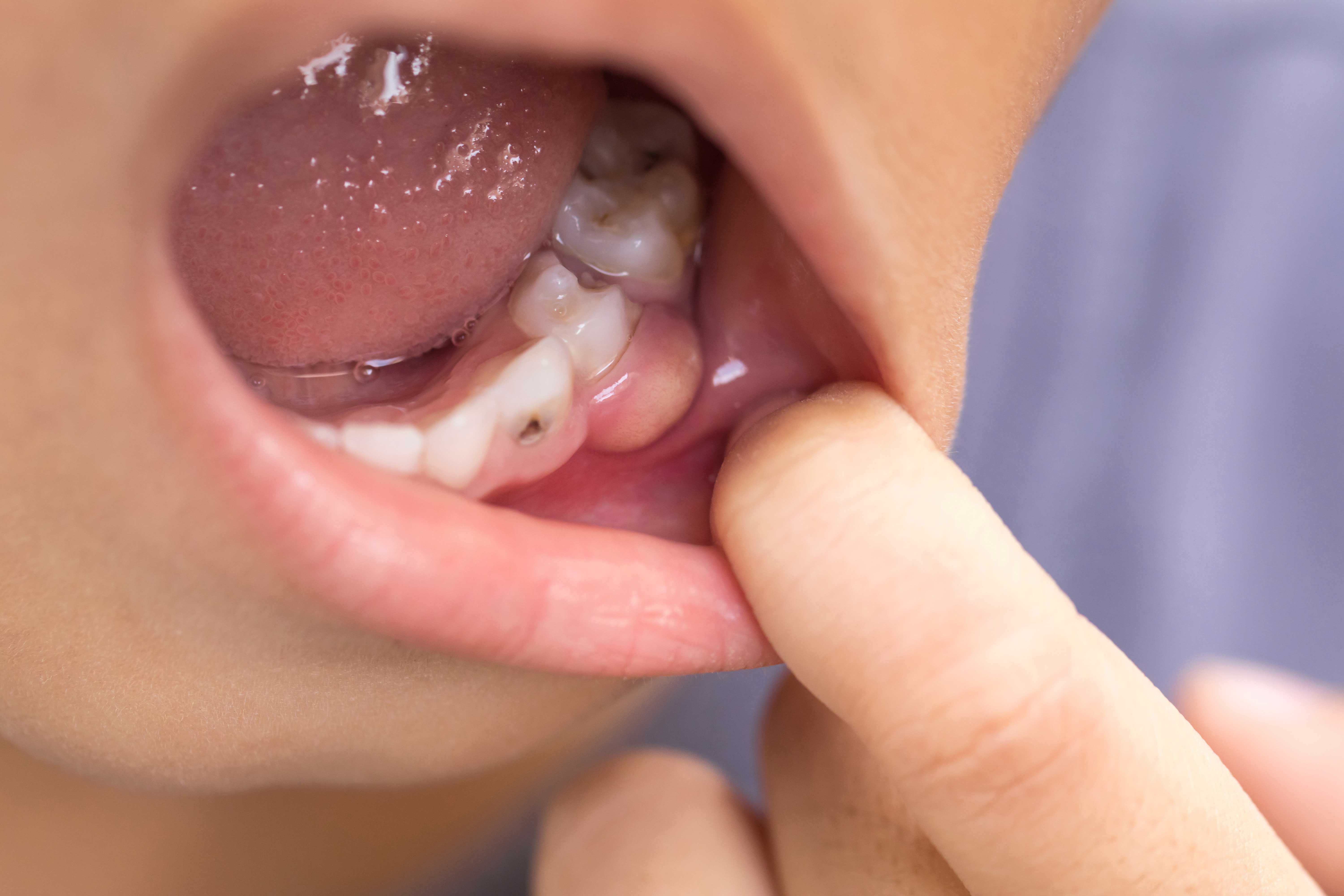
As the cavity progresses, the white spot will further discolor. You might see a yellow or brown spot. If you feel the area with your tongue, you may notice a small pit or depression.
At this point, your enamel has begun to lose strength and structure due to erosion. If left untreated, a cavity can continue to grow and eventually break through your enamel and expose the dentin, the layer beneath it.
3) Dentin Decay
Until now, you may not have experienced any discomfort or the toothache that commonly indicates dental decay. However, you may feel sensitivity and pain as the cavity reaches your dentin (the softer, more porous layer beneath the enamel).
At this stage, the cavity is a visible hole in your tooth. You may notice the spot darkening and turning black.
4) Pulp Damage
As the decay penetrates deeper, it will eventually reach the pulp, the part of your tooth that contains nerves and blood vessels. At this stage, you may experience severe pain and swelling.
Cavities that affect the pulp look dark and large. You may even be able to stick the tip of your tongue into the hole.
In addition to the hole, you may notice sensitivity to extreme temperatures (such as when drinking hot coffee or eating an ice cream cone). Sudden jolts of pain that come and go are also common.
5) Formation Of an Abscess
The pulp connects to the root of your tooth. Once the decay progresses to this point, it can cause an infection. As bacteria spreads, it can form a pocket or abscess within the tooth or surrounding gum tissue.
An untreated dental abscess can cause severe pain, swelling, and fever. If left untreated, it can cause further complications, such as bone loss around the affected tooth or an infection that gets into your bloodstream and spreads to other body parts.
Here are some warning signs of an abscess:
- Swelling around the affected tooth or along your jawline
- Redness and tenderness in the gums
- A small, raised bump on your gum near the affected tooth
- Throbbing pain
- A foul taste in your mouth (from the pus draining)
If you notice any of these symptoms, seek immediate help from your dentist.