Treating and Preventing Cavities
Cavity Treatments
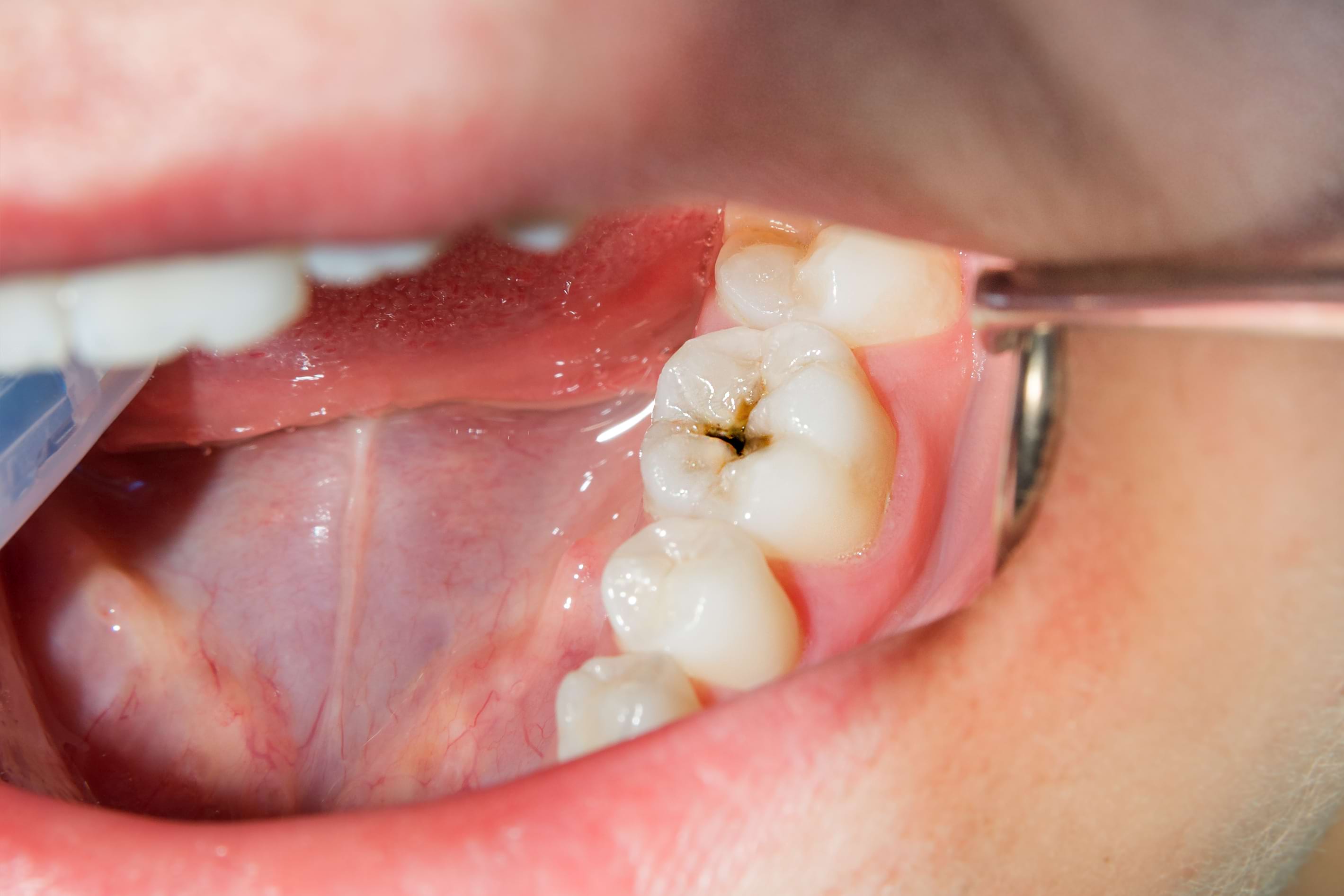
Cavity treatment depends on the severity of the cavity. Your dentist will assess the extent of the decay and determine next steps.
Here are the most common treatment options:
Tooth Filling
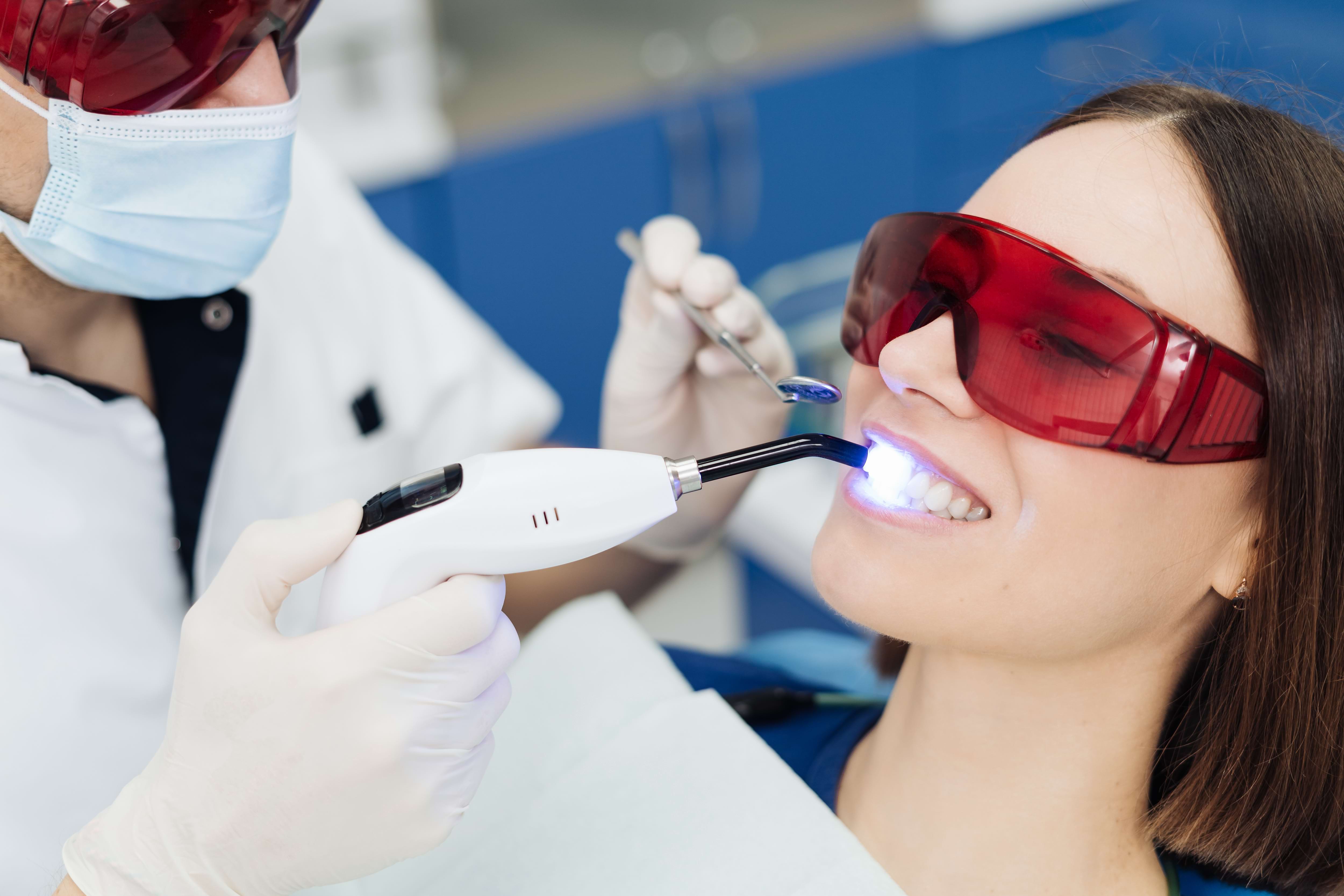
Most cavities are treated with a tooth filling. Essentially, your dentist will remove the decay and fill the hole in the tooth with a composite resin restoration.
Crown
If the cavity is so extensive that you don’t have enough tooth structure for a filling, your dentist will put in a crown. A crown is a cap that goes over the tooth, protecting it from further decay.
Root Canal
If your cavity is severe enough to injure the nerve, your dentist will do a root canal and remove the nerve in your tooth.
Cavity Prevention
The best treatment for cavities is prevention. Here are some of the best ways to keep your teeth cavity-free.
Brush Your Teeth Twice a Day
Good oral hygiene is the most important way you can prevent cavities. This includes brushing twice a day with the right toothbrush (more on this below) and using a toothpaste with stannous fluoride to properly clean and protect your teeth.
Use an Electric Toothbrush
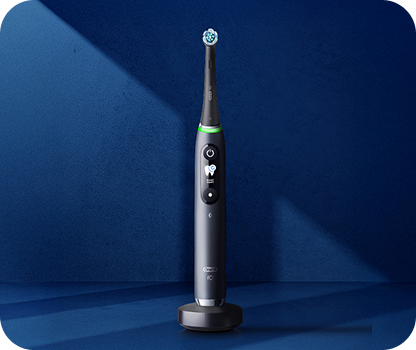
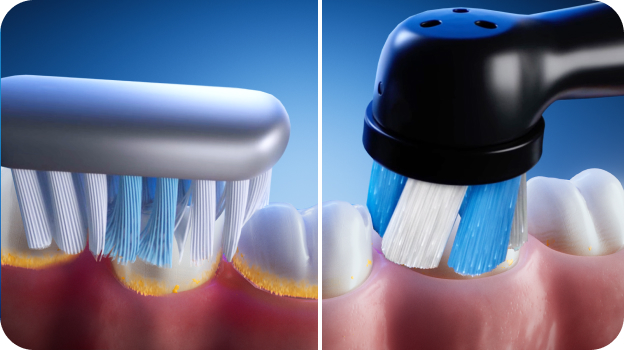
Consider switching from a manual toothbrush to an electric toothbrush for your daily oral care routine. Many electric toothbrushes come equipped with built-in timers and pressure sensors, making it easier to brush properly and consistently. These added features help promote better overall oral hygiene habits.
Floss Daily
In addition to brushing well, flossing at least once a day is important for dental hygiene. Flossing can remove any additional food and plaque stuck between your teeth that your toothbrush might miss.
Use a Mouthwash with Fluoride
After flossing, choose a mouthwash with fluoride to help strengthen your enamel and make it more resistant to cavities.
Avoid Sugary, Sticky, and Acidic Foods
Sugary, sticky, and acidic foods are known to increase the risk of cavities, so try to avoid them. However, if you do indulge, brush your teeth or rinse your mouth with water afterward.
Eat Healthily
Try to fill up on fruit, fiber, vegetables, whole grains, and calcium.
High-fiber foods, such as fruits and vegetables, stimulate saliva and protect against tooth decay, while whole grains keep gums healthy. Calcium-rich foods — like cheese, milk, and plain yogurt — help contribute to tooth enamel health.
Visit Your Dentist Regularly
Mark your calendar for at least two professional dental cleanings a year. Your dentist will be able to remove any excess plaque and tartar and evaluate your teeth for potential cavities.
Consider a Sealant
If you take all the right preventative steps and still get cavities, talk with your dentist about sealants. Sealants are protective coatings on the teeth that can strengthen them and eliminate cavities. It is common treatment for children.