Summary
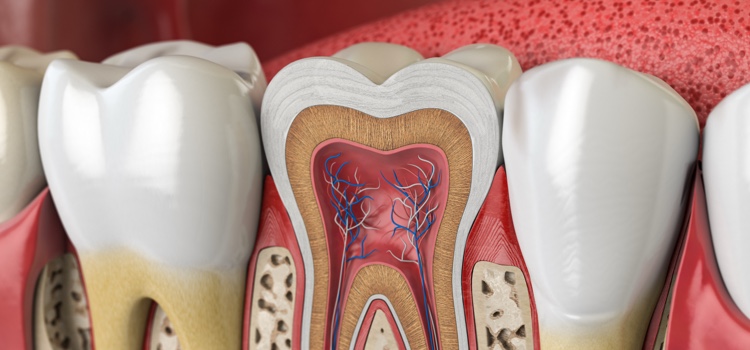
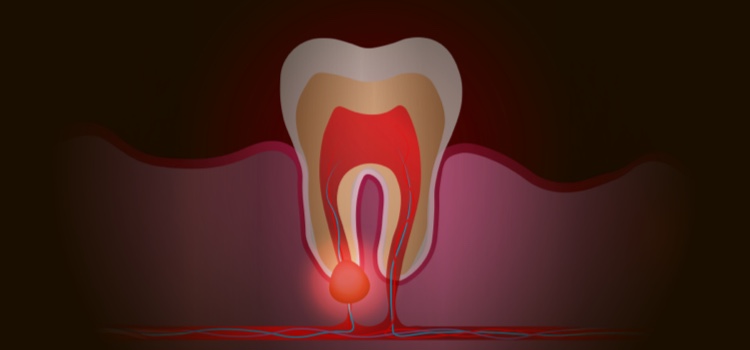
Inside each of your teeth is a substance called pulp, which contains connective tissue, nerves, and blood vessels. Pulpitis is a condition that causes an inflammation of dental pulp due to bacterial infection or irritation.
Pulpitis starts as mild inflammation that, if the cause is treated, may be reversible. If allowed to progress, it can lead to the death of the tooth's pulp, the need for root canal treatment or tooth extraction, and further infection around the jaw and face.
In this article, we will discuss the common causes of pulpitis, its symptoms, and how your dentist may diagnose and treat the condition.
What is Pulpitis?
Your teeth are comprised of 3 distinct layers:
- Enamel: the hard, protective outer coating
- Dentin: the softer mid-section
- Pulp: the inner layer that contains nerves, connective tissue, and blood vessels
As the name suggests, pulpitis affects the tooth pulp, causing inflammation, pain, and increased sensitivity to temperature. Pulpitis often happens when cracks or cavities in teeth allow bacteria to enter, or when irritation occurs within a tooth due to grinding.
Types of Pulpitis
Pulpitis is classified based on the extent to which the infection has advanced. Types of pulpitis include:
- Reversible Pulpitis: In its early stages, pulpitis causes milder inflammation and pain. Any damage to the tooth pulp can be reversed, and the source of irritation can be removed entirely by a dentist who repairs and seals the tooth.
- Irreversible Pulpitis: If left untreated, inflammation and damage caused by pulpitis will cause tooth pulp to die. In these instances, a root canal or full tooth extraction may be necessary.
Pulpitis Symptoms
You may experience a range of pulpitis symptoms depending on how advanced your case is, but the main effect of the condition is pain. Both types of pulpitis may also cause increased sensitivity to hot and cold foods.
Reversible pulpitis symptoms include:
- Inflamed tooth pulp
- Soreness and toothache
- Short, sharp pains when in contact with hot and cold food
Irreversible pulpitis symptoms include:
If pulpitis progresses, the pulp in your tooth may die; this is called pulp necrosis. Symptoms of pulp necrosis may vary slightly, as temperature sensitivity often disappears while pain may remain at the same level.