Stomatitis: Types, Symptoms, Causes, and Treatment

Female dental patient smiling.
Last Updated : February 6, 2026

Summary

Stomatitis is a general term for inflammation inside the mouth and on the lips. A specific and often severe form of stomatitis is oral mucositis, which is commonly associated with cancer treatments. Common forms include cold sores and canker sores. It can be caused by infections, injuries, allergic reactions, or side effects of cancer treatment. Addressing the root cause typically resolves the inflammation, while medications can help relieve symptoms in the meantime.

In this article, we discuss the causes of stomatitis as well as common types of the condition, symptoms, and treatment options.

Key Takeaways

  • Takeaway #1: There are several types of stomatitis, each with different symptoms, causes, and treatments, so getting a proper diagnosis is important.
  • Takeaway #2: At-home remedies may help soothe pain and support healing. If the condition persists, seek medical care.
  • Takeaway #3: Poor oral hygiene can worsen some forms of stomatitis and delay healing. Good oral hygiene, including brushing twice daily, flossing, and using an antimicrobial mouthwash, is important for recovery and prevention. Good oral hygiene includes brushing twice daily, flossing, and using an antimicrobial mouthwash.

Table of Contents

drlee-image

This blog has been reviewed and approved by Dr Robert Lee, a dental professional of 35 years

LEARN MORE >

Key Takeaways


What is Stomatitis?

Stomatitis is a generic term that refers to the inflammation of the mucosal tissues inside your mouth and on your lips. There are several types of stomatitis, the most common (and familiar) with cold sores and canker sores being the most common.

Stomatitis can occur anywhere in the mouth. It can be painful and may disrupt eating and drinking.

Types of Stomatitis

If you have stomatitis, it is important to identify which type you have so you can get the right treatment. The most common types of stomatitis include:

Aphthous Stomatitis (Canker Sores)

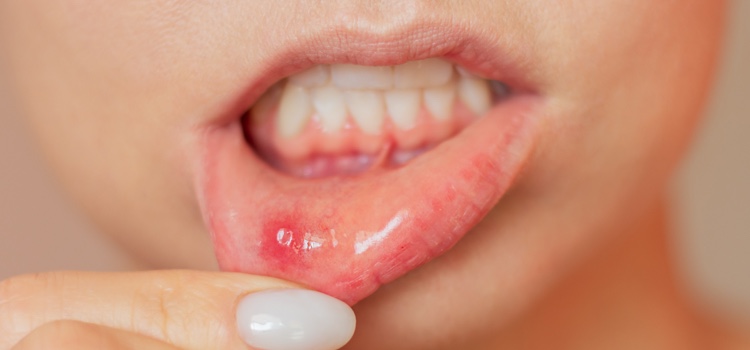
One of the most common types of stomatitis is aphthous stomatitis, more commonly known as canker sores or mouth ulcers. Canker sores are round red or white lesions that form inside the mouth. They are often painful and can make eating and drinking more difficult.

While the exact cause of canker sores is not fully understood, common triggers may include:

  • Stress and fatigue
  • Vitamin deficiencies
  • Hormonal changes

Canker sores are not contagious, so unlike some other types of stomatitis, when living with mouth ulcers you will not need to avoid close contact with others.

Herpetic Stomatitis (Cold Sores / Oral Herpes)

Another common type of stomatitis is herpetic stomatitis, also known as cold sores or oral herpes. Cold sores are caused by Herpes Simplex virus (HSV-1) and appear as small fluid-filled blisters on the lips, gums, or tongue.

If it is your first time experiencing oral herpes, symptoms may include fever, headache, and even nausea. During recurrences, a person may feel a tingling sensation before a blister forms, followed by pain or discomfort once it appears.

Cold sores are highly contagious. If you are living with herpetic stomatitis, avoid close contact with others, especially infants, young children, and individuals with weakened immune systems, as the primary infection can be more severe in these groups.

Angular Cheilitis (Cracked Corners of the Mouth)

Angular cheilitis is a fairly common skin condition that affects the corners of the mouth. It occurs when saliva builds up at the corners of the mouth and dries out the skin, eventually leading to painful cracks around the mouth and lips.

Angular cheilitis can also be caused by bacterial or fungal infections, vitamin deficiencies, and eczema. Most cases of the condition are not serious, but cracks around the mouth can be painful and irritating. Angular cheilitis treatment can be as simple as topical creams, but depending on the severity of the condition antibiotics or dental work may be needed.

Denture Stomatitis

If you wear dentures, you may occasionally notice inflammation or tenderness within your mouth. Denture stomatitis is a common condition often caused by an overgrowth of yeast (Candida), the same fungus that causes oral thrush. Symptoms of denture stomatitis include:

One of the main causes of denture stomatitis is poor oral hygiene, so it is important to clean your dentures and mouth thoroughly. Treatment may involve antifungal medications, laser therapy, or, in extreme cases, oral surgery.

  • Canker sores
  • Angular Cheilitis
  • Red/white patches within the mouth
  • Soreness within the mouth

One of the main causes of denture stomatitis is poor oral hygiene meaning it is vital to clean your teeth and mouth adequately if you wear dentures. Denture stomatitis treatment may involve antifungal medications, laser therapy, or oral surgeries in extreme cases.

Allergic Contact Stomatitis

Allergies and intolerances can also cause stomatitis. If the mouth comes into contact with an allergen, you may experience burning, swelling, or inflammation within the mouth. Toothpaste, mouthwash, and other commonly used oral hygiene products are often responsible for contact stomatitis, so if you experience the condition consider changing your oral care products.

Ulcer on the side of the tongue.

Symptoms of Stomatitis

There are several reasons why a person may experience stomatitis and symptoms of the condition vary depending on the underlying cause. Among the various types of stomatitis, the most common symptoms include:

  • Mouth Sores (ulcers, blisters, red/white patches)
  • Pain in the mouth including a burning sensation
  • Swelling and redness in the mouth
  • Difficulty eating or speaking

Causes of Stomatitis

There are several causes of stomatitis, some more common than others. Causes of the condition can include:

  • Mouth trauma including burns, surgical damage, and biting the tongue or cheek
  • Bacterial infections (often stemming from poor oral hygiene)
  • Fungal infections
  • Viral infections (including HSV-1)
  • Nutritional deficiencies, namely Vitamin B12, iron, and folic acid
  • Autoimmune diseases including Crohn's and lupus
  • Allergic reactions
  • Irritating foods

How to Treat Stomatitis

Several stomatitis treatment methods can effectively tackle the condition. Both at-home, over the counter, and medical procedures can help alleviate and cure the condition.

Home Remedies for Stomatitis Relief

If you are experiencing a mild case of stomatitis, then it is advisable to try out stomatitis home remedies before seeking professional help. Common at-home treatment methods for stomatitis include:

  • Saline (salt water) rinses: Rinsing the mouth with salt water or a saline solution can calm inflammation and reduce pain
  • Baking soda rinses: Baking soda can neutralize harmful acid within the mouth and help sore areas heal
  • Honey: A natural antibacterial and anti-inflammatory, honey can ease the pain of stomatitis and help treat soreness
  • Aloe vera gel: Helps soothe sores
  • Dietary changes: Acidic, spicy, and rough foods can all worsen stomatitis so avoiding these is important when living with the condition

If you try these and are still left wondering 'what is the best treatment for stomatitis', then it may be time to try more serious treatments such as OTC medication or seek professional help.

Over-the-Counter Medications

Several OTC medications can offer effective stomatitis treatment including:

  • Antiseptic mouthwashes: Over-the-counter antimicrobial or antiseptic mouthwashes can help reduce bacteria, soothe irritation, and promote a clean environment for healing.
  • Pain relieving creams: Can ease the pain of severe sores and reduce the temptation to touch them — helping the healing process
  • Hydrogen peroxide rinses: Act as a mild antiseptic which eases irritation by removing mucus and cleaning the mouth
  • Antihistamines or corticosteroids: In severe cases, these can be used to reduce inflammation

Medical Treatments

In cases where neither at-home nor OTC stomatitis treatments work, it may be necessary to seek medical attention. Your doctor can help with persistent or unpleasant stomatitis cases with one of the following treatment methods:

  • Antiviral medications: If herpes is the cause of your stomatitis, then your doctor may prescribe an antiviral medication to treat it. While HSV-1 cannot be cured, medications can ease symptoms and stop pain making it one of the best cold sore-in-mouth treatments.
  • Antifungal treatments: For denture stomatitis treatment a doctor may prescribe antifungal medications. These can treat thrush effectively, eradicating the condition and curing stomatitis.
  • Antibiotics: If a bacterial infection is the cause of stomatitis, then you will likely need antibiotics, these can cure your infection and stomatitis.
  • Steroid treatments: For autoimmune-related stomatitis (conditions such as eczema) you may need steroid creams and treatments to reduce the effects of stomatitis and calm symptoms.
Smiling male patient with dentist.

How to Prevent Stomatitis

Though not all types of stomatitis can be completely prevented, there are several ways in which you can reduce the likelihood of the condition occurring. One of the most important preventive measures is a balanced diet, vitamin deficiencies are a common cause of stomatitis and can be avoided by eating a nutrient-rich diet. Staying hydrated will also help as it can prevent the type of dry mouth that causes angular cheilitis.

Maintaining good oral health is vital when trying to prevent stomatitis. Using products that both protect and clean the mouth is the best way to do this, as you can avoid trauma that can cause stomatitis.

When to See a Doctor

At a certain point, it may be necessary to see a doctor about your stomatitis. If any of the following apply to your case, then you should seek medical attention:

  • Stomatitis that lasts more than 2 weeks
  • Sores that are large, extremely painful or spreading
  • Fevers or difficulty swallowing
  • Swollen lymph nodes
  • Frequently recurring stomatitis

Stomatitis Prevention Starts with a Great Oral Hygiene Routine

No matter the cause, the symptoms of stomatitis (oral mucositis) can be uncomfortable. Sores, blisters, and other signs may also affect your confidence. The good news is that the discomfort often improves with time.

Depending on the underlying cause, over the counter or prescription treatments may help speed up healing. If you have a sore that isn't healing or you're noticing other symptoms, it's a good idea to check in with your healthcare provider. They can identify the cause and recommend effective treatment options.

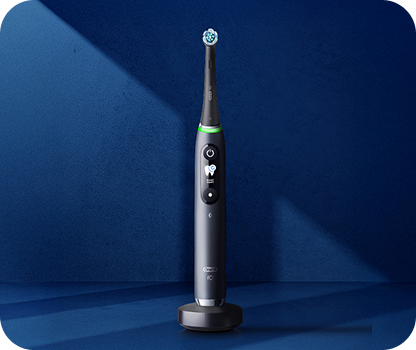
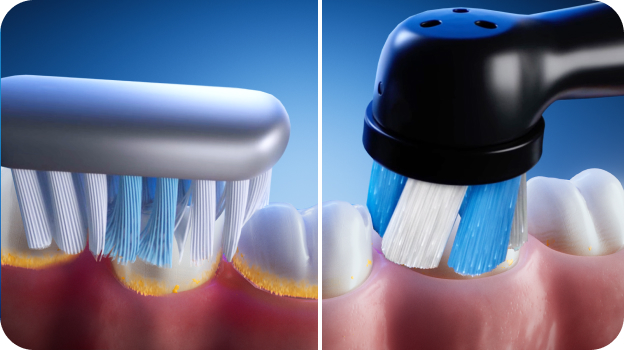
While stomatitis can be painful and impact your confidence, a consistent and effective oral care routine plays a key role in prevention and recovery. That's why Oral-B champions the importance of daily oral hygiene, and the Oral-B iO Series of electric toothbrushes is part of that mission. Designed to be gentle and powerful, the iO Series supports daily oral care.

FAQs

  • Can poor oral hygiene cause stomatitis?

  • How can good oral hygiene help prevent stomatitis?

  • Should I continue brushing if I have stomatitis?

  • When should I see a doctor or dentist for stomatitis?

Sources

Table of Contents

  • What is Stomatitis?
  • Types of Stomatitis
  • Symptoms of Stomatitis
  • Causes of Stomatitis
  • How to Treat Stomatitis
  • How to Prevent Stomatitis
  • Stomatitis Prevention Starts with a Great Oral Hygiene Routine

  • FAQs
  • Sources
drlee-image

This blog has been reviewed and approved by Dr Robert Lee, a dental professional of 35 years

LEARN MORE >

Related Products

1180|403