Summary
If you experience swelling or bleeding from your gums, you may have gingivitis, and it’s recommended that you have this checked by a dentist. In the meantime, you can implement a gingivitis self-care routine to treat the condition on your own and prevent more complicated oral health issues.
In this article, we’ll discuss gingivitis symptoms, how to treat gingivitis at home, and when to see a dentist.
What Is Gingivitis?
Gingivitis is a reversible and common form of gum disease that normally appears where your gums meet your teeth.
At first, gingivitis may not seem all that serious. However, if left untreated in the long term, it can lead to more serious issues, including periodontitis, tooth loss, and problems in other parts of your body.
But what causes gingivitis? Let’s take a look.
Gingivitis Causes
The main cause of gingivitis is plaque — a sticky, colorless biofilm that forms on your teeth after you eat starchy, sugary foods and drinks, such as candy, carbonated beverages, potato chips, and ice cream (just to name a few).
Plaque that accumulates on your teeth for too long can harden into tartar (typically above or below your gum line). Tartar makes it much more difficult to remove the plaque underneath. It actually collects even more bacteria and can only be removed with a professional cleaning at the dental office.
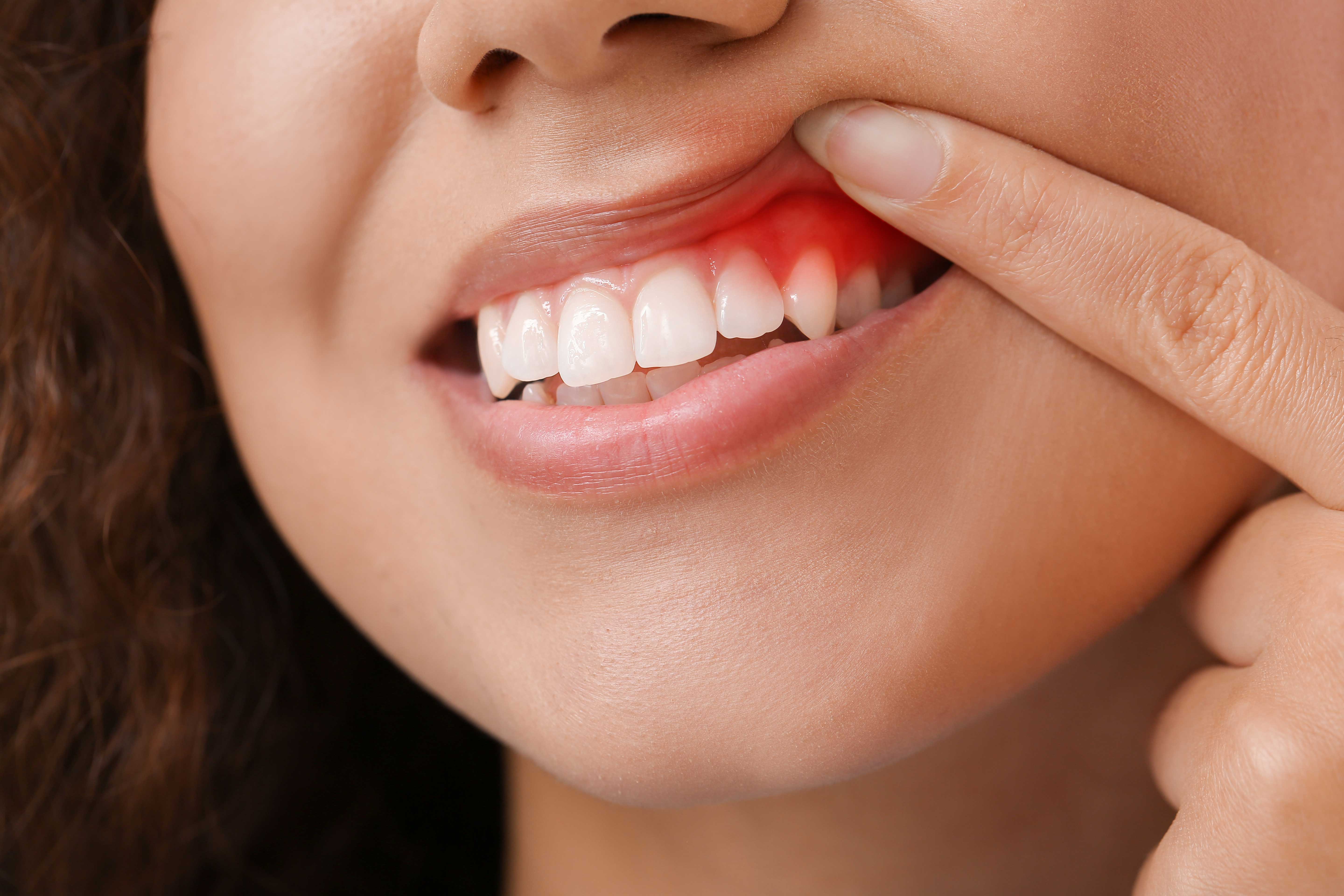
Plaque buildup leads to gingivitis: irritation, swelling, and bleeding gums around the base of your teeth.
While plaque is the main cause of gingivitis, other medical issues and lifestyle choices also contribute to its formation, including:
- Old age
- Dry mouth
- Diabetes
- Poor nutrition (including not getting enough vitamin C)
- Smoking or chewing tobacco
- Hormonal changes
- Conditions that lower immunity (e.g., leukemia or cancer treatment)
- Viral and fungal infections
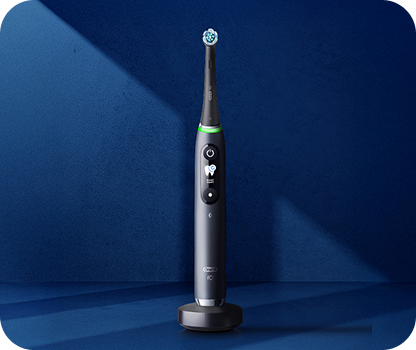
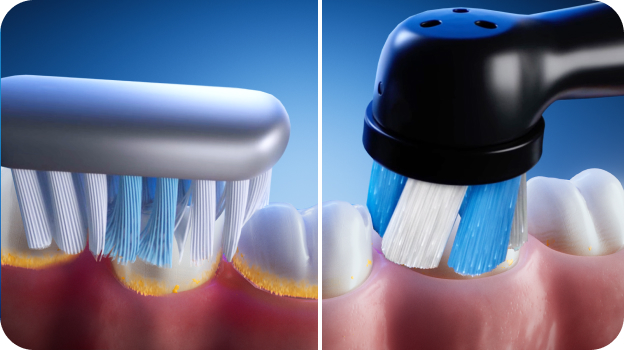
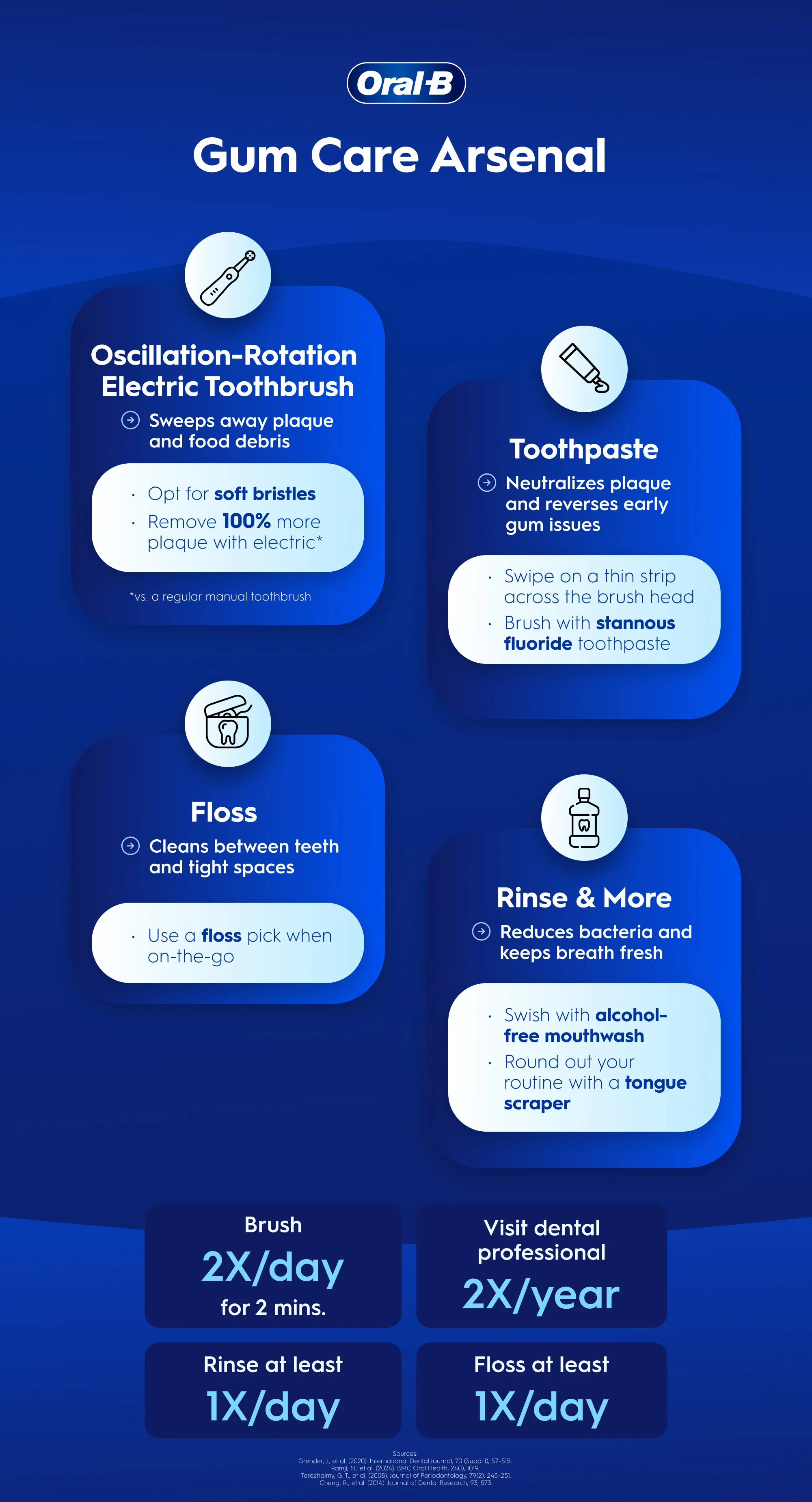
The best thing you can do to prevent plaque buildup and gingivitis is to brush your teeth twice a day with a dentist-approved stannous fluoride toothpaste and an electric toothbrush, floss daily, rinse with an antibacterial mouthwash, and visit your dentist regularly.
Gingivitis Symptoms
To determine if you have gingivitis, you’ll need to examine your gums. Are they firm and pale pink and fit tightly around your teeth? If so, you’ve got healthy gums.
However, if you notice one or more of the below symptoms, you may have gingivitis:
- Swelling
- Gums are bright red, dark red, or a darker color than usual
- Bleeding when you brush or floss
- Tenderness
Gingivitis can also cause bad breath. How? Swollen, puffy, or inflamed gums create space for bacteria to gather and thrive. That bacteria breaks down food particles and releases smelly gases that can manifest as bad breath.
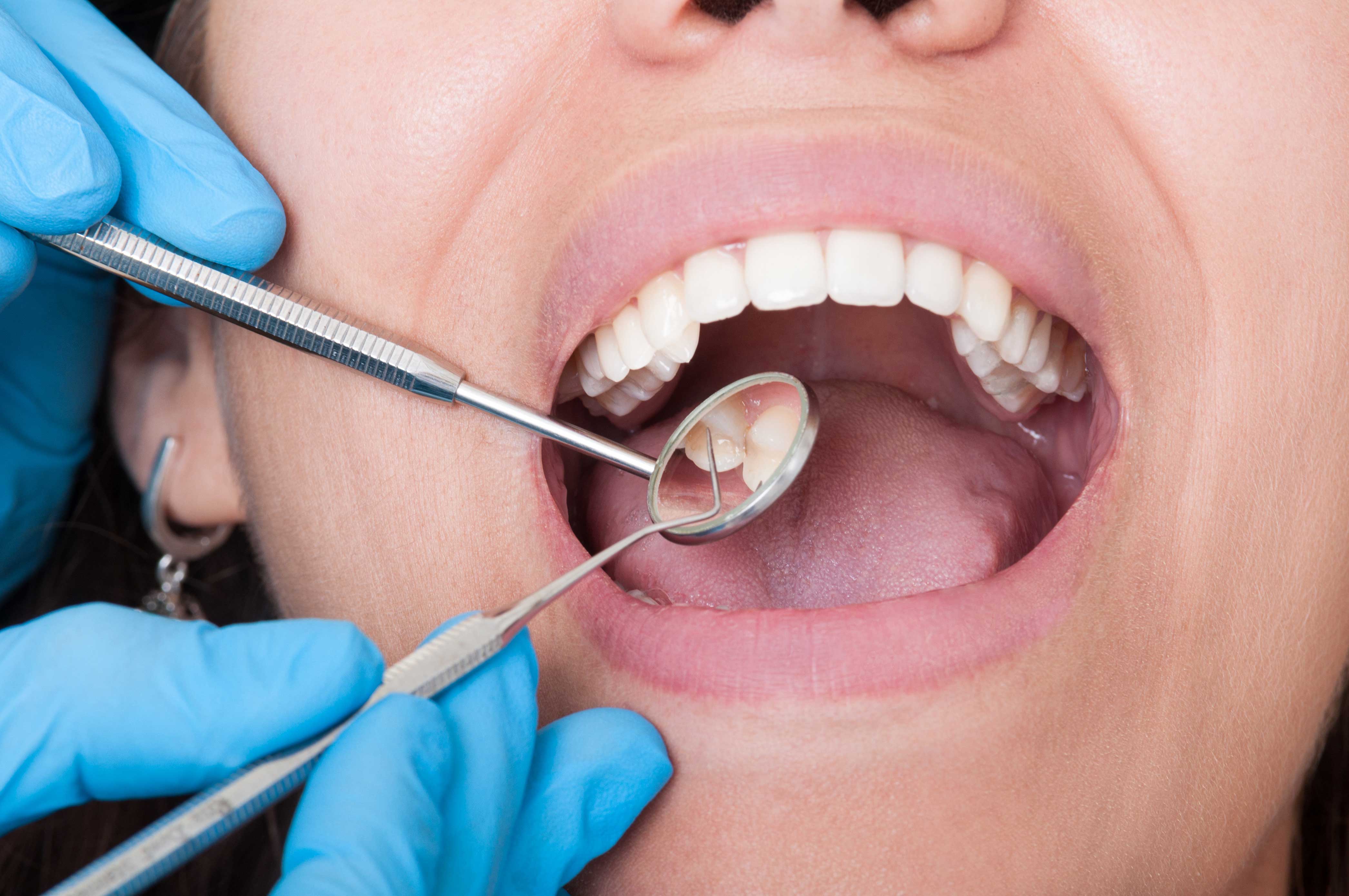
If you notice any of these symptoms, implement gingivitis self-care and schedule an appointment to see your dentist right away.
Complications from Gingivitis
Left neglected over many years, gingivitis may progress to periodontitis, a more serious, irreversible chronic condition.
Research has found associations between periodontitis and more serious conditions that affect your entire body such as:
- Respiratory disease
- Diabetes
- Coronary artery disease
- Stroke
- Rheumatoid arthritis
The good news is that you can reverse gingivitis at home through effective self-care. Keep reading for our top tips.