Summary
Gum pain isn’t just uncomfortable; it can be a sign of a more serious underlying dental issue. So, how do you know if what you’re feeling warrants an immediate visit to the dentist? In this article, we discuss potential causes of gum pain, the symptoms that can accompany it, and treatments to help relieve your pain.
Causes of Gum Pain
Poor Oral Hygiene
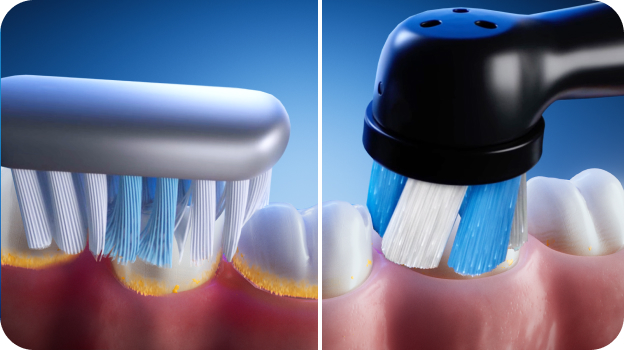
The most common cause of gum pain is poor oral hygiene. Not brushing effectively and flossing enough can cause plaque to build up on your gumline, erode the enamel on your teeth, and eventually lead to infection.
Gum Disease
Gum disease often manifests in stages, starting with gingivitis and progressing to the more serious periodontitis.
Gingivitis — the early stage of gum disease — is characterized by red, swollen, and bleeding gums. The good news is it can be reversed with proper oral hygiene.
Periodontitis — the later, more severe stage — is characterized by your gums pulling away from your teeth, bone loss, and loose teeth. Unlike gingivitis, periodontitis is not reversible.
Vitamin Deficiency
Lack of vitamin B and vitamin C in your diet can lead to swollen and sore gums — alongside other issues, such as exhaustion, headaches, depression, and memory problems (just to name a few).
These deficiencies are more prevalent if you’re not following a healthy, balanced diet that meets the recommended guidelines of enough fruits, vegetables, and lean protein.
Hormonal Changes
Hormone changes can cause gum pain as well. While this condition can affect both men and women, women are more susceptible because of the hormone changes they experience during puberty, menstruation, pregnancy, and menopause.
Pregnancy gingivitis can affect some pregnant women as a result of increased blood flow and hormonal shifts.
Abscessed Tooth
Sometimes, an infection can form below the gumline next to the root of a tooth. This is known as a dental abscess. Abscesses often manifest as swollen, painful gums because the infection is inflamed and is putting pressure on the surrounding tissue.
If left untreated, abscesses can lead to serious complications like systemic infections, so visit your dentist right away if you notice a swollen spot on your gums. They’ll be able to diagnose the problem and recommend an effective treatment.