Difference Between Normal Gums and Teething Gums
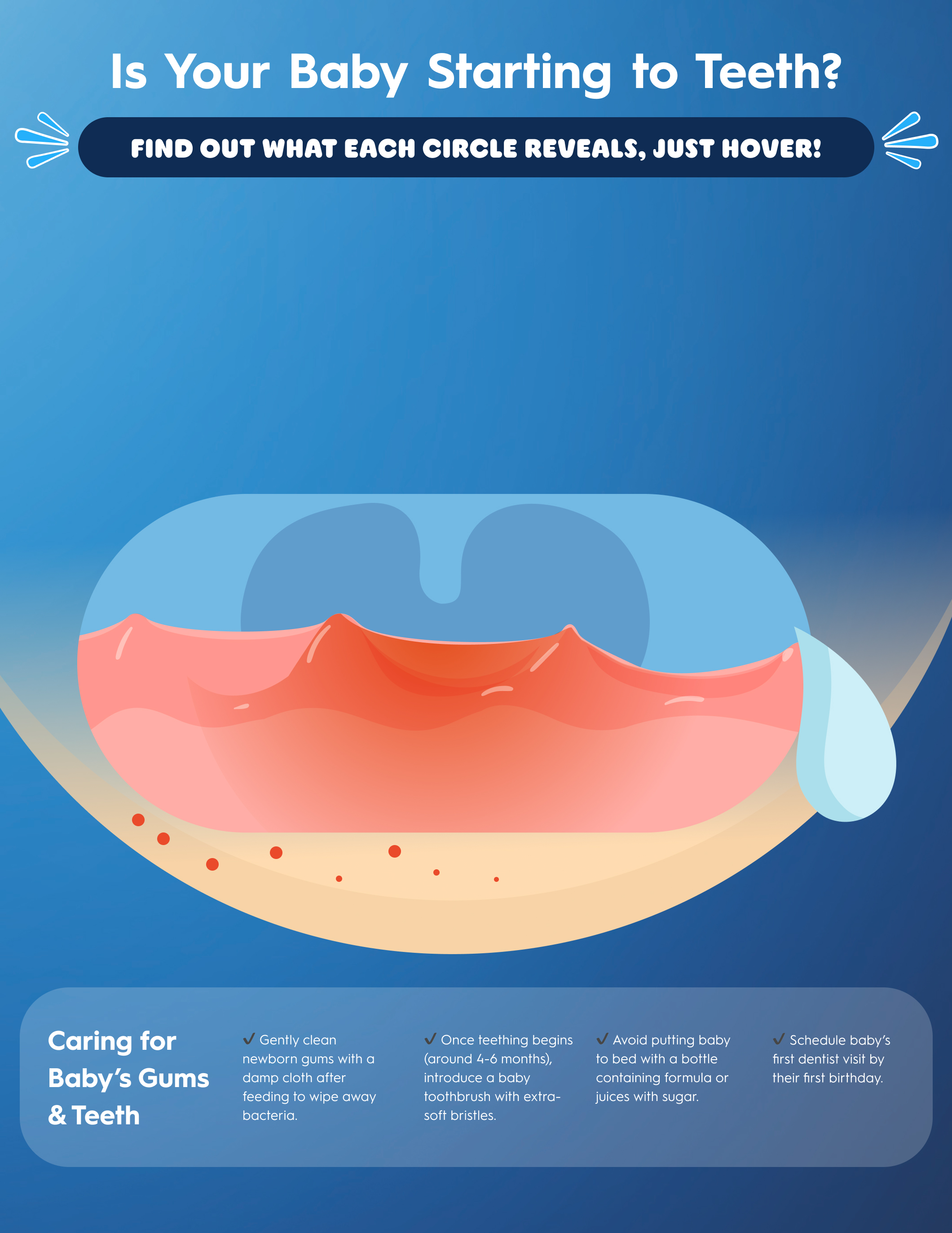
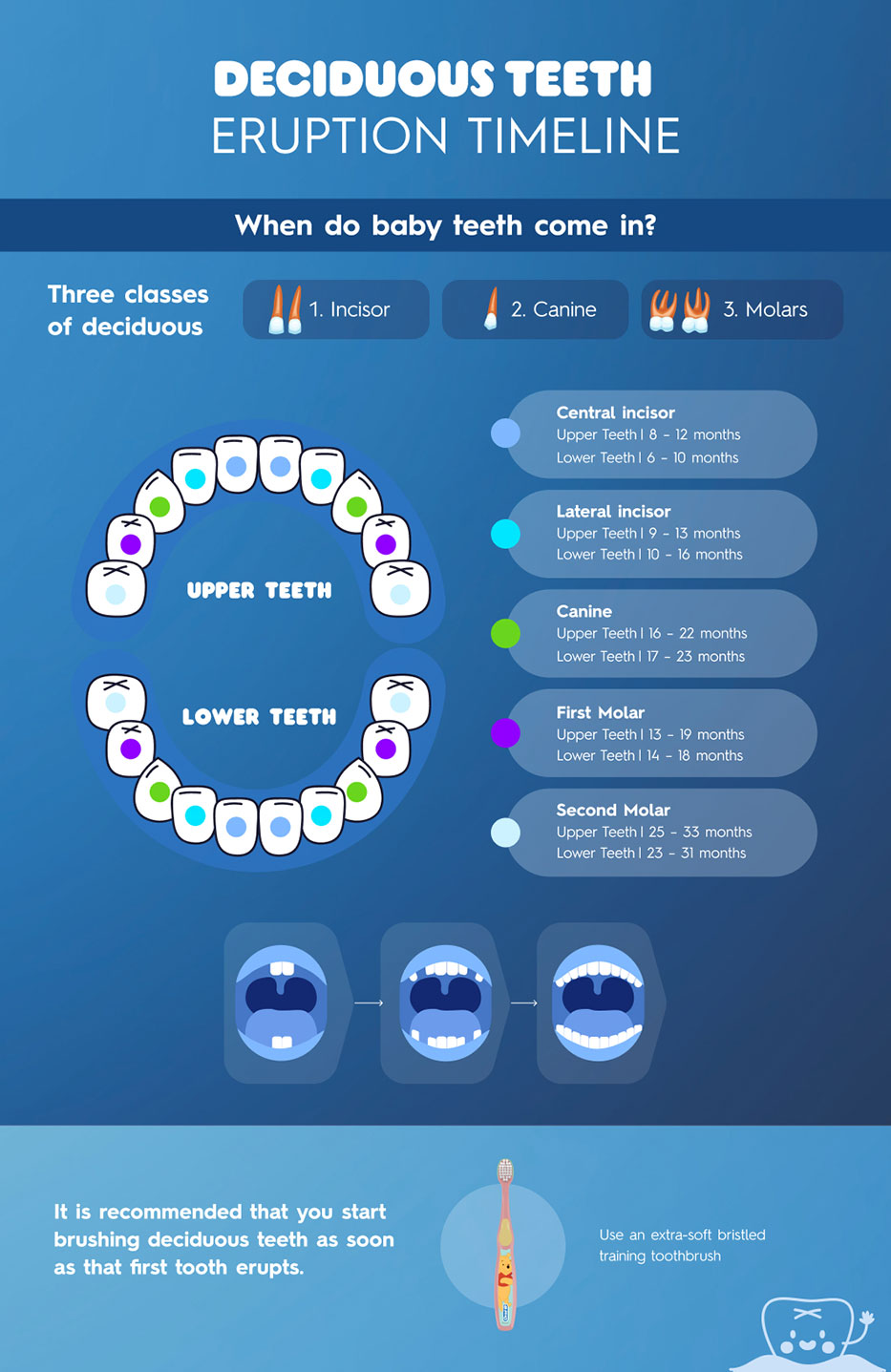
The main difference between teething gums vs. normal gums is their appearance. When baby's gums are normal, they are smooth, and soft, and usually a shade of pink. Teething baby gums, on the other hand may have ridges or bumps, may appear fire-engine red, and are much more sensitive to the touch.
Try soothing your baby's teething gums by gently rubbing their gum line with a cold, damp washcloth, offering a chilled pacifier, bringing out a teether, or giving them cool water from a sippy cup if they're 6 months or older.
When to Seek Professional Help
Every baby goes through the teething phase, and with the right steps, you can offer teething comfort from home. However, there may be instances where you may want to reach out to your pediatric healthcare professional for additional guidance or recommendations.
Signs you need to consult a medical professional include:
- Increased irritability: If your baby begins to experience severe discomfort or irritability, it may be a sign of an underlying issue.
- Fever: Mild fevers are common during teething, however, a high temperature can be cause for concern. If this occurs, see your pediatric healthcare provider right away.
- Rash: Teething or drool rash is very common as baby teeth begin to emerge. However, if a rash persists or spreads, see your medical professional as soon as possible to rule out any other issues.
- Diarrhea: Teething also occurs around the same time as your baby is being introduced to new, solid foods. Sometimes, this can cause diarrhea, if you're concerned then a visit to your healthcare professional may be warranted.
Additionally, make sure to see your child's pediatric dental professional once their first tooth makes its debut or by their first birthday.