Caused by the herpes simplex virus (HSV), cold sores in toddlers can be alarming. Prevent the spread by not touching the sore, not kissing others, and not sharing any eating utensils, drinking glasses, or washcloths.
Read more
"Pacifier teeth" refers to a type of dental misalignment caused by the prolonged use of a pacifier.
Read more
Right before the initial eruption of baby teeth your little one's gums may be tender, swollen, and red in appearance. Gently clean their gums with an extra-soft bristled baby toothbrush or wipe gently along the gum line with a damp washcloth.
Read more
Though deciduous, or baby teeth, begin to form even before birth, the first baby tooth typically cuts through the gum line around 4 to 6 months of age. All 20 primary teeth should be fully erupted by the age of 31 months.
Read more
The major difference between normal baby gums vs. teething gums comes down to appearance. Prior to teething, normal baby gums are smooth and pink. Teething baby gums, on the other hand, may appear red, swollen, and be more tender.
Read more
Often occurring in newborns or young toddlers, thrush in babies' mouths appears as white lesions or sores on the tongue, gums, roof of the mouth, or inner cheeks. To keep your baby's mouth healthy, see your healthcare professional for proper treatment and be sure to gently clean your baby's gums, tongue, and teeth after each feeding.
Read more
Teething rash, also known as drool rash, happens when saliva constantly touches the skin, and forms an irritation in the form of tiny red bumps. These bumps can appear on or around the mouth, neck, and chest. You can't keep your baby from drooling, but you can help keep teething rash at bay. Bibs, gently dabbing away drool, and keeping clean washcloths at hand can help keep their skin less irritated.
Read more
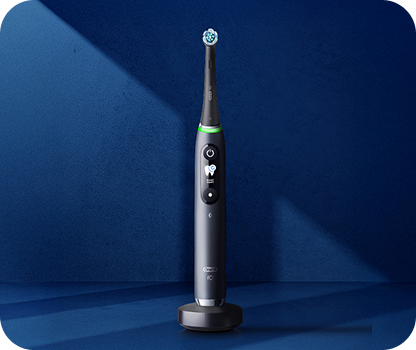
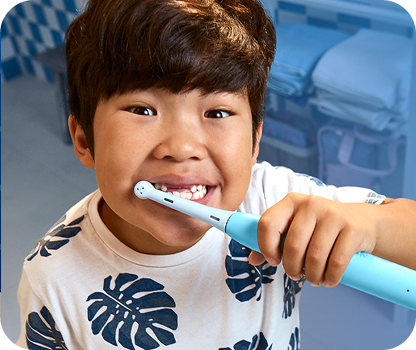
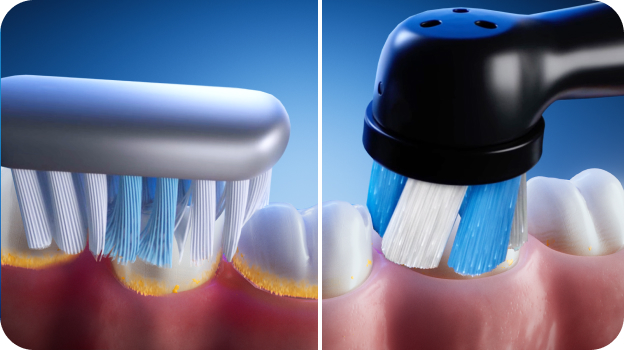
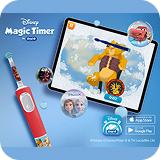
Baby teeth begin to fall out around the ages of 6 to 7 years old. At this age, their first permanent teeth begin to come in as well. This is also a great time to upgrade their oral care routine with a bit of tech! An Oral-B kids' electric toothbrush removes 75% more plaque than a regular manual toothbrush and it comes with features that can make brushing more exciting.
Read more
The #1 oral health issue that affects children are cavities. Limit sugar intake, brush their 2X/day for 2 minutes, and floss at least 1X/day to better prevent early childhood tooth decay.
Read more
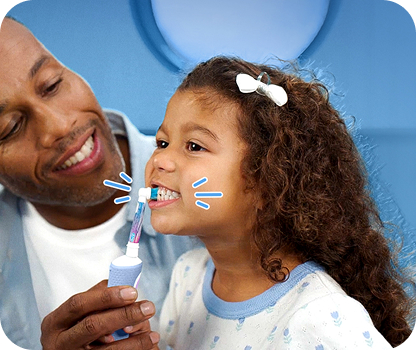
Brushing kids's teeth is crucial to the healthy development of their smiles. Brushing 2X/day is important for kids of all ages. Once they turn 3, a kids electric toothbrush is a great way to remove more plaque, reducing the risk of cavities and gingivitis.
Read more
When looking for the best toothbrush for kids, opt for child-specific toothbrushes with smaller brush heads, ergonomic handles, and extra-soft bristles that are perfect for small mouths and tender gums. All Oral-B toothbrushes for kids are specially designed for kids’ small mouths. For kids ages 3+, introduce an Oral-B Kids’ Electric Toothbrush to their routine to remove 75% more plaque than a regular manual toothbrush.
Read more
Fluoride-free toothpaste is considered a safe option for cleaning baby teeth to help remove plaque and leftover residue after feeding. A fluoride-free toothpaste for kids ages 0 - 2 should be mild in flavor like the strawberry-flavored Crest baby training toothpaste.
Read more
In addition to regular brushing with fluoride toothpaste, the food and drinks your child consumes have an important role in maintaining a healthy mouth. Outside of the commonly known advice to avoid sugary foods and drinks, the foods that are safe for teeth are less well known. Below is an outline of some of the best foods for your child's teeth as well as some foods you should only have as a treat and once or twice a week maximum.
Read more
Once your child's first tooth erupts, it's time for their first dental visit. Although in some cases teething can begin as early as 3 months, often the first baby tooth starts to come out between 6 to 12 months.
Read more
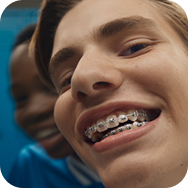
Older children and teenagers may express interest in mouthwash as a breath-freshening agent, and they can reap the benefits of a fluoride rinse as well. Older children who have braces are especially good candidates for fluoride mouth rinses because the rinse can help protect teeth from acid-producing plaque bacteria, which may build up under the brackets.
Read more
Dental health is vital for general health and appearance in childhood and all through life. Preventative dentistry, fighting against oral problems, doesn’t have to be boring; actually, it can be fun. This is an important lesson that all children should learn at an early age to help them get the most out of their oral health routine.
Read more
It’s not uncommon for a child to suck his or her thumb, lip or a finger, as a way to self-soothe or to help fall asleep.
Read more
It’s always best to be prepared, and knowing how to be ready for a dental emergency can be important to your oral health. If left untreated, a chipped or broken tooth, or a broken crown or filling can provide an opening for cavities because the damaged area is hard to keep clean.
Read more
Brushing a child’s teeth is important for many reasons. Primary teeth keep your child’s jaw straight, hold the space for adult teeth, and play an important role in how children learn to chew, smile, and talk. Having healthy teeth will also help with confidence and participation in their education and social life. Establishing good oral health habits early on will help encourage lifelong patterns.
Read more
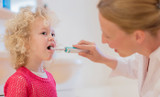
Wipe your baby’s gums with a damp washcloth before teeth come in, then brush as soon as the first tooth appears. Help toddlers brush, and keep supervising as your child learns to brush well for the full 2 minutes. If you choose an electric toothbrush, pick one that’s right for your child’s age.
Read more
Children’s teeth begin forming before birth. The first primary, or baby, teeth erupt through the gums as early as four months. All 20 of the primary teeth usually appear by age three, although their pace and order of eruption varies. Permanent teeth begin appearing around age six. This process will continue until approximately age 21.
Read more
Introduce an Oral-B Kids Electric Toothbrush to your child's oral care routine at the age of 3 to better protect them from cavities and gingivitis. Oral-B Kids' Electric Toothbrushes remove 100% more plaque than a regular manual toothbrush to better prevent cavities and strengthen their smile.
Read more