






Smiling baby

Kids

When Do Baby Teeth Fall Out and New Teeth Come In?

10 minute read

Last updated 08/13/2026

Approved and reviewed by Dr. Gans, a dental professional of over 10 years.

Approved and reviewed by Dr. Gans, a dental professional of over 10 years.

Learn More
  • When Do Baby Teeth Fall Out?
  • Baby Teeth Shedding Chart
  • When Do Adult Teeth Come In?
  • Adult Teeth Eruption Chart
  • Kids' Oral Care Ages 6+
  • Make Independent Brushing Fun
  • Kids Oral Care Recommendations
  • FAQs
  • References

Quick hit key takeaways

1

Many children begin losing baby teeth around ages 6 to 7

2

A loose baby tooth is usually a sign that it may fall out soon

3

Many children begin getting permanent teeth around the same age they start losing baby teeth

4

Baby teeth help children chew and speak, hold space for permanent teeth, and support healthy oral development
Summary

Baby teeth typically begin to fall out around ages 6 to 7, and many children start getting their first permanent teeth around the same time. If you’re considering an electric toothbrush for a child age 3 or older, choose one that is age-appropriate, has soft bristles, and may help make brushing more engaging.

On average, children have all 20 baby teeth by about age 3. Here’s when baby teeth typically fall out, when permanent teeth begin to come in, and how to support healthy brushing habits along the way.

When Do Baby Teeth Fall Out?

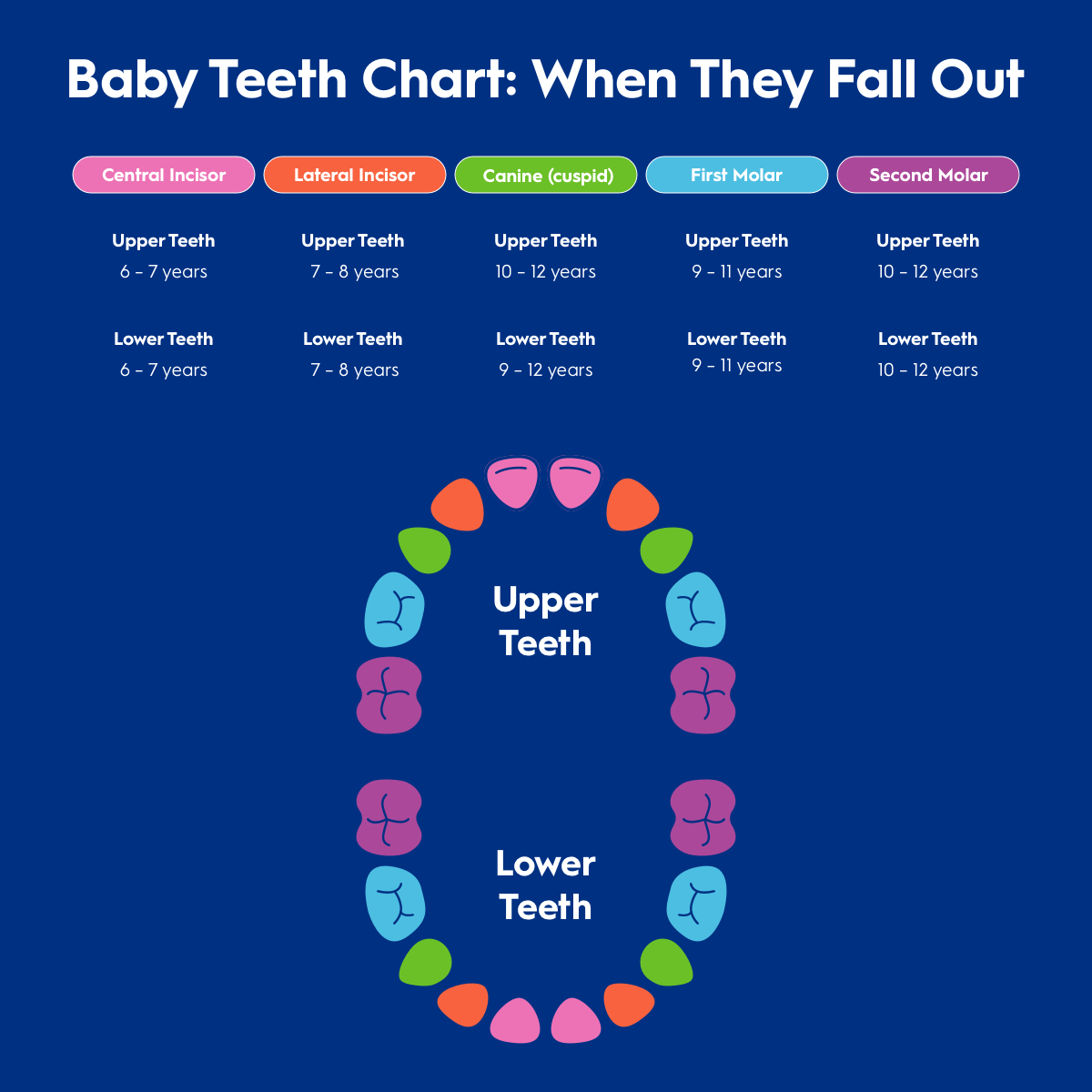
Baby teeth typically begin to fall out around ages 6 to 7. This happens as primary teeth loosen and make room for permanent teeth. The lower central incisors, or bottom front teeth, are often the first baby teeth to become loose and fall out.

The remaining baby teeth will continue to fall out throughout childhood, with the last baby tooth finally departing between the ages of 10 to 12 years old.

Keeping baby teeth healthy is an important part of a growing smile. If a baby tooth is lost earlier than expected because of tooth decay or injury, nearby teeth can sometimes shift, which may affect how the permanent tooth comes in.

Baby Teeth Chart: when they fall out

Baby Teeth Shedding Chart

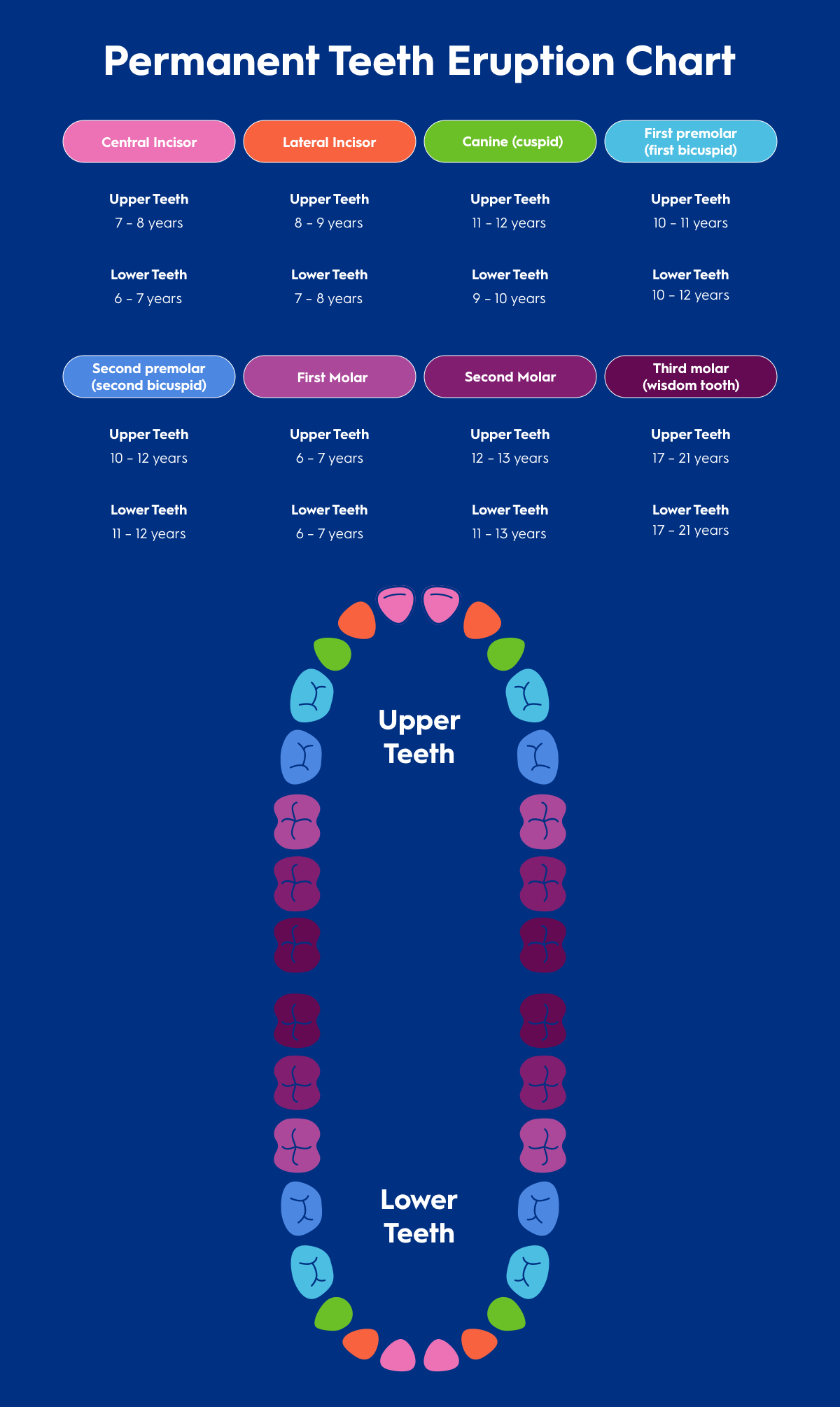
When Do Adult Teeth Come In?

Adult teeth typically start to come in between ages 6 and 7. If you’re considering an electric toothbrush for a child age 3 or older, choose one that is age-appropriate and has soft bristles.

With the exception of wisdom teeth, many children will have most of their permanent teeth by about age 13. Wisdom teeth, if they develop, often appear in the late teen years or early adulthood. Permanent teeth replace the 20 baby teeth over time.

The timing can vary from child to child, and genetics and other factors may play a role.

Adult teeth Eruption Chart

Adult Teeth Eruption Chart

Kids' Oral Care Ages 6+

As permanent teeth come in, choose a fluoride toothpaste like the ADA-accepted Crest Kids Enamel + Cavity Protection Strawberry Toothpaste to help prevent cavities when used as directed.

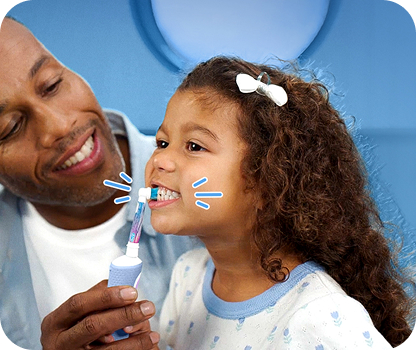
A kids’ electric toothbrush can help remove plaque and make brushing more engaging for some children when used as directed.

Electric toothbrushes can offer a few practical benefits for kids:

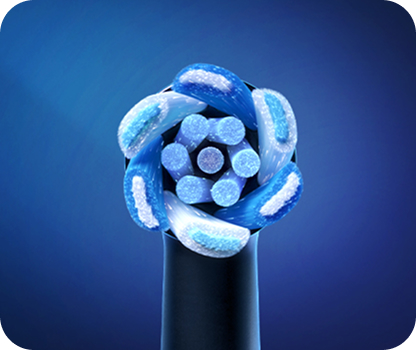
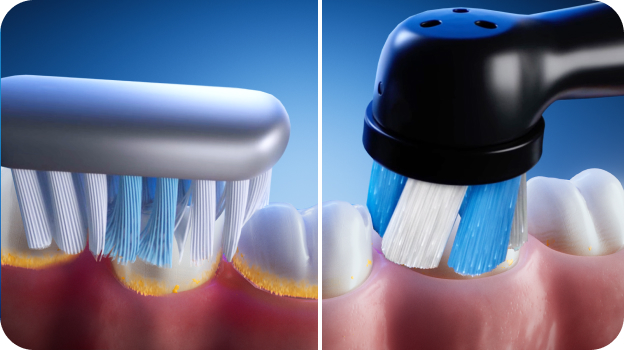
Ease of Use: With an electric toothbrush, children guide the brush along the teeth rather than scrubbing back and forth. A round brush head can help clean tooth surfaces and remove leftover food and plaque when used as directed.

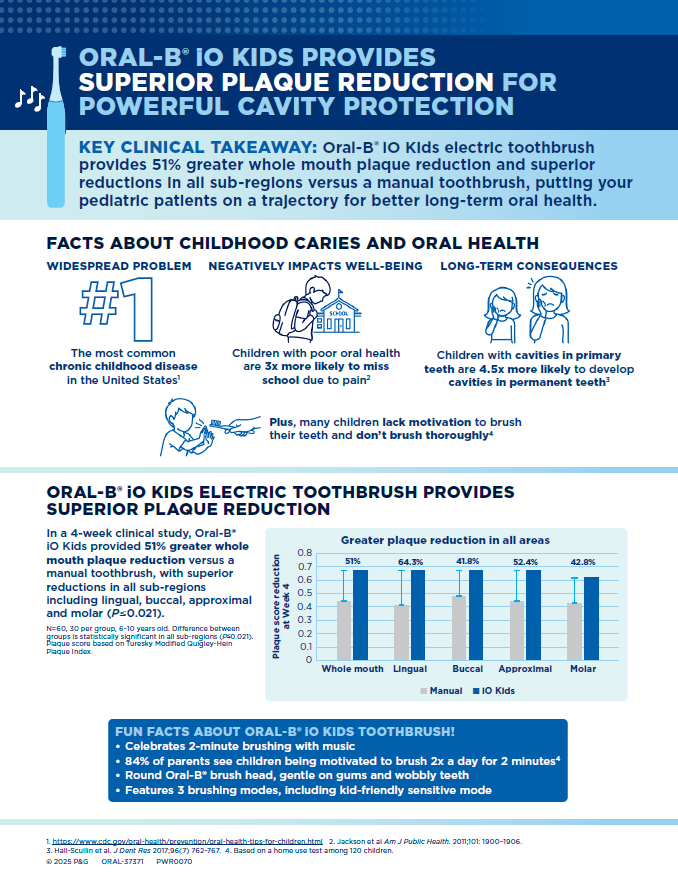
Reliable Clean: Some electric toothbrushes may remove more plaque than a manual toothbrush in children when used as directed, depending on the brush design and study conditions. Removing plaque helps support a healthy oral care routine.

Kids’ Excitement: Whether it’s the novelty, favorite characters, or seeing you use one, an electric toothbrush may help make brushing feel more fun and support a twice-daily routine.

Specialized Bristles: Some kids’ electric toothbrushes are designed with soft bristles and features intended to help clean along the gumline and around orthodontic appliances.

Clinical study infographic for Oral-B iO Kids electric toothbrush showing 51% greater whole mouth plaque reduction versus a manual toothbrush

Make Independent Brushing Fun

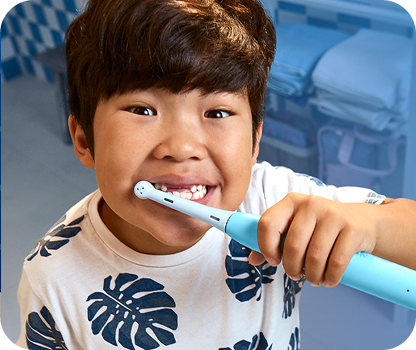
By the age of 6, kids are ready to brush on their own, but they may still need a little more encouragement.

Follow these tips to make brushing more fun for kids ages 6 and up:

  • Family Brush Time: Brush and floss your own teeth at the same time as your child. This sets a good example and helps demonstrate brushing and flossing techniques that support a healthy smile.
  • Gear Up: Make brushing more fun with favorite Disney or Marvel characters. Try the Star Wars Kids Electric Toothbrush or Oral-B’s Supertooth to help encourage regular brushing.
  • Adapt to Them: As your child grows, you may want to update their oral care routine with features that fit their needs. Some electric toothbrushes offer multiple brushing modes, pressure sensors, and app-connected feedback. Some features may also be helpful for cleaning around braces.
  • Reward Them: Help keep brushing and flossing on track with a calendar or sticker system. If they do a good job, reward them with something simple, like extra story time, a favorite game, or a movie night.

As baby teeth fall out, your child is also building brushing habits that can support a lifetime of healthy smiles. Brushing together can help reinforce those routines.

From Oral-B the #1 toothbrush brand used by dentists worldwide.

*BASED ON SURVEYS OF A REPRESENTATIVE WORLDWIDE SAMPLE OF DENTISTS CARRIED OUT FOR P&G REGULARLY.

Kids Oral Care Recommendations

Complete Your Child’s Oral Care Routine

  • Brush your child’s teeth twice a day with a soft-bristled, age-appropriate toothbrush like the Oral-B Manual Toothbrush for Kids 0-2 and a fluoride toothpaste.
  • You can begin using a ‘smear’ of toothpaste for children from 2-3 years old, and then a “pea-sized” amount for children aged 3 to 6 years.
  • For kids age 3 and older, an electric toothbrush is recommended because it can help remove more plaque than a manual toothbrush when used as directed, such as an Oral-B Kids Electric Toothbrush for ages 3+ featuring Disney and Marvel characters.
  • Pair an electric toothbrush with a fluoride toothpaste designed for kids, such as options in the Crest Kids line of fluoride toothpastes.
  • Encourage healthy habits with the Disney Magic Timer App, which may help some kids stay engaged while brushing and encourage them to brush for longer.
  • For kids age 6 and older, a built-in timer can help them brush for the full dentist-recommended 2 minutes. Most Oral-B Electric Toothbrushes for kids include a vibrating timer.
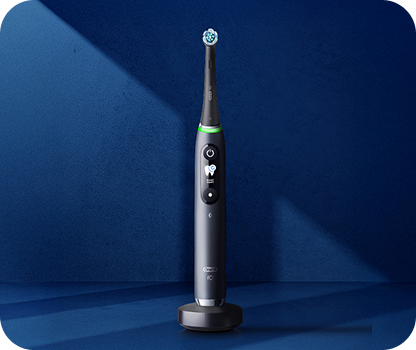
  • For kids ages 12+, choose a brush that fits their needs, including options for braces, bad breath concerns, or sensitive gums, such as one from the Oral-B iO Series.
  • Have them floss at least once daily.
  • Ask your child’s dentist whether a fluoride mouth rinse is appropriate for your child based on age and cavity risk.
  • Schedule regular dental visits for checkups, professional cleanings, and any needed adjustments.

Build your child’s oral care routine with products that fit their age and needs.

FAQs

What are the signs a baby tooth is about to fall out?

A loose or wobbly tooth is usually the clearest sign that a baby tooth may fall out soon.

How long does it take for an adult tooth to grow in after losing a baby tooth?

The timing varies. In some cases, a permanent tooth may begin to appear soon after a baby tooth is lost, while in other cases it can take several months. If you do not see the new tooth coming in or you have concerns, contact your child’s dentist.

What happens if permanent teeth come in before baby teeth fall out?

It’s fairly common for a permanent tooth to begin coming in behind a baby tooth. Often, the baby tooth will loosen and fall out on its own. If it does not start to loosen or you have concerns about how the permanent tooth is coming in, contact a dental professional.

Can decayed baby teeth affect permanent teeth?

Baby teeth are important because they help children chew and speak, hold space for permanent teeth, and support healthy oral development. Untreated decay in baby teeth can lead to pain, infection, and other oral health problems, which is why early dental care matters.

References