Summary
Tooth decay, also called cavities, is one of the most common oral health problems in children. Other oral health concerns can include tooth sensitivity, bite or alignment issues, and gum irritation. To help lower the risk of cavities, limit sugary foods and drinks, brush their teeth twice a day for 2 minutes with fluoride toothpaste, and floss once a day when teeth touch.
Oral health issues can affect kids at any age. Here are some common concerns to watch for and simple ways to help prevent them.
#1 Oral Care Issues in Kids
Tooth decay, also called cavities, is a common oral health problem in children. According to the Centers for Disease Control and Prevention (CDC), more than half of children ages 6 to 8 have had a cavity in at least one baby tooth.
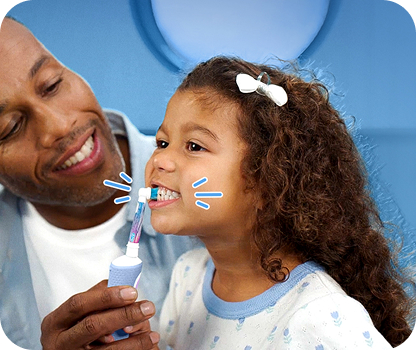
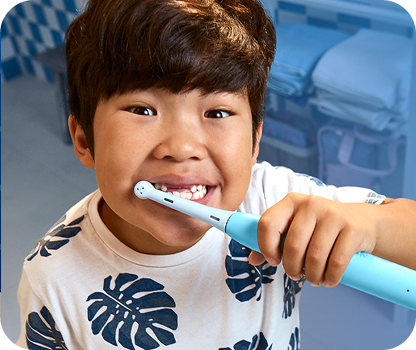
More than half of adolescents ages 12 to 19 have had a cavity in at least one permanent tooth. The best way to help kids of all ages lower their risk of cavities is to follow a thorough oral care routine that includes brushing for 2 minutes twice a day and flossing once a day. Brushing with fluoride toothpaste also helps protect against tooth decay.
Most Common Oral Care Issues in Kids
Apart from cavities, there are other common oral care issues to be on the lookout for to help ensure your child’s dental health stays in good condition.
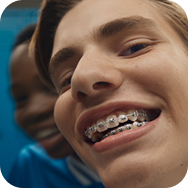
Sensitivity: Tooth sensitivity can cause a lot of discomfort including sudden pain when eating or drinking hot or cold foods. Kids are more prone to tooth sensitivity if they have a cavity, grind their teeth, wear braces, or have newly erupted adult teeth.
Pediatric Gingivitis: Gingivitis can occur in children, especially when plaque is not removed well with brushing and flossing. Crowded teeth may make brushing and flossing harder. Signs can include red or swollen gums and bleeding during brushing or flossing.
Overcrowding and Misalignment: Not all children have straight teeth, and some may benefit from an orthodontic evaluation as they grow. Misalignment issues include wide gaps, inconsistent spacing, overbite, underbite, and open bite.
Dental Emergencies: Accidents happen especially when kids are active. Teeth can chip or crack which can cause sensitivity, or a tooth can get knocked out. If a dental emergency does occur, contact your child’s dental professional right away.
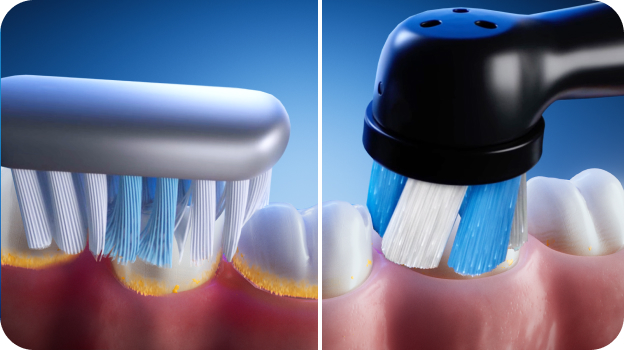
A good daily oral care routine can help lower the risk of tooth decay and gingivitis by removing plaque before it builds up along the teeth and gums.
Early Oral Care Issues in Babies and Toddlers
Babies can develop oral health issues as well, here are the early dental problems to watch out for:
Baby Bottle Tooth Decay: Occurs when a baby’s teeth are in constant contact with sugars, usually from milk, formula, and fruit juices. Properly caring for baby teeth and gums can limit the risk of your baby developing tooth decay.
Thumb Sucking: Thumb sucking, finger sucking, and pacifier use may affect how the teeth and mouth develop if these habits continue for a long time, especially after the permanent teeth begin to come in. In some children, prolonged habits can contribute to bite changes such as an overbite.
Tongue Thrusting: Tongue thrusting occurs when a child pushes their tongue against their front teeth. This can exert pressure on the front teeth which can lead to misalignment and an overbite.
Early Tooth Loss: Tooth decay is often the main culprit of premature tooth loss, along with injury and a lack of space in the jaw. This can cause chewing issues as well as wide gaps between teeth.
Before teeth come in, gently wipe your baby’s gums with a soft, clean cloth. Once teeth appear, brush with a soft-bristled toothbrush and a ‘smear’ of toothpaste for children from 2-3 years old and a “pea-sized” amount for children aged 3 to 6 years.