Dr Robert Lee is a dentist with more than thirty years of experience in the industry.
Graduating from the University of Sydney with a Bachelor of Dental Surgery and from the University of New South Wales with a Master of Business Administration, Robert’s career has taken him all over the world – from Australia to Germany to his current position in Chicago, where he is the founder of Denticus Inc., offering strategic dental consulting.
Robert has previously worked for Procter & Gamble as the Director of Professional Scientific Relations in both the Cincinnati and Sydney offices, being responsible for external relations and scientific exchange with leading professional associations and industry thought leaders. He was also responsible for all technical and scientific training for the professional teams in North America and Australia.
You can find a list of some of the other blogs Robert has approved below:
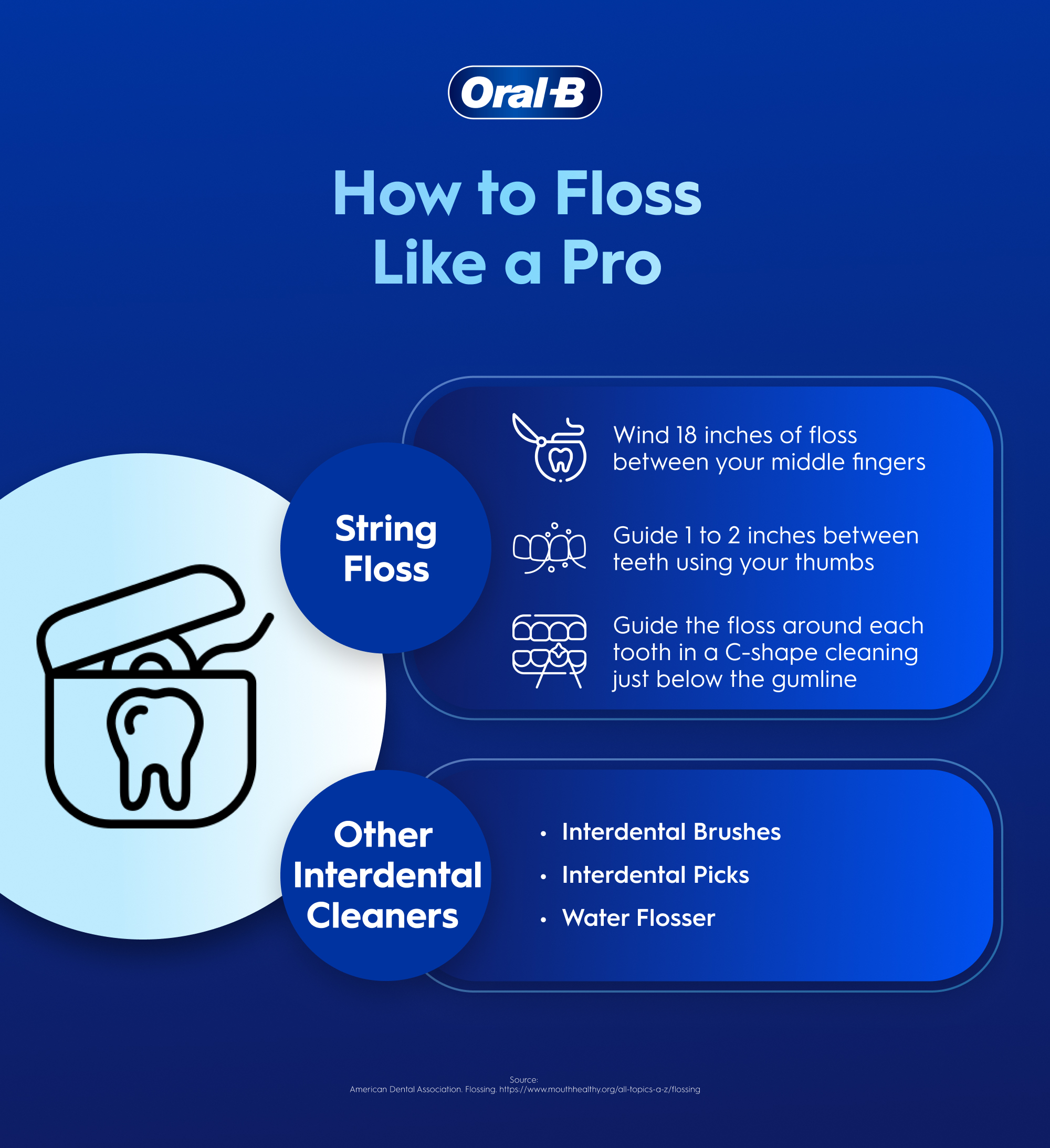
Use about 18 inches of floss, wrapping most around your middle fingers, and using a clean section for each gap.
3
Gently glide floss in a C-shape along each tooth to reach just below the gum line.
4
It’s common for gums to bleed if you haven’t flossed in a while. Be gentle and avoid snapping or sawing. As your gums get healthier, they will bleed less and, in many cases, no longer bleed at all.
5
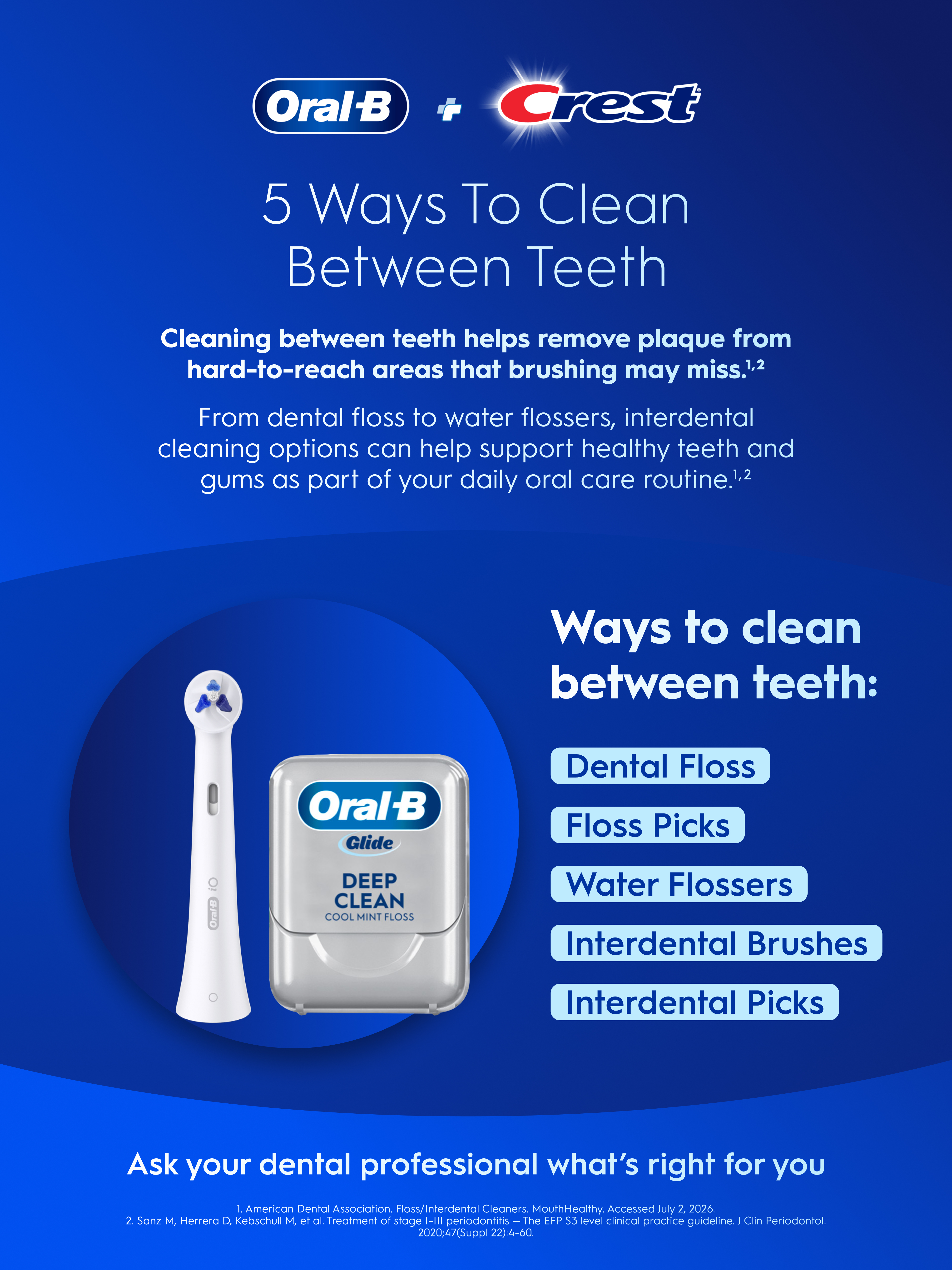
If flossing by hand is tricky, there are useful alternatives, especially floss picks, water flossers, and interdental brushes.
6
Regular flossing can help lower plaque, prevent cavities/gum inflammation, and may even reduce stroke and heart risk.
Summary
Flossing is one of those daily tasks that feels optional, so oftentimes it gets skipped. But that thin string does some big things. It gets to places your toothbrush can't, lifting out plaque and food bits hiding between teeth and along the gum line. Consistent flossing keeps your gums healthy and might even protect your heart. Once you get the hang of it, flossing will be a few simple minutes of your daily routine to protect your teeth and health. So, let’s learn the right way to floss, common mistakes, and helpful tools so you can make flossing an easy habit you’ll never skip.
Why Flossing Matters
Brushing removes plaque and grime from the surfaces of your teeth, but it only cleans about 65% of your tooth surfaces. Flossing tackles the 35% brushing misses, especially between teeth and under the gum line. That matters because plaque buildup in these spots can lead to cavities, gum irritation, and tartar hardening that requires a dentist’s or dental hygienist’s tools to remove. But dental research shows flossing isn’t just about oral health. Everyday oral inflammation may contribute to systemic issues like heart disease, diabetes, and even stroke. Preliminary research presented at an American Heart Association conference in early 2024 involving over 6,000 people found an association between flossing at least once a week and a lower risk of stroke and atrial fibrillation. Another study highlights that good oral hygiene, which helps manage the oral microbiome, is an important factor in supporting overall health and wellness, which contributes to longevity. So, flossing regularly is more than keeping a bright smile—it’s choosing long-term wellness.
There are many benefits, including some you might not have considered:
Fewer cavities by removing plaque where toothbrushes miss
Healthier gums reduce gum inflammation and bleeding
Better breath through cleaning away trapped food and bacteria
Whole body impact because flossing is linked to a lower risk of heart disease, diabetes, and stroke
Lower dentist bills since there are fewer big problems that need addressing along with their bigger bills
Step-By-Step: How to Floss Properly
Follow these steps to floss your teeth correctly and thoroughly:
Step 1: Cut About 18 Inches of Floss That might sound like a lot, but it gives you enough length to use a clean section between each tooth.
Step 2: Wrap the Floss Around Your Fingers Wrap most of the floss around your middle finger in one hand, and the rest around your middle finger in the other hand. Leave about 1–2 inches of floss to work with between your fingers. Hold by your thumbs and index fingers for control.
Step 3: Gently Slide the Floss Between Your Teeth Carefully insert the floss between two teeth with a back-and-forth motion. Don’t snap or force it—gentle pressure is key to avoid hurting your gums or causing them to bleed.
Step 4: Curve it into a “C” Shape Around Each Tooth Once the floss is between your teeth, curve it into a “C” shape around one tooth. Gently slide it up and down along the side of the tooth, reaching just below the gum line.
Step 5: Repeat on the Other Side Still using the same gap, curve the floss around the opposite tooth and repeat the up-and-down motion.
Step 6: Move to a Clean Section of Floss Unwind a little fresh floss from one finger and rewind the used floss onto the other. This keeps you from spreading plaque and bacteria from one area to another.
Step 7: Continue for All Your Teeth Don’t forget the back sides of your last molars. They’re often missed but still need attention.
Step 8: Dispose and Rinse Throw away the used floss; don’t save and reuse it. Then rinse your mouth with water or a gentle rinse to wash away debris.
Common Mistakes to Avoid
✘ Using too much force: This can cut your gums and lead to bleeding or irritation. So be firm, but not rough.
✘ Skipping below the gum line: Curving the floss into the C shape is important to get a deeper clean.
✘ Reusing the same bit of floss: Using a fresh floss section for each tooth stops bacteria from moving from tooth to tooth.
✘ Rushing through it: Give it the time it needs. Proper flossing should take 2-3 minutes.
Flossing Alternatives
If you have trouble using traditional floss, or just don’t like it, here are some alternatives. Because the best choice of flossing method is the one you will use every day:
Floss picks For many people, these are less hassle and pretty handy. They’re good for those with dexterity issues. To avoid transferring bacteria, use a new, clean floss pick for each flossing session, or at a minimum, rinse the pick thoroughly before cleaning between a new set of teeth.
Water flossers A water flosser shoots a jet of water in between teeth. It’s great for mouths with braces, bridges, or tight spaces. Studies show they work well against plaque.
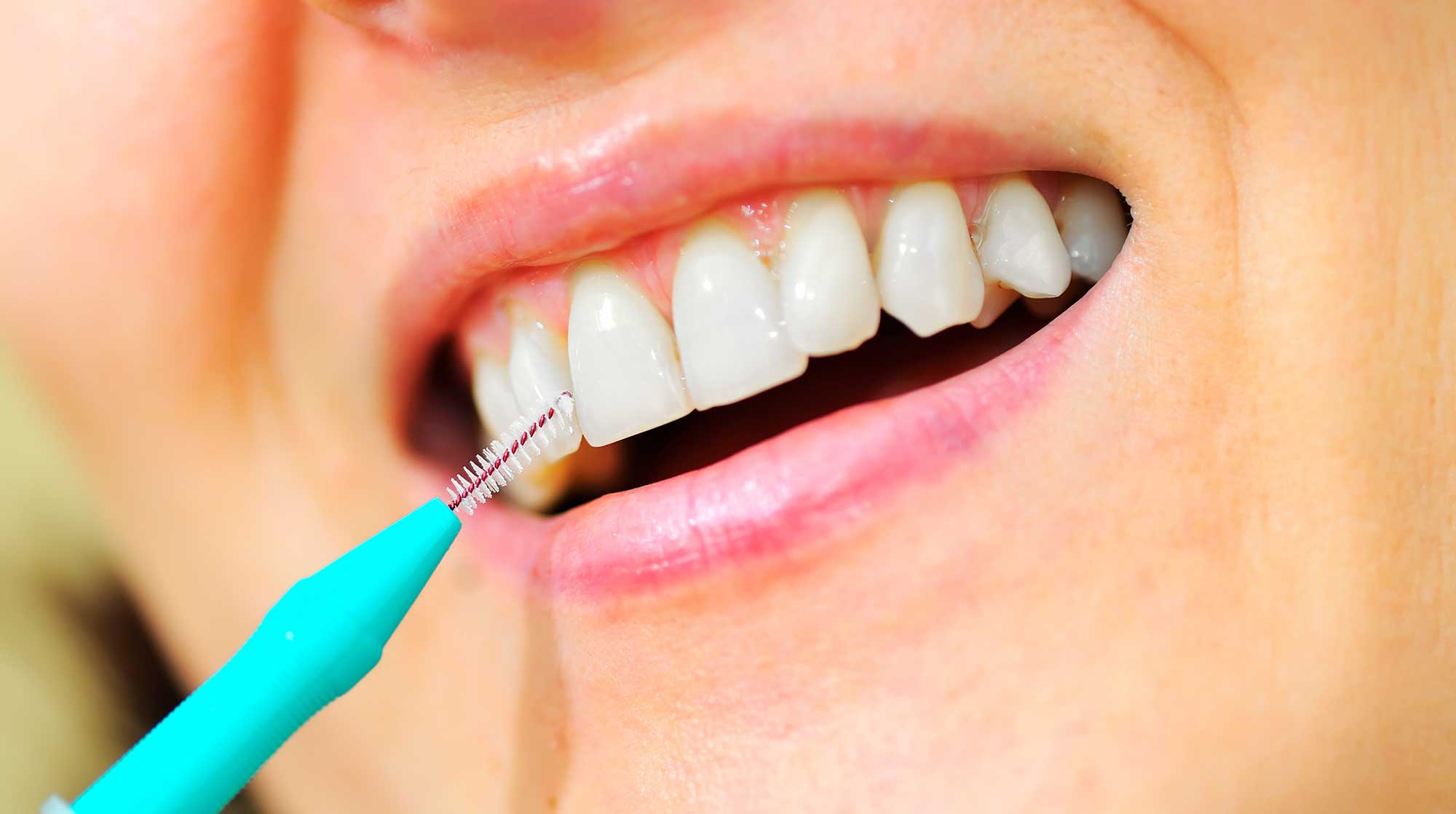
Interdental brushes Small, specialized brushes designed to clean between your teeth, they come in a variety of sizes to fit different-sized gaps. They’re good for use with braces, implants, or for those prone to gum disease.
Dental tape A ribbon-like floss that is ideal if the spaces between teeth are wider. They are also available in small sizes.
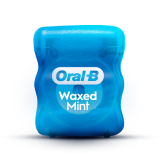
Waxed Floss A traditional floss that’s better for tighter spaces because of the wax.
Tips to Make Flossing a Habit
✔ Pick a consistent time to floss That can be in the morning, after lunch, or before bed. You can also do it before or after brushing. Basically, do it whenever you like, but aim for consistency. That’s the most important thing.
✔ Set reminders Small nudges will help remind you to floss. That could be keeping the floss right next to your toothbrush, setting an alarm on your phone, or taping a note to your mirror.
✔ Be gentle Start flossing softly if you’re sore or your gums bleed. It should subside in a few days.
✔ Ask your dentist or dental hygienist for guidance They can show you proper technique with a mirror and can also recommend the best tools for your mouth.
Summary
Flossing correctly is simple, but impactful on your health. Start with about 18 inches of floss, wrap it around your fingers, and guide it gently between teeth using a back-and-forth motion. Curve it into a C-shape against each tooth and slide it up and down below the gum line. Use a fresh section for every gap, and repeat across all teeth, including the back molars.
Alternatives like floss picks, water flossers, or interdental brushes work well if traditional floss isn’t comfortable to use. Avoid common mistakes: don’t snap the floss, don’t rush, and don’t reuse it. Floss daily, ideally when it fits your routine, and keep floss handy or in sight so you don’t forget.
Proper flossing not only removes hidden plaque and prevents cavities and gum irritation but also supports whole-body wellness. Plus, it may even lower stroke and heart disease risks over time.
Good Oral Hygiene Starts with Oral-B
Healthy gums are crucial to tooth and mouth health. In the event of gum disease (also known as gingivitis), the first line of defense is to see a dental professional. They can do a proper examination, determine the level of periodontal disease, and recommend treatments. But there are things you can do to help.
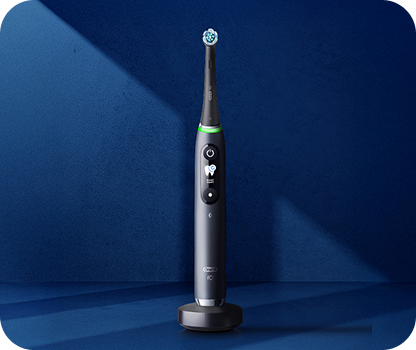
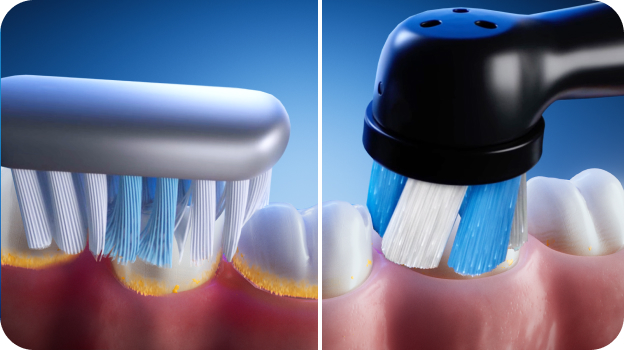
When you brush with Oral-B iO electric toothbrushes, you can protect your gums and help prevent gum recession. Oral-B iO helps you avoid new tooth and gum issues—and if you have gingivitis (the early stage of gum disease), an Oral-B iO can help reverse it more effectively than a manual toothbrush.
The right brush head also makes a big difference in effective cleaning without gum irritation. So, pair your toothbrush with the right toothbrush head, such as the Oral-B iO Gentle Care brush head, that contains dentist-inspired soft bristles and optimized bristle patterns that adapt to the curves of the teeth and gums and provide a gentle clean with maximum comfort. It provides effective cleaning without irritating sensitive areas and gums.
Crest Toothpaste contains stannous fluoride which fights the plaque bacteria that cause gum disease. Pair that with an Oral-B iO electric toothbrush to help reduce bleeding and improve gum health by helping to reverse gingivitis.
Mouthwash can be an important part of your daily oral health routine. The best mouth rinses, like Crest Mouthwash, are clinically proven to provide 24-hour protection against plaque and gingivitis with 2x daily use.
Dental floss, used daily, helps prevent gingivitis as part of a complete dental plan. Look for a floss that can fit more easily into tight spaces, such as Glide Floss.
There is a connection between oral health and systemic health. Oral-B has created a line of products to help a variety of oral health conditions. Because, as a champion of good oral health for all, we know it has other positive health benefits. Research has associated oral health issues with whole body diseases, such as dementia, diabetes, and cardiovascular disease. That’s why, beyond helping with issues such as tooth decay, gum disease, and tooth loss, our products can help prevent and reduce plaque bacteria before they spread to other parts of the body.
Shop this article
1222
FAQs
Are you supposed to use floss before or after brushing?
Either order can work, and consistency is most important. Some studies suggest flossing before brushing may improve interdental plaque removal and fluoride retention, but the difference is small.
How to use dental floss correctly?
Gently glide about 18 inches of floss between your teeth and curve it into a C-shape against the surface of each tooth. Move the floss up and down to clean the sides and reach just below the gum line.
How long should flossing take?
A thorough flossing session often takes about two to three minutes. This ensures you have enough time to clean every gap and reach behind your back molars.
Can I just floss and not brush?
Flossing and brushing are both essential because they clean different areas of your mouth. Brushing cleans the visible surfaces of your teeth while flossing removes the plaque and debris hidden in between them.
What are signs of over-flossing?
Using too much force can cause your gums to bleed or become irritated. Be firm enough to remove plaque but remain gentle to avoid cutting your gum tissue.
Biesbrock, A., et al. (2006). Assessment of treatment responses to dental flossing in twins. Journal of periodontology, 77(8), 1386–1391. https://doi.org/10.1902/jop.2006.050399
Pitchika, V., et al. (2021). Impact of Powered Toothbrush Use and Interdental Cleaning on Oral Health. Journal of Dental Research, 100(5), 487–495. https://doi.org/10.1177/0022034520973952
Sutor, S., et al. (2025). Effect of a powered and a manual toothbrush in subjects susceptible to gingival recession: A 36-month randomized controlled clinical study. International Journal of Dental Hygiene, 23(1), 26–36. https://doi.org/10.1111/idh.12834
Terézhalmy, G. T., et al. (2008). Plaque-removal efficacy of four types of dental floss. Journal of Periodontology, 79(2), 245–251. https://doi.org/10.1902/jop.2008.070345
Zou, Y., et al. (2024). A meta-analysis comparing toothbrush technologies on gingivitis and plaque. International Dental Journal, 74(1), 146-156. https://doi.org/10.1016/j.identj.2023.06.009