Bad Breath During Pregnancy: Causes, Treatment, And Prevention

Pregnant woman in pink dress holding her hand against her mouth
Last Updated : December 04, 2025

SUMMARY

Of all the changes that can happen to your body when you're pregnant, one of the most surprising, and unwelcome, can be an increase in bad breath. If you or others have noticed a less-than-pleasant odor when you speak or breathe, you're not alone. While it doesn't mean you've been neglecting your oral hygiene, the hormonal changes that occur during pregnancy can make you more vulnerable to the bacteria that cause bad breath, also known as halitosis. If this is happening to you, there are ways to keep your breath fresher—or consult your dentist for an expert opinion.

Key Takeaways

  • Bad breath can happen during pregnancy, often due to hormonal changes that increase your risk for gum inflammation and bacteria growth.
  • During pregnancy, especially with morning sickness, it can be hard to maintain your oral health routine. But maintaining good oral hygiene and regular dental visits are essential.
  • There are a range of treatments for halitosis. Staying hydrated and eating a balanced diet can help bad breath. So can avoiding tobacco and caffeine.
  • Consult your dentist or healthcare provider if bad breath persists. Especially because it can also be a symptom of gum disease.

Table of Contents

drlee-image

This blog has been reviewed and approved by Dr Robert Lee, a dental professional of 35 years

LEARN MORE >

Key Takeaways

Why Does Bad Breath Occur During Pregnancy?

Pregnant woman lounging  in bed eating a chocolate bar and potato chips

There are several factors unique to pregnancy that can be the reason for bad breath.

  1. Hormonal Changes
    Pregnancy brings about significant hormonal shifts, particularly increased levels of progesterone and estrogen. These changes can affect your body's response to bacteria, potentially leading to gum inflammation or pregnancy gingivitis—a condition where gums become red, swollen, and may bleed. In fact, according to the Centers for Disease Control and Prevention (CDC), gingivitis affects 60% to 75% of those who are pregnant. This environment can foster bacterial growth, leading to bad breath.

  2. Morning Sickness
    Pregnancy hormones also can cause morning sickness, which introduces stomach acids into the mouth. Those acids can erode tooth enamel and create an environment conducive to bacterial growth, resulting in halitosis. Beyond bad breath, that stomach acid can eat away at the tough layer of enamel on your teeth, leading to decay and cavities. So if morning sickness is an issue, have your dentist keep an eye on things.

    There’s one more thing to watch for. The gag reflex and nausea that come with morning sickness can also make you less likely to brush your teeth well, adding to the potential for decay.

  3. Decrease in Saliva Production
    Saliva is crucial for washing away food particles and neutralizing acids. But some pregnant women experience dry mouth due to reduced saliva production. That decrease can lead to increased bacteria and bad breath.

  4. Dietary Cravings
    Pregnancy cravings and dietary changes might lead you to consume foods with strong odors or high sugar content. Sugary foods can promote bacterial growth in the mouth, contributing to bad breath. So maybe stick to cravings like pickles instead of sweets.

Treating and Preventing Bad Breath During Pregnancy

Addressing halitosis involves a combination of good oral hygiene practices and some possible lifestyle adjustments.

It starts with regular dental check-ups. Continue seeing your dentist during pregnancy for routine cleanings and examinations. Beyond that, inform them about your pregnancy and any issues that come up along the way, so they can provide appropriate advice and care. If you feel the need to see them more often than every six months, by all means, do that.

Staying hydrated will help fight dry mouth. While it’s tricky to increase saliva production, there are things you can do to prioritize hydration. Drinking plenty of water helps compensate for decreased saliva production. You can also chew sugar-free gum, and avoid alcohol, caffeine, and spicy foods.

There are also artificial saliva substitutes available. These come in a variety of options such as solutions, sprays, gels, and lozenges to help keep your mouth moist. A search for dry mouth products will get you started.

Eat a balanced, healthy diet. Despite what might be tempting you, the classic pregnancy cravings, it’s better to limit sugary snacks and opt for a balanced diet rich in fruits, vegetables, whole grains, and lean proteins. Besides their other health benefits, crunchy fruits and vegetables like apples and carrots help clean teeth naturally.

Manage morning sickness. If you're experiencing frequent vomiting, you should rinse your mouth as soon as possible. Water is good, but you can also rinse with a mixture of baking soda and water to neutralize stomach acids. As much as you might want to brush, it’s better to wait. Brushing immediately after vomiting can lead to enamel erosion, so even though it might be hard, hold off for at least 30 minutes.

Avoid tobacco and limit caffeine. No surprises here. Both smoking and excessive caffeine intake can contribute to dry mouth and bad breath. If you smoke, seek support to quit. It obviously has major health benefits beyond helping with bad breath. Also, try to limit caffeine consumption. That nitro cold brew can wait.

We’ve saved the most important for last: prioritize oral hygiene. Hopefully, you already have a healthy routine, so the trick is to maintain it and don’t slack off despite everything going on. So here are a few reminders:

  • Brush Regularly: Use a soft-bristled toothbrush and fluoride toothpaste to brush your teeth at least twice a day. Don't forget to gently brush your tongue to remove bacteria.
  • Floss Daily: Flossing helps remove food particles and plaque from between teeth, areas your toothbrush might miss.
  • Use Mouthwash: An antimicrobial mouthwash can reduce bacteria. Ensure it's alcohol-free, as alcohol can contribute to dry mouth.

Issues Beyond Bad Breath

It’s not exactly news that pregnancy ramps up hormone production. Those increased hormones can lead to periodontal or gum disease. We’ve already mentioned that the surge in hormones can cause inflammation in your gums. This means food can become trapped in swollen gums more easily. This can cause a chain reaction which can lead to plaque buildup on your gumline, which leads to gingivitis and more seriously, gum disease.

Severe cases of gum disease can even cause potential complications in your pregnancy. Research links periodontal disease to potential pregnancy complications, including low birth weight and premature birth. In rare cases, it can even be the reason for preeclampsia during pregnancy, which often results in pre-term births.

So don’t assume that bad breath alone is the problem. It can also be a symptom of something that needs to be looked after.

Call in The Professionals

Dental professional holding tool and leaning over a smiling patient

There’s no better resource than your dentist. If bad breath has become an issue, or persists despite your best efforts to get rid of it, consult your dentist or healthcare provider. They can help find you a solution. Also, persistent halitosis can sometimes indicate underlying health issues that may require attention, so it’s better to loop them in sooner rather than later.

Good Oral Hygiene for Better Breath Starts with Oral-B

No one wants bad breath. Proper and ongoing dental hygiene can keep your breath fresh and your smile radiant. The health of your tongue, gums, and teeth is directly related to your breath. Here are our Oral-B recommendations for oral hygiene and to help bad breath:

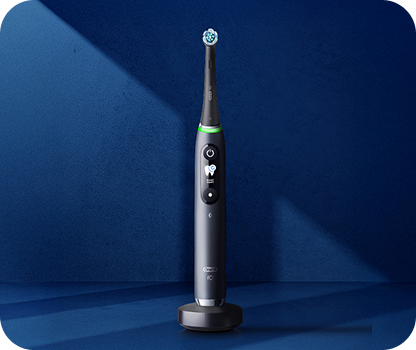
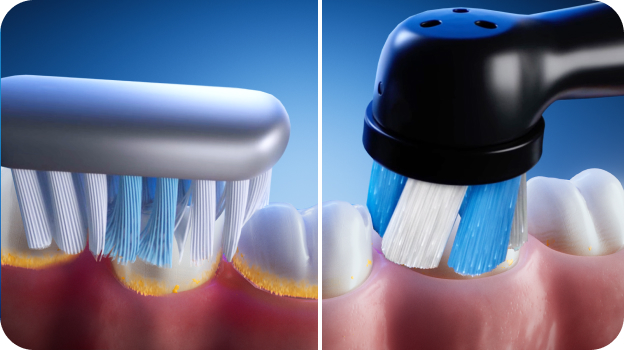
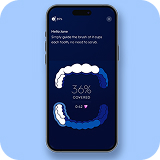
  • Plaque is a major contributor to breath issues. Use an electric toothbrush like the Oral-B iO Electric Toothbrush that has technology and features to remove more plaque than a manual toothbrush, with better coverage of hard-to-reach inside surfaces.
  • The Oral-B Ultimate Clean brush head removes plaque bacteria that can cause bad breath by using different bristle lengths to reach deep where plaque bacteria and food love to hide.
  • Using a stannous fluoride toothpaste like Crest Pro-Health Advanced helps neutralize plaque bacteria that can lead to bad breath as well as helps prevent tooth decay and tartar.
  • Oral-B Glide Floss has a microtextured fiber that removes plaque bacteria for a superior clean between teeth and below the gum line. And a cleaner mouth equals better breath.
  • Crest Mouthwashes can help bad breath, restore weakened enamel, and come in a variety of flavors to leave breath feeling refreshed.

Summary

Experiencing bad breath during pregnancy is a common, occasionally embarrassing, but totally manageable issue. Many of the things your body goes through, such as hormonal changes and morning sickness, have a direct impact on things like bad breath and your overall oral health.

Once you understand the causes, it’s easier to implement things like effective oral hygiene practices, better dietary choices, and adjusting your lifestyle, so you can have fresh breath throughout your pregnancy. As always, regular dental visits and open, honest communication with your healthcare providers will be the key. It will help address any concerns and ensure both your oral health and comfort level during an amazing yet challenging time.

FAQs

  • Why do I have bad breath during pregnancy?
  • How to stop bad breath during pregnancy.

Sources


Adam, R. E., et al. (2025). A randomized clinical trial evaluating plaque and gingivitis effects of an entry-tier oscillating-rotating electric toothbrush. Journal of Dental Hygiene, 99(5), 6–17. https://jdh.adha.org/content/99/5/6

Cheng, R., et al. (2014). Breath and plaque prevention with cetylpyridinium chloride rinses: clinical meta-analysis. Journal of Dental Research, 93, 573. https://iadr.abstractarchives.com/abstract/43am-185497/breath-and-plaque-prevention-with-cetylpyridinium-chloride-rinses-clinical-meta-analysis

Goyal, C. R., et al. (2021). A 6-month randomized controlled trial evaluating a novel smart-connected oscillating-rotating toothbrush versus a smart-connected sonic toothbrush for the reduction of plaque and gingivitis. American Journal of Dentistry, 34(1), 54-60. https://pubmed.ncbi.nlm.nih.gov/33544990/

Grender, J., et al. (2020). An 8-week randomized controlled trial comparing the effect of a novel oscillating-rotating toothbrush versus a manual toothbrush on plaque and gingivitis. International Dental Journal, 70, S7–S15. https://doi.org/10.1111/idj.12571

Zsiska, M., et al. (2021). Investigation of oral malodor prevention by dentifrices as measured by VSC reduction. Journal of breath research, 15(3), 10.1088/1752-7163/abf209. https://doi.org/10.1088/1752-7163/abf209

Table of Contents

  1. Why Does Bad Breath Occur During Pregnancy?
  2. Treating and Preventing Bad Breath During Pregnancy
  3. Issues Beyond Bad Breath
  4. Call in The Professionals
  5. Good Oral Hygiene for Better Breath Starts with Oral-B
  6. Summary

  7. FAQs
  8. Sources
drlee-image

This blog has been reviewed and approved by Dr Robert Lee, a dental professional of 35 years

LEARN MORE >

Related Products

1222