Cavity Pain: What It Feels Like, Relief, and Remedies

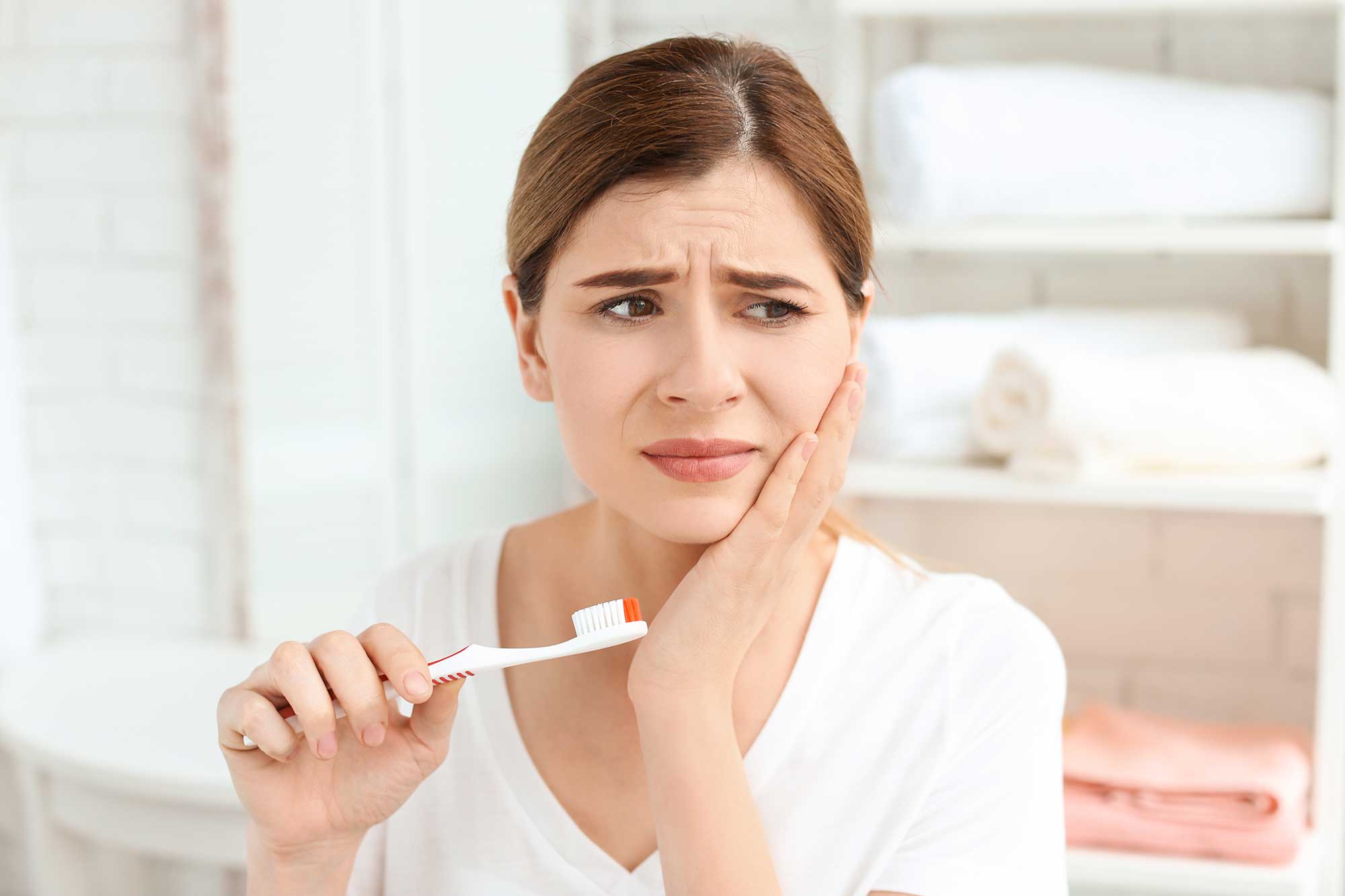
Grimacing woman holding hand against one side of her jaw
Last Updated : December 04, 2025

SUMMARY

When you feel pain in a tooth, whether it’s a throbbing or a sudden sharp pain, cavities are often the cause. Sometimes the pain is triggered when the tooth is sensitive to hot or cold. Or it could be a sharp pain when you bite into something hard. Regardless, the best course of action is to make an appointment with your dentist as soon as possible.
In the meantime, there are home remedies to temporarily relieve the pain. And most importantly there are ways to avoid getting a cavity in the first place. So, let’s examine what cavity pain feels like, what to do about it, and how to keep it from happening again.

Key Takeaways

  • There is a range of cavity pain. It can be dull, sharp, or sensitive to hot/cold.
  • Home remedies like clove oil and saltwater may help temporarily but aren’t cures.
  • Dentists treat cavities with fillings, crowns, or root canals.
  • Good oral hygiene and regular checkups are the best prevention.
  • Don’t ignore early warning signs – cavity pain (and damage) only gets worse with time.

Table of Contents

drlee-image

This blog has been reviewed and approved by Dr Robert Lee, a dental professional of 35 years

LEARN MORE >

Key Takeaways

What Does Cavity Pain Feel Like?

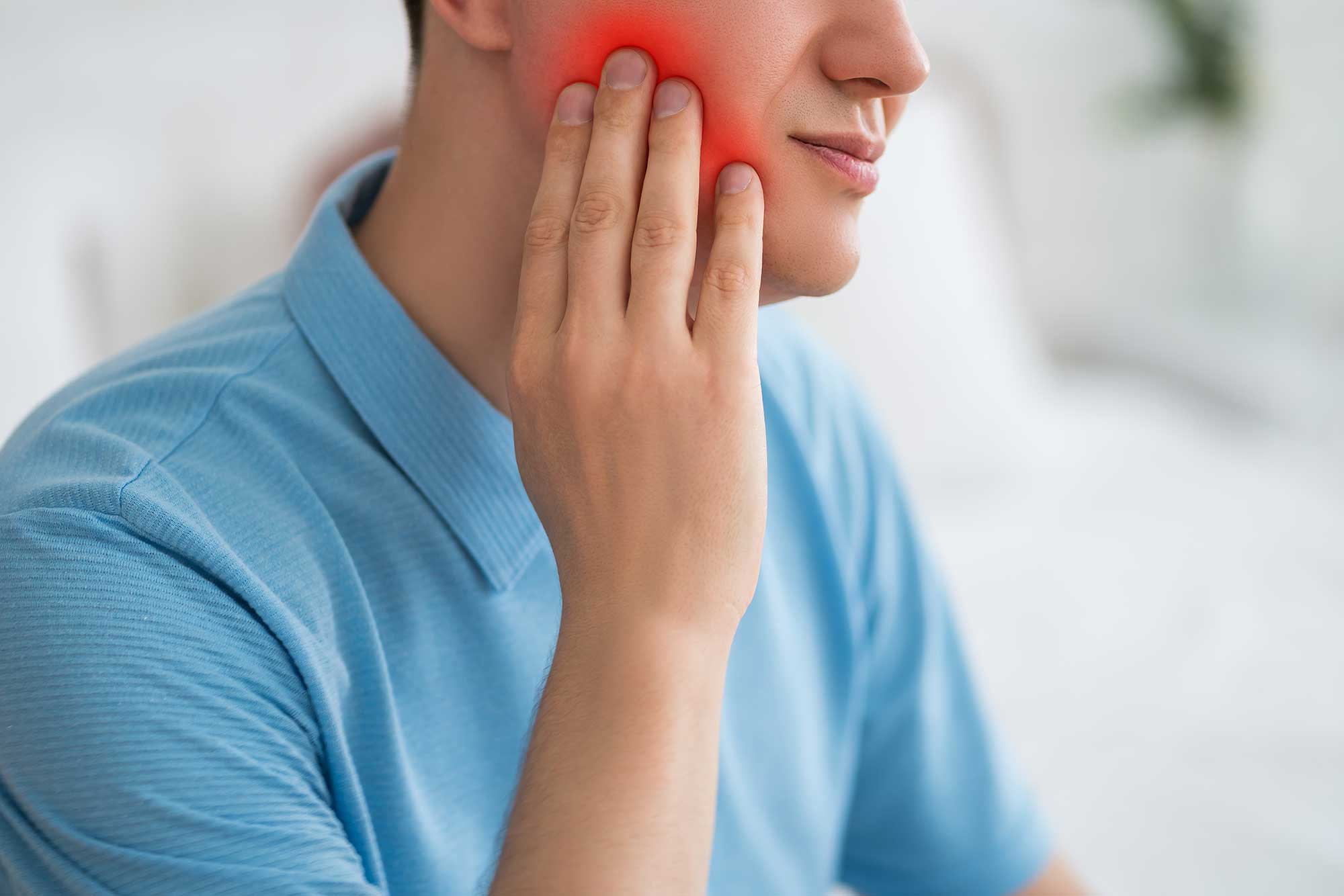
Man holding side of a red, dramatized cheek to show pain

Cavity pain can show up in different ways depending on how far the decay has progressed. Here are the most common types of pain people notice:

  • A Dull Ache
    This is usually the first sign that something’s wrong. You might feel a low-level ache that comes and goes. It might be easy to ignore at first—but don’t. This early warning sign means bacteria are eating away at your enamel (the hard outer layer of your tooth).
  • Tooth Sensitivity
    Sensitivity to hot, cold, or even sweet foods can be a clue that a cavity is forming. The enamel may be thinning or a small hole might already be letting in food and fluids that irritate the nerves.
  • Sharp or Jabbing Pain
    As decay reaches the deeper layers of your tooth, the pain can get sharp and intense. This type of pain might hit suddenly and linger, especially when chewing.
  • Pain When Biting Down
    If it hurts to chew on one side of your mouth, a cavity might be putting pressure on a sensitive spot, or it could be a crack caused by weakened enamel.

Why Cavities Hurt

A cavity starts small, with acid from plaque bacteria slowly eating through the enamel. At first, you won’t feel anything. But once the decay gets past the enamel and into the softer layers underneath, nerves start to react. Teeth are so hard that you might not think that each tooth is alive, with nerves and blood vessels inside. When the protective enamel is breached, even tiny amounts of pressure or temperature changes can trigger pain.

Home Remedies to Ease Cavity Pain (Temporarily)

If you’re dealing with cavity pain and can’t get to a dentist right away, there are some ways to manage the discomfort at home. Keep in mind these are temporary fixes, not cures. They’re meant to help until you can get to the dentist’s office, not be a substitute for going.

  • Salt Water Rinse:
    o Reduces inflammation and cleans out bacteria from the affected area.
    o Mix half a teaspoon of salt into a glass of warm water. Swish it around your mouth for 30 seconds, then spit it out.
  • Over-the-Counter Pain Relievers
    o Ibuprofen or acetaminophen can help with inflammation and pain.
  • Cold Compress
    o Helps numb the pain and reduce swelling.
    o Hold a cold pack (or a bag of frozen peas wrapped in a towel) to your cheek near the sore spot for 15 minutes at a time.
  • Clove Oil
    o Clove oil contains eugenol, a natural numbing agent. It tastes strong but can take the edge off the pain.
    o Dab a little on a cotton ball and gently press it against the sore tooth.

Long Term Solutions

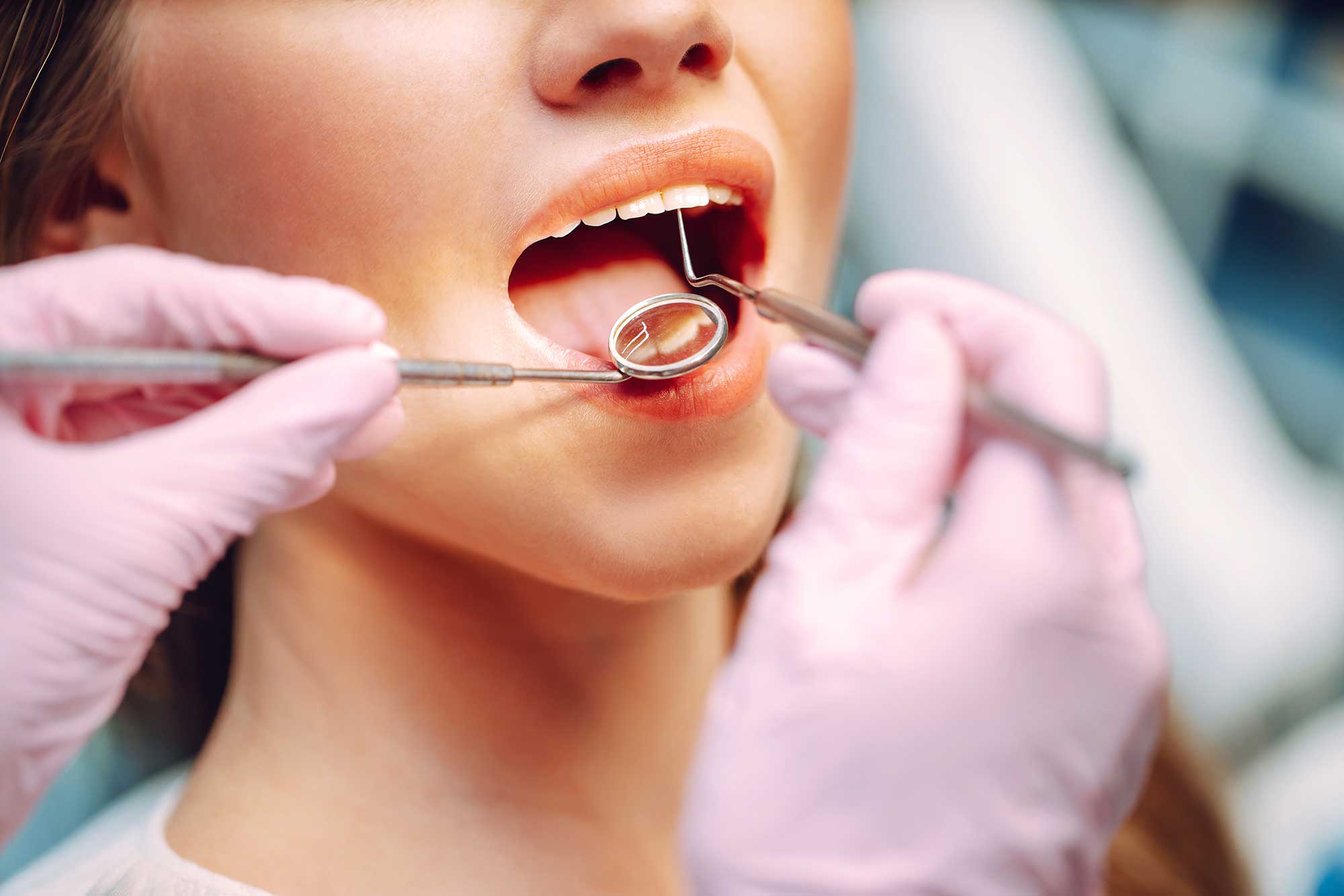
Dental professional probing a patient’s mouth with tools

No home remedy can fix a cavity. The only real way to stop the pain, eliminate any decay, and save your tooth is to see a dentist. The longer you wait, the worse it gets—and the more expensive (and painful) it can be to fix.

Here are some common dental treatments, depending on how bad the cavity is:

  • Fillings
    The most common cavity fix. The dentist removes the decayed part of the tooth and fills it in with a material like composite resin or silver amalgam. Fillings are quick, relatively painless, and usually only take one visit.
    It’s not uncommon to experience some pain or sensitivity after a tooth filling, but it should subside within a few days to a couple of weeks.
  • Crowns
    If a large part of the tooth is damaged, a filling might not be enough. A crown might be called for. It’s basically a cap that fits over your tooth to restore its shape, strength and function.
  • Root Canals
    When the decay reaches the tooth’s inner nerves, a root canal might be needed. This is a pain-relieving procedure where the infected nerves are removed, and the space is sealed up.
  • Extractions
    Unfortunately, if the tooth is too damaged to save, it might have to come out. Your dentist will be able to suggest options for replacing it, like a bridge or dental implant.

How to Prevent Cavities in the First Place

The best way to avoid issues with cavities is to not get one in the first place. Prevention is the goal, and that is all about good habits:

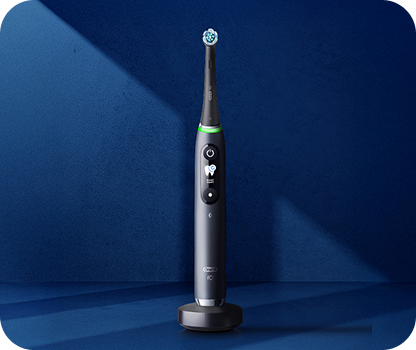
  • Brush twice a day. While you’re at it, use a good fluoride toothpaste like Crest Toothpaste, and take your time. The American Dental Association recommends brushing for 2 minutes, twice a day—Oral-B iO electric toothbrushes feature a built-in timer to help you get that dentist-recommended clean every time.
  • Floss daily. This gets food particles out from between teeth before they can become trouble.
  • Cut back on sugary snacks and drinks. Sugar fuels the bacteria that cause decay.
  • Drink water especially after eating to rinse away acids.
  • See your dentist or dental hygienist twice a year for cleanings and checkups.

When to Call the Dentist

You don’t have to be in agony to need a dentist. In general, the earlier you go, the easier the fix. Catching a cavity early can save your tooth, not to mention your wallet.

Here are some signs and symptoms it’s time to make that appointment:

  • Tooth pain that lasts more than a day or two
  • Sensitivity to hot or cold
  • Pain when biting or chewing
  • Visible holes or dark spots on your tooth
  • Bad breath that won’t go away

Summary

Cavities are often the cause when you feel pain in a tooth. Cavity pain can show up as a dull ache or a sharp pain. Sometimes you notice it when a tooth is sensitive to hot or cold. Or when you bite into something hard. Regardless, the best course of action is to make an appointment with your dentist as soon as possible.

While home remedies like saltwater rinses or clove oil can help, they’re just temporary fixes. To truly fix a cavity, you’ll need to see a dentist. Depending on how far the decay has gone, treatments can range from simple fillings to crowns to root canals.

The best way to avoid cavity pain? Don’t let it start in the first place. Regular brushing, flossing, and dental checkups are your best defense. But if you do have pain, don’t ignore early warning signs – cavity pain (and damage) only gets worse with time.

Avoid Cavities, Tooth Decay and Tartar with Oral-B

Keep your teeth clean and cavity-free. Things like tooth decay and tartar happen when plaque forms on teeth as a sticky film. Plaque contains bacteria that feed on sugar from food and drinks. As these bacteria metabolize sugar, they release acids that can erode tooth enamel. This can lead to cavities and other problems. But help is just a toothbrush away. Here are a few suggestions to help establish a regular, effective routine.

  • Try switching to an electric toothbrush, such as the Oral-B iO electric toothbrush, which protects teeth and gums from the leading causes of tooth decay, signs of early gum disease, and tooth loss.
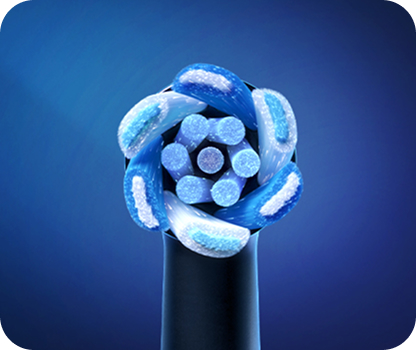
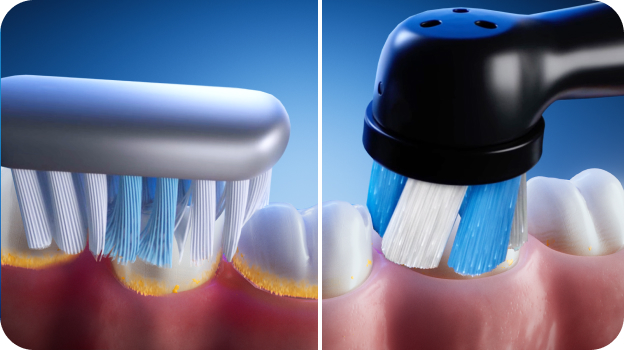
  • The right toothbrush head, such as the Oral-B iO Ultimate Clean brush head, removes plaque and has different bristle lengths that reach deep into the spaces between your teeth, where plaque bacteria love to hide.
  • Use with Crest ProHealth Toothpaste which contains stannous fluoride. It protects for up to 12 hours to help stop cavities before they start.
  • Another way to ensure your teeth stay cavity and tartar free, swish with Crest Mouthwash.
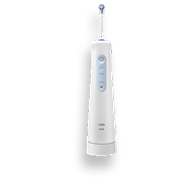
  • To help prevent tooth decay and reduce your risk of developing gum disease by removing plaque, floss your teeth at least once daily with Oral-B floss, and make sure you get around every tooth. Another easy add-on to help your oral care and prevent cavities from forming is to use an Oral-B water flosser.

There is a connection between oral health and systemic health, so it’s important to treat conditions like tooth decay and gum disease as soon as possible. That’s why Oral-B, in partnership with Crest, is committed to championing oral health for all, conducting research and creating products to help with a wide range of oral health conditions. Oral-B products help protect teeth and gums from the leading causes of tooth decay, signs of early gum disease, and tooth loss.

FAQs

  • Can you have a cavity without pain?
  • Does tooth pain mean a cavity?
  • Does cavity pain come and go?

Sources


Chen, C. K., et al. (2017). Association between chronic periodontitis and the risk of Alzheimer's disease: A retrospective, population-based, matched-cohort study. Alzheimer's Research & Therapy, 9, 56. https://alzres.biomedcentral.com/articles/10.1186/s13195-017-0282-6

Ganss, C., et al. N. (2018). Tooth brushing motion patterns with manual and powered toothbrushes-a randomised video observation study. Clinical Oral Investigations, 22(2), 715–720. https://link.springer.com/article/10.1007/s00784-017-2146-7

Grender, J., et al. (2020). An 8-week randomized controlled trial comparing the effect of a novel oscillating-rotating toothbrush versus a manual toothbrush on plaque and gingivitis. International Dental Journal, 70, S7–S15. https://www.sciencedirect.com/science/article/pii/S0020653920314647?via%3Dihub

Grossi, S. G., et al. (1998). Periodontal disease and diabetes mellitus: A two-way relationship. Annals of Periodontology, 3, 51-61. https://aap.onlinelibrary.wiley.com/doi/10.1902/annals.1998.3.1.51

Janket, S. J., et al. (2003). Meta-analysis of periodontal disease and risk for coronary heart disease and stroke. Oral Surgery, Oral Medicine, Oral Pathology, Oral Radiology, and Endodontology, 95, 559-569. https://doi.org/10.1067/moe.2003.107

Scientific American. (2021). The Surprising Perils of Periodontal Disease. https://www.scientificamerican.com/custom-media/healthy-mouth-healthy-body/the-surprising-perils-of-periodontal-disease/

Xie, S., et al. (2024). Stannous fluoride forms aggregates between outer and inner membranes leading to membrane rupture of Porphyromonas gingivalis and Prevotella pallens. Frontiers in Oral Health, 5, 1427008. https://doi.org/10.3389/froh.2024.1427008

Zou, Y., et al. (2024). A meta-analysis comparing toothbrush technologies on gingivitis and plaque. International Dental Journal, 74(1), 146-156. https://doi.org/10.1016/j.identj.2023.06.009

Table of Contents

  • What Does Cavity Pain Feel Like?
  • Why Cavities Hurt
  • Home Remedies to Ease Cavity Pain (Temporarily)
  • Long Term Solutions
  • How to Prevent Cavities in the First Place
  • When to Call the Dentist
  • Summary
  • Avoid Cavities, Tooth Decay and Tartar with Oral-B

  • FAQs
  • Sources
drlee-image

This blog has been reviewed and approved by Dr Robert Lee, a dental professional of 35 years

LEARN MORE >

Related Products

1222