








What is Remineralization? How to Remineralize Your Teeth

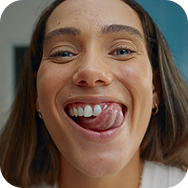
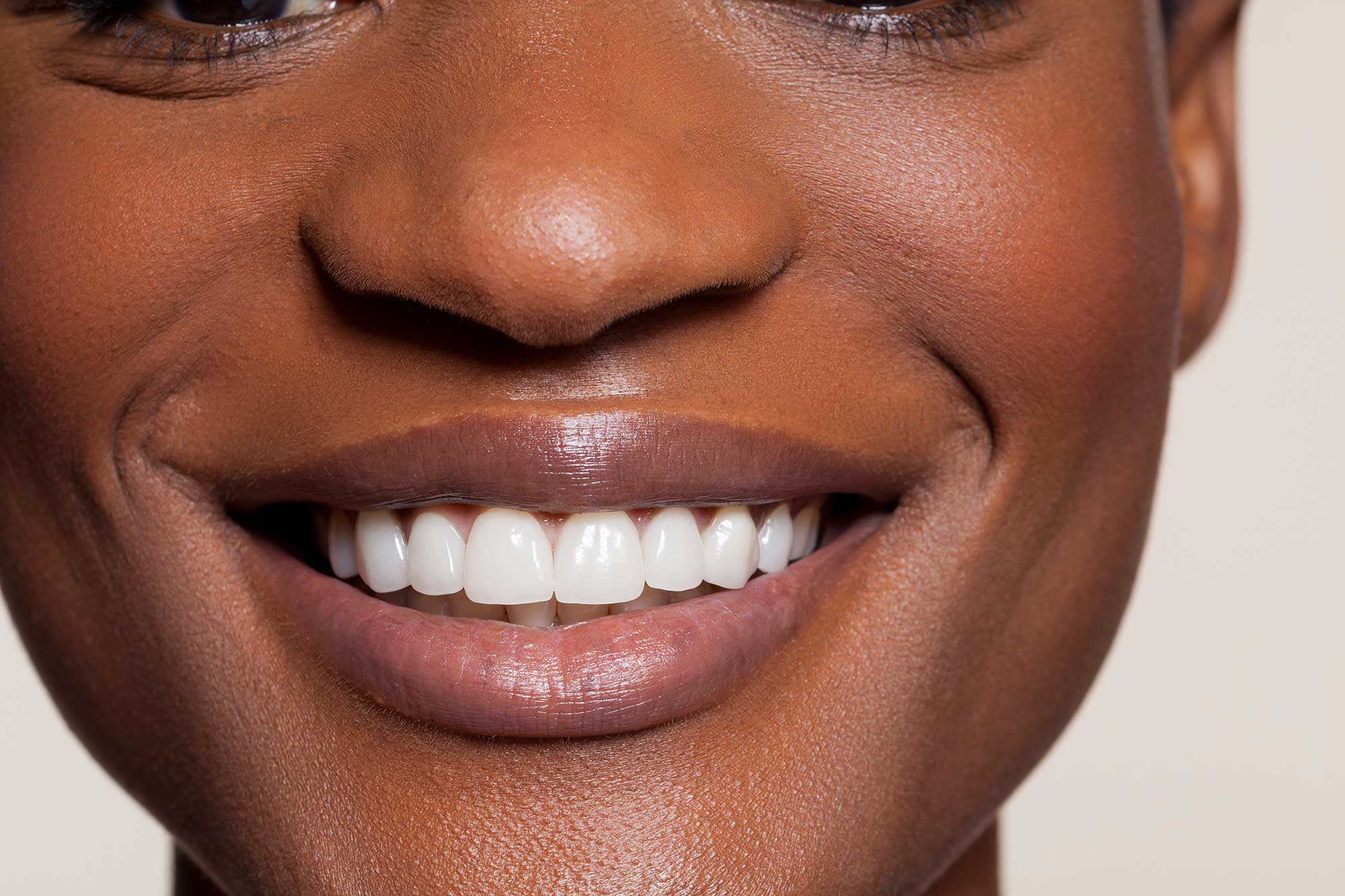
Close-up of a smiling woman showing her healthy, white teeth
Last Updated : December 4, 2025

Summary

If you've ever wondered whether it's possible to reverse early tooth decay without resorting to fillings, you're not alone. Your teeth have a remarkable ability to heal themselves through a natural process called remineralization. Remineralizing your teeth can be supported with simple lifestyle changes. By brushing with remineralizing toothpaste, eating a nutritious diet, staying hydrated, limiting acidic and sugary foods, and practicing good oral hygiene, you can strengthen your enamel and maintain a healthy smile.

Key Takeaways

  • Remineralization is the natural repair process where minerals like calcium and phosphate are redeposited into the enamel, strengthening it and repairing and reversing early damage.
  • Fluoride is essential because it strengthens enamel and aids in remineralization.
  • Chew sugar-free gum. It stimulates saliva production, enhancing remineralization.
  • Stay hydrated, eat a healthy diet containing calcium, phosphate, and vitamin D and limit sugary and acidic foods.
  • Use remineralizing products with proven ingredients like fluoride. Toothpastes containing stannous fluoride are particularly effective as they not only help rebuild enamel but also protect against acid attacks.
  • Always practice good oral hygiene. Regular brushing and flossing are fundamental to oral health.
  • Consult your dentist or dental hygienist if you notice white spots on your teeth, increased sensitivity, or other changes in your teeth.
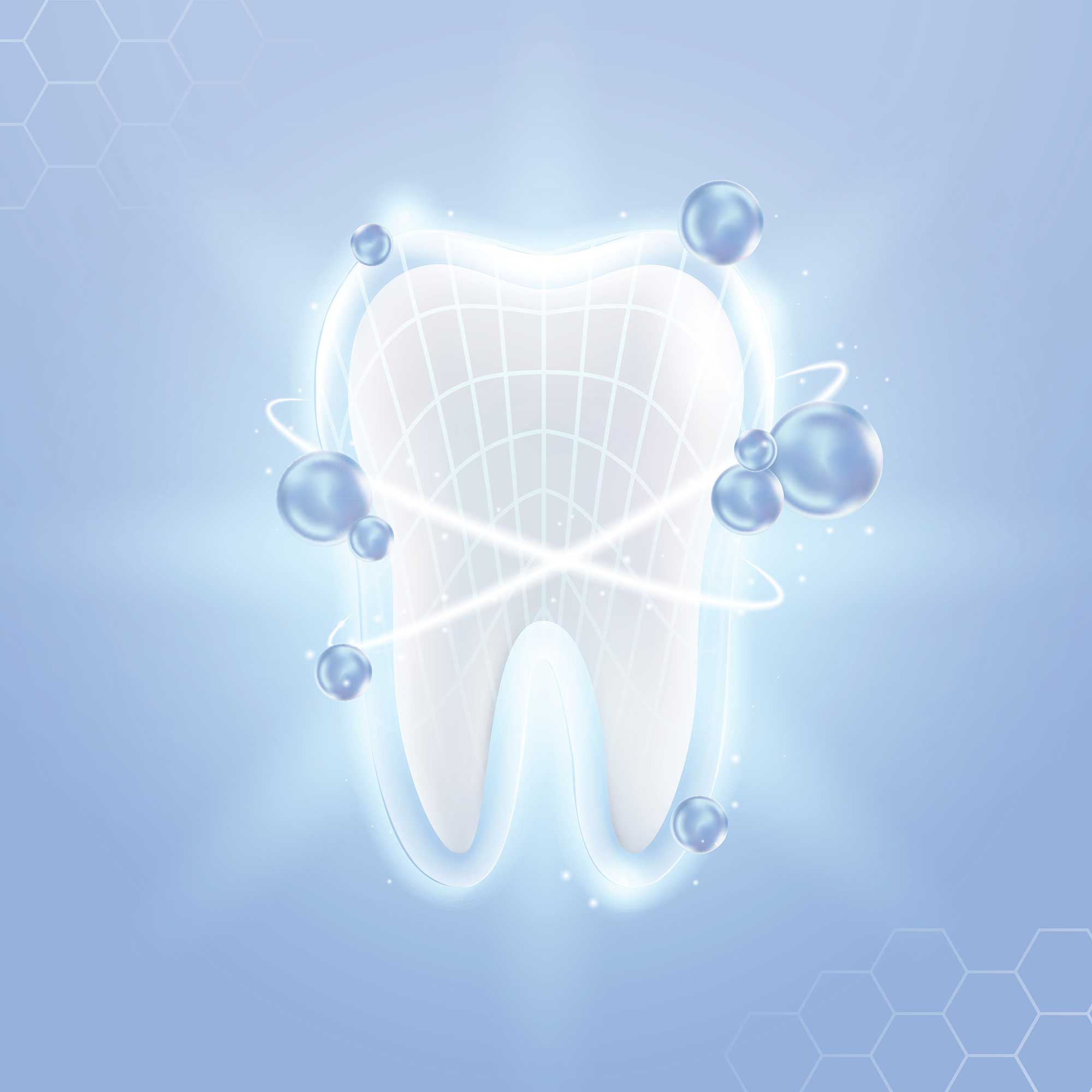
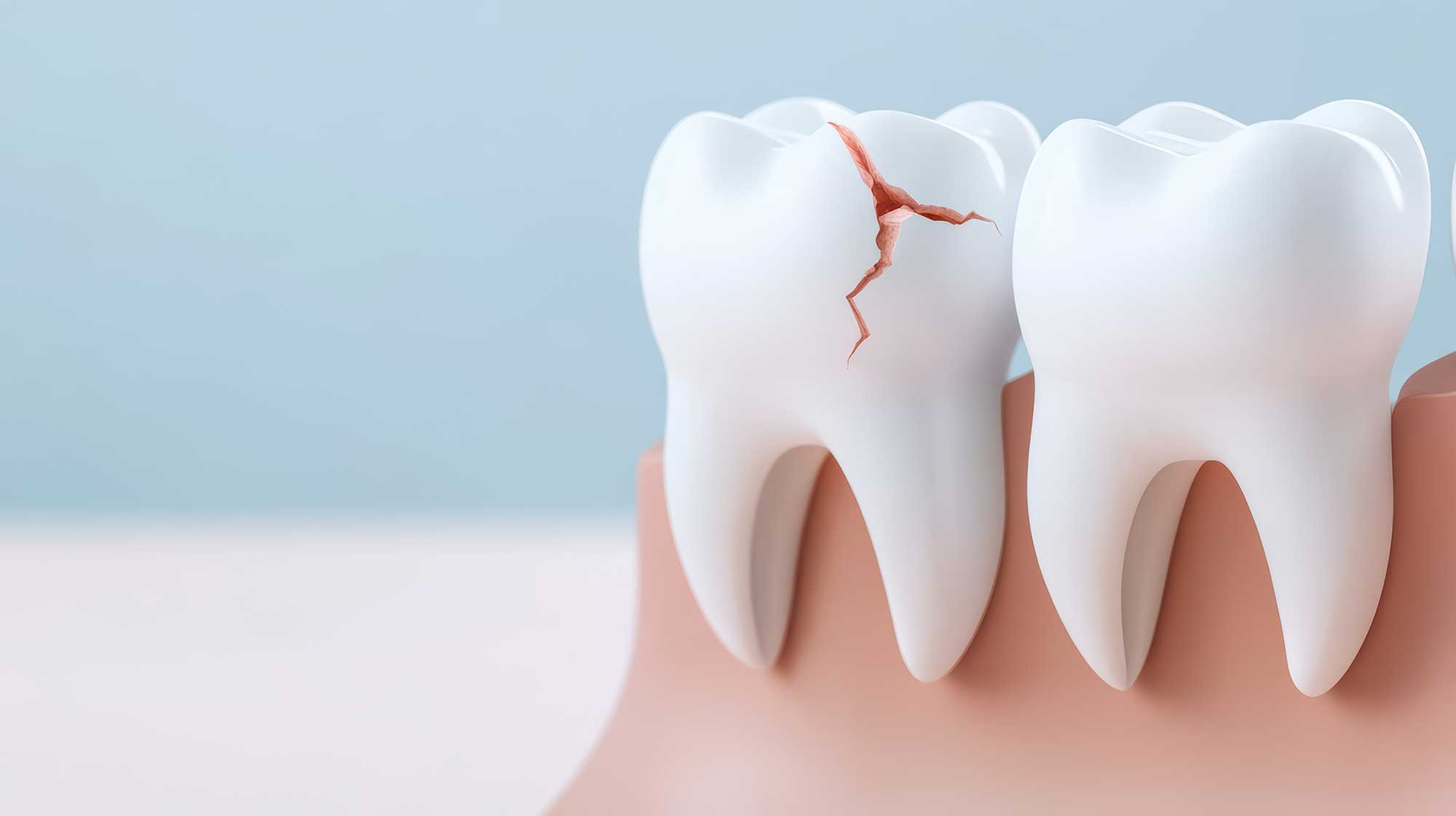
Table of Contents

drlee-image

This blog has been reviewed and approved by Dr Robert Lee, a dental professional of 35 years

LEARN MORE >

Key Takeaways

What is Remineralization?

Stylized illustration showing bubbles and lights around a molar

Teeth are constantly undergoing a process of demineralization and remineralization. Every day, demineralization occurs when acids from foods, drinks, and plaque bacteria can strip minerals like calcium and phosphate from your tooth enamel. This weakens the enamel and can lead to cavities if not addressed.

Remineralization is the natural repair process where minerals like calcium and phosphate are redeposited into the enamel, strengthening it and repairing and reversing early damage. Saliva plays a crucial role in this process. It contains minerals and helps neutralize acids in the mouth, creating an environment conducive to remineralization. Maintaining a balance between these processes is key to preventing cavities and keeping your teeth strong.

How to Remineralize Your Teeth

Supporting your teeth's natural repair mechanisms involves a combination of good habits and smart choices.

    Brush with Remineralizing Toothpaste

    • Fluoride is a mineral that strengthens tooth enamel and makes it more resistant to decay.
    • Using fluoride toothpaste twice a day can aid in remineralization and protect against cavities
    • Fluoride helps form a stronger mineral called fluorapatite, which is more resistant to acid.
    • In addition to strengthening enamel, some types of fluoride, like Stannous Fluoride, are also antibacterial and help neutralize the plaque acids that cause demineralization in the first place.

    Drink Plenty of Water

    • Staying hydrated is essential for overall health and oral hygiene.
    • Drinking water helps wash away food particles and bacteria, reducing acid levels in the mouth.
    • Fluoridated tap water can further aid in remineralization by delivering fluoride to your tooth surfaces.

    Chew Sugar-Free Gum

    • Chewing sugar-free gum, especially those containing xylitol, can stimulate saliva production.
    • Increased saliva flow helps neutralize acids and provides minerals like calcium and phosphate to your teeth, supporting the remineralization process.

    Eat a Mineral-Rich Diet

    • A diet rich in calcium and phosphate supports tooth health. Foods like dairy products, leafy greens, nuts, and fish are excellent sources.
    • Vitamin D is also crucial as it enhances calcium absorption, so include foods like fatty fish, egg yolks, and fortified products in your diet.

    Limit Sugary and Acidic Foods

    • Sugary and acidic foods can erode enamel and promote tooth decay.
    • Reducing your intake of sodas, citrus fruits, and candies can help protect your teeth.
    • When you do consume these foods, rinse your mouth with water afterward to neutralize the acids.

    Use Remineralizing Products

    • Some dental products are specifically designed to aid in remineralization.
    • Look for toothpastes and mouthwashes specifically formulated for remineralization. Products containing stannous fluoride, for example, are clinically proven to not only strengthen enamel but also protect it from acid erosion.

    Maintain Good Oral Hygiene

    • Brushing twice a day and flossing daily removes plaque and food particles, reducing the risk of acid attacks on your enamel.
    • Regular dental check-ups ensure that any early signs of decay are detected and addressed promptly.

When to Consult a Dentist

Model of teeth showing a crack in one tooth

If you notice white spots on your teeth, increased sensitivity, or other changes in your teeth, it's a good idea to consult your dentist or dental hygienist. They can assess the extent of the damage and recommend appropriate treatments, such as fluoride varnishes or professional remineralization therapies.

Summary

Teeth are constantly undergoing a process of demineralization and remineralization. Demineralization occurs when acids can strip minerals like calcium and phosphate from your tooth enamel. This weakens the enamel and can lead to cavities. Fortunately, your teeth have a remarkable ability to heal themselves through a natural process called remineralization.

You can do your part to help the process along. By adopting habits like brushing with fluoride toothpaste, drinking water, chewing sugar-free gum, eating a mineral-rich diet, limiting sugary and acidic foods, using remineralizing products, and maintaining good oral hygiene, you can support this process and strengthen your enamel.

Of course, if you notice any signs of enamel erosion, such as white spots or increased sensitivity, you can consult your dentist or dental hygienist for a professional opinion and appropriate treatments.

Oral-B Oral Hygiene Tips to Help Cavities, Tooth Decay and Tartar

Things like tooth decay, bleeding gums and tooth loss aren't normal. But prevention is possible with routine oral care. Plaque left on teeth causes acids that can erode tooth enamel, leading to a host of problems. So, to avoid cavities, tooth decay, and tartar, maintain a proper oral hygiene regimen with these tips from Oral-B:

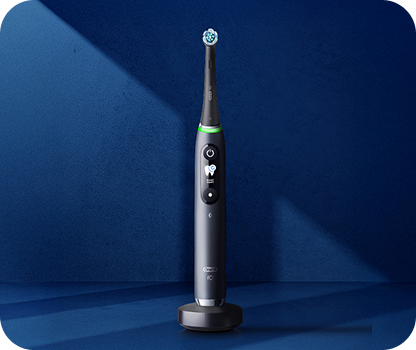
  • Brushing your teeth with an Oral-B iO electric toothbrush removes up to 100% more plaque than a manual toothbrush.
  • Less plaque means less tartar and fewer cavities.
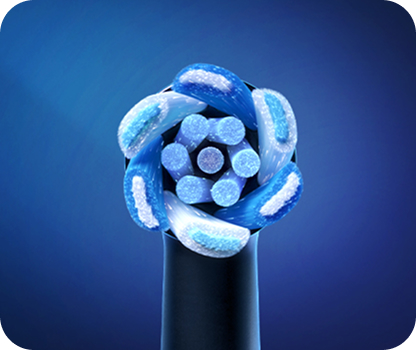
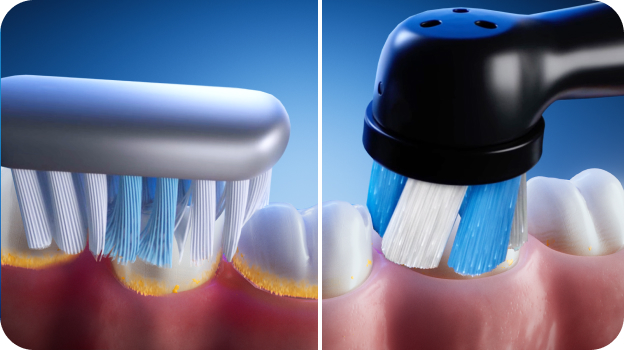
  • The right toothbrush head, such as the Oral-B iO Ultimate Clean brush head removes plaque and has different bristle lengths that reach deep into the spaces between your teeth, where plaque bacteria love to hide.
  • To help neutralize plaque bacteria that lead to cavities, brush with a Crest toothpaste containing stannous fluoride. With twice-daily brushing, Crest Pro-Health provides 24-hour protection against plaque bacteria.
  • Rinsing with a Crest mouthwash, such as Crest Pro-Health Multi-Protection can help kill bad breath germs and further protect against cavities.
  • Reduce your risk of developing tooth decay by removing plaque; floss your teeth at least once daily with Oral-B floss.

FAQs

  • How long does teeth remineralization take?
  • When is it too late to remineralize teeth?
  • Can a dentist remineralize teeth?

Sources

Table of Contents

  • What is Remineralization?
  • How to Remineralize Your Teeth
  • When to Consult a Dentist
  • Summary
  • Oral-B Oral Hygiene Tips to Help Cavities, Tooth Decay and Tartar

  • FAQs
  • Sources
drlee-image

This blog has been reviewed and approved by Dr Robert Lee, a dental professional of 35 years

LEARN MORE >

Related Products

1421