Why Do My Gums Bleed When I Floss?

Summary
Key Takeaways
- Random bleeding gums during flossing are often a sign of gingivitis, which is an early stage of gum disease.
- Improper flossing technique can cause bleeding gums, including using excessive force.
- Hormonal changes caused by menstruation, pregnancy, or menopause can increase gum sensitivity and bleeding.
- Certain medications can make gums more prone to bleeding, such as blood thinners.
- Vitamin deficiencies can contribute to gum bleeding, especially Vitamin C and Vitamin K.
- Maintaining a consistent and gentle oral hygiene routine can help prevent gum bleeding.
- If bleeding persists, consult your dentist or dental hygienist.
Table of Contents

This blog has been reviewed and approved by Dr Robert Lee, a dental professional of 35 years
LEARN MORE >Key Takeaways
Understanding Bleeding Gums
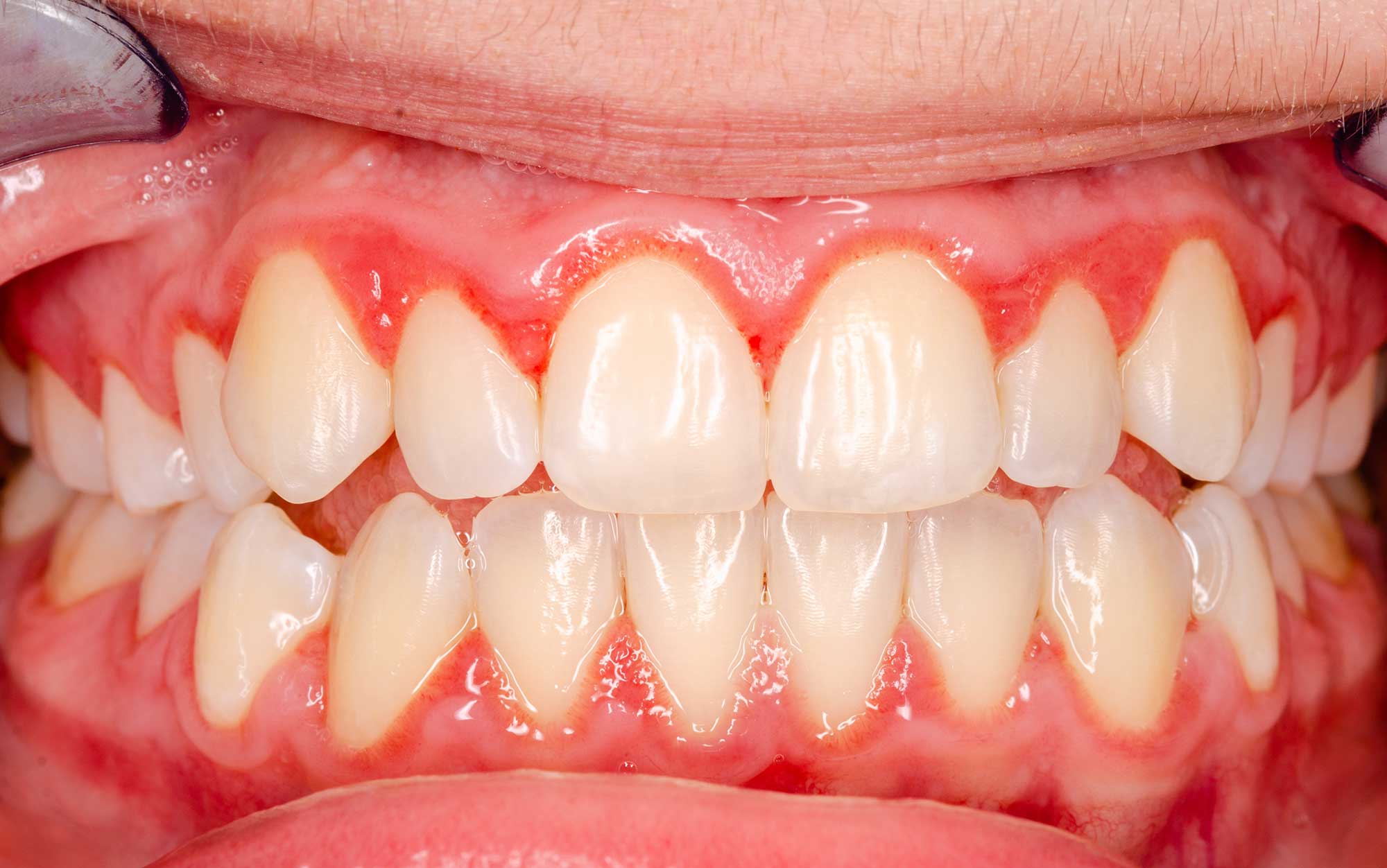
Bleeding gums when flossing or brushing often indicates gingivitis which is an inflammation of the gum tissue and an early stage of gum disease. This is typically caused by a buildup of plaque which is a sticky film of bacteria. If not removed through regular brushing or flossing, it can irritate the gums leading to redness, swelling, and bleeding.
Common Causes of Bleeding Gums

Infrequent Flossing
- Bacteria and plaque that accumulate between teeth can irritate gum tissue. If you haven’t been flossing regularly, your gums may become inflamed and bleed when you start.
Improper Flossing Technique
- Incorrect flossing technique can cause trauma to delicate gum tissue, leading to bleeding, such as snapping the floss between your teeth or applying excessive pressure.
- Correct Flossing Technique can reduce harm to your gums and cleans effectively without causing damage. Use a gentle sawing motion and curve the floss around each tooth in a “C” shape.
Plaque and Tartar Buildup
- Plaque is a sticky film of bacteria that forms on teeth and gums.
- Plaque that isn’t removed can harden into tartar and can often only be removed by a dental professional.
- Tartar buildup can irritate the gums, leading to inflammation, swelling, and bleeding.
- Regular professional cleanings are important to remove plaque and tartar to maintain gum health.
Hormonal Changes
- Blood flow to the gums can increase, making them more sensitive and prone to bleeding, during hormonal fluctuations such as puberty, pregnancy, menstruation and menopause.
- Pregnancy gingivitis is common and can be managed with good oral hygiene.
Medications
- Certain medications, like blood thinners, can affect your gums’ ability to clot, leading to increased bleeding.
- If you take such medications and notice persistent bleeding, consult your healthcare provider for advice.
Underlying Health Conditions
- Some medical conditions can contribute to gum problems, including diabetes, blood disorders, and vitamin deficiencies, especially Vitamin C and Vitamin K.
- If you have a medical condition and experience unusual gum bleeding, it is important to consult with your doctor and dentist or dental hygienist.
Dietary Factors
- A diet high in sugars and carbohydrates can promote plaque buildup, increasing the risk of gum inflammation and bleeding.
- A diet rich in fruits, vegetables, and nutrients supports healthy gums.
When to Consult a Dentist or Dental Hygienist

Occasional gum bleeding can be normal, especially if you’re new to flossing, but persistent or heavy bleeding can be a sign of gum disease and needs to be taken seriously. A dentist or dental hygienist can assess your oral health, examine your gums, and identify underlying issues that can cause bleeding. They can also recommend treatment options.
Tips to Prevent Gum Bleeding
- Floss Regularly: Flossing removes plaque between your teeth, so make flossing at least once a day part of your oral health routine.
- Use Proper Technique: Gently slide the floss between your teeth and curve it around each tooth to clean effectively.
- Brush with a Soft-Bristled Toothbrush: Use gentle strokes and avoid brushing too hard.
- Maintain a Healthy Diet: Eat a balanced diet rich in vitamins and minerals to support gum health.
- Stay Hydrated: Drinking plenty of water helps wash away food particles and plaque-building bacteria.
- Visit Your Dentist and Dental Hygienist Regularly: Regular checkups and professional cleanings are essential for maintaining healthy gums and teeth.
Summary
Bleeding gums when you floss is a common issue that can be attributed to a number of causes, including gingivitis, improper flossing techniques, hormonal changes, certain medications, or vitamin deficiencies. While occasional bleeding isn't uncommon, persistent or frequent bleeding should be addressed promptly with your dental professional.
By maintaining a consistent routine that includes proper oral hygiene practices, you can reduce inflammation and promote good gum health. These include regular flossing and brushing with the correct technique, eating a healthy diet lower in sugars and carbohydrates, and staying hydrated.
Seeing your dentist and dental hygienist regularly for exams and professional cleanings can also help improve gum health and prevent more serious dental issues down the line. If bleeding persists or worsens, consult your dentist or dental hygienist to rule out any underlying conditions.
Oral-B Knows that Healthy Gums are the Foundation of a Healthy Mouth
Healthy gums are crucial to tooth and mouth health. In the event of frequent gum bleeding, the first line of defense is to see a dental professional. They can do a proper examination, determine the extent and severity of gum issues and recommend treatments. But there are things you can do to help.
- Oral-B iO electric toothbrushes not only protect against tooth and gum issues, but existing gum problems can be resolved faster and more effectively than a manual and even advanced gum issues can be managed more effectively.
- Crest Pro-Health Advanced Toothpaste gives your teeth 24-hour protection after every brush*. It is made with patented stannous fluoride to help you get 100% whole-mouth protection *vs. Ordinary toothpaste with (twice daily brushing) continued use.
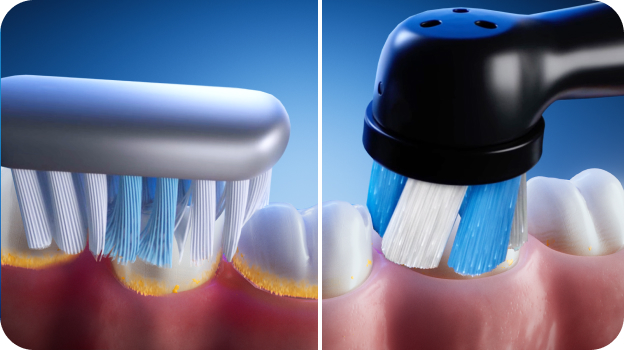
- Oral-B iO Gentle Care brush heads contain high density, dentist-inspired soft bristles for a gentle clean. Optimized bristle patterns adapt to the curves of the teeth and gums while providing maximum comfort.
- Crest Mouthwash is clinically proven to provide 24-hour protection against plaque and gum with 2x daily use. It can be an important part of your healthy gum routine
- Glide Floss's micro-textured fiber reaches deeply to remove food & plaque to help prevent gingivitis as part of a complete dental plan.
FAQs
-
Is it normal for gums to bleed when water flossing?
-
Should I stop flossing if my gums bleed?
-
Can I take care of bleeding gums at home?
Sources
- https://health.clevelandclinic.org/is-it-bad-if-my-gums-bleed-when-i-floss
- https://www.mouthhealthy.org/all-topics-a-z/bleeding-gums
- https://www.mouthhealthy.org/all-topics-a-z/female-hormones-and-dental-health
- https://www.webmd.com/oral-health/features/flossing-excuses
Adam, R., et al. (2020). Evaluation of an oscillating-rotating toothbrush with micro-vibrations versus a sonic toothbrush for the reduction of plaque and gingivitis: Results from a randomized controlled trial. International Dental Journal, 70(suppl 1), S16-S21.https://doi.org/10.1111/idj.12569
Goyal, C. R., et al. (2021). A 6-month randomized controlled trial evaluating a novel smart-connected oscillating-rotating toothbrush versus a smart-connected sonic toothbrush for the reduction of plaque and gingivitis. American Journal of Dentistry, 34(1), 54-60.https://pubmed.ncbi.nlm.nih.gov/33544990/
Grender, J., et al. (2020). An 8-week randomized controlled trial comparing the effect of a novel oscillating-rotating toothbrush versus a manual toothbrush on plaque and gingivitis. International Dental Journal, 70, S7–S15https://doi.org/10.1111/idj.12571
Li, Y., et al. (2024). Enhanced control of periodontitis by an artificial intelligence-enabled multimodal-sensing toothbrush and targeted mHealth micromessages: A randomized trial. Journal of Clinical Periodontology, 51(12), 1632–1643.https://doi.org/10.1111/jcpe.13987
Terézhalmy, G. T., et al. (2008). Plaque-removal efficacy of four types of dental floss. Journal of Periodontology, 79(2), 245–251.https://doi.org/10.1902/jop.2008.070345
Thurnay, S., et al. (2022). A Global, In-Market Evaluation of Toothbrushing Behaviour and Self-assessed Gingival Bleeding with Use of App Data from an Interactive Electric Toothbrush. Oral Health & Preventive Dentistry, 20, 1–10https://doi.org/10.3290/j.ohpd.b2572911
Zou, Y., et al. (2024). A meta-analysis comparing toothbrush technologies on gingivitis and plaque. International Dental Journal, 74(1), 146-156https://doi.org/10.1016/j.identj.2023.06.009
Table of Contents
- Understanding Bleeding Gums
- Common Causes of Bleeding Gums
- When to Consult a Dentist or Dental Hygienist
- Tips to Prevent Gum Bleeding
- Summary
- Oral-B Knows that Healthy Gums Are The Foundation Of A Healthy Mouth
-
- FAQs
- Sources

This blog has been reviewed and approved by Dr Robert Lee, a dental professional of 35 years
LEARN MORE >
Sign Up
for gum care tips, expert advice, and exclusive offers.
Sign Up
for gum care tips, expert advice, and exclusive offers.