How To Clean Your Tongue: Methods for Fresh Breath & Oral Health

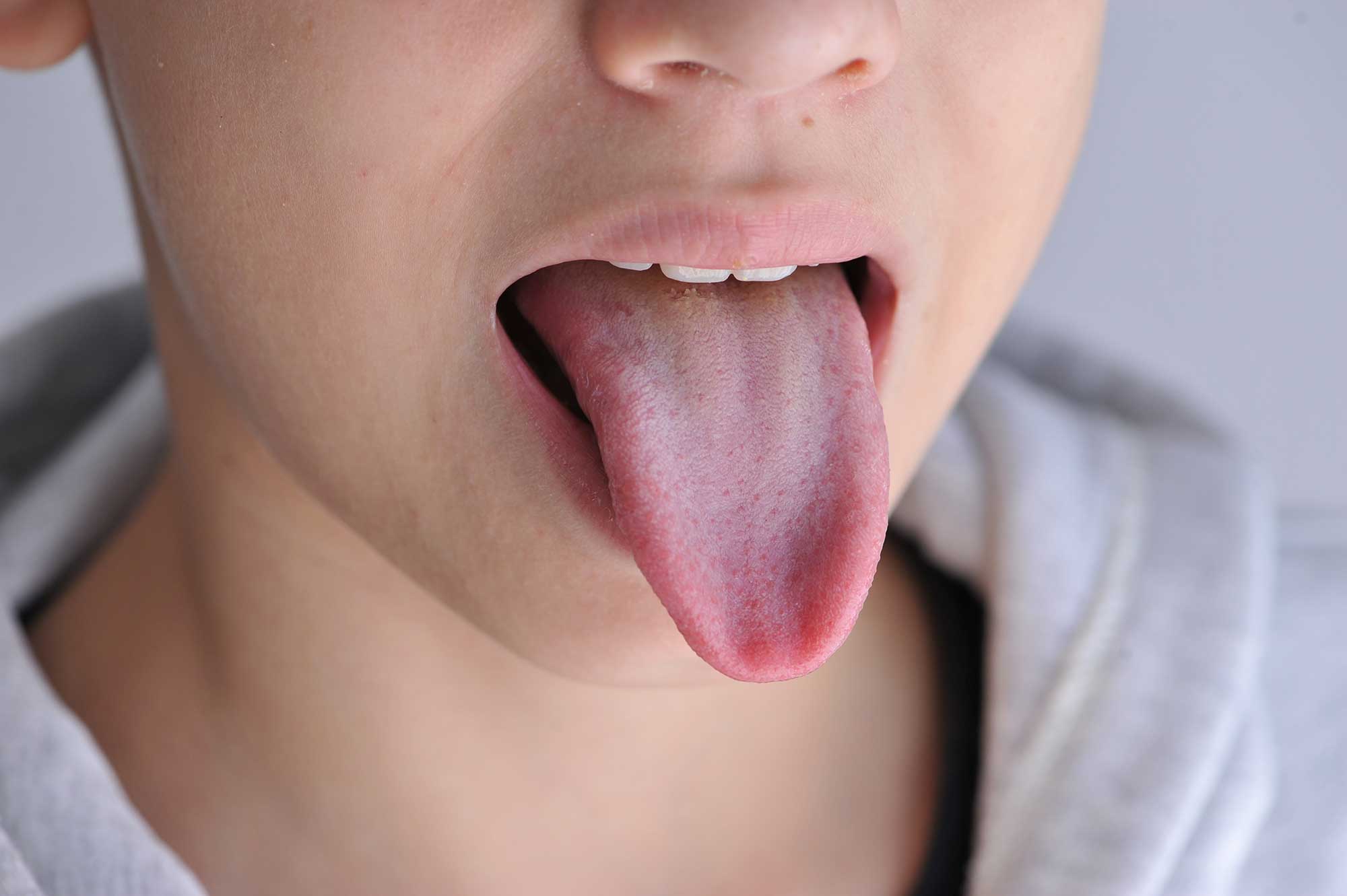
Close-up of person sticking their tongue out
Last Updated : December 22, 2025

Summary

When you think about oral hygiene, brushing and flossing are usually what come to mind first. But your tongue plays a major role in keeping your mouth healthy, too. If you’ve ever dealt with stubborn bad breath or a strange taste in your mouth, your tongue just might be to blame. Fortunately, cleaning your tongue is an easy, often overlooked step that can make a big difference in your oral health. Let’s dive into why a clean tongue matters, how to do it properly, and the tools that work best.

Key Takeaways

  • Your tongue can harbor bacteria, food particles, and dead cells that lead to bad breath and oral health issues.
  • Cleaning your tongue regularly helps reduce odor, improve taste, and support a healthier mouth.
  • Common tools for tongue cleaning include tongue scrapers, toothbrushes, and mouth rinses.
  • It’s best to clean your tongue daily, ideally as part of your normal oral hygiene routine.
  • Practicing good tongue hygiene is simple and only takes a few seconds each day.

Table of Contents

drlee-image

This blog has been reviewed and approved by Dr Robert Lee, a dental professional of 35 years

LEARN MORE >

Key Takeaways

The Importance of a Clean Tongue

Your tongue is like a sponge that collects bacteria, food debris, and dead cells throughout the day. That buildup is often responsible for bad breath (also known as halitosis) and can even impact your sense of taste. According to the American Dental Association (ADA), the surface of the tongue provides a perfect home for bacteria, especially toward the back, where it’s less likely to be disturbed by chewing or saliva.

Regular tongue cleaning helps to reduce the number of odor-causing bacteria and prevents bad breath. It can also improve your sense of taste. Cleaning your tongue regularly contributes to your overall oral hygiene. By reducing the total amount of bacteria in the mouth, it complements brushing and flossing in the management of plaque and gum health.

Signs Your Tongue Needs Cleaning

Image of a man covering up his mouth with both hands

If you're not in the habit of cleaning your tongue, your body might be giving you clues that it's time to start. These signs don't always mean something serious, but they often point to poor tongue hygiene. So, look out for signs like these:

✘ Bad breath that doesn't go away even after brushing

✘ A white or yellow coating on the tongue

✘ A strange or metallic taste in your mouth

Cleaning Tools To Use

There are several simple tools you can use to keep your tongue clean. Here’s an overview of each:

1. Tongue Scraper

A tongue scraper is a thin, flexible tool made of plastic or metal, shaped to glide across the surface of the tongue. It’s widely recommended by dental professionals, including the Cleveland Clinic, for its effectiveness.

Pros: Very effective at removing debris, easy to use

Cons: May cause gagging until you get used to it

How to use it:

  • Stick your tongue out
  • Gently place the scraper toward the back of your tongue
  • Pull it forward slowly, applying light pressure
  • Rinse the scraper and repeat 2–3 times
  • Wash it thoroughly after each use

2. Toothbrush

Using your toothbrush is a simple, accessible option, especially if you’re not ready to invest in a scraper.

Pros: Convenient and cost-free

Cons: Not as effective as a scraper and may spread bacteria if not rinsed well

How to use it:

  • After brushing your teeth, use the bristles to gently scrub the top of your tongue
  • Focus on the center and back, where bacteria tends to collect
  • Rinse your mouth and toothbrush after you’re done

3. Tongue Brush

These are special brushes designed just for the tongue. They usually have shorter bristles or a specific pattern to help lift debris.

Pros: More effective than a regular toothbrush for tongue cleaning

Cons: Another tool to buy and clean regularly

How to use it: The same as your toothbrush, but with an improved texture for better cleaning.

4. Mouthwash

While not a physical cleaning method, antimicrobial mouthwashes can help kill bacteria on the tongue. They’re best used after scraping or brushing. Look for alcohol-free rinses with antibacterial ingredients like cetylpyridinium chloride (CPC). While your dentist may recommend a rinse with chlorhexidine for specific short-term situations, it is typically used under professional guidance due to potential side effects like tooth staining.

Pros: Helps reach areas your scraper or brush may miss

Cons: Doesn’t remove physical buildup; best used with another method

Step-by-Step: The Right Way To Clean Your Tongue

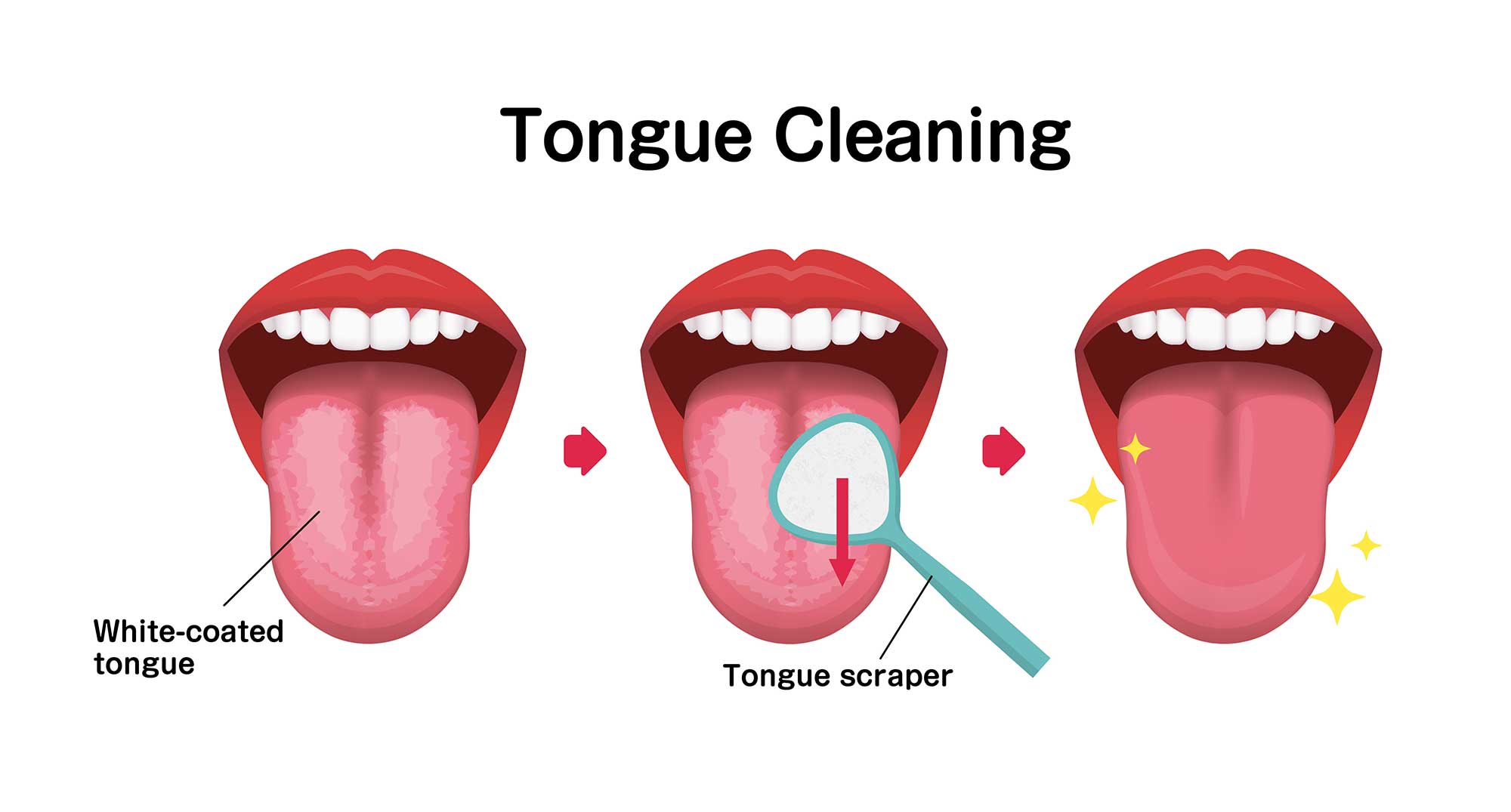
How-to guide showing three steps to tongue scraping

  1. Choose your tool: scraper, toothbrush, or tongue brush; whatever works for you
  2. Stick out your tongue: make sure you have a clear view and steady grip
  3. Start at the back: this is where most bacteria live, so get in there
  4. Apply gentle pressure: don’t press too hard; you shouldn’t feel pain
  5. Move forward: sweep or brush from back to front in smooth motions
  6. Rinse thoroughly: clean both your mouth and your tool
  7. Follow with mouthwash: this is optional, but can help kill leftover bacteria and freshen breath

How Often Should You Clean Your Tongue?

Experts recommend cleaning your tongue at least once per day, ideally during your morning or evening brushing routine. If you suffer from chronic bad breath or dry mouth, doing it twice a day may be more effective.
It's suggested that consistent daily tongue cleaning can help improve breath and support healthier gums. And when done gently, daily tongue cleaning is safe for most people to do every day. However, avoid scraping too hard (it can irritate or damage your tongue). Of course, don't use broken or sharp tools or ignore any signs of tongue irritation or pain. If you notice persistent soreness, redness, or lesions on your tongue, talk to your dentist, dental hygienist, or healthcare provider.

Can Cleaning Your Tongue Cure Bad Breath?

Cleaning your tongue can significantly reduce bad breath caused by bacterial buildup. According to the National Institutes of Health, up to 90% of halitosis cases originate in the mouth, and the tongue is often the biggest contributor. Of course, if your bad breath persists even with good tongue hygiene, it could be caused by other issues such as dry mouth, gum disease, or digestive problems. A dental check-up can help identify the root cause and come up with a solution.

Tips To Keep Your Tongue And Mouth Healthy

✔ Stay hydrated to reduce dry mouth

✔ Avoid tobacco and limit alcohol, both of which dry out your mouth

✔ Chew sugar-free gum to stimulate saliva

✔ Eat crunchy fruits and vegetables because they naturally clean the tongue

✔ Visit your dentist or dental hygienist every six months for checkups

Summary

Cleaning your tongue is a quick and easy step that can greatly improve your oral health and freshen your breath. The tongue’s surface collects bacteria, food particles, and dead cells, especially near the back. If not cleaned regularly, this buildup can lead to bad breath and even affect your sense of taste.

Tools like tongue scrapers, toothbrushes, and antimicrobial mouthwashes can help keep your tongue clean and healthy. Ideally, you should clean your tongue at least once a day as part of your oral care routine. Doing so helps support your overall dental hygiene. If you've been skipping this simple step, now's the time to add it to your routine—it only takes a few seconds, and your mouth (and breath) will thank you for it.

Tongue: Protecting Oral Health Through Proper Cleaning

Your tongue is responsible for a number of actions including eating and speaking. However, bacteria and food particles can get trapped on the tongue’s surface which may lead to bad breath, gum issues, and may impact tooth health.

Complete your oral care routine with a little attention reserved for tongue cleaning:

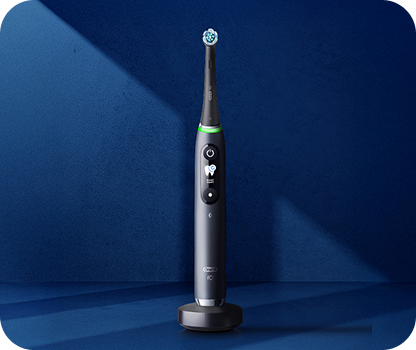
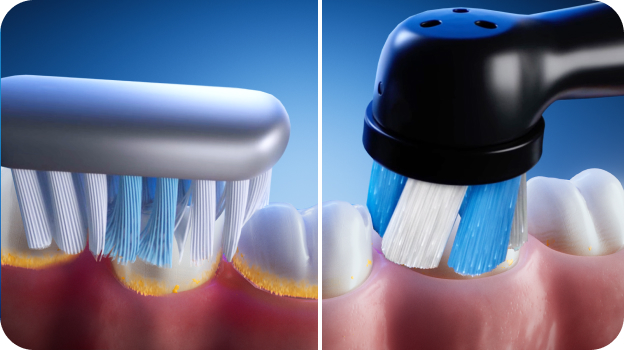
  • Brush 2X/day with an Oral-B iO Electric Toothbrush: An electric toothbrush removes more -plaque bacteria than a regular manual toothbrush for a cleaner, healthier mouth. Some Oral-B iO toothbrush models even feature a tongue cleaning mode to help you easily and quicky keep your tongue free of food particles and odor-causing bacteria.
  • Pair It with an Oral-B iO Gentle Care Replacement Brush Head: Use a soft-bristled brush head to further remove bacteria and residue that may have accumulated on your tongue. Simply apply a little bit of pressure as you brush your tongue from back to front.
  • Use a Crest Pro-Health Toothpaste: Brush with a stannous fluoride toothpaste from the Crest Pro-Health line. It is formulated to target and neutralize plaque bacteria not just on teeth but also helps neutralize odor-causing bacteria for a refreshed and clean mouth.
  • Rinse with a Crest Pro-Health Multi-Protection Mouthwash: Round out your routine with an alcohol-free, antibacterial mouthwash containing cetylpyridinium chloride (CPC) to kill bad breath germs and help wash away leftover particles from the tongue.
  • Stay Hydrated: Drinking water daily can help support the flow of saliva which naturally cleanses the mouth by minimizing bacterial growth.
  • Maintain a Well-Balanced Diet: Certain foods, such as those high in sugars and acids, leave your mouth more prone to bacteria growth. Consistent hydration, fruits, vegetables, and whole grains can help promote a healthier environment in the mouth.

When it comes to your oral health, it’s important not to forget about the tongue. Take the time to clean your tongue daily to help fight bad breath, reduce plaque buildup, and protect your overall health.

FAQs

  • Why is it important to clean your tongue?
  • What tools can I use to clean my tongue effectively?
  • How often should I clean my tongue?
  • Can tongue cleaning help with bad breath?

Sources


Adam R. (2020). Introducing the Oral-B iO electric toothbrush: next generation oscillating-rotating technology. International Dental Journal, 70 Suppl 1(Suppl 1), S1–S6. https://doi.org/10.1111/idj.12570

Cheng, R., et al. (2014). Breath and plaque prevention with cetylpyridinium chloride rinses: clinical meta-analysis. Journal of Dental Research, 93, 573. https://iadr.abstractarchives.com/abstract/43am-185497/breath-and-plaque-prevention-with-cetylpyridinium-chloride-rinses-clinical-meta-analysis

Grender, J., et al. (2022). A 12-Week Randomized Controlled Trial Comparing a Novel Electric Toothbrush With an Extra Gentle Brush Head to a Manual Toothbrush for Plaque and Gingivitis Reduction. Compendium of Continuing Education in Dentistry (Jamesburg, N.J. : 1995), 43(3), f20–f29.

Zsiska, M., et al. (2021). Investigation of oral malodor prevention by dentifrices as measured by VSC reduction. Journal of breath research, 15(3), 10.1088/1752-7163/abf209. https://doi.org/10.1088/1752-7163/abf209

Table of Contents

  • The Importance of a Clean Tongue
  • Signs Your Tongue Needs Cleaning
  • Cleaning Tools To Use
  • Step-by-Step: The Right Way To Clean Your Tongue
  • How Often Should You Clean Your Tongue?
  • Can Cleaning Your Tongue Cure Bad Breath?
  • Tips To Keep Your Tongue And Mouth Healthy
  • Summary
  • Tongue: Protecting Oral Health Through Proper Cleaning

  • FAQs
  • Sources
drlee-image

This blog has been reviewed and approved by Dr Robert Lee, a dental professional of 35 years

LEARN MORE >

Related Products

1222