Whitening Strips Are Easy To Use
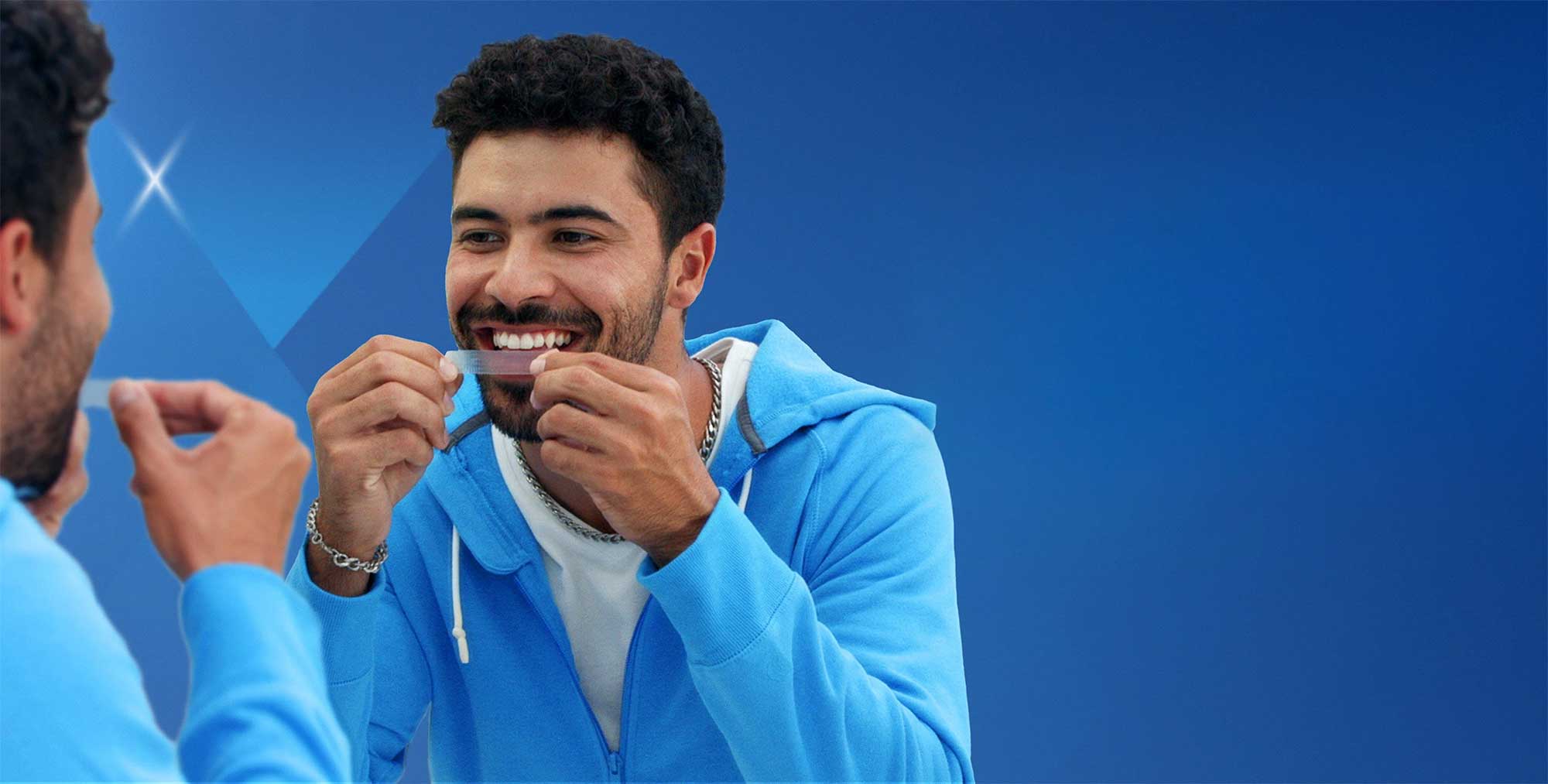
They don’t require appointments or trips to the dentist. You can do a treatment while you’re at home hanging out. Using strips correctly is not tricky, but there are a few simple steps to make sure you follow. In general, all whitening strips work the same way, but you should always follow the specific instructions on the package.
For the most effective application, put them in front of a mirror to make sure they’re aligned correctly. Before you apply them, some prep can help. Make sure your teeth are clean and free of debris. A clean surface helps the whitening strips adhere and do their job better. This means you should brush first, but not immediately before. Brushing gently removes plaque, allowing for better contact between the whitening gel and your tooth surface. To avoid gum irritation, allow for some time to pass after you have brushed your teeth to apply strips. Thirty minutes should do it.
One more tip: don’t wear strips too long, such as while you sleep. Taking a nap during your strip application can be tempting, but it could result in wearing the strips longer than recommended. That can result in teeth sensitivity, gum irritation, and tooth damage.
After the Treatment
There are also things you can do after each treatment to maximize your results and minimize any discomfort. After removing the strips, avoid eating or drinking anything that could stain your teeth for a few hours. You should also wait 30-60 minutes to brush your teeth.
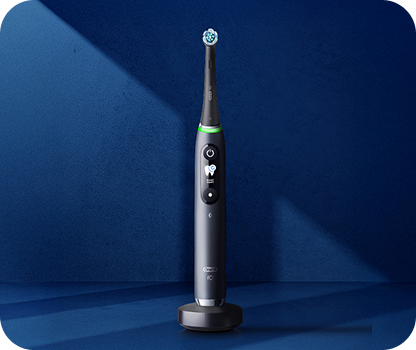
When you do brush, use a soft-bristled toothbrush and a non-abrasive toothpaste to minimize any potential damage to your enamel and gums. Oral-B electric toothbrushes are proven to be both gentle and effective. The right toothpaste can also be helpful. Some toothpastes are designed to increase whitening, such as those in the Crest 3D White collection. There are also special toothpastes designed to help with sensitivity. One of the most effective is Crest Gum and Sensitivity Gentle Whitening toothpaste.
Possible Side Effects
Whitening strips are convenient, effective, and low-priced, but the ingredients can occasionally cause sensitivity. That happens when the peroxide in the whitener gets through the enamel and irritates the nerve of your tooth or gums. In most cases, the sensitivity is temporary. Avoid wearing the strips longer than recommended and take a break from treatment and the sensitivity should resolve. Also be sure to follow the package directions and check in with your dentist.
Whitening Won’t Work for All Teeth
Whether it’s done in your dentist’s office or at home, there are some cases where whitening either won’t work well, or at all. That’s why it’s important for you to talk to your dentist before deciding to whiten your teeth, because whiteners may not correct all types of discoloration.
In some cases, whitening will work to varying degrees. For example, yellow teeth will probably bleach well. But brown teeth may not respond quite as well, and teeth with gray tones may not see any improvement at all.
But in other cases, whitening won’t work at all. It won’t work on caps, veneers, crowns, or fillings. It also won’t be effective if your tooth discoloration is caused by medications or a tooth injury.
Whiter & Healthier Teeth Starts with Oral-B!
The same treatments that help whiten your smile also provide additional benefits to improve your oral health. Most people wish their smile were whiter and brighter. Studies show more than 50% of dental patients want whiter teeth. They have many effective at-home options to provide stain removal, teeth whitening, as well as help maintain whitened teeth.
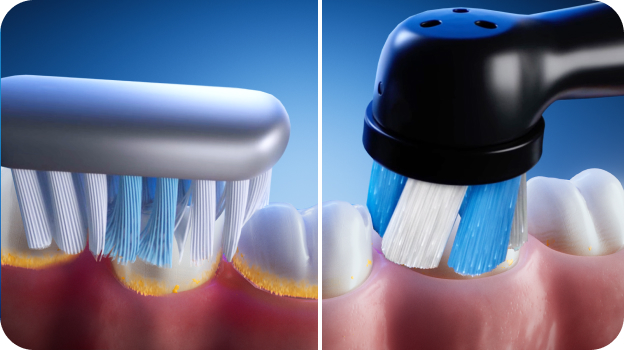
- Our toothbrushes deliver micro-vibrations to the tip of each bristle to loosen and remove surface stains and plaque. Brush with an Oral-B iO electric toothbrush to reveal a brighter smile.
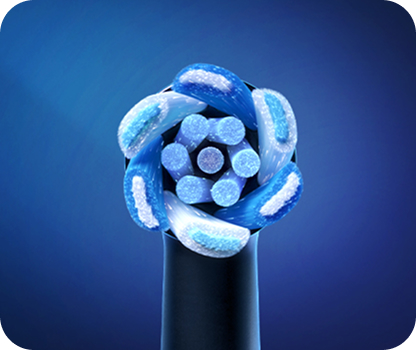
- Oral-B iO Ultimate Clean brush heads offer advanced cleaning and whitening (by removing surface stains) starting day 1. You can also look for Oral-B iO Ultimate White brush heads where you normally shop for your Oral Care products. They are designed with five circular arranged polishing petals for advanced plaque and surface stain removal.
- Toothpaste can do more than fight cavities. It can also remove surface stains. Crest 3D White Toothpaste removes up to 100% more surface stains in three days vs. regular toothpaste.
- If you want a whiter smile, try Crest 3D White Brilliance Mouthwash, which helps you achieve whiter teeth in 7 days (with brushing by removing surface stains). It safely whitens teeth with brushing using a gentle foaming action formula. It also helps strengthen enamel and prevent cavities.
- If you want to whiten like a professional at home, try Crest 3DWhitestrips Professional Effects. Formulated with the same enamel-safe ingredient dentists use, they remove over 20 years of tough, set-in stains to give you a noticeably whiter smile.
Summary
Healthy teeth can have discoloration so they don’t look as healthy as they actually are. And most people prefer to have a whiter smile. Whitening can help them look brighter as well as provide additional oral health benefits.
While some people get whitening professionally done at their dentist’s office, many people opt for the convenient, at-home option: whitening strips. These gel-coated strips contain a mild bleach that breaks down surface stains. They are applied directly to the teeth, typically for around 30 minutes, and can be an affordable and convenient option for at-home teeth whitening.
They can lighten your teeth significantly and are safe and easy to use. Products may cost from $10 to $55, which is often less than going to the dentist. Depending on the specific product and your lifestyle habits, results can last from a few months to a year or more.