Recovery and Aftercare Tips
Manage Pain and Swelling
- Some discomfort is common
- Apply a cold compress to the outside of your cheek near the treated area to help reduce swelling and numb pain
- Over-the-counter pain relievers can be effective
Follow Dietary Recommendations
- Stick to soft foods for the first few days
- Avoid hard, crunchy, or sticky foods that could irritate the treated area
- Avoid extremely hot or cold foods and beverages that could cause discomfort
Maintain Good Oral Hygiene
- Continue to brush and floss your teeth, but be gentle around the treated tooth
- Avoid using alcohol-based mouthwash, which can irritate the treated area
Avoid Chewing on the Treated Tooth
- Avoid until the permanent restoration is placed to help prevent damage to the temporary filling
No Smoking or Alcohol Consumption
- Smoking and drinking alcohol can impair healing
- Increases the risk of complications
- Avoid smoking and drinking alcohol for at least a few days following the root canal procedure
Keep Follow-up Appointments
- Especially when you’ll get a permanent crown or filling
- Allows your dentist to monitor your recovery and ensures the success of the procedure
When to Contact Your Dentist
Some discomfort is expected after the procedure, but any of the following could be a sign of an infection or another issue that requires prompt attention:
- Severe or increasing pain that doesn’t improve with over-the-counter pain relievers
- Persistent swelling or tenderness in the gums or face
- A pimple-like bump on your gums
- A bad taste in your mouth or a foul odor
- Fever
Oral Hygiene Practices
Maintaining good oral hygiene is crucial for healing and preventing further complications. So, brush your teeth 2 minutes, twice a day with a soft-bristled toothbrush and fluoride toothpaste. Floss daily but be careful around the treated tooth. An antibacterial mouthwash may be recommended by your dentist or dental hygienist to help reduce bacteria and promote healing.
Long Term Care
After the root canal, your dentist will discuss the need for a permanent restoration to protect the treated tooth.
- Crown: For teeth that experience significant chewing force or when a lot of tooth structure has been lost
- Filling: For small cavities with insignificant tooth structure loss
- Veneer: This is an option that can be considered to cover discoloration on front teeth. However, because a root canal procedure can weaken a tooth, your dentist will often recommend a crown to provide better structural support
- Onlay or inlay: can cover a portion of the tooth’s chewing surface when a filling isn’t enough to restore the tooth’s strength or aesthetics
- Regular dental check-ups are essential to monitor the health of the treated tooth and surrounding gums
- Proper care can ensure a root canal tooth that can last a lifetime
Summary
A root canal is a common dental procedure that can save a tooth from having to be removed. While a root canal may sound scary, with modern techniques and proper care, it can be a straightforward procedure that saves your natural tooth.
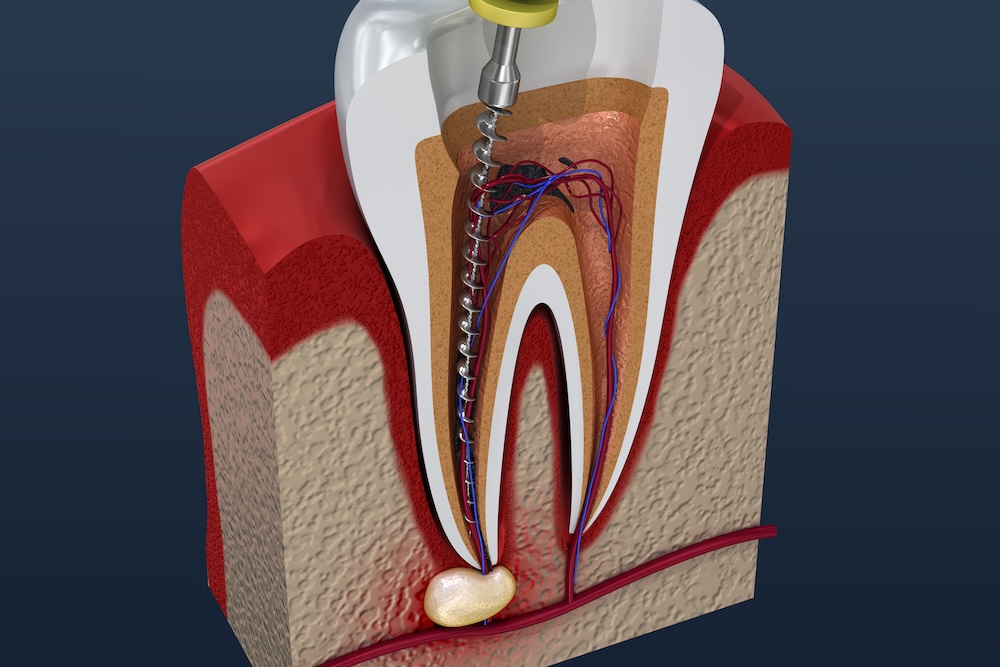
The pulp inside a tooth contains nerves, blood vessels, and connective tissue. When the pulp is damaged, it breaks down, and bacteria begin to multiply within the pulp chamber. Bacteria and other dying pulp remnants can cause an infection or abscess. A root canal treats infection or damage by removing the infected pulp and cleaning the tooth. After the root canal is complete, a temporary filling is placed. You will need to schedule a follow-up visit to have a permanent restoration, like a filling or crown, placed on the tooth to restore its full function and protect it from further damage.
You’ll probably experience some discomfort following the procedure, but any pain or discomfort can usually be managed with over-the-counter pain relievers. Proper aftercare is crucial for healing, so follow any and all instructions. Finally, regular dental follow-up visits are important for the success of the treatment.
Dental Procedures: Restorative Measures for a Healthier Smile
Modern dentistry can help correct damage, improve appearance, and keep your oral health in check. Get the most out of any dental procedure with a thorough oral care routine from home.
Your personalized daily oral care routine can help preserve any dental work done and maintain a stronger smile going forward:
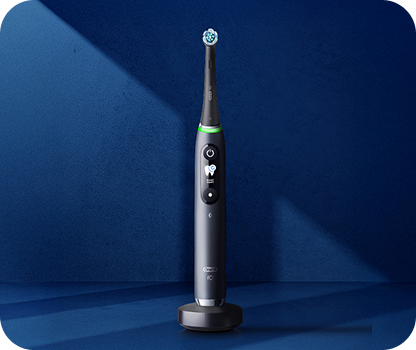
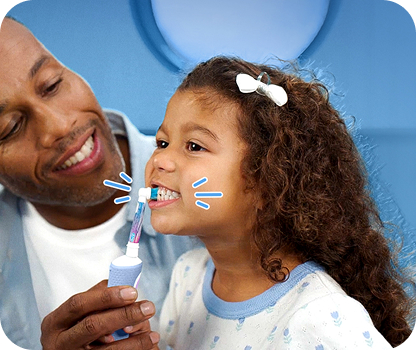
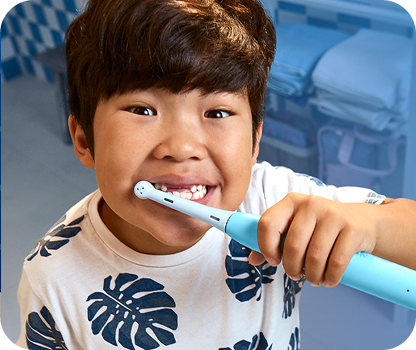
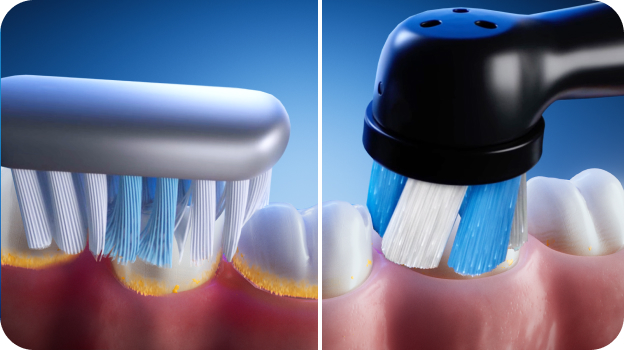
- Brush 2X/day with an Oral-B iO Electric Toothbrush: After removing the decayed material from teeth, fillings and restorations are used to finalize the procedure. When compared to a regular manual toothbrush, electric toothbrushes like the Oral-B iO help remove 100% more plaque—a main cause of the tooth decay that can lead to a cavity.
- Use a Crest Fluoride Toothpaste: Brush with a toothpaste that’s formulated with stannous fluoride such as Crest to reinforce enamel strength and reduce your risk of tooth decay and gum disease while also promoting a healthier mouth to support the dental work that has been done.
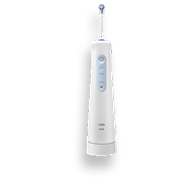
- Pair String Floss with an Oral-B Water Flosser: Cleaning around dental work such as bridges, crowns, and implants can help reduce plaque bacteria buildup. A water flosser gently washes away and leftover plaque and food debris for healthier teeth and gums.
- Rinse with a Crest Mouthwash: Root canals involve the removal of infected tooth nerves or pulp; the area is then sealed off often accompanied by a crown. To support a clean healing environment after your procedure, swish with an antibacterial rinse.
Pair professional dental procedures with a personalized at-home oral care routine of brushing twice daily, flossing at least once a day, and rinsing with an antibacterial mouthwash, you can better support the long-term success if your treatment for a healthier, more confident smile.