Healthy Normal Tongue Color
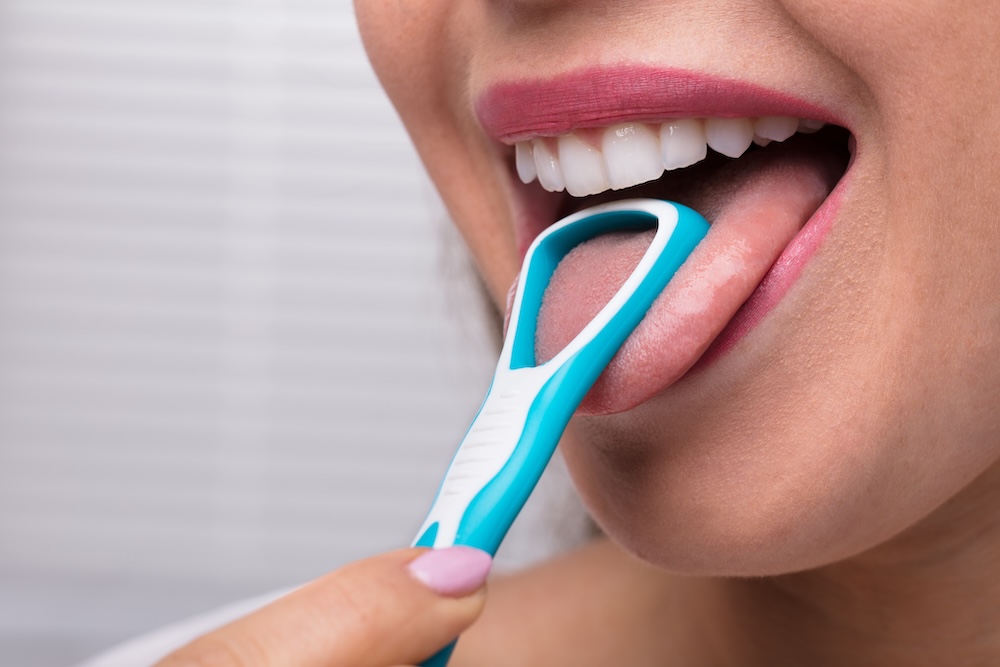
A healthy tongue is a pinkish color with a rough, sometimes bumpy like texture. Your tongue may change colors and look different depending on what you eat and drink and whether you maintain your tongue cleaning and oral hygiene routine.
Tongue Color
What your tongue should look like varies on a day to day basis and tongue color changes with your diet and gut health as well. A pinkish tongue tone is considered the more healthy color and ensuring you keep up on oral health care can help you have more fresh and healthy tongue.
Sometimes there is a white hue or coating that can form on your tongue. As long as it goes away with brushing and oral hygiene, it shouldn't be a problem. However, other tongue changes may happen based on food, medicine, oral hygiene routines, and other health conditions or bacteria and you should contact your dentist or pediatric dentist if you have concerns.
Tongue color meaning: Dentists and Pediatric dentists can also inform you about your tongue color and health and flag other health conditions by looking at your kids tongue or your tongue.
- Pink tongue – Different shades of pink are considered 'normal' healthy tongues. Yet, don't confuse a healthy dark pink tongue for a red tongue.
- Reddish tongue – maybe a concern and could indicate allergies, vitamin B deficiency, scarlet fever, or eczema.
- Orange or yellowish tongue – could be created by poor oral hygiene, certain foods, or be a sign of dry mouth. If persistent, it can also be associated with conditions like jaundice and should be evaluated by a healthcare professional.
- Green tongue – may show a buildup of bacteria. Oral thrush, which is a fungal infection, typically appears as white patches.
- Blueish tongue – could indicate serious health issues, like blood circulation or kidney disease.
- Purple tongue – could relate to heart disease or poor blood circulation
- Grey tongue – could relate to digestive issues.
- Black or brown tongue – This is often a harmless condition known as 'black hairy tongue,' caused by a buildup of dead skin cells on the papillae. It can be related to medications, smoking, or coffee/tea consumption.
If you are concerned about the color of your kids' tongue or how it looks, be sure to contact your pediatric dentist.