Symptoms of Rotten Teeth
Pain When Biting
A major symptom of rotting teeth is pain when biting or chewing.
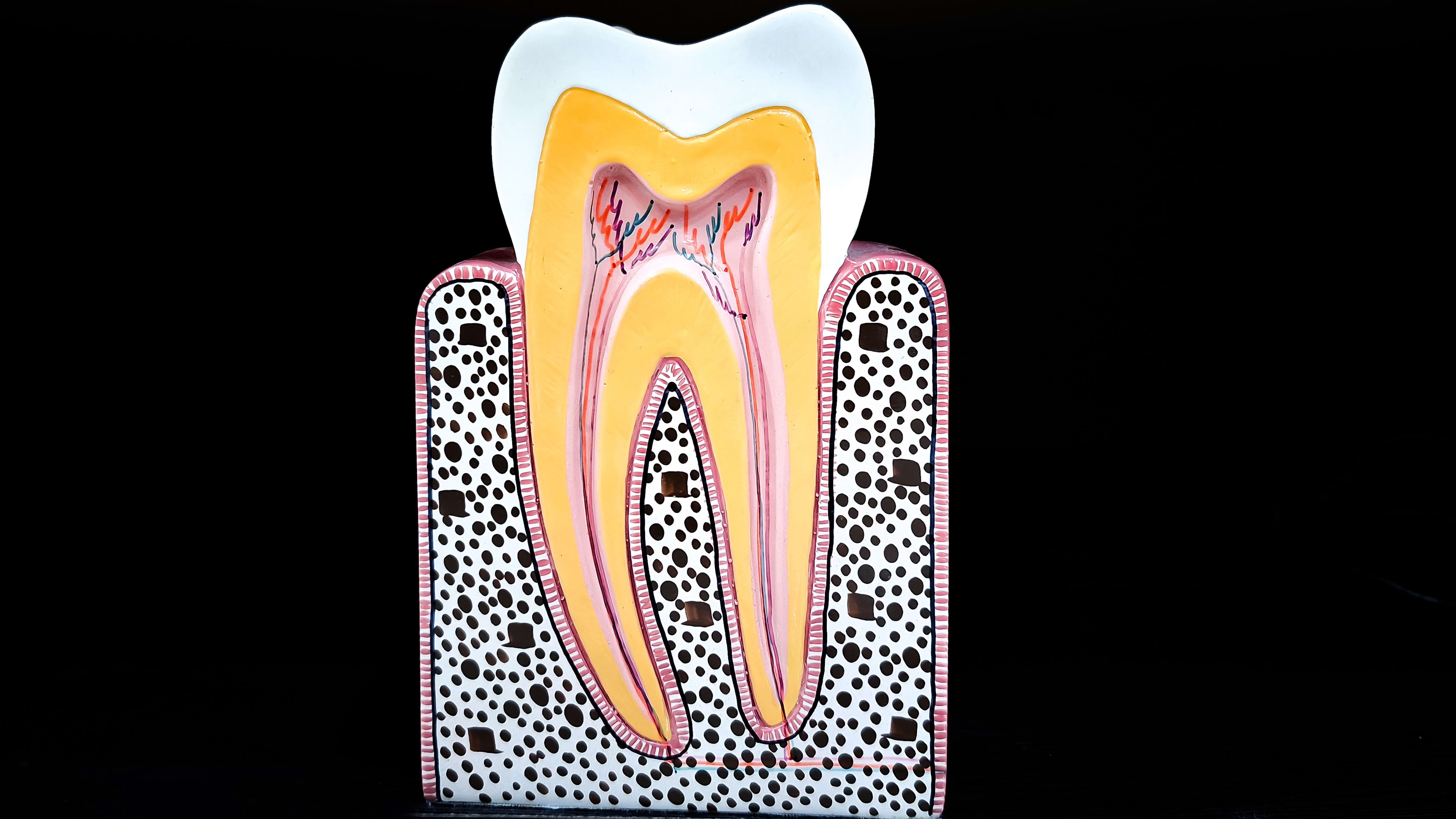
This typically means that the decay process has reached the tooth’s pulp (which contains all the nerves for that tooth). Pressure from biting and chewing can irritate those nerves and send pain signals to your brain.
However, pain when biting or chewing can also be caused by gum disease or other oral health issues. If you suffer from pain that lasts more than a day or two, see a dentist right away.
Sensitivity to Hot and Cold
Another symptom of rotting teeth is sensitivity to hot and cold.
The enamel on the outside of your teeth protects the dentin and pulp from extreme temperatures. When the enamel has a hole in it, the heat or cold can penetrate the nerves inside the tooth and result in increased sensitivity.
Sensitivity to Sweet or Sour Foods
Rotting teeth can also cause you to develop a sensitivity to sweet or sour foods. This happens for much the same reason as the other rotten teeth symptoms mentioned above.
Once sweet foods combine with bacteria from oral mucosa, they can form acids that penetrate the protective enamel coating, cause sensitivity and even pain. Also, acidic foods can worsen erosion and increase sensitivity.
Colored Spots, Holes, or Pits
Visible brown, black or white spots on the surface of your teeth can indicate that bacteria has started to eat away at the enamel. In the early stages of decay, you’ll notice the spots are white, while later stages of decay will produce darker brown or black spots.
Similarly, visible holes or pits in the surface of your teeth may mean that tooth decay has started to develop in those spots. Typically, those spots will be accompanied by the first few symptoms on this list: pain when biting and sensitivity to hot, cold, sweet, and sour.
If you notice colored spots, holes, or pits on the surface of your teeth, schedule an appointment to visit your dentist right away.
Bad Breath or Unpleasant Taste in Your Mouth
When teeth decay, the buildup of bacteria can start to smell, causing bad breath and an unpleasant taste in your mouth.
Swelling Gums
When a tooth decays to the point that it becomes rotten, the bacteria can spread to the surrounding gum tissue, resulting in inflammation and swelling.