

















- When Should You Get a Dental Filling?
- What's the Process of Getting a Dental Filling?
- What are Dental Fillings Made of?
- How Should You Monitor Your Dental Fillings?
- When Should You Get a Crown Instead of a Filling?
- Final Thoughts
- Science worth a scroll.
- FAQs

Monitor Your Dental Fillings to Help Manage Plaque
10 minute read
Last updated 04/25
Share

When Should You Get a Dental Filling?
If you develop tooth decay that has progressed beyond the process of eroding your tooth enamel and has created holes in your teeth, your dental professional will likely recommend a filling.
What's the Process of Getting a Dental Filling?
When you get a filling, your dental professional will remove the decayed material from the tooth and replace it with something else to restore the shape of the tooth.
What are Dental Fillings Made of?
Fillings can be made of tooth-colored resins or a combination of materials (amalgam) that may include mercury. Although some people worry that the mercury might make them sick, medical studies have shown that amalgam fillings are safe for most people. If you are concerned, ask your dentist about different choices for fillings.
How Should You Monitor Your Dental Fillings?
If you have dental fillings, it’s important to check your fillings for signs of wear and tear as part of your daily dental health routine. Over time, the edges of dental fillings can become rough, and the filling material can weaken and begin to break down. Rough or weak fillings may make plaque removal more difficult because plaque can build up in those areas.
When Should You Get a Crown Instead of a Filling?
If your tooth decay is severe, your dentist will likely use a crown rather than a filling to repair the damage. A crown is larger than a filling and covers the top of the tooth once the decayed area is removed. Crowns are usually made from porcelain, gold or a combination of porcelain and metal.
Final Thoughts
No matter what type of filling or crown you have, be sure to follow a complete oral care routine of twice-daily tooth brushing and daily flossing to remove plaque and prevent future tooth decay. There are lots of products designed to help you clean around dental work such as fillings and crowns. Your fillings and crowns should not need to be replaced unless they show signs of wear or become loose or defective in some way.
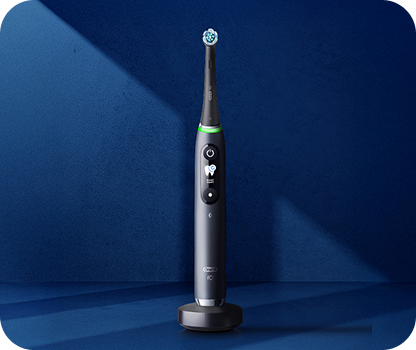
Shop this article
1512|690
Science worth a scroll.

The Best Electric Toothbrush of 2021
When it comes to choosing an electric toothbrush, the most important factor is of course the degree of clean. While most electric toothbrushes provide a better clean than manual brushes, not all electric toothbrushes are equal.
Read more
Dental Crowns: How Teeth Crowns Work
When a tooth is fractured, has a large old filling or is severely damaged by decay, your dentist may recommend the placement of a crown, also called a cap.
Read more
Enamel Erosion: Causes, Symptoms, and Treatments
Enamel erosion isn't just about cavities. It's when your tooth's protective layer wears thin over time. Enamel erosion often happens slowly, so many people don't notice it until they start seeing yellowish color or feel sensitivity.
Read moreFAQs
Can plaque build up around dental fillings?
Yes. Plaque can build up around dental fillings, especially where the filling meets the tooth. If plaque is not removed with regular brushing and cleaning between teeth, bacteria can contribute to decay around the edges of the filling. Brushing twice a day, cleaning between teeth daily, and seeing your dentist regularly can help keep these areas clean.
How do I know if a filling is leaking or failing?
A filling might be leaking or failing if you experience increased sensitivity to hot, cold, or sweet foods and drinks, discomfort when biting, or visible cracks or gaps around the filling. Additionally, changes in the filling's color, a persistent bad taste, or signs of infection indicate it’s time to see your dentist for an evaluation.
Do fillings need special care compared to natural teeth?
Regardless of the type of filling or crown you have, maintain a complete oral care routine by brushing twice daily and flossing each day to remove plaque and prevent tooth decay. There are many products available to help you clean around dental work, and your fillings and crowns should only need replacement if they exhibit wear, looseness, or defects.
Can you get a cavity under an existing filling?
Yes, it's possible to develop a cavity under or around an existing filling. When the margin between the filling and the tooth weakens or if plaque accumulates there, bacteria can cause decay, so it's important to maintain good oral hygiene and visit your dentist regularly for checkups.
How often should fillings be checked by a dentist?
Fillings should be checked during your routine dental exams, typically every six months, as part of a comprehensive oral health evaluation. If you experience any symptoms or notice changes around your fillings, your dentist may recommend additional check-ups to ensure they remain in good condition.
