














Flossing: Benefits, Technique, & Tips for Effective Oral Care
Summary
Key Takeaways
- Floss Daily: Aim to floss at least once a day to remove plaque and food particles from between your teeth.
- Use Proper Technique: Gently slide the floss between your teeth and curve it around each tooth to remove debris effectively.
- Choose the Right Tools: Select floss or flossing tools that suit your dental needs, such as waxed floss for tight spaces or floss picks for convenience.
- Be Consistent: To maintain healthy teeth and gums, make flossing a regular part of your oral care routine.
- Consult Your Dentist or Dental Hygienist: If you experience discomfort or have questions about flossing, seek advice from your dental professional.
Table of Contents

This blog has been reviewed and approved by Dr Robert Lee, a dental professional of 35 years
LEARN MORE >

Key Takeaways
The Benefits of Flossing
Flossing is essential to keeping your teeth clean. Combined with regular brushing, it’s the one-two punch for plaque and tartar. But it also offers several other health benefits:
- Prevents Cavities Between Teeth: Brushing your teeth removes plaque from the surfaces, but it doesn't reach the tight spaces between your teeth. Flossing helps eliminate plaque and food particles from between your teeth, reducing the risk of cavities forming in these areas.
- Reduces the Risk of Gum Disease: Plaque buildup along the gumline can lead to gum disease, starting with gingivitis and potentially progressing to periodontitis. Regular flossing removes plaque from between your teeth and below the gumline, helping to prevent gum disease.
- Freshens Your Breath: Food particles trapped between your teeth can decay and lead to bad breath. Flossing removes these particles, leaving your mouth feeling fresh and clean
- Improves Overall Health: Maintaining good oral hygiene, including flossing, may reduce the risk of systemic health issues such as heart disease and diabetes. Bacteria from gum disease can enter the bloodstream, and studies have shown a link between poor oral health and these conditions.
How to Floss Properly
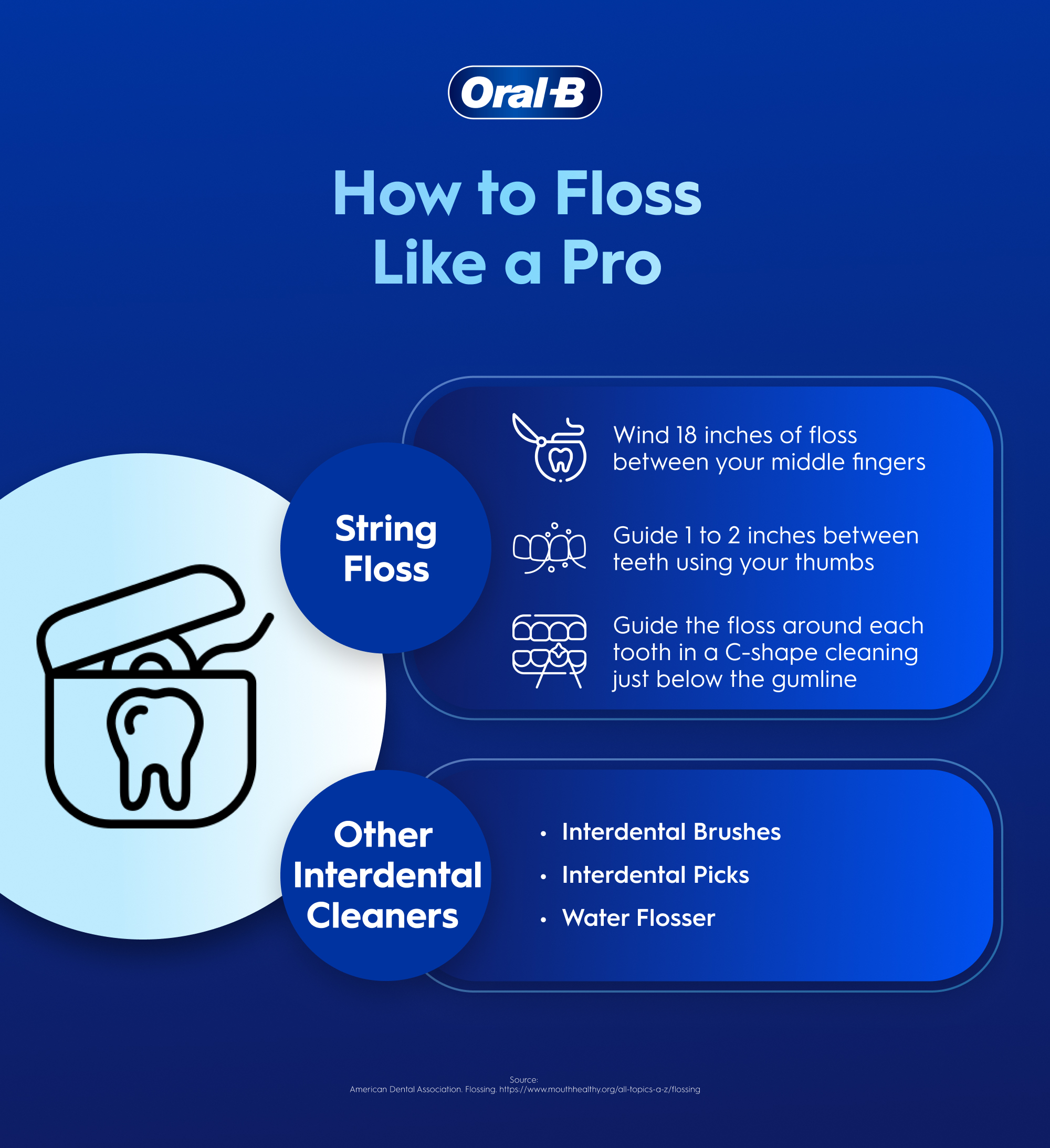
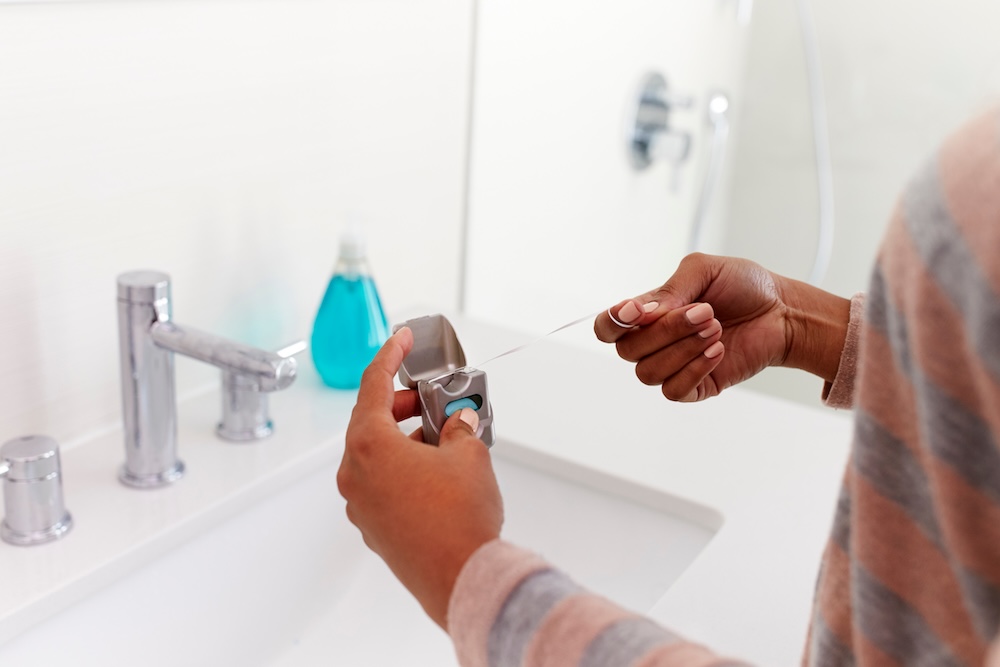
There are better and worse ways to floss. Flossing correctly is crucial to reap its full benefits. Here's a simple, step-by-step guide:
- Cut about 18 inches of dental floss.
- Wind most of it around your middle fingers, leaving an inch or two to work with.
- Grasp the floss between your thumbs and index fingers, keeping it pulled tight.
- Carefully guide the floss between your teeth using a back-and-forth motion.
- Avoid snapping the floss, as this can damage your gums.
- Curve the floss around each tooth to form a "C" shape.
- Gently slide it beneath the gumline to remove plaque and debris.
- Use a clean section of floss for each tooth to prevent transferring bacteria.
- Flossing should not cause pain or bleeding.
- If you experience discomfort, consult your dentist or dental hygienist to ensure you're using the correct technique.
Use the Right Amount of Floss
Hold the Floss Tightly
Gently Slide Between Teeth
Form a C-Shape
Move to the Next Tooth
Be Gentle
Tips for Effective Flossing
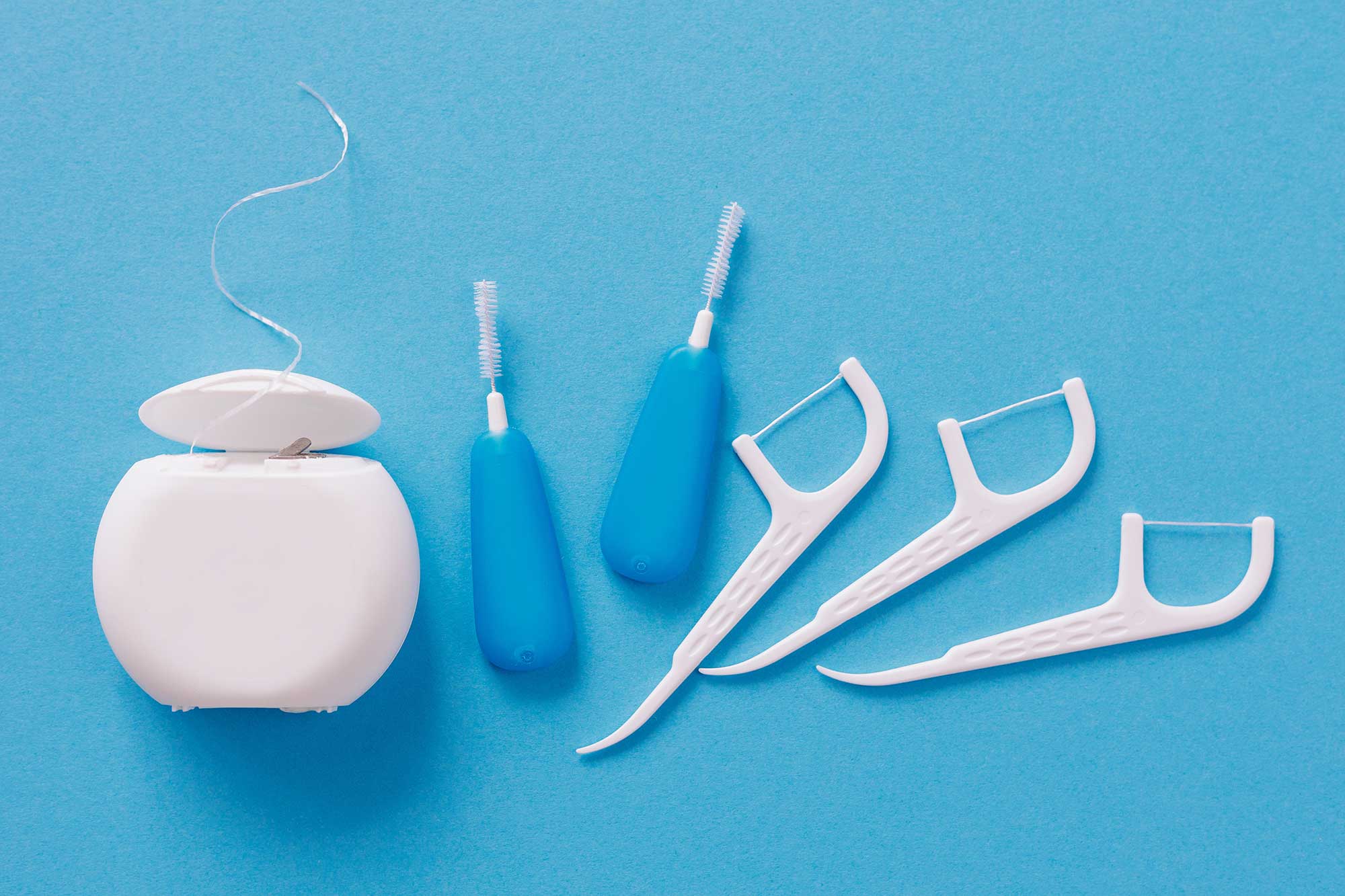
Making flossing more effective and easier means it’s more likely to be consistently incorporated into your daily routine. Consider these tips:
- Flossing before brushing helps to remove debris and plaque, allowing your toothbrush to clean the surfaces more effectively.
- Select a floss that suits your teeth.
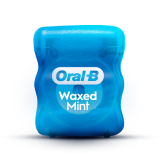
- Waxed floss slides easily between tight teeth
- Unwaxed floss may provide a better grip
- For braces or bridges, consider using a floss threader or super floss
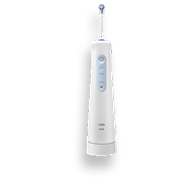
- If traditional flossing is challenging, try floss picks or water flossers. These tools can make flossing easier and more convenient.
- Floss at least once a day, preferably before bedtime, to remove the day's buildup of plaque and food particles.
- Regular dental checkups help monitor your oral health and provide professional cleaning to remove tartar that flossing and brushing can't.
Floss Before Brushing
Choose the Right Floss
Use Floss Picks or Water Flossers
Be Consistent
Visit Your Dentist or Dental Hygienist Regularly
Summary
Flossing might seem like a small part of your daily routine, but it plays a big role in keeping your teeth and smile healthy. Combined with regular brushing, it helps prevent cavities, gum disease, and bad breath, and can even contribute to overall health.
Many people brush their teeth regularly but skip flossing. However, flossing is essential for removing plaque and food particles from areas that toothbrushes can't reach, helping to prevent cavities, gum disease, and bad breath. So, flossing properly and thoroughly once a day, every day, is important.
While it’s not complicated, flossing correctly is crucial to reap its full benefits, so take time to learn how to effectively floss around each tooth without being too rough on teeth and gums. Using the right tools and making flossing easier increases the odds that you’ll do it consistently, so figure out what works best for you. And keep visiting your dentist and dental hygienist regularly to take care of the things flossing and brushing can’t.
By making flossing part of your daily oral health routine, you’ll enjoy a healthier smile and better well-being.
Good Oral Hygiene Starts with Oral-B
In the event of gingivitis (the earliest stage of gum disease), the first line of defense is to see a dental professional. They can do a proper examination, determine the level of periodontal disease, and recommend treatments. But there are things you can do to help.
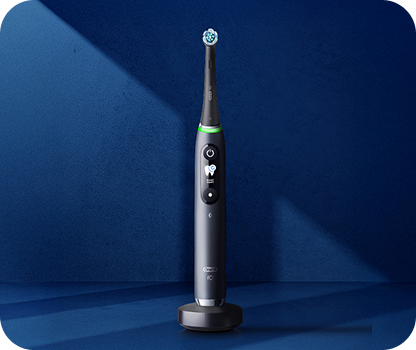
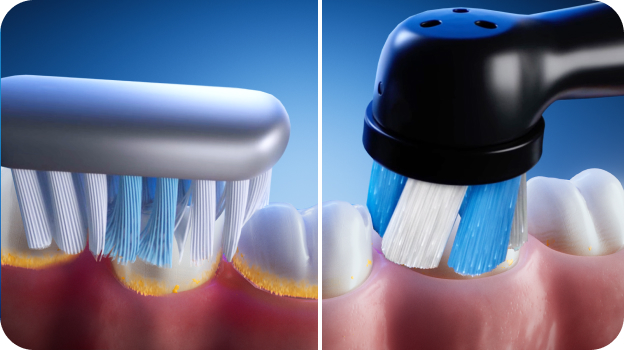
- When you brush with Oral-B iO electric toothbrushes, you can protect your gums and fight and stabilize recession. Oral-B iO helps you avoid new tooth and gum issues—and if you have existing gum problems, it can help improve them more effectively than a manual toothbrush.
- The right brush head also makes a big difference in effective cleaning without gum irritation. The Oral-B iO Gentle Care brush head, contains dentist-inspired soft bristles and optimized bristle patterns that adapt to the curves of the teeth and gums and provide a gentle clean with maximum comfort. It provides effective cleaning without irritating sensitive areas and gums.
- Toothpastes in the Crest Pro-Health line contain stannous fluoride, which helps fight the plaque bacteria associated with gum disease. Pair with an Oral-B iO electric toothbrush to help stop bleeding and heal gums. Mouthwash can be an important part of your daily oral health routine.
- The best mouth rinses, like Crest Pro-Health Multi-Protection Mouthwash, are clinically proven to provide 24-hour protection against plaque and gingivitis with twice-daily use.
- Dental floss, used daily, helps prevent gingivitis as part of a complete dental plan. Look for floss that can fit more easily into tight spaces, such as Glide Floss.
There is a connection between oral health and systemic health. Oral-B has created a line of products to help a variety of oral health conditions. Because, as a champion of good oral health for all, we know it has other positive health benefits. Research has associated oral health issues with whole body diseases, such as dementia, diabetes, and cardiovascular disease. That’s why, beyond helping with issues such as tooth decay, gum disease, and tooth loss, our products can help prevent and reduce plaque bacteria before they spread to other parts of the body.
FAQs
-
Do you floss before or after brushing?
-
How do I floss with braces?
-
What does it mean if your gums bleed after flossing?
Sources
- https://aaoinfo.org/blog/should-i-floss-or-brush-first/
- https://adanews.ada.org/huddles/flossing-before-or-after-brushing-experts-weigh-in/
- https://www.healthline.com/health/how-to-floss-with-braces
- https://www.mayoclinic.org/healthy-lifestyle/adult-health/in-depth/dental/art-20047475
- https://www.webmd.com/oral-health/what-is-waterpik
- Biesbrock, A., et al. (2006). Assessment of treatment responses to dental flossing in twins. Journal of periodontology, 77(8), 1386–1391. https://doi.org/10.1902/jop.2006.050399
- Pitchika, V., et al. (2021). Impact of Powered Toothbrush Use and Interdental Cleaning on Oral Health. Journal of Dental Research, 100(5), 487–495. https://doi.org/10.1177/0022034520973952
- Scientific American. (2021). The Surprising Perils of Periodontal Disease.
- Sutor, S., et al. (2025). Effect of a powered and a manual toothbrush in subjects susceptible to gingival recession: A 36-month randomized controlled clinical study. International Journal of Dental Hygiene, 23(1), 26–36. https://doi.org/10.1111/idh.12834
- Terézhalmy, G. T., et al. (2008). Plaque-removal efficacy of four types of dental floss. Journal of Periodontology, 79(2), 245–251. https://doi.org/10.1902/jop.2008.070345
- Zou, Y., et al. (2024). A meta-analysis comparing toothbrush technologies on gingivitis and plaque. International Dental Journal, 74(1), 146-156. https://doi.org/10.1016/j.identj.2023.06.009
Table of Contents
- The Benefits of Flossing
- How to Floss Properly
- Tips for Effective Flossing
- Summary
- Good Oral Hygiene Starts with Oral-B
-
- FAQs
- Sources

This blog has been reviewed and approved by Dr Robert Lee, a dental professional of 35 years
LEARN MORE >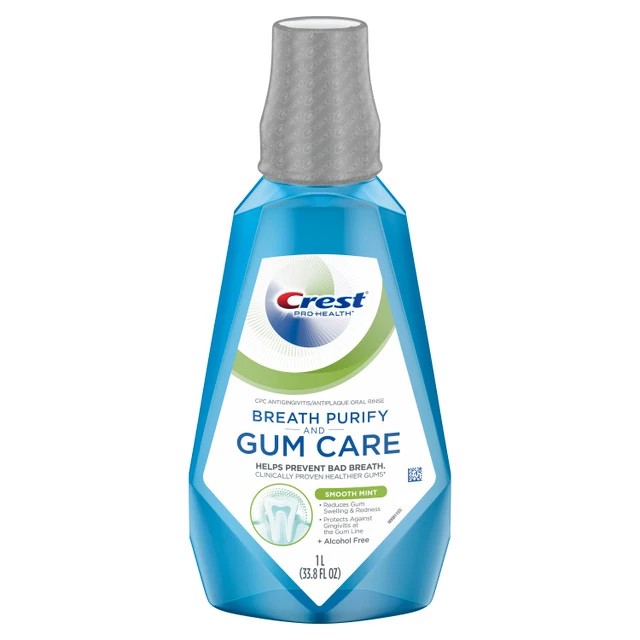

Sign Up
for oral care tips, expert advise, and exclusive offers.
Sign Up
for oral care tips, expert advise, and exclusive offers.
