The answer is yes, if it is the right kind. Chewing gum can help prevent tooth decay, as long as you choose a sugarless gum. Chewing gum causes your mouth to produce more saliva, which helps neutralize and rinse away some of the acid that forms in your mouth when you break down food. So, if you chew gum after a meal, you may be helping to protect your teeth and promote oral health.
Read more
Retainers are custom-made appliances that consist of a plastic base and metal wires that cover the outside of the teeth to help retain the new alignment. Once your braces are removed, your dentist will likely prescribe a retainer for you to wear to allow the teeth and gums to further stabilize around your new tooth alignment.
Read more
Dental health is vital for general health and appearance in childhood and all through life. Preventative dentistry, fighting against oral problems, doesn’t have to be boring; actually, it can be fun. This is an important lesson that all children should learn at an early age to help them get the most out of their oral health routine.
Read more
It’s not uncommon for a child to suck his or her thumb, lip or a finger, as a way to self-soothe or to help fall asleep.
Read more
Flip through the pages of any magazine, and it's filled with toothy smiles—all pearly and perfectly shaped. Turn on the television, and you'll see whitening-product advertisements full of smiling actors with bright, white teeth. We're a smile-happy culture. The good news is that achieving a healthy, confident smile may be closer than you think! First, understand that it's normal for your teeth to show signs of age. When you consider all the wear and tear teeth take—such as chewing three meals per day, every day—it's no surprise that your pearly whites can start to lose their luster. But with a bit of basic care, and perhaps some professional help, you can recapture that youthful, healthy smile.
Read more
Frequent follow-ups, or "adjustments," are needed to replace worn-out rubber bands, check on your teeth's progress, and make adjustments to the wires to make sure teeth are being pulled in the right direction. Skipping follow-ups can hinder progress, and may cause you to need braces for a longer period of time.
Read more
Have you ever wondered why the American Dental Association and your dentist recommend you come back every six months? It’s because regular dental visits are essential for the maintenance of healthy teeth and gums. And in between those examinations, it’s important that you work to keep your teeth and gums clean and healthy. If you need additional help, your dentist may even suggest more frequent visits.
Read more
So, you have a missing tooth. Or more than one. And now, you’re ready to replace them and restore your functionality and smile. The big question is, “Should you go with dentures or dental implants?” There are some significant differences. Dentures are removable plates that sit on your gums, offering a more affordable and faster solution. Implants are titanium or zirconia posts anchored in your jawbone that feel and function like real teeth. Let’s explore the cost, comfort, care, and long-term effects of both options to help you figure out which one best fits your lifestyle and needs.
Read more
When a tooth is fractured, has a large old filling or is severely damaged by decay, your dentist may recommend the placement of a crown, also called a cap. Crowns strengthen and protect the remaining tooth structure and can improve the appearance of your smile. Types of crowns include the full porcelain crown, the porcelain-fused-to-metal crown and the all-metal crown.
Read more
Denture adhesive is a non-toxic, water-soluble material that is placed between the denture and the tissues in your mouth to enhance the normal physiological forces that hold dentures in place. It can come in both cream and powder form and reduces movement and slippage when you do things like eat, speak, laugh, cough or sneeze.
Read more
Dental implants can significantly improve the appearance of your smile while helping to promote healthy gums and teeth. But what happens before, during, and after an implant surgery? You may be wondering how long the procedure will take, if dental implants are painful, and what to expect during recovery
Read more
Braces can help realign your teeth and make for a nice smile, but even so many people want to get them off as soon as possible. There are several things you can do to help keep your mouth clean and help let your braces do the work they need to.
Read more
Regular monthly follow-up visits for braces patients. Elastic bands are replaced and archwires may be replaced or adjusted as needed.
Read more
Following a consistent oral health care routine is especially important for pregnant women for several reasons. Pregnancy changes the hormones in the body that put pregnant women at increased risk for periodontal disease, which is the most severe form of gum disease. A
Read more
You should be prepared for the fact that taking care of your teeth will be more difficult once you get braces. Braces have countless tiny spaces to trap food, and this trapped food causes plaque, which can lead to many other dental problems. Because of this, it's very important to brush your teeth after every meal (snacks count, too), to rinse with mouthwash, and to floss at least once a day. This may seem tedious or excessive, but neglecting your oral hygiene can lead to serious oral health problems, force you to spend additional time in braces, or cause unsightly staining on your teeth. The extra responsibility needed to care for braces properly is something that both you and your child should be prepared for.
Read more
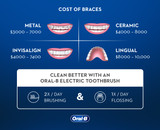
The cost range for braces can vary greatly for each type:
Read more
It’s always best to be prepared, and knowing how to be ready for a dental emergency can be important to your oral health. If left untreated, a chipped or broken tooth, or a broken crown or filling can provide an opening for cavities because the damaged area is hard to keep clean.
Read more
Finding the right dentist for you and your family involves a combination of factors. But it all comes down to the four C’s: Competence, convenience, compatibility and cost.
Read more
Brushing a child’s teeth is important for many reasons. Primary teeth keep your child’s jaw straight, hold the space for adult teeth, and play an important role in how children learn to chew, smile, and talk. Having healthy teeth will also help with confidence and participation in their education and social life. Establishing good oral health habits early on will help encourage lifelong patterns.
Read more
Dental sealants or tooth sealants help to provide extra protection for your teeth if you’re susceptible to cavities or if you’re unlikely to have adequate exposure to fluoride. Tooth sealants covers teeth and help protects them from plaque.
Read more
Pediatricians recommend cleaning baby’s teeth and gums every day, starting from birth. Gently massage gums with a damp cloth and brush baby teeth with an extra-soft bristled toothbrush and fluoride-free toothpaste.
Read more
Wipe your baby’s gums with a damp washcloth before teeth come in, then brush as soon as the first tooth appears. Help toddlers brush, and keep supervising as your child learns to brush well for the full 2 minutes. If you choose an electric toothbrush, pick one that’s right for your child’s age.
Read more
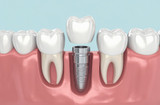
Dental implants are a form of restorative dentistry that helps improve the quality and appearance of your smile. Made to look and function exactly like your natural teeth, dental implants can be the perfect option for anyone with missing or damaged teeth.
Read more
Managing your oral health is a whole different story when you've got braces. That's why Oral-B and Crest have teamed up with the American Association of Orthodontists and orthodontists worldwide, to create OrthoEssentials. It combines the best Crest and Oral-B products for people with braces with educational tools for better oral care.
Read more
As you already know, your lifestyle and habits during pregnancy can affect your health as well as the health of your unborn baby. With all the things you need to be prepared for, your oral health may not exactly be top-of-mind. But maintaining the health of your teeth and gums is necessary to avoid the risk of developing pregnancy gingivitis and to establish good oral health long-term.
Read more
Children’s teeth begin forming before birth. The first primary, or baby, teeth erupt through the gums as early as four months. All 20 of the primary teeth usually appear by age three, although their pace and order of eruption varies. Permanent teeth begin appearing around age six. This process will continue until approximately age 21.
Read more
New wearers often report a “full-mouth” feeling, as though the dentures are too big and pushing the lips forward. This feeling will diminish as you adjust to wearing dentures. They may feel like they don’t fit properly at first. They may “gag” you or cause you to bite your cheek or tongue. If you wear an upper denture, it may take some time for your tongue to get used to the feeling of being pressed against the denture and not your palate. Don’t worry. These problems will decrease over time.
Read more
Braces have proven to be highly effective for straightening teeth and fixing other orthodontic problems. Braces can be used to treat many different oral conditions, beyond cosmetic reasons. Depending on your specific condition, braces may be the best option for your oral health and cosmetic appearance.
Read more
Dental veneers are customized shells made of porcelain or a composite resin that fit over your teeth to improve their appearance. Veneers are especially helpful in improving your smile if you have teeth that are chipped, stained or misshapen. The purpose of veneers is generally cosmetic, but you may have them fitted as part of an overall dental makeover that includes treatment for gum disease.
Read more
If you have a cracked or chipped tooth or teeth, you may be a candidate for dental bonding. Dental bonding involves the application of a tooth-colored plastic adhesive that your dentist will shape and polish to match the surrounding teeth. Dental bonding is relatively painless and is usually performed without anesthesia. If you’re having tooth bonding done on several teeth, you may need to schedule more than one visit; a dental bonding procedure on one tooth takes anywhere from 30 minutes to an hour.
Read more
Some pregnant women experience a condition called Dysgeusia, or changes in the tastebuds, during pregnancy. Fortunately, this condition resolves after pregnancy and is basically harmless, but it can be annoying for a pregnant woman who is trying to eat right, and maintain good dental hygiene and prevent cavities. Dysgeusia is distinct from the food cravings or food aversions that occur in pregnancy, when pregnant women seek out certain foods that they might not have liked in the past, or find that former favorite foods are unpalatable or taste strange.
Read more
Unfortunately, there aren't many alternatives to braces, but there are alternatives to the metal braces that many people immediately picture. You can get clear or tooth-colored brackets and wires, which make braces much less noticeable. Some patients are also eligible for Invisalign instead of traditional braces. There are also other types of removable appliances that can help align teeth.
Read more
Introduce an Oral-B Kids Electric Toothbrush to your child's oral care routine at the age of 3 to better protect them from cavities and gingivitis. Oral-B Kids' Electric Toothbrushes remove 100% more plaque than a regular manual toothbrush to better prevent cavities and strengthen their smile.
Read more
Dental implants are a permanent solution that aims to fix the appearance of your smile. As a restorative option, dental implants are more than just a cosmetic treatment. Implants look and feel just like your natural teeth as they work to preserve your overall oral health.
Read more
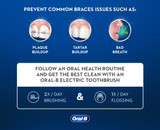
Prevent common braces problems such as plaque buildup, tartar, and bad breath with a complete oral care routine. Brush with an electric toothbrush to further remove more plaque and trapped food from brackets and wires.
Read more
Your dentures will last longer and fit better if you take proper care of them. Keep these points in mind to keep your dentures in top shape:
Read more
First of all, don't wait until you think your child is "old enough" for braces before you start looking for an orthodontist. The American Association of Orthodontists recommends that all kids get a checkup by age 7 to see how their teeth are coming in. Find out the right time to get braces.
Read more
It’s natural to want a pearly white smile, even when you have braces. There are many ways to brighten your teeth. Depending on what type of braces you have, some methods may work better than others. Here’s how to whiten teeth with braces:
Read more
Dental implants are a reliable and long-lasting solution for replacing missing teeth. Since they look and feel like natural teeth, they offer benefits such as improved appearance, function, and bone preservation. While the procedure is generally safe, it's important to be aware of potential risks and to discuss them with your dental professional. Insurance coverage for implants varies, so it's advisable to explore all available options to manage costs effectively.
Read more
When it comes to straightening your teeth, choosing the right type of braces can feel overwhelming. With various options available, each offering their own unique benefits and considerations, you'll want to choose the one that aligns with your lifestyle, aesthetic preferences, and dental needs. In this guide, we'll explore the most common types of braces—traditional metal, ceramic, lingual, clear aligners, and self-ligating systems—which will give you the information you need to help make an informed decision when you talk to your orthodontist about which option is best suited for you.
Read more
Brushing your teeth with braces may seem like a daunting task, but with the right techniques and tools, it becomes a manageable part of your daily routine. Braces create tiny nooks and crannies where food particles and plaque can hide. If not cleaned properly, this can lead to cavities, gum issues, or even staining once your braces come off. Brushing isn't just about keeping your teeth clean. It's about protecting your investment in your smile. This guide will walk you through the best practices for brushing your teeth with braces. It requires some effort, but it’s worth it.
Read more
A dentist usually recommends braces to improve the patient's physical "orofacial" appearance. Through orthodontic treatment, problems like crooked or crowded teeth, overbites, underbites, incorrect jaw position and disorders of the jaw joints are corrected.
Read more
How long does it take to put braces on? For most types of braces, it takes about 1-2 hours.
Read more