Dr Robert Lee is a dentist with more than thirty years of experience in the industry.
Graduating from the University of Sydney with a Bachelor of Dental Surgery and from the
University of New South Wales with a Master of Business Administration, Robert’s career
has taken him all over the world — from Australia to Germany to his current position in
Chicago, where he is the founder of Denticus Inc, offering strategic dental consulting.
Robert has previously worked for Procter & Gamble as the Director of Professional Scientific
Relations in both the Cincinnati and Sydney offices, being responsible for external relations
and scientific exchange with leading professional associations and industry thought leaders.
Robert has been assisting the team at Oral‑B by fact‑checking and reviewing our blogs on dental
health.
Contents
What Is Tooth Enamel?
Why It’s Important To Take Care Of Your Tooth Enamel
How Tooth Enamel Gets Damaged
How To Protect Your Enamel
Protect Your Smile with Oral-B
FAQs
References
Quick hit key takeaways
1
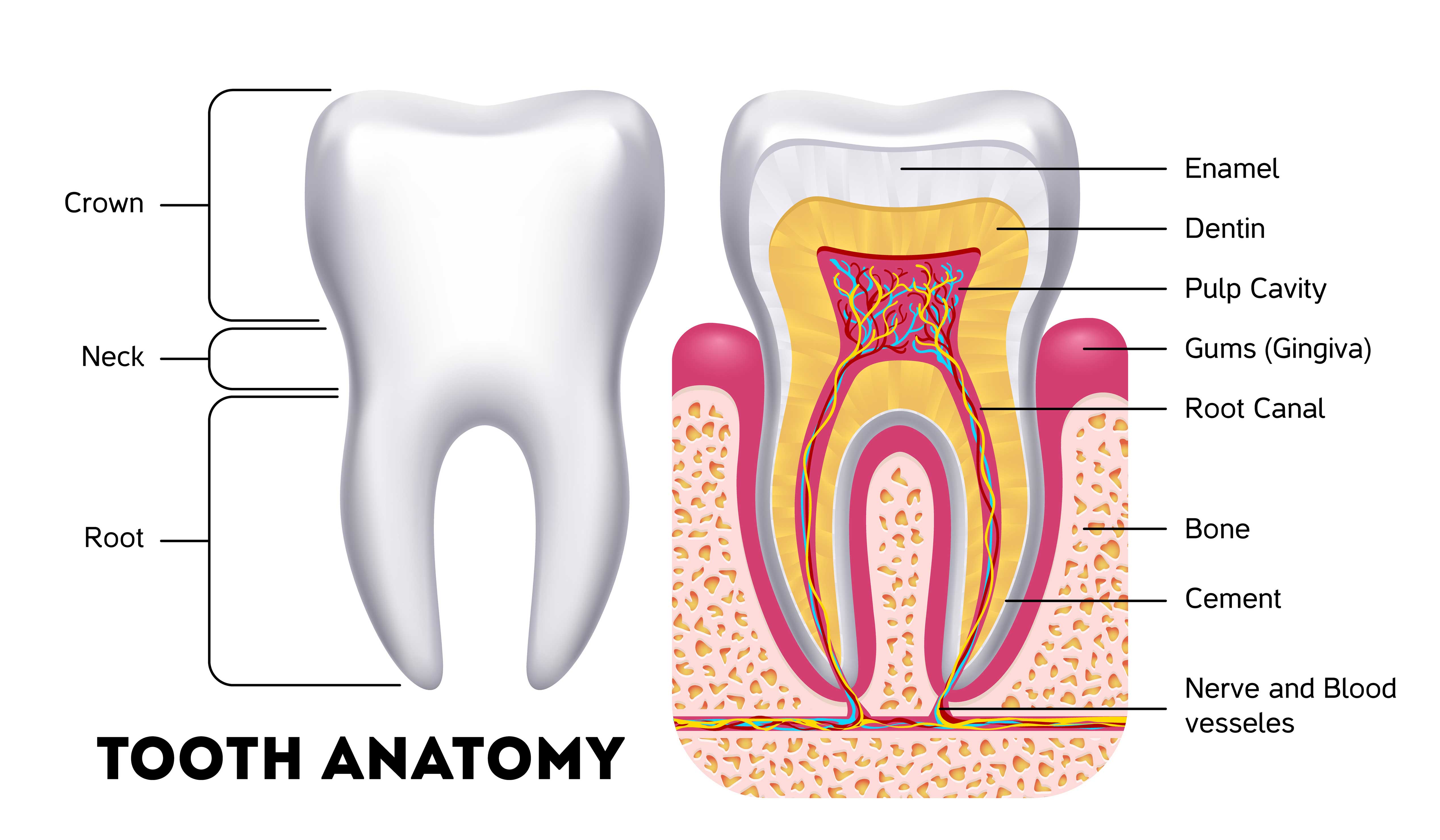
Tooth enamel serves as the hard, wear-resistant outer layer of the dental crown. It forms an insulating barrier that protects the tooth from physical, thermal, and chemical forces that would otherwise be injurious to the vital tissue in the underlying dental pulp.
2
Enamel can be damaged by several factors, including diet, genetics, environment, teeth grinding, and acid reflux.
3
You can help protect your enamel by practicing good oral hygiene, which includes brushing with an electric toothbrush twice per day and using fluoride toothpaste, going to the dentist regularly, and watching what you eat and drink.
Summary
Tooth enamel helps prevent decay, protects against damage, and shields teeth from sensitivity, cavities, and more. But what exactly is tooth enamel, and why is it important for oral health? Let’s find out.
What Is Tooth Enamel?
Tooth enamel is the protective outermost layer of your teeth. It’s the hardest substance in your body, even harder than your bones.
Purpose
Tooth enamel is the first line of defense against bacteria, plaque, and acids that can cause a number of oral health concerns, such as cavities and erosion.
Enamel also insulates your teeth against common sources of sensitivity — like hot or cold extreme temperatures (such as a piping hot cup of coffee or a cold bowl of ice cream), sweet or acidic food and drinks, and vigorous flossing and brushing.
Composition
Tooth enamel is primarily composed of calcium and phosphorus, which combine to form crystallites known as hydroxyapatite. While hydroxyapatite accounts for about 95% of enamel, water and proteins make up the other 5% to create a strong, protective layer on your teeth.
Why It’s Important To Take Care Of Your Tooth Enamel
Now that you know what enamel is, let’s talk about why it’s important. Here are a few reasons.
Protects Against Tooth Decay
After ingestion of foods containing fermentable carbohydrates (like sugars and starches), plaque bacteria forms acid. The acid leads to dental decay, which irreversibly damages the tooth. Over time, this process — known as demineralization — gradually erodes enamel and may lead to cavities.
Wherever enamel is worn away, bacteria and acid can reach dentin, the next layer of your teeth. Dentin is softer and less resistant to acids, which means your teeth become more sensitive.
Taking care of your enamel preserves its strength and ensures it continues to protect the sensitive inner layers of your teeth.
Prevents Sensitivity
Without enamel, the nerves inside your teeth would be closer to the surface. As a result, your teeth could become more sensitive to hot, cold, sweet, and acidic foods and drinks, making eating and drinking uncomfortable.
Keeps Your Teeth Strong
Your teeth go through a lot every day. Thankfully, having healthy enamel can help your teeth stay strong, so they can better withstand the pressure caused by biting, chewing, and grinding.
Helps Keep Your Teeth Looking White
When your enamel is healthy, it helps give your teeth a shiny, white appearance. However, the color of your teeth isn’t completely determined by your enamel; it also depends on the color of the underlying dentin (the layer of material right underneath the enamel).
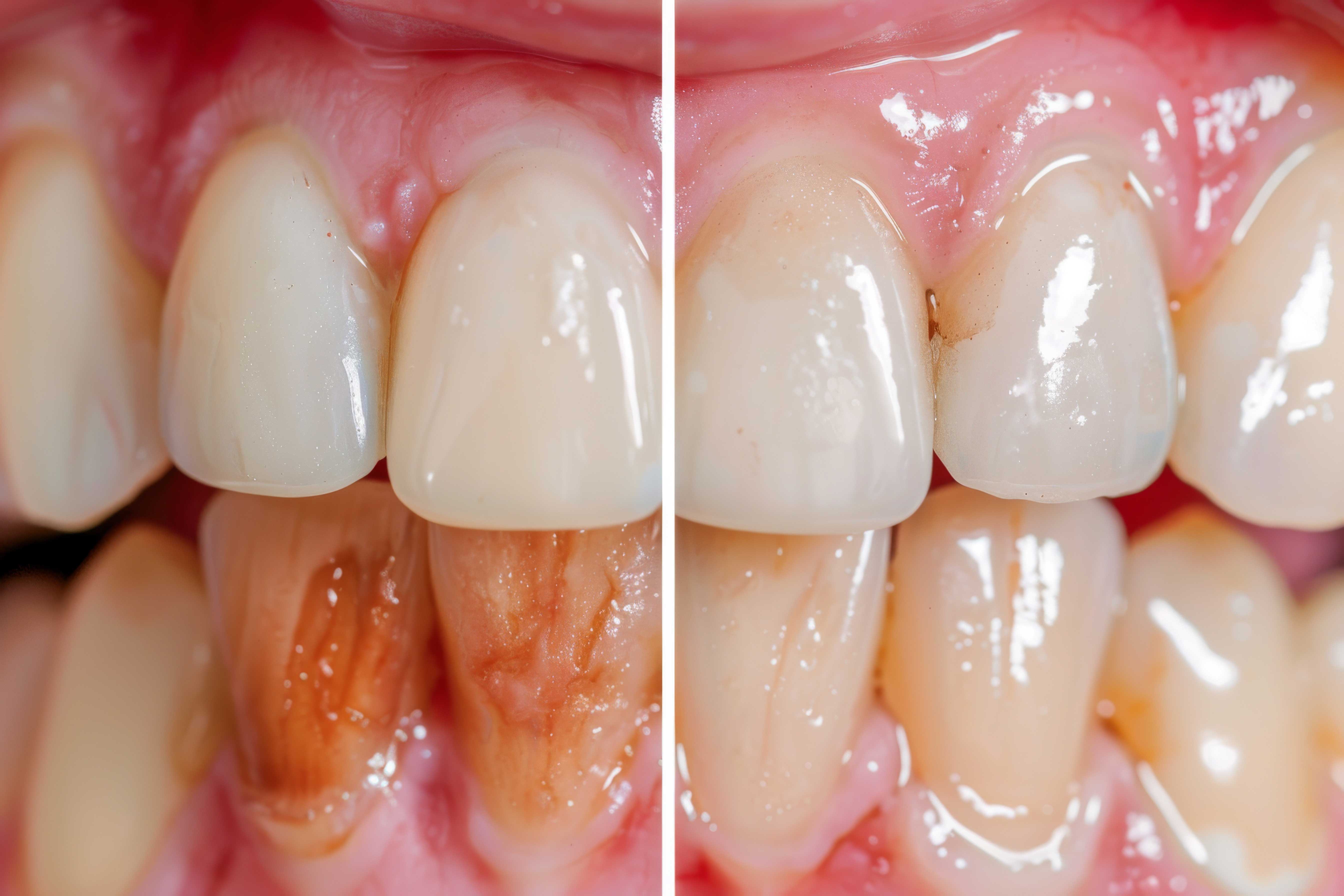
If your enamel becomes damaged or worn down, the dentin becomes more visible, and your teeth may look dull or discolored. They may have dark spots or appear yellow, significantly impacting the aesthetics of your smile.
Protects Against Physical Damage
As you know by now, tooth enamel is strong (remember: it’s harder than your bones). Without healthy enamel, your teeth are more likely to become chipped, cracked, or otherwise damaged due to trauma.
How Tooth Enamel Gets Damaged
Even though enamel is the hardest substance in your body, it is not completely resistant to damage. Let’s examine how it can wear down over time.
Diet
Any acidic or sugary foods and drinks you regularly consume can weaken your enamel by exposing it to extrinsic acids that break down its protective surface and provoke erosion, the process of enamel wearing away over time.
As we mentioned earlier, when erosion occurs, the more vulnerable layers of your teeth, including dentin and pulp, become exposed. This exposure can lead to pain, sensitivity, and an increased risk of decay or more serious dental issues.
Additionally, consuming too many acidic foods and drinks can upset the balance between the acid and alkaline levels in your body and may worsen tooth enamel erosion.
Examples of acidic foods and drinks include:
Citrus fruits, like oranges, lemons, limes
Soft drinks and energy drinks
Vinegar-based sauces and dressings
Tomatoes and products made from tomatoes (like ketchup)
Spicy foods
Caffeinated beverages
Alcohol
Teeth Grinding
Teeth grinding, known as bruxism, gradually wears down enamel and puts excessive strain on your teeth. Over time, this can cause micro-fractures, chipping, and increased sensitivity. If not addressed, it may lead to pain and even fractured teeth.
Acid Reflux or Other GI Conditions
Acid reflux or frequent vomiting can also damage enamel. The stomach acid that comes into contact with teeth is highly acidic and can wear down the protective layer of enamel over time.
If you have a condition that causes frequent vomiting, it’s essential to seek treatment not just for your overall health, but also for the health of your teeth.
How To Protect Your Enamel
Protecting your enamel is crucial because once it’s gone, it’s gone for good. Unlike other parts of your body that can heal and regenerate, enamel cannot regenerate and repair itself after its damaged.
Once enamel wears away or becomes damaged, it exposes dentin, the softer layer underneath, which is less mineralized than enamel. Exposed dentin makes you more susceptible to demineralization, which causes cavities and other oral health issues such as tooth sensitivity.
Fortunately, there are steps you can take to help protect and strengthen your enamel.
1) Develop a Consistent Oral Care Routine
Good oral hygiene is essential for keeping your enamel healthy. Here are some tips to help you establish a consistent oral care routine:
Use an Electric Toothbrush with Pressure Sensor
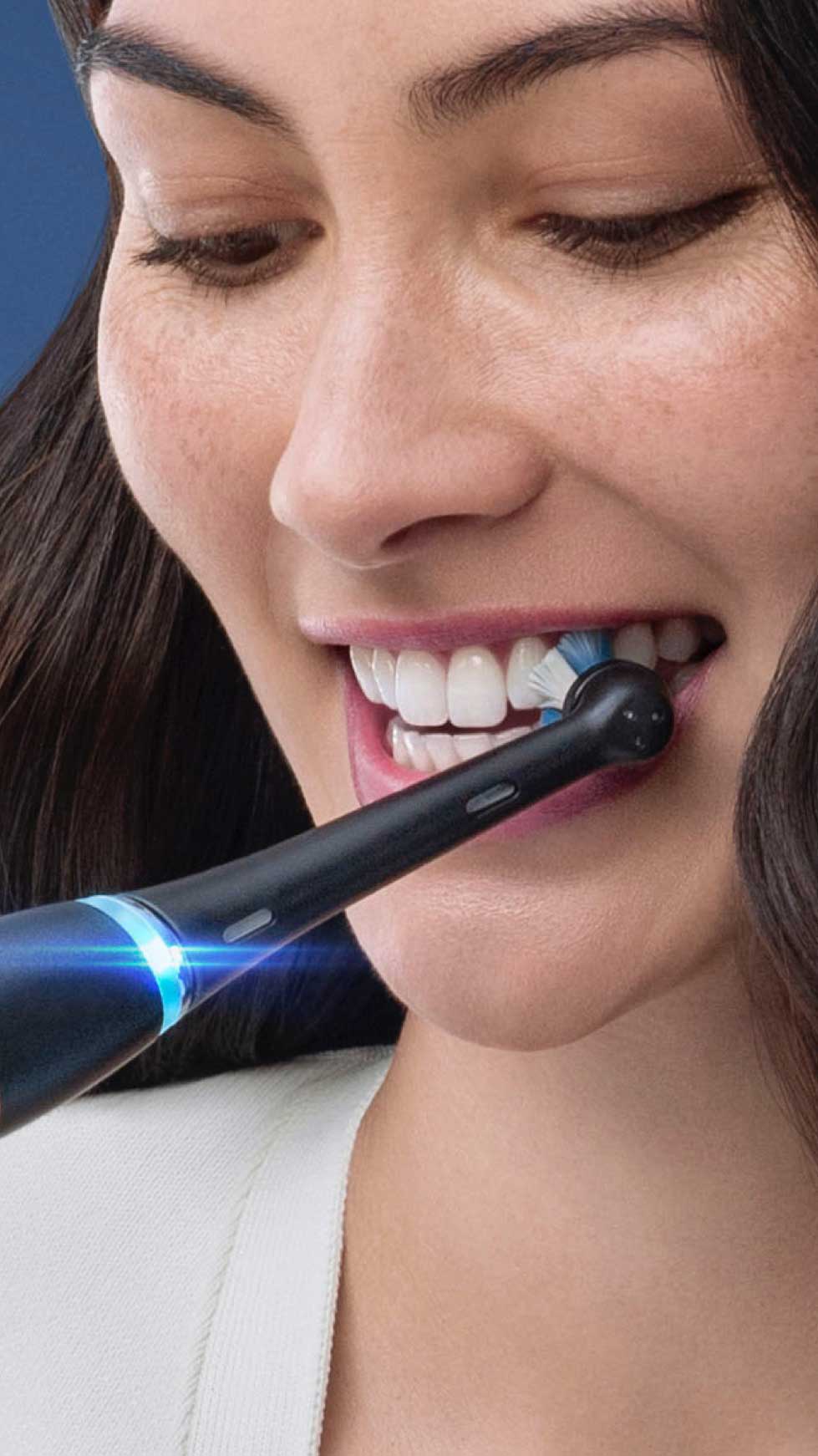
Some people may brush too harshly. Choosing an electric toothbrush with pressure control alerts you when you're applying too much force. Applying the right amount of pressure when you brush can protect against gum recession and enamel erosion.
Furthermore, an electric toothbrush can give you a deeper, more thorough clean compared to a manual toothbrush while still being gentle on your enamel.
Use Toothpaste with Fluoride
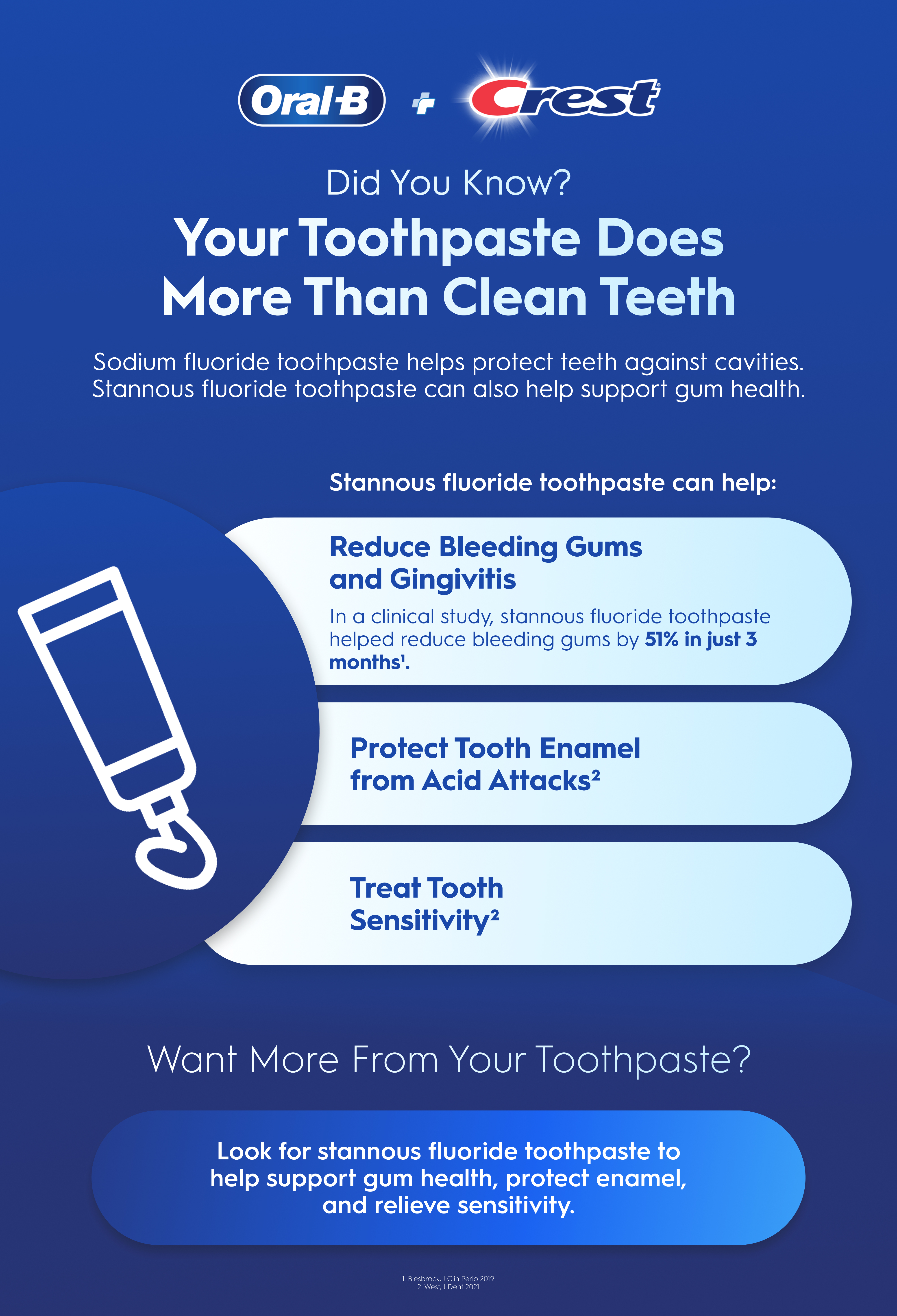
As we mentioned above, fluoride is an important mineral for enamel health. Stannous fluoride-containing toothpastes work to protect your teeth by strengthening enamel and dentin and reducing plaque buildup.
Dentists recommend choosing a toothpaste made with fluoride and brushing your teeth twice a day for at least two minutes each time.
Brush Properly
A good brushing technique involves gentle, circular motions that cover all surfaces of your teeth. Avoid aggressive brushing, as this can damage your gums and enamel.
Floss
Flossing helps remove plaque and food that brushing alone may not reach. This further helps prevent cavities and other dental problems, such as gum issues.
Use Mouthwash
Mouthwash (also called mouthrinse) can be a beneficial addition to your oral care routine. While using mouthwash can't replace brushing and flossing, depending on which rinse you use, it can help reduce plaque, prevent bad breath, and protect against tooth decay.
2) Go to the Dentist Regularly
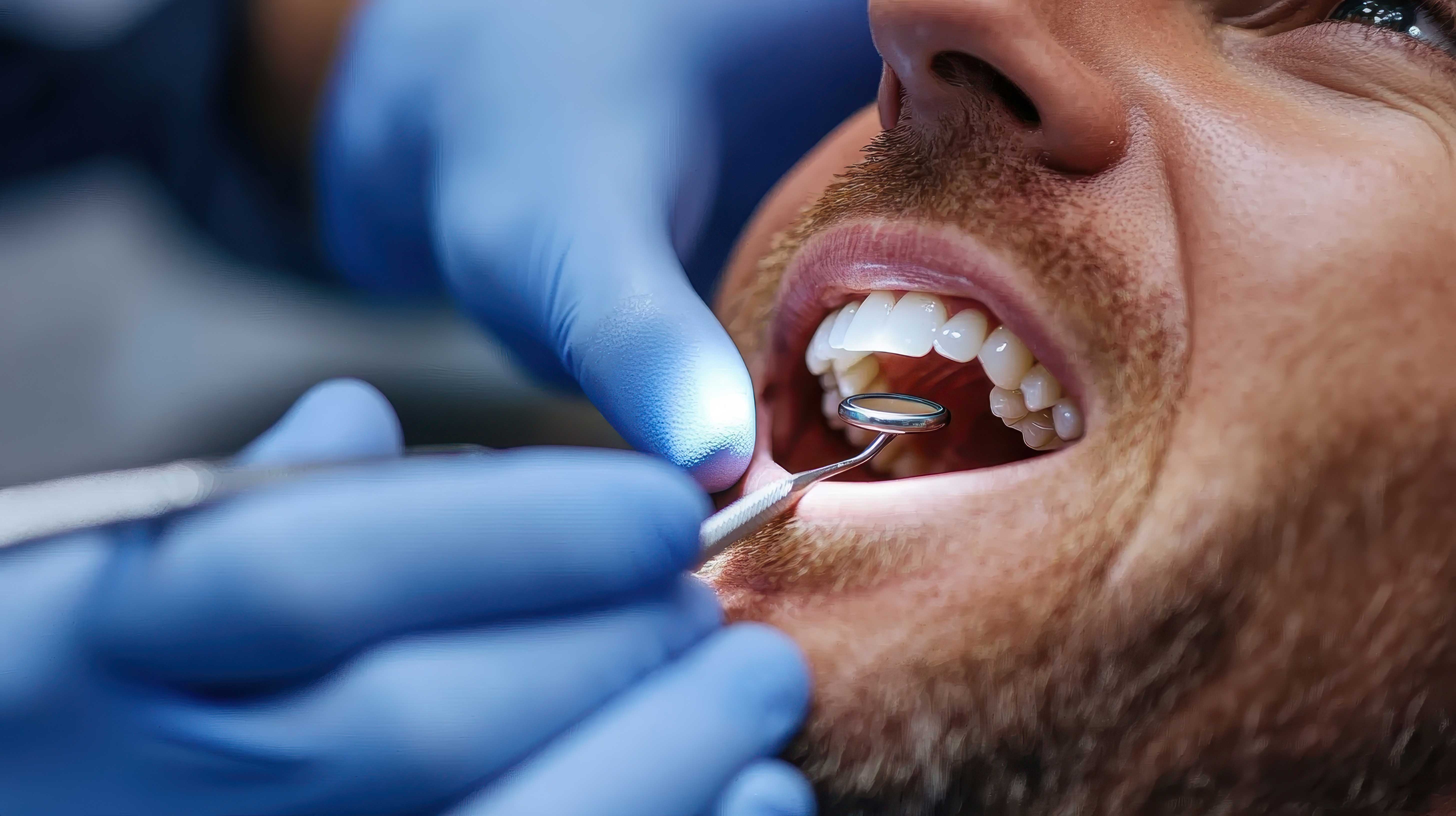
Visiting the dentist at least twice a year for a cleaning and checkup is important for maintaining healthy enamel. Your dentist can detect early signs of erosion and recommend a customized treatment plan to prevent further damage.
Take Care of Cavities Right Away
If your dentist finds any cavities, you’ll want to address them as soon as possible. Untreated cavities can lead to further caries progression and more serious oral health issues.
3) Use a Straw
While acidic drinks can be bad for your enamel, the good news is that you don't have to avoid them completely. When indulging in one, use a straw to cut down on the contact between the drink and your teeth.
4) Stay Hydrated
Saliva is an important part of your oral health because it helps neutralize acid and wash away food particles and bacteria. Staying hydrated throughout the day keeps your saliva production going.
5) Watch Your Diet
Food high in sugar and acid can weaken enamel. Avoid or limit these types of foods, and always rinse your mouth or brush your teeth after eating them.
Protect Your Smile with Oral-B
Enamel erosion and damage can lead to serious dental problems and impact the overall appearance of your smile. By following the tips above and practicing good dental hygiene, you can help keep your enamel strong for years to come. Oral-B can be your partner in this oral care health journey.
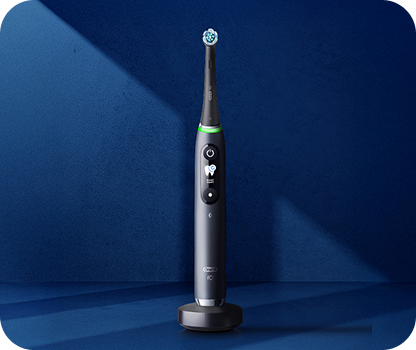
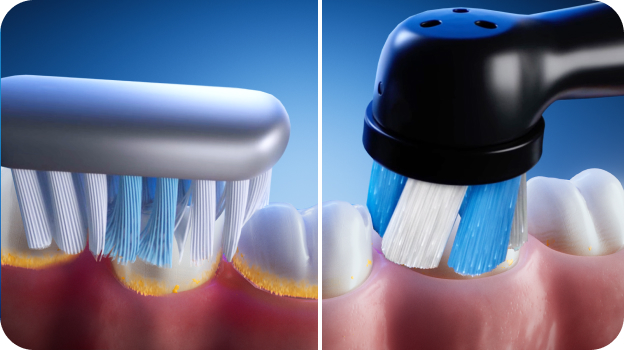
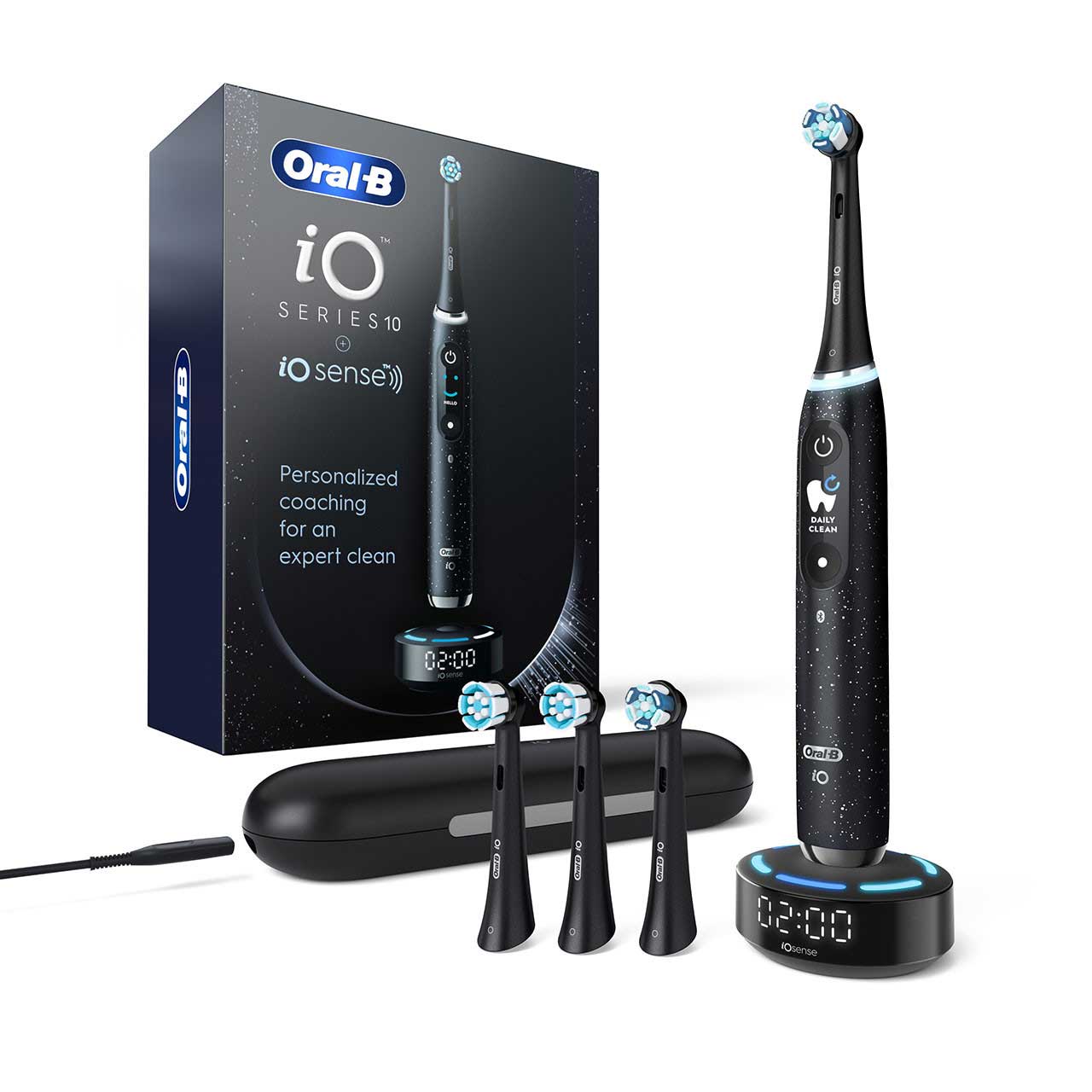
With breakthrough technology, our iO Series electric toothbrushes are designed to provide a personalized and gentle experience. The innovative iO Magnetic technology combines micro-vibrating bristles with our dentist-inspired round brush head for a professional clean feeling every time.
Shop this article
1040|689
FAQs
Does tooth enamel grow back?
Unfortunately, tooth enamel does not grow back. It forms from a layer of cells that are lost after tooth eruption, making it a hard material without living cells. The good news is that you can help protect and strengthen your enamel by following a good oral hygiene routine, and dentists can repair enamel that’s damaged, but not completely destroyed.
How can I strengthen my enamel?
Caring for your enamel is one of the most important things you can do for your oral health. Here are some easy tips you can put into practice at home:
Brush your teeth at least twice per day and floss once per day
Use a toothpaste that has stannous fluoride in it
Drink plenty of water every day
Does teeth whitening damage enamel?
The majority of teeth whitening is safe. The effectiveness of whitening treatments is primarily related to two variables: the concentration of peroxide released by the whitening product and the duration of continuous exposure on the tooth. If the pH is too acidic, its use can cause etching of the enamel, making it more fragile and demineralized. This may lead to white spots, lesions (early enamel caries), and sensitivity. Dental hypersensitivity during whitening is the most commonly reported adverse reaction. It is primarily due to the infiltration of peroxide into the microfractures of the enamel. Before whitening, consult with your dentist for their recommendations.