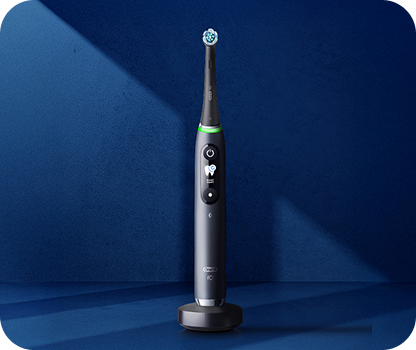
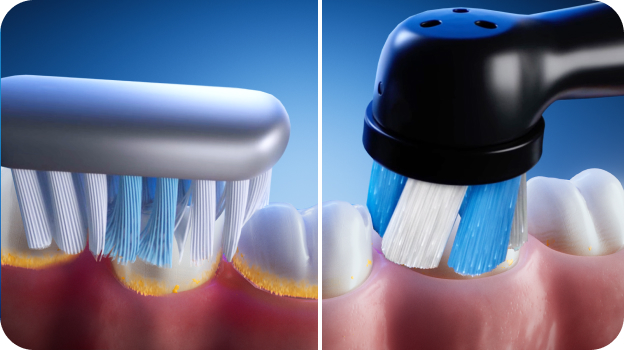
Brushing properly is the #1 way to prevent cavities. Oral-B® Electric Toothbrushes help make your brushing technique significantly more effective—resulting in fewer opportunities for tooth decay. Read on to learn how Oral-B technology helps you in the fight against cavities.
Read more
First of all, don't wait until you think your child is "old enough" for braces before you start looking for an orthodontist. The American Association of Orthodontists recommends that all kids get a checkup by age 7 to see how their teeth are coming in. Find out the right time to get braces.
Read more
Mouth guards aren’t just bulky sports accessories worn by athletes. They’re actually quite versatile tools that can protect your teeth in a variety of ways: during contact sports, help if you grind your teeth during sleep, help with jaw pain, and even lessen snoring and mild sleep apnea. There’s a lot to consider when choosing the best mouth guard for your needs, so let’s break down what they are, what they do, what they cost, and how to take care of them to help you make the best decision.
Read more
It’s natural to want a pearly white smile, even when you have braces. There are many ways to brighten your teeth. Depending on what type of braces you have, some methods may work better than others. Here’s how to whiten teeth with braces:
Read more
Your tooth suddenly starts aching. Or it hurts when you eat something sweet. Or you notice a dark spot on your tooth. Is it a problem? Dental caries, the disease that causes tooth decay and cavities, is among the most widespread oral health conditions. But the good news is they're largely preventable and treatable with the right care. Let's explore what dental caries are, how to recognize them, and how to prevent them to keep your teeth healthy.
Read more
Receding gums is a dental condition that happens when gum tissue recedes from the teeth, exposing the roots underneath. Taking good care of your mouth is the best way to keep your gums healthy and prevent gum recession.
Read more
Toothaches can be caused by many things, from cracks and cavities to jaw-clenching and sinus pressure — just to name a few. In this article, we’ll cover what causes toothaches, their symptoms, how to treat them, and ways to prevent them.
Read more
Dental implants are a reliable and long-lasting solution for replacing missing teeth. Since they look and feel like natural teeth, they offer benefits such as improved appearance, function, and bone preservation. While the procedure is generally safe, it's important to be aware of potential risks and to discuss them with your dental professional. Insurance coverage for implants varies, so it's advisable to explore all available options to manage costs effectively.
Read more
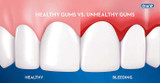
"Bleeding gums" or Gingival bleeding is one of the earliest signs of gum disease. Gingival bleeding can arise from various underlying factors, and in this article, we'll discuss some of the most prevalent causes.
Read more
Does your mouth feel dry and sticky when you wake up in the morning? Do you feel the constant urge to drink lots of water, so your mouth doesn't dry out? Do you find it hard to swallow, chew food, or even speak clearly? You may be suffering from dry mouth.
Read more
A root canal is a common dental procedure that can save a tooth from extraction. Undergoing a root canal may seem daunting, even scary, but with modern techniques and proper care, it can be a straightforward, painless procedure that saves your natural tooth. By understanding what warrants a root canal, the process, and following aftercare instructions, you can ensure a good outcome and lasting dental health. Always consult with your dentist for personalized advice and treatment plans tailored to your specific needs.
Read more
Using the right toothbrush can make your daily oral care routine more enjoyable—and more effective. A toothbrush is personal, which is why they’re available in a variety of sizes and shapes. If you have a large mouth, you may prefer a full-sized toothbrush head. If you have a small mouth, opt for a compact head. And some adults even prefer youth or child-sized toothbrushes because they find them easier to use for brushing behind the back teeth.
Read more
Your dentist or dental hygienist has recommended scaling and root planing. Now you're probably wondering what that is, what it involves, and how it can improve your oral health. It sounds scary, but scaling and planing are often referred to as a "deep cleaning." The procedure is essential for treating gum disease and preventing more serious dental issues. This article will break down what scaling and root planing are, the benefits they offer, and how to care for your gums afterward.
Read more
Getting your wisdom teeth removed is a common dental procedure, but it can feel somewhat intimidating if you don't know what to expect. Whether your wisdom teeth are causing you pain, are impacted, or pressing against your other teeth, removal is often the best option. Fortunately, the process is straightforward, and with the right aftercare, recovery is usually smooth. Let's walk you through the basics, from the procedure itself to helpful recovery tips, so you can feel more prepared and less stressed.
Read more
When it comes to straightening your teeth, choosing the right type of braces can feel overwhelming. With various options available, each offering their own unique benefits and considerations, you'll want to choose the one that aligns with your lifestyle, aesthetic preferences, and dental needs. In this guide, we'll explore the most common types of braces—traditional metal, ceramic, lingual, clear aligners, and self-ligating systems—which will give you the information you need to help make an informed decision when you talk to your orthodontist about which option is best suited for you.
Read more
Gingivitis is the first stage of gum disease. Fortunately, gingivitis is often treatable and preventable with just a few simple steps that you can do at home.
Read more
Brushing your teeth with braces may seem like a daunting task, but with the right techniques and tools, it becomes a manageable part of your daily routine. Braces create tiny nooks and crannies where food particles and plaque can hide. If not cleaned properly, this can lead to cavities, gum issues, or even staining once your braces come off. Brushing isn't just about keeping your teeth clean. It's about protecting your investment in your smile. This guide will walk you through the best practices for brushing your teeth with braces. It requires some effort, but it’s worth it.
Read more
With so many toothbrush types available on the market, it's often difficult to select the right toothbrush for your own needs. First, let's distinguish between battery-powered and electric toothbrushes.
Read more
A dentist usually recommends braces to improve the patient's physical "orofacial" appearance. Through orthodontic treatment, problems like crooked or crowded teeth, overbites, underbites, incorrect jaw position and disorders of the jaw joints are corrected.
Read more
How long does it take to put braces on? For most types of braces, it takes about 1-2 hours.
Read more
You should start flossing your children’s teeth even when they have only their baby (primary) teeth. Once a child’s teeth start to fit closely together, usually between the ages of two and six, parents should start to get their children in the habit of flossing daily. As they develop dexterity, you can help them learn to floss. Children usually develop the ability to floss on their own around the age of 10.
Read more