Can A Cavity Go Away On Its Own?

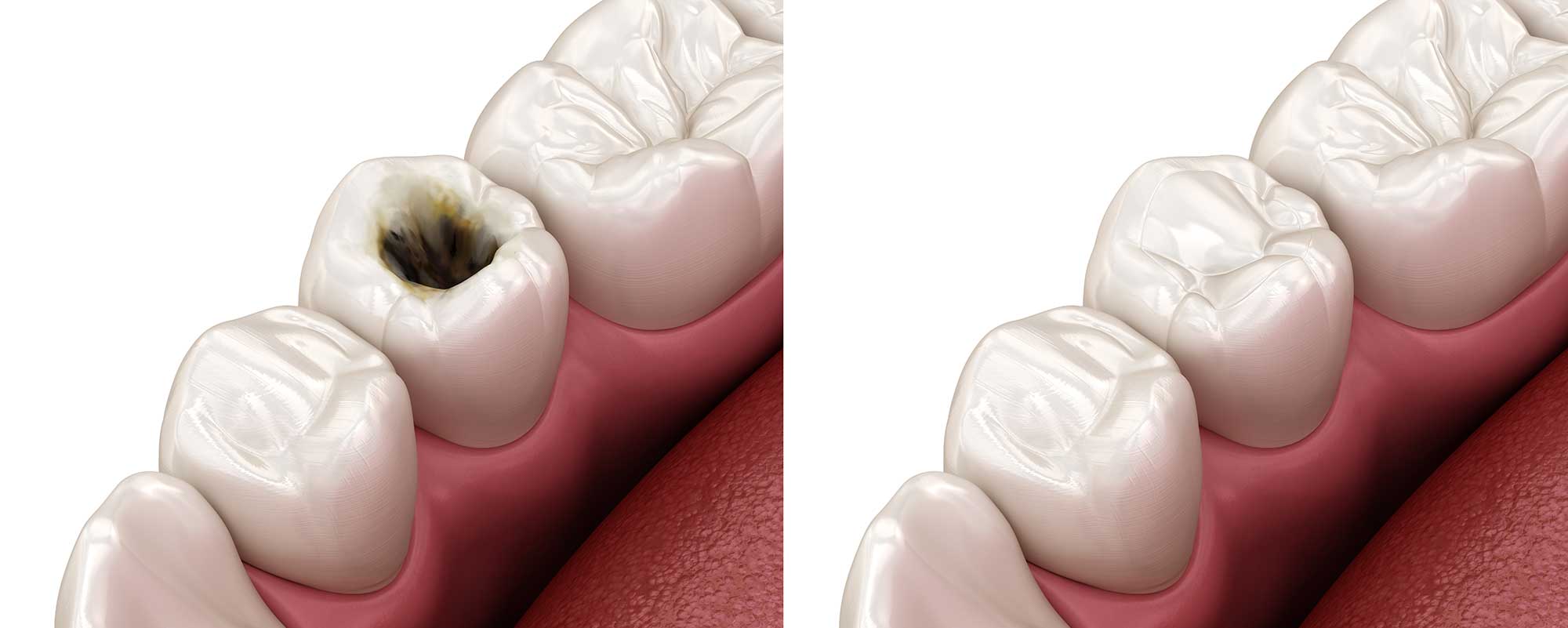
Side by side showing molars with cavities versus molars without
Last Updated : December 4, 2025

SUMMARY

No one likes hearing they have a cavity. It’s only natural to ask if a cavity can heal by itself. In the very early stages, you may be able to reverse pre-cavitated decay especially if you brush regularly with a fluoride toothpaste. But once a cavity has fully formed, it cannot repair itself. A filling is the only proper solution. The good news is preventing cavities is much easier than treating them. So maintain a consistent oral health routine and see your dentist regularly.

Key Takeaways

  • Early-stage decay, before a cavity forms, can be reversed through a process called remineralization, which is helped by good brushing, fluoride and healthy habits.
  • Signs and symptoms of an early cavity include sensitivity, chalky appearance, visible porosity in the enamel and pain, so don’t ignore them.
  • Once a cavity has formed, it will not go away on its own and will need to be treated by a dentist.
  • Preventing cavities is much easier than treating them. Maintain a consistent oral health routine and see your dentist regularly.
  • Professional monitoring can identify cavities in the early stages, allowing for less invasive treatments and better long-term outcomes.

Table of Contents

drlee-image

This blog has been reviewed and approved by Dr Robert Lee, a dental professional of 35 years

LEARN MORE >

Key Takeaways

Can a Cavity Go Away on Its Own?

Most of us will eventually hear our dentist say those four dreaded words, “You have a cavity.” Cavities are one of the most common oral health issues, affecting people of all ages. Usually, they’re discovered during a routine checkup. Sometimes you might notice one yourself if you have a little sensitivity when you bite down or sip something sweet, hot or cold. Either way, it’s natural to ask, is getting a filling the only option? Can a cavity heal by itself?

The short answer is it depends. In the very early stages, you may be able to reverse pre-cavitated decay, and we’ll explain how. But unfortunately, once a cavity has fully formed, it cannot repair itself. A filling is the only proper solution.

What Exactly Is a Cavity?

A cavity is an area of permanent damage in the enamel, the hard outer layer of the tooth. Cavities are the result of tooth decay, which occurs when acids gradually break down the tooth structure. Those acids are produced by bacteria that feed on sugar and starches left behind after you eat. It begins to demineralize the enamel—and cavities won’t be far behind.

Typically, acids are eliminated when you brush your teeth. But over time, if they aren’t brushed away, they eventually form a cavity. Left unchecked, the damage can go even deeper, into the softer layers of your tooth. That’s when a cavity can go from a small issue to a big problem. So it pays to know your enemy.

Recognizing the signs and symptoms of tooth decay at its earliest stages increases the chance of preventing a cavity. Common signs and symptoms of early decay include white spots on the enamel (which indicates mineral loss), mild tooth sensitivity, and temporary discomfort when consuming sweet, hot, or cold foods.

After a cavity has formed, signs and symptoms may include persistent tooth sensitivity, visible holes or discoloration, or sharp pain when biting down. Bad breath or a bad taste in the mouth can also be indicators.

The best person to recognize the signs and symptoms is a dentist or dental hygienist. In some cases, cavities can be asymptomatic and only detected during a dental exam or on X-rays.

Reversing Tooth Decay Through Remineralization

In the very early stages of tooth decay, before a cavity has formed, there is a possibility of reversal through a natural process known as remineralization, which can repair weakened enamel.

Your saliva plays a part in remineralization because it contains calcium and phosphate, which works to neutralize acids and rebuild enamel. Fluoride, whether you get it from toothpaste, mouth rinses, or fluoridated tap water, helps rebuild the crystalline structure of enamel, making it more resistant to acid attacks. So if you’ve got some early enamel weakening going on, brushing well and using fluoride can actually reverse that damage.

That’s why a consistent oral health routine is so important. The window for a cavity reversal is typically before you notice it.

Early detection also helps. Dentists and dental hygienists can usually spot early decay on X-rays or during a visual exam. In some cases, if the decay hasn’t progressed, they might recommend that you watch and wait. But they’ll usually give you a timeline and protocol to stop the decay.

Don’t Ignore a Cavity

Once you have a cavity, don’t ignore it and hope. Even if you have a cavity but no pain, you might be tempted to leave it alone. Don’t.

Cavities never get better on their own. They get worse. Left untreated, decay can reach the inner pulp of the tooth, which contains nerves and blood vessels. At that point, you may need a root canal or could even lose the tooth. In rare cases, untreated tooth infections can spread to other parts of the body, leading to serious health issues. So, keeping your teeth healthy is a key part of your overall oral systemic wellness.

An Ounce of Prevention

Of course, the best cavity is the one that never actually occurs in the first place. Here’s how to keep your teeth strong and healthy:

  • Brush twice a day for at least two minutes, using a soft-bristled toothbrush and fluoride toothpaste.
  • Floss daily. Seriously. Flossing gets the particles between your teeth that brushing misses.
  • Cut back on sugar, because it feeds the bacteria that cause cavities. Try to limit sugary drinks and snacks and rinse your mouth after eating sweets.
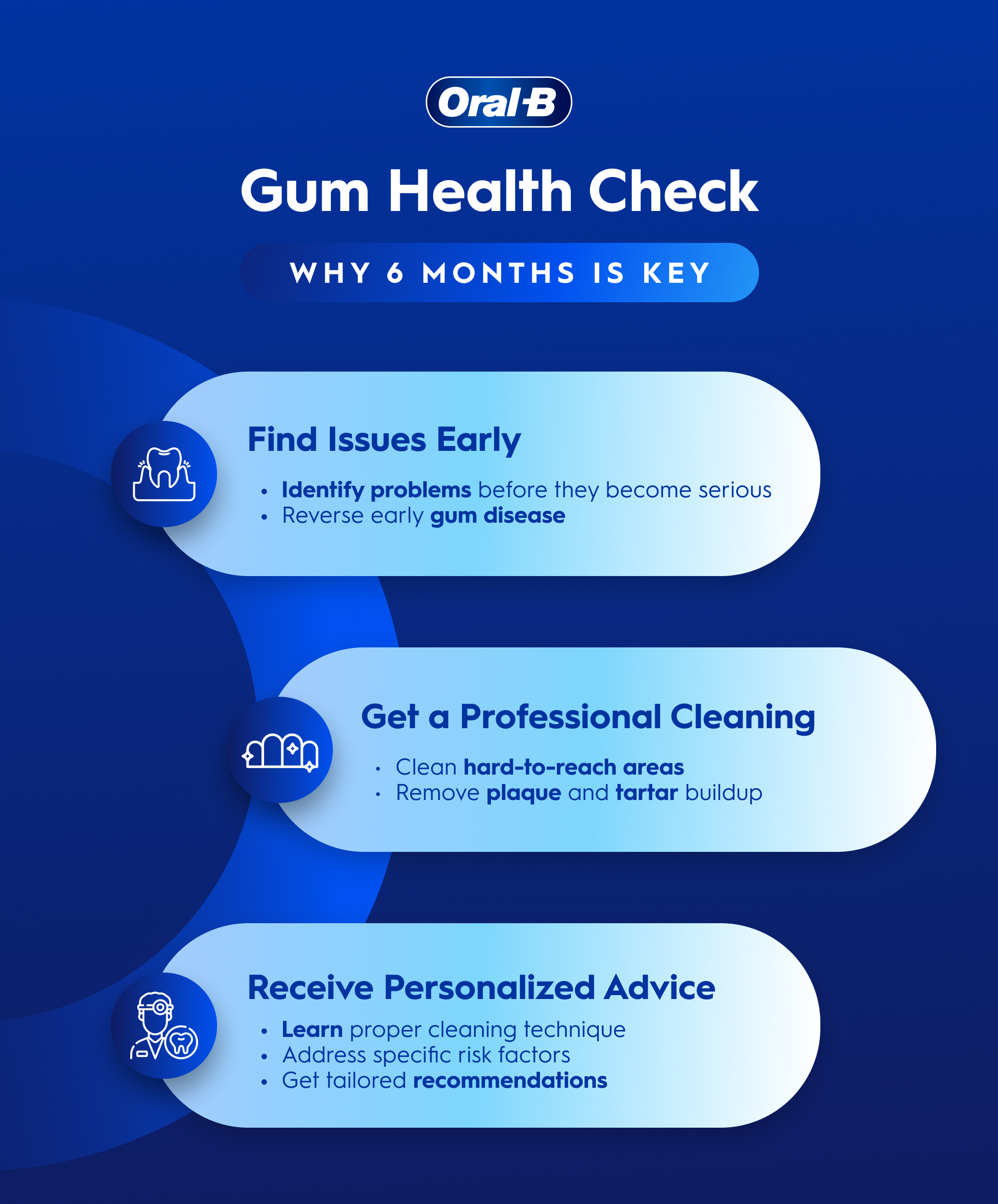
  • Visit the dentist and dental hygienist regularly, even if your teeth feel fine. Regular, twice-yearly checkups can catch early decay before it turns into a bigger problem.
  • Consider dental sealants, thin coatings that are applied to the back teeth. They can prevent food and bacteria from accumulating in the grooves, reducing the risk of decay.

Avoid Cavities, Tooth Decay and Tartar with Oral-B

Keep your teeth clean and cavity-free. Things like tooth decay and tartar happen when plaque forms on teeth as a sticky film. Plaque contains bacteria that feed on sugar from food and drinks. As these bacteria metabolize sugar, they release acids that can erode tooth enamel. This can lead to cavities and other problems. But help is just a toothbrush away. Here are a few suggestions to help establish a regular, effective routine.

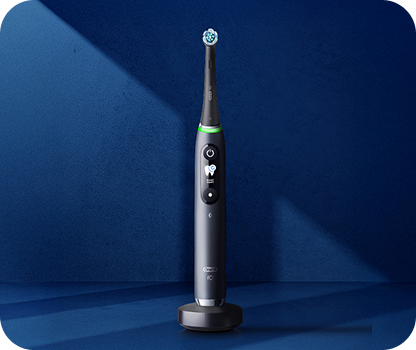
  • Try switching to an electric toothbrush, such as the Oral-B iO electric toothbrush, which protects teeth and gums from the leading causes of tooth decay, signs of early gum disease, and tooth loss.
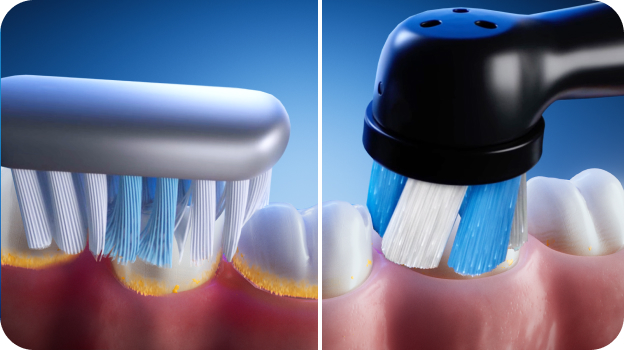
  • The right toothbrush head, such as the Oral-B iO Ultimate Clean brush head, removes plaque and has different bristle lengths that reach deep into the spaces between your teeth, where plaque bacteria love to hide.
  • Use with Crest Pro-Health Advanced Toothpaste that's made with patented stannous fluoride. It will help strengthen teeth and neutralize plaque bacteria that can lead to tooth decay and tartar.
  • Another way to ensure your teeth stay cavity and tartar free, swish with Crest Mouthwash.
  • To help prevent tooth decay and reduce your risk of developing gum disease by removing plaque, floss your teeth at least once daily with Oral-B floss, and make sure you get around every tooth. Another easy add-on to help your oral care and prevent cavities from forming is to use an Oral-B water flosser.

There is a connection between oral health and systemic health, so it’s important to treat conditions like tooth decay and gum disease as soon as possible. That’s why Oral-B, in partnership with Crest, is committed to championing oral health for all, conducting research and creating products to help with a wide range of oral health conditions. Oral-B products are scientifically proven to protect teeth and gums from the leading causes of tooth decay, gum disease, and tooth loss.

Summary

Everyone would love to have a cavity heal itself rather than get a filling. And in the early stages, that could happen. If you catch decay early, before it becomes a cavity, you can absolutely stop it. The chemical process of enamel demineralization can be stopped and even reversed. But it’ll take a proper oral health routine, including early detection, regular oral care, and the use of fluoride.

If you suspect tooth decay, it's best not to wait, especially if your next visit is months away. Get an appointment with your dentist or dental hygienist as soon as you can. Prompt professional evaluation can make the difference between a simple preventive measure and the need for more extensive dental work.

Vigilance is key. The next time you're tempted to skip brushing or delay your check-up, remember it’s much easier to prevent a cavity than to deal with one.

FAQs

  • If you have a cavity, can it go away on its own?
  • What does a cavity look like?

Sources


Chen, C. K., et al. (2017). Association between chronic periodontitis and the risk of Alzheimer’s disease: A retrospective, population-based, matched-cohort study. Alzheimer’s Research & Therapy, 9, 56 https://alzres.biomedcentral.com/articles/10.1186/s13195-017-0282-6

Ferrari Peron, P., et al. (2025). A Randomized Crossover Trial Assessing Plaque Regrowth Dynamics in Adults With Use of an Oscillating-Rotating Electric Toothbrush Versus a Manual Toothbrush Measured by Digital Plaque Image Analysis. Clinical and Experimental Dental Research, 11(3), e70158 https://onlinelibrary.wiley.com/doi/10.1002/cre2.70158

Grender, J., et al. (2020). An 8-week randomized controlled trial comparing the effect of a novel oscillating-rotating toothbrush versus a manual toothbrush on plaque and gingivitis. International Dental Journal, 70, S7–S15. https://doi.org/10.1111/idj.12571

Grossi, S. G., et al. (1998). Periodontal disease and diabetes mellitus: A two-way relationship. Annals of Periodontology, 3, 51-61. https://doi.org/10.1902/annals.1998.3.1.51

Janket, S. J., et al. (2003). Meta-analysis of periodontal disease and risk for coronary heart disease and stroke. Oral Surgery, Oral Medicine, Oral Pathology, Oral Radiology, and Endodontology, 95, 559-569. https://doi.org/10.1067/moe.2003.107

Kiesow, A., et al (2024). High-Resolution Characterization of Enamel Remineralization Using Time-of-Flight Secondary Ion Mass Spectrometry and Electron Microscopy. Caries research, 58(4), 407–420. https://doi.org/10.1159/000535979

Terézhalmy, G. T., et al. (2008). Plaque-removal efficacy of four types of dental floss. Journal of periodontology, 79(2), 245–251. https://doi.org/10.1902/jop.2008.070345

Zou, Y., et al. (2024). A meta-analysis comparing toothbrush technologies on gingivitis and plaque. International Dental Journal, 74(1), 146-156. https://doi.org/10.1016/j.identj.2023.06.009

Table of Contents

  • Can a Cavity Go Away On Its Own?
  • What Exactly Is a Cavity?
  • Reversing Tooth Decay Through Remineralization
  • Don’t Ignore a Cavity
  • An Ounce of Prevention
  • Avoid Cavities, Tooth Decay and Tartar with Oral-B
  • Summary

  • FAQs
  • Sources
drlee-image

This blog has been reviewed and approved by Dr Robert Lee, a dental professional of 35 years

LEARN MORE >

Related Products

1222