Can You Get A Cavity In Between Your Teeth?

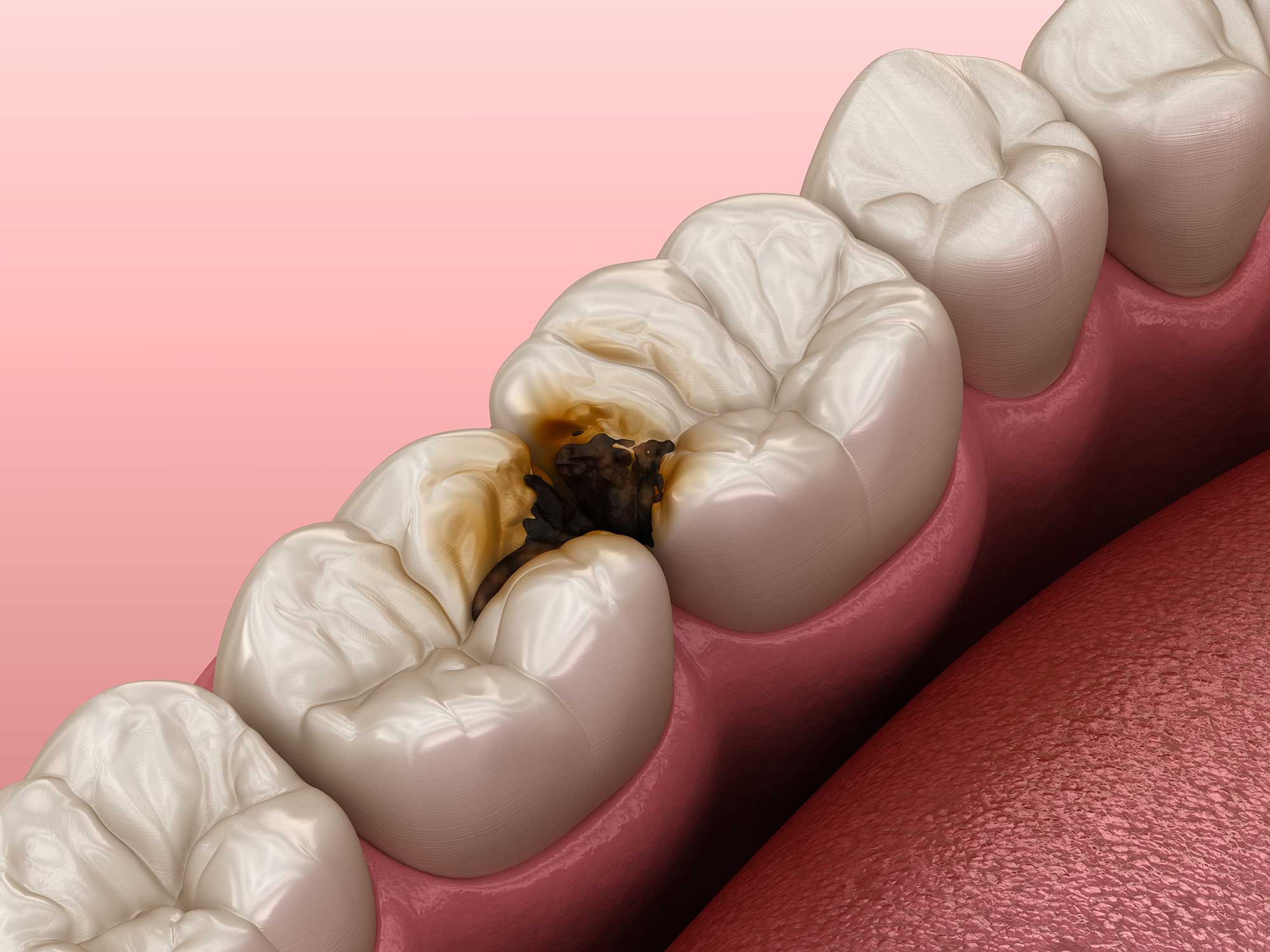
Close-up of molars with a cavity in between two teeth
Last Updated : December 04, 2025

SUMMARY

Cavities commonly occur on the chewing surfaces of teeth, but decay and cavities can also occur between teeth, in areas that are harder to clean. A cavity between teeth, known as an interproximal cavity, can be difficult to detect and often goes unnoticed until it becomes more advanced and problematic. Let's understand how cavities form between teeth, how to spot them, and how to prevent them.

Key Takeaways

  • Cavities can form between teeth. They are common but often go unnoticed until they cause significant issues.
  • Good oral hygiene is essential. Brushing, flossing, and regular dentist visits are the best defense against decay between teeth.
  • Early detection matters. Be aware of symptoms like sensitivity or pain and see your dentist promptly if you suspect a problem.
  • Professional care is crucial. Only a dentist can accurately diagnose and treat cavities.

Table of Contents

drlee-image

This blog has been reviewed and approved by Dr Robert Lee, a dental professional of 35 years

LEARN MORE >

Key Takeaways

Understanding Cavities Between Teeth

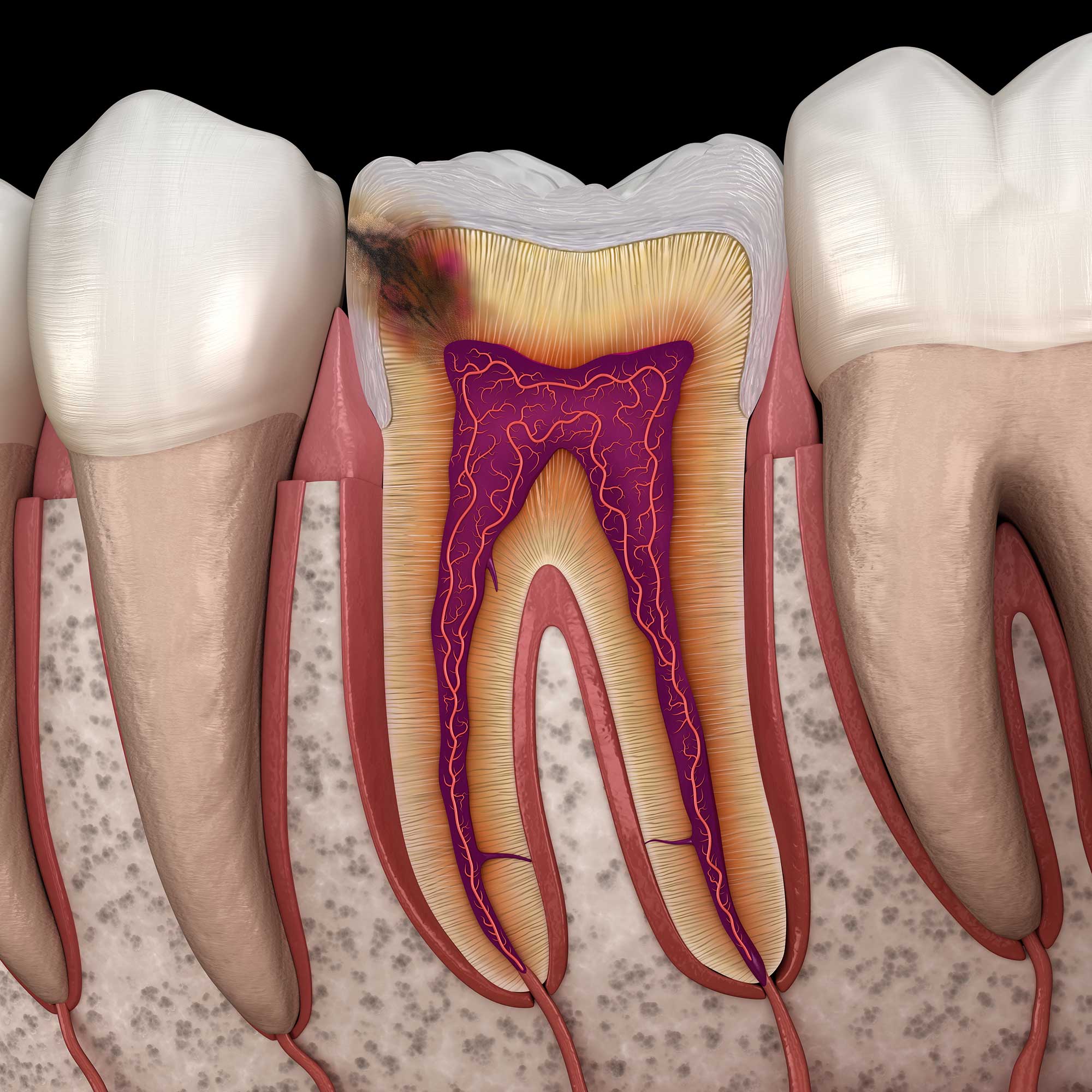
Cross-sectional diagram showing a cavity forming on the side of a tooth

Cavities, or tooth decay, occur when the enamel—the hard, protective outer layer of your teeth—is damaged by acids produced by bacteria feeding on sugars in your mouth. While decay can happen anywhere on a tooth, areas between teeth, even between front teeth, known as interproximal spaces, are particularly susceptible. This is because food particles and bacteria can easily become trapped in these tight spaces. If not properly cleaned, this can lead to decay.

Why Are Interproximal Cavities a Concern?

Interproximal cavities can be more troublesome than those on the exposed tooth's surface for several reasons:

  1. Harder to Detect: Since these cavities are hidden between teeth, they are difficult to notice without professional dental tools. Cavities between teeth can be detected on an x-ray.
  2. Progress Quickly: Since they are not easily seen and start small, they can advance unnoticed, potentially reaching deeper layers of the tooth before being addressed.
  3. Potential for Greater Damage: If left untreated, decay between teeth can lead to more severe dental issues, including infections or tooth loss.

Signs and Symptoms You Might Have a Cavity Between Your Teeth

Early detection is key to preventing serious damage. Be on the lookout for these signs and symptoms:

  1. Sensitivity: Experiencing discomfort or pain when consuming hot, cold, or sweet foods and beverages.
  2. Pain While Chewing: Discomfort when biting down or chewing, especially in specific areas.
  3. Visible Discoloration: Dark spots or holes between teeth that you can notice during self-examination.
  4. Gum Issues: Bleeding or swollen gums near the affected area.

If you notice any of these symptoms, consult with a dentist promptly. They can perform the necessary examinations and, if a cavity is present, recommend appropriate treatment options.

Preventing Cavities Between Teeth

The good news is interproximal cavities are largely preventable as long as you regularly follow a few simple steps.

  1. Brush Regularly: Clean your teeth at least twice a day using fluoride toothpaste. This helps remove plaque, the sticky film of bacteria that contributes to tooth decay.
  2. Don't Skip Flossing: To clean between your teeth where toothbrushes can't reach, floss daily. Yes, every day. This step is crucial in preventing interproximal cavities.
  3. Maintain a Balanced Diet: Limit sugary foods and drinks, as they fuel the bacteria that cause decay. Eat a diet rich in fruits, vegetables, lean proteins, and whole grains.
  4. Use Fluoride Products: Fluoride strengthens tooth enamel, making it more resistant to decay. So, use fluoride toothpaste and also consider fluoride treatments, if recommended by your dentist.
  5. Visit Your Dentist Regularly: Schedule regular dental check-ups and cleanings. Six months is typically the standard. Dentists and dental hygienists can detect early signs of decay and provide treatments like sealants to protect vulnerable areas.

Treatment Options

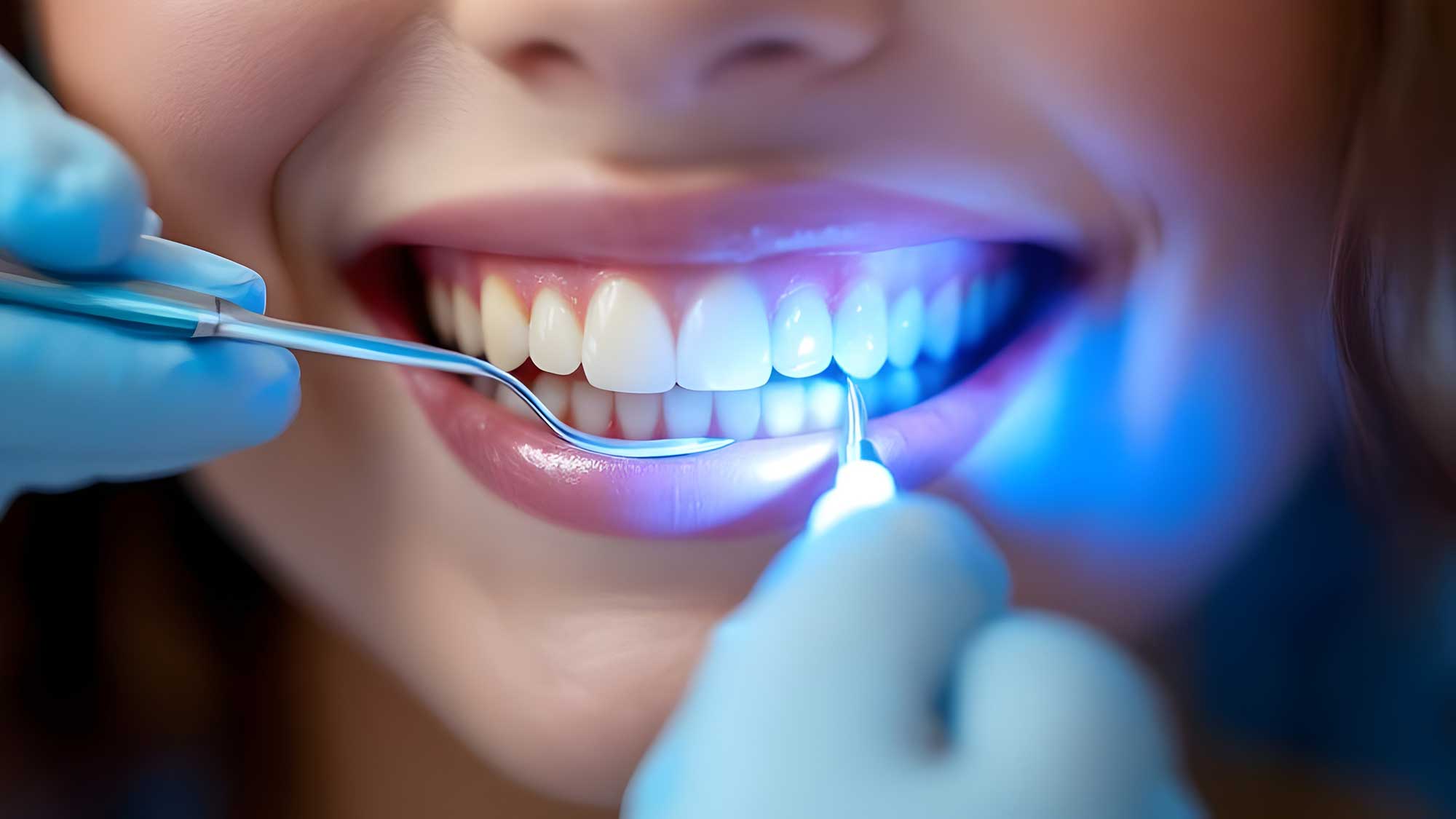
Close-up of someone getting their teeth probed by gloved hands

If a cavity between your teeth does develop, treatment will depend on its severity:

  1. Early-Stage Decay: If a cavity is caught early, fluoride treatments may help remineralize the enamel and halt progression.
  2. Fillings: For more advanced decay, the decayed portion is removed, and the space is filled with materials like composite resin or amalgam to restore the tooth's function and appearance.
  3. Crowns: If a significant portion of the tooth is damaged and there’s not much enamel left, a crown may be placed to cover and protect it. The dentist will take out the decay and repair the damaged part of the tooth, then fit a crown made from gold, porcelain, or porcelain fused to metal over the rest of the tooth.
  4. Root Canals: In cases where decay has reached the tooth's pulp (the innermost part containing nerves and blood vessels), a root canal treatment may be necessary to remove the infected tissue and preserve the tooth. The dentist removes the nerves, blood vessels, and tissue along with the decayed portions of the tooth. They fill in the roots with a sealing material. You may need a crown over the filled tooth.

Summary

Everyone knows cavities occur on the chewing surfaces of teeth, but decay and cavities can also occur between teeth. These are known as interproximal cavities. Food particles and bacteria can easily become trapped in these tight spaces, and if not properly cleaned, can lead to decay.

These cavities can be difficult to detect, often going unnoticed until they become more advanced and problematic, leading to more severe dental issues. That’s why early detection is key. Be on the lookout for signs and symptoms such as sensitivity when consuming hot, cold, or sweet foods and drinks, pain while chewing, tooth discoloration, or gum issues.

The good news is interproximal cavities are largely preventable as long as you do things like brush at least twice a day, use fluoride toothpaste, and floss daily. It also helps to maintain a balanced diet low in sugary foods and drinks. And visit your dentist regularly. They can detect early signs of decay and provide treatments as needed.

Avoid Cavities, Tooth Decay and Tartar with Oral-B

Keep your teeth clean and cavity-free. Things like tooth decay and tartar happen when plaque forms on teeth as a sticky film. Plaque contains bacteria that feed on sugar from food and drinks. As these bacteria metabolize sugar, they release acids that can erode tooth enamel. This can lead to cavities and other problems. But help is just a toothbrush away. Here are a few suggestions to help establish a regular, effective routine.

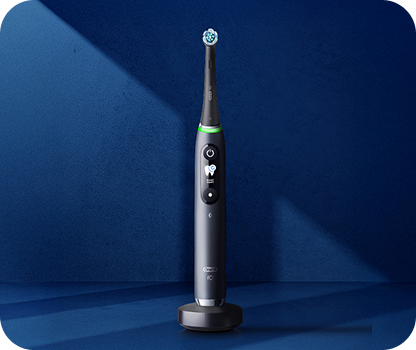
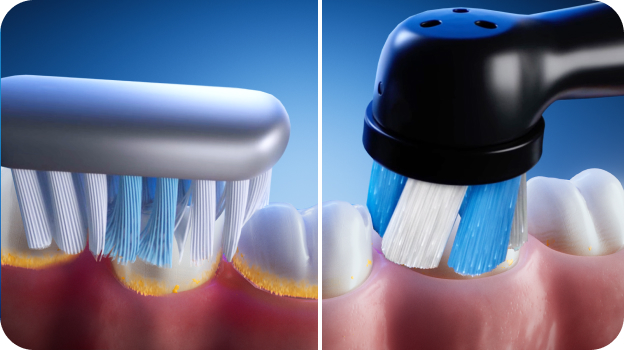
  • Try switching to an electric toothbrush, such as the Oral-B iO electric toothbrush, which protects teeth and gums from the leading causes of tooth decay, signs of early gum disease, and tooth loss.
  • The right toothbrush head, such as the Oral-B iO Ultimate Clean brush head, removes plaque and has different bristle lengths that reach deep into the spaces between your teeth, where plaque bacteria love to hide.
  • Use with Crest Pro-Health Advanced Toothpaste that's made with patented stannous fluoride. It will help strengthen teeth and neutralize plaque bacteria that can lead to tooth decay and tartar.
  • Another way to ensure your teeth stay cavity and tartar free, swish with Crest Mouthwash.
  • To help prevent tooth decay and reduce your risk of developing gum disease by removing plaque, floss your teeth at least once daily with Oral-B floss, and make sure you get around every tooth. Another easy add-on to help your oral care and prevent cavities from forming is to use an Oral-B water flosser.

Untreated conditions such as tooth decay and gum disease are associated with an increased risk for other problems in the body such as cardiovascular disease. That’s why Oral-B, in partnership with Crest, is committed to championing oral health for all, conducting research and creating products to help with a wide range of oral health conditions. Oral-B products are scientifically proven to protect teeth and gums from the leading causes of tooth decay, gum disease, and tooth loss.

FAQs

  • What does it cost to fix a cavity between teeth?
  • What does a cavity between teeth look like?
  • How do dentists fill cavities between teeth?

Sources


Chen, C. K., et al. (2017). Association between chronic periodontitis and the risk of Alzheimer's disease: A retrospective, population-based, matched-cohort study. Alzheimer's Research & Therapy, 9, 56. https://doi.org/10.1186/s13195-017-0282-6

Ferrari Peron, P., et al. (2025). A Randomized Crossover Trial Assessing Plaque Regrowth Dynamics in Adults With Use of an Oscillating-Rotating Electric Toothbrush Versus a Manual Toothbrush Measured by Digital Plaque Image Analysis. Clinical and Experimental Dental Research, 11(3), e70158. https://doi.org/10.1002/cre2.70158

Grender, J., et al. (2020). An 8-week randomized controlled trial comparing the effect of a novel oscillating-rotating toothbrush versus a manual toothbrush on plaque and gingivitis. International Dental Journal, 70, S7–S15. https://doi.org/10.1111/idj.12571

Grossi, S. G., et al. (1998). Periodontal disease and diabetes mellitus: A two-way relationship. Annals of Periodontology, 3, 51-61. https://doi.org/10.1902/annals.1998.3.1.51

Janket, S. J., et al. (2003). Meta-analysis of periodontal disease and risk for coronary heart disease and stroke. Oral Surgery, Oral Medicine, Oral Pathology, Oral Radiology, and Endodontology, 95, 559-569. https://doi.org/10.1067/moe.2003.107

Kiesow, A., et al (2024). High-Resolution Characterization of Enamel Remineralization Using Time-of-Flight Secondary Ion Mass Spectrometry and Electron Microscopy. Caries research, 58(4), 407–420. https://doi.org/10.1159/000535979

Terézhalmy, G. T., et al. (2008). Plaque-removal efficacy of four types of dental floss. Journal of periodontology, 79(2), 245–251. https://doi.org/10.1902/jop.2008.070345

Zou, Y., et al. (2024). A meta-analysis comparing toothbrush technologies on gingivitis and plaque. International Dental Journal, 74(1), 146-156. https://doi.org/10.1016/j.identj.2023.06.009

Table of Contents

  • Understanding Cavities Between Teeth
  • Why Are Interproximal Cavities a Concern?
  • Signs and Symptoms You Might Have a Cavity Between Your Teeth
  • Preventing Cavities Between Teeth
  • Treatment Options
  • Summary
  • Avoid Cavities, Tooth Decay and Tartar with Oral-B

  • FAQs
  • Sources
drlee-image

This blog has been reviewed and approved by Dr Robert Lee, a dental professional of 35 years

LEARN MORE >

Related Products

1222