Dead Tooth: Causes, Symptoms, And Treatments

SUMMARY
Key Takeaways
- A dead tooth results when the living tissue inside, known as the pulp, dies and no longer receives blood flow.
- The definition of a dead tooth is a tooth where the inner pulp, which contains nerves and blood vessels, has died.
- Causes of a dead tooth often relate to deep tooth decay that reaches the pulp, tooth injuries, and trauma.
- Dead teeth often become discolored, appearing different from your other healthy teeth.
- There are noticeable symptoms that indicate you may have a dead tooth or decaying tooth.
- If you have tooth pain, odor or notice yellow or grayish teeth, be sure to consult a dentist.
Table of Contents

This blog has been reviewed and approved by Dr Robert Lee, a dental professional of 35 years
LEARN MORE >Key Takeaways
You may be surprised to know that teeth can lose their health and begin to die. Various conditions and causes can cause a dead tooth, when the nerves of a tooth get damaged and no longer receive blood flow. If tooth decay goes unnoticed or if you don’t take care of your cavities, it can cause a condition called dead tooth. Teeth are so much more than the white molars you see in your mouth. Teeth also have pulp, and an infection from a dead tooth can potentially impact your overall health. If you have tooth pain or notice teeth becoming discolored, check in with your dentist, as you may have a dead tooth!
Dead Tooth
The definition of a dead tooth is a tooth that has lost its vitality and the nerves in the pulp of the teeth die. If you notice symptoms of a dead tooth, try to catch it early and get into your dentist. There are some dental protocols that can help. However, the best way to avoid having a dead tooth is to take care of your oral hygiene health and brush and floss your teeth daily! Also, tend to any cavities quickly and don't ignore any tooth pain or discomfort, as it's often a symptom of an oral issue.
What is a Dead Tooth?

A dead tooth happens when there is no blood flow and the pulp that contains blood vessels and nerves dies. A dead tooth can also be known as a necrotic tooth. Your dentist is best able to diagnose a dead tooth and can tell you whether it is possible to treat or save the dead tooth.
- Dead teeth, also called non-vital or necrotic teeth, are given this name because the living pulp tissue inside, which contains nerves, has died.
- Similarly, the pulp of the tooth can die when it no longer has blood supply. This condition is known as dead pulp, or necrotic pulp.
Causes of a Dead Tooth
Tooth decay and improper oral hygiene care are the main causes for having a dead tooth. It’s common to have untreated cavities and then have dead teeth if not treated properly. However, injuries and trauma to your teeth can also result in having a dead tooth. Be sure to get into your dentist quick if you have tooth pain or suspect there may be a problem!
Prevent a dead tooth from forming by:
- Healing cavities early and catching warning signs of tooth decay.
- Implement proper oral hygiene routines, including brushing and flossing daily and be aware if sensitive spots in your teeth are present.
What Does a Dead Tooth Look Like
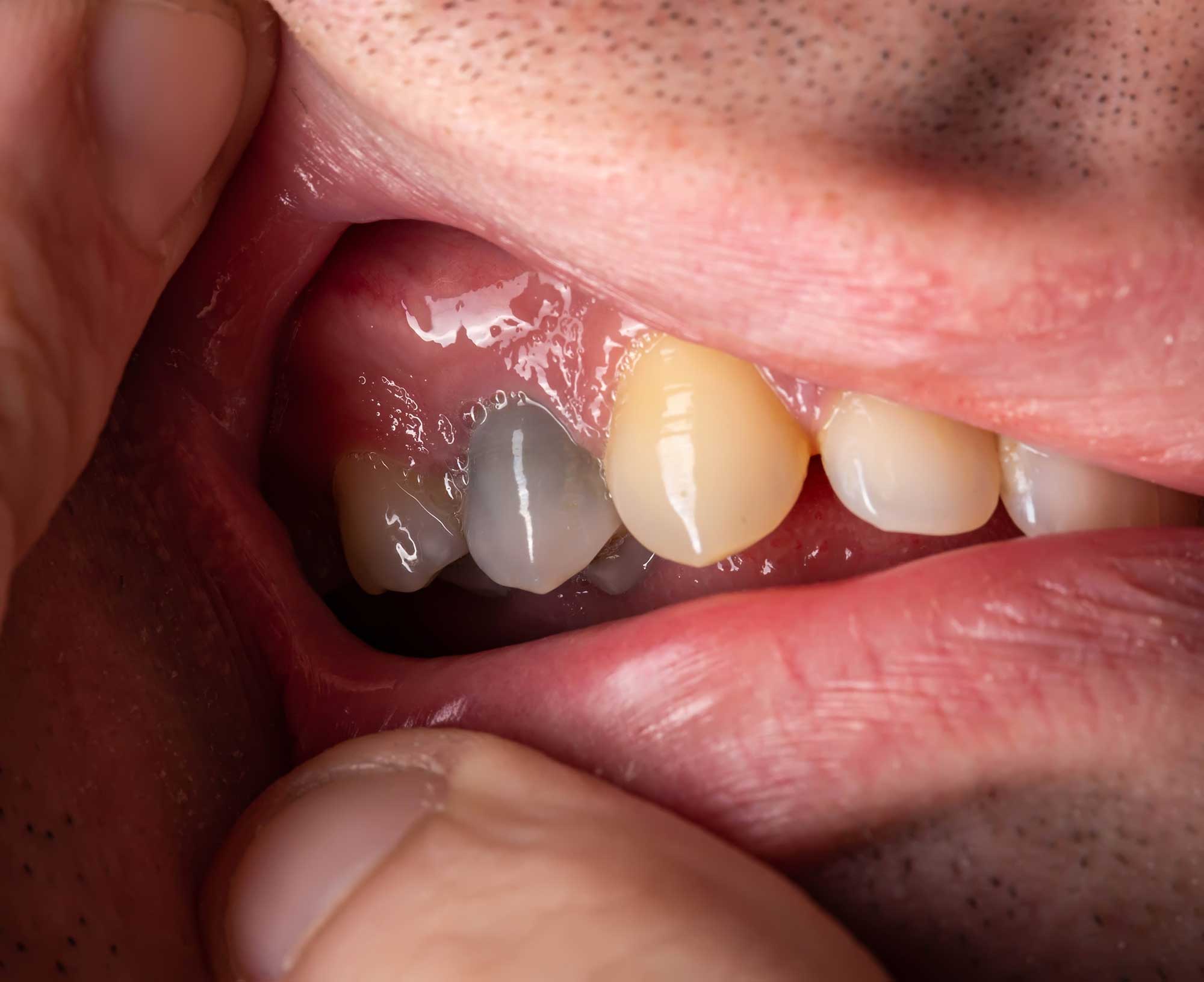
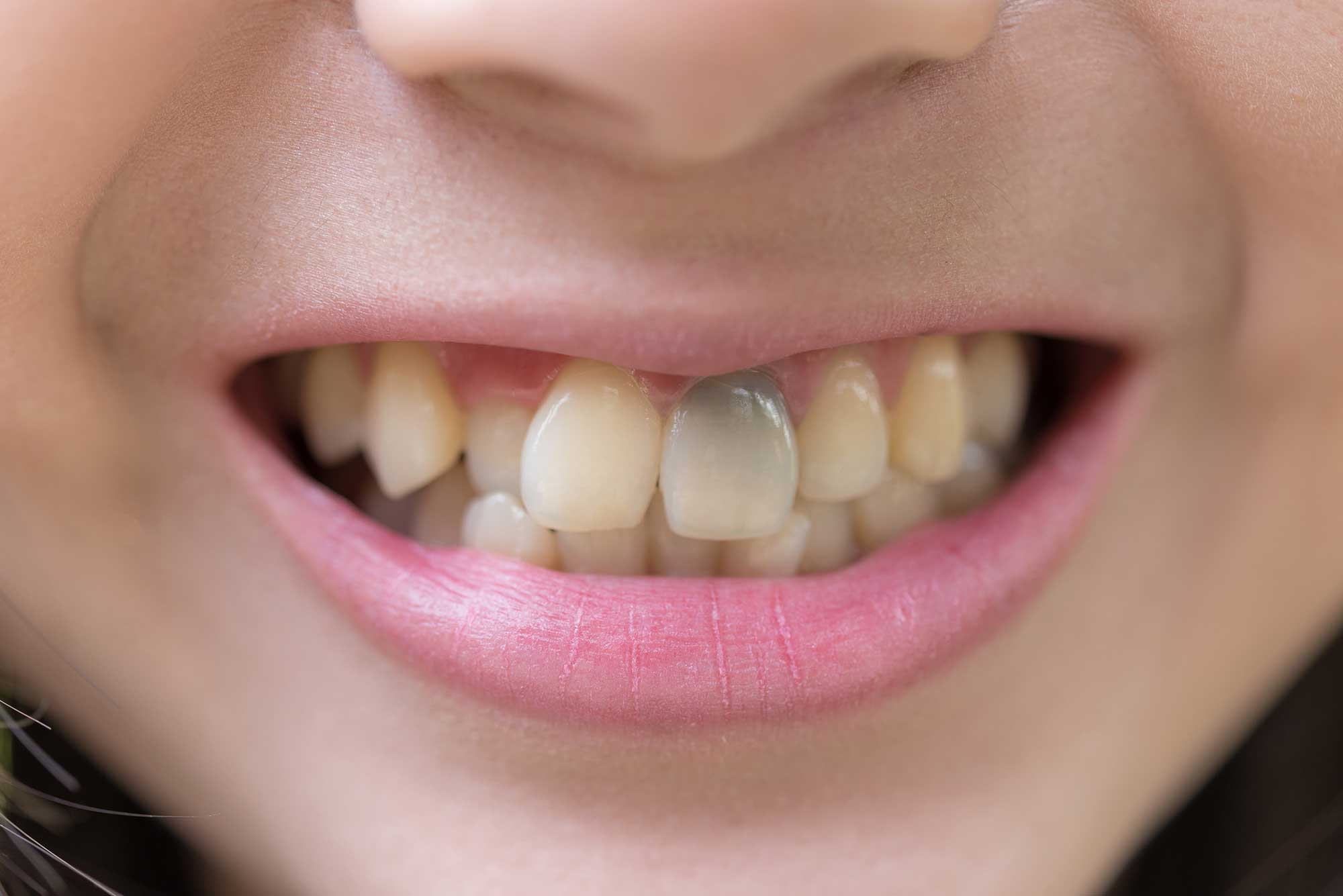
Teeth that are discolored are typically dead teeth and they will look different from your normal pearly whites. The tooth color may change as the tooth decays and dies and with the longer it remains in your mouth. If you notice any signs of discoloration on your teeth be sure to go to your dentist.
- Yellow, grey or black teeth may be a sign of decaying or dead teeth.
Dead Tooth Smell
When teeth begin to decay or if you have an infection, they can have a bad smell. If you notice a persistent bad smell from a specific tooth or have a bad taste in your mouth, get into your dental office, as this can be a sign of the infection associated with a dead or dying tooth.
Dead Tooth Symptoms and Signs
You may be able to spot a dead tooth in your mouth by noticing the following signs and symptoms:
- Bad taste
- Tooth discoloration
- Bad breath
- Teeth odor
- Gum swelling
- Pain around your tooth or toothache. This pain can range from mild to severe, but it can also disappear if the nerve has completely died. A lack of pain doesn't mean the problem is gone.
Maintain Good Oral Hygiene Practices to Avoid Dead Teeth
Keep your teeth clean and cavity-free. Things like tooth decay and tartar happen when plaque forms on teeth as a sticky film. Plaque contains bacteria that feed on sugar from food and drinks. As these bacteria metabolize sugar, they release acids that can erode tooth enamel. This can lead to cavities and other problems. But help is just a toothbrush away. Here are a few suggestions to help establish a regular, effective routine.
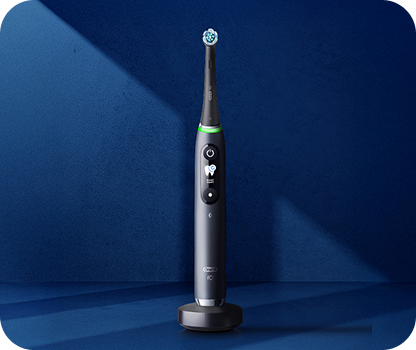
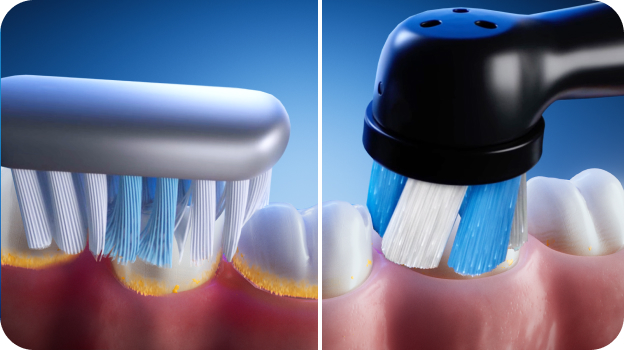
- Try switching to an electric toothbrush, such as the Oral-B iO electric toothbrush. Clinical studies show that oscillating-rotating toothbrushes are more effective at removing plaque and reducing gingivitis than manual toothbrushes.
- The right toothbrush head, such as the Oral-B iO Ultimate Clean Brush Head, removes plaque and has different bristle lengths that reach deep into the spaces between your teeth, where plaque bacteria love to hide
- Combine with a toothpaste like Crest Pro-Health, which contains stannous fluoride, or Crest Cavity Protection, which uses sodium fluoride. Both ingredients are proven to effectively fight cavities.
- Another way to ensure your teeth stay cavity-free is to swish with a rinse like Crest Pro-Health Multi-Protection Mouthwash , which helps kill bad breath germs and prevent cavities.
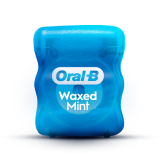
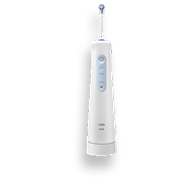
- To help prevent tooth decay and reduce your risk of developing gum disease by removing plaque, floss your teeth at least once daily with Oral-B floss, and make sure you get around every tooth. Another easy add-on to help your oral care and prevent cavities from forming is to use an Oral-B water flosser.
There is a connection between oral health and systemic health, so it’s important to treat conditions like tooth decay and gum disease as soon as possible. That’s why Oral-B, in partnership with Crest, is committed to championing oral health for all, conducting research and creating products to help with a wide range of oral health conditions. Oral-B products are scientifically proven to protect teeth and gums from the leading causes of tooth decay, gum disease, and tooth loss.
FAQs
-
How long does a dead tooth stay in your mouth?
-
How do you fix a dead tooth?
-
How long until a dead tooth falls out?
-
Is it ok to leave a dead tooth?
-
Why is my tooth grey but doesn’t hurt?
-
How does a dentist test for a dead tooth?
-
What if you have a dead wisdom tooth?
Sources
- https://www.medicalnewstoday.com/articles/319062#what-is-a-dead-tooth
- https://www.healthline.com/health/dental-and-oral-health/dead-tooth#signs
Adam, R., et al. (2020). Evaluation of an oscillating-rotating toothbrush with micro-vibrations versus a sonic toothbrush for the reduction of plaque and gingivitis: results from a randomized controlled trial. International Dental Journal, 70 Suppl 1(Suppl 1), S16–S21.https://doi.org/10.1111/idj.12569
Biesbrock, A., et al. (2006). Assessment of treatment responses to dental flossing in twins. Journal of periodontology, 77(8), 1386–1391.https://doi.org/10.1902/jop.2006.050399
Chen, C. K., et al. (2017). Association between chronic periodontitis and the risk of Alzheimer’s disease: A retrospective, population-based, matched-cohort study. Alzheimer’s Research & Therapy, 9, 56.https://doi.org/10.1186/s13195-017-0282-6
Grender, J., et al. (2020). An 8-week randomized controlled trial comparing the effect of a novel oscillating-rotating toothbrush versus a manual toothbrush on plaque and gingivitis. International Dental Journal, 70, S7–S15.https://doi.org/10.1111/idj.12571
Grossi, S. G., et al. (1998). Periodontal disease and diabetes mellitus: A two-way relationship. Annals of Periodontology, 3, 51-61.https://doi.org/10.1902/annals.1998.3.1.51
Table of Contents
- Dead Tooth
- What is a Dead Tooth?
- Causes of a Dead Tooth
- What Does a Dead Tooth Look Like
- Dead Tooth Smell
- Dead Tooth Symptoms and Signs
- Maintain Good Oral Hygiene Practices to Avoid Dead Teeth
-
- FAQs
- Sources

This blog has been reviewed and approved by Dr Robert Lee, a dental professional of 35 years
LEARN MORE >
Sign Up
for oral care tips, expert advise, and exclusive offers.
Sign Up
for oral care tips, expert advise, and exclusive offers.