
















Restorative Dentistry: What It Is, Types, and Procedures
Summary
Key Takeaways
- Restorative dentistry includes fillings, caps (crowns), dental implants, dentures, and root canals.
- Cosmetic dentistry emphasizes appearance.
- Restorative dentistry includes fillings, veneers, caps, crowns, dental implants, dentures, even root canals.
- Helps restore functionality, prevents further damage, and enhances both your look and oral health.
Table of Contents

This blog has been reviewed and approved by Dr Robert Lee, a dental professional of 35 years
LEARN MORE >

Key Takeaways
What Is Restorative Dentistry?
Restorative Dentistry covers a wide range of procedures designed to restore or replace damaged, decayed, or missing teeth. It is used to improve the function and health of your teeth, which also often enhances their appearance. It emphasizes functionality to make sure your teeth work properly for eating, talking, and smiling without discomfort.
Restorative dentistry is different from cosmetic dentistry. Cosmetic dentistry focuses primarily on aesthetics – how your teeth and smile look. On the other hand, restorative dentistry focuses on function – making sure your teeth work properly.
Common Types of Restorative Dentistry Procedures
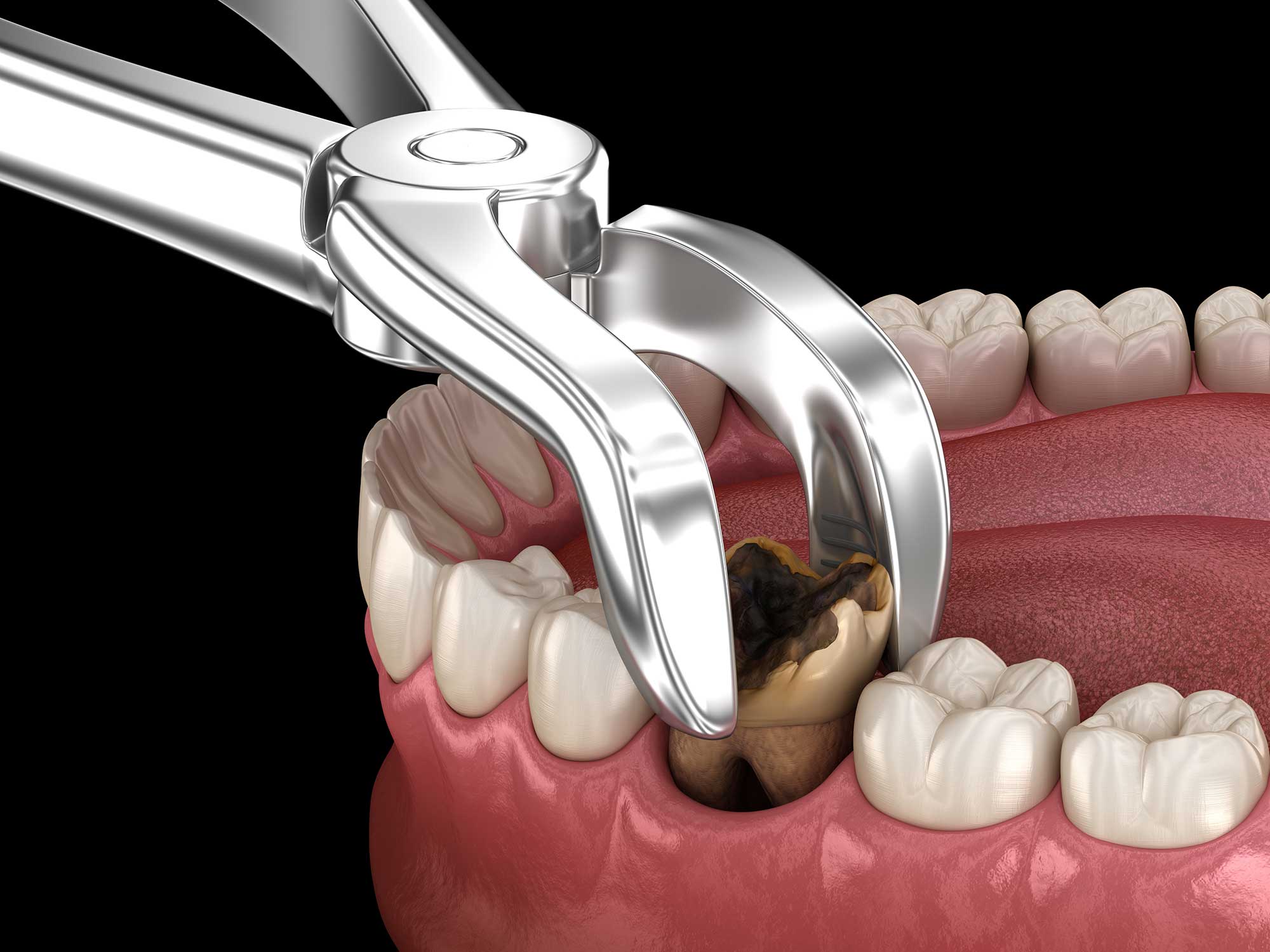
There are several types of restorative procedures, covering a range of needs and conditions.
Dental Fillings
- Primary solution for cavities which restores the tooth’s function and prevents further decay
- Dentist removes the decayed part of the tooth and fills the space with a material such as composite resin, amalgam, or porcelain
Crowns or Caps
- Custom made caps that cover a damaged or weakened tooth
- Restores the tooth’s shape, strength, and appearance
- Often used after a root canal or when a tooth has a large filling and needs additional support
Bridges
- Prosthetic devices used to replace missing teeth
- Consist of artificial teeth anchored to adjacent natural teeth or implants
- Restore the look of your smile while helping maintain proper dental alignment
Dental Implants
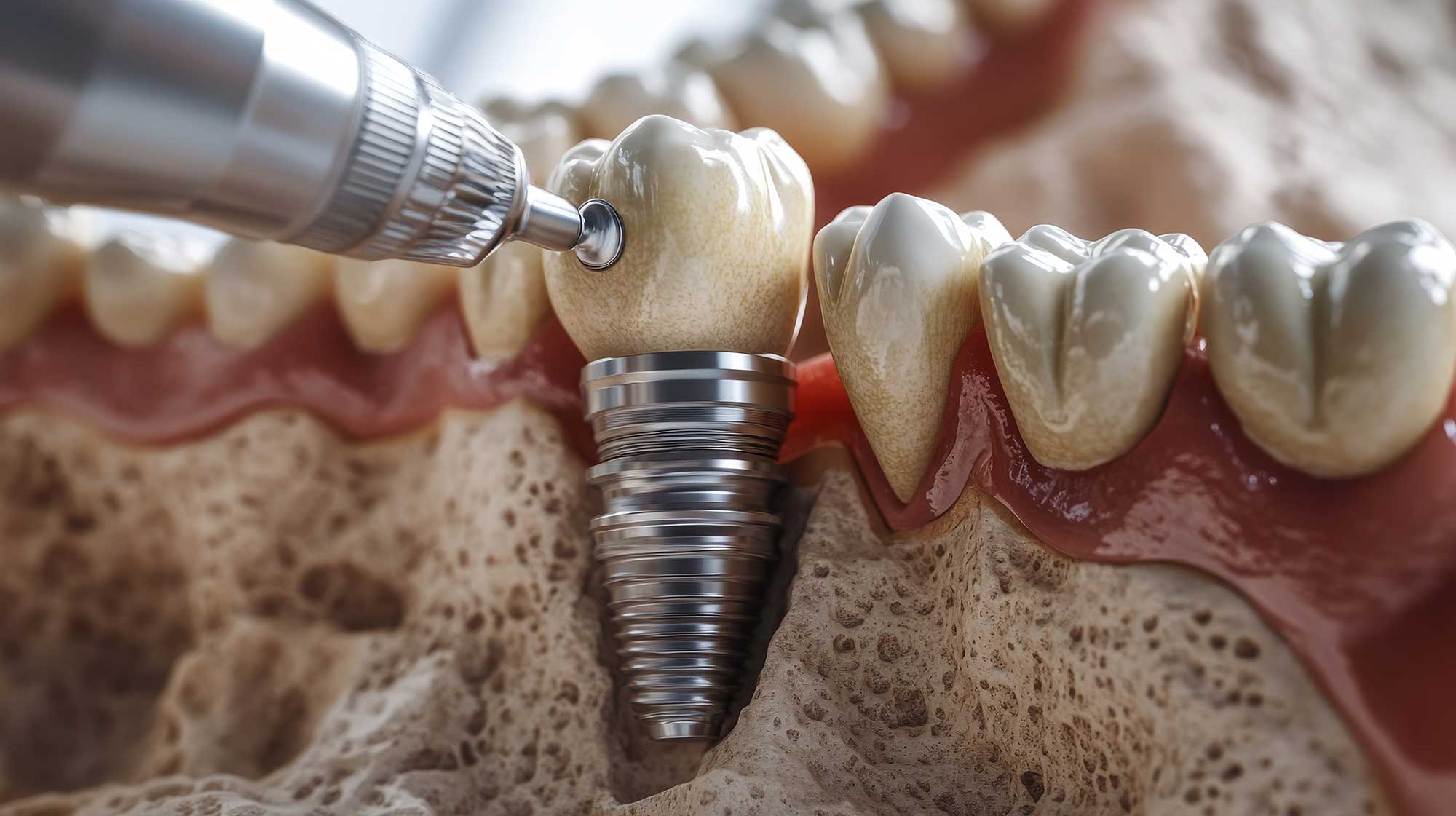
- Titanium screws surgically placed in the jawbone to serve as artificial tooth roots
- Provide a stable foundation (anchor) for crowns, bridges, or dentures
- Durable and long-lasting solution to replace missing teeth
Dentures
- Removable appliances designed to replace multiple missing teeth
- Full dentures replace an entire arch of teeth
- Partial dentures fill gaps between existing natural teeth
- Advances in technology have made dentures more comfortable and natural looking
Root Canal Therapy
- Performed to save a tooth that has a severely infected or damaged pulp (nerves and blood vessels)
- Diseased pulp is removed and the root canal is cleaned and sealed to prevent further infection
- Most people also need a crown to provide additional strength and support
Dental Bonding
- The application of a tooth-colored resin to repair minor chips, cracks, or gaps in teeth, restoring both the tooth's structure and function
- Non-invasive and cost effective
- Improves the tooth’s appearance and functionality
Inlays and Onlays
- Custom-made restorations used to repair cavities that are too large for a filling but not extensive enough for a crown
- Inlays and onlays are often made from porcelain or composite materials and are bonded to the tooth
- Inlays fit within the tooth while onlays cover one or more cusps
Veneers
- Primarily a cosmetic procedure, veneers can have restorative benefits
- They are thin shells of porcelain or composite resin that cover the front surface of teeth to improve appearance by masking issues like discoloration or by repairing minor chips or gaps
Why Is Restorative Dentistry Important?
When used to address dental issues early, restorative dentistry can save you from more extensive and costly treatments in the future.
- Restores Functionality: Helps you chew, speak, and smile without discomfort
- Prevents Further Damage: Addresses issues like cavities or cracks before they become more serious issues
- Enhances Your Look: Improves the appearance of your smile
- Maintains Oral Health: Prevents misalignment and other complications from missing teeth
Tips for Caring for Restorative Dental Work
Maintaining and taking care of your restorative dental work is essential to keep things looking good.
- Brush and Floss Regularly: This keeps your teeth and restorations clean to prevent plaque and tartar buildup
- Use Antibacterial Mouthwash: Reduces bacteria around restorations
- Avoid Hard or Sticky Foods: These can damage crowns, bridges, or dentures
- Attend Regular Dental Checkups: Allows your dentist to ensure your restorations are in good condition and can address any issues before they become more serious
Summary
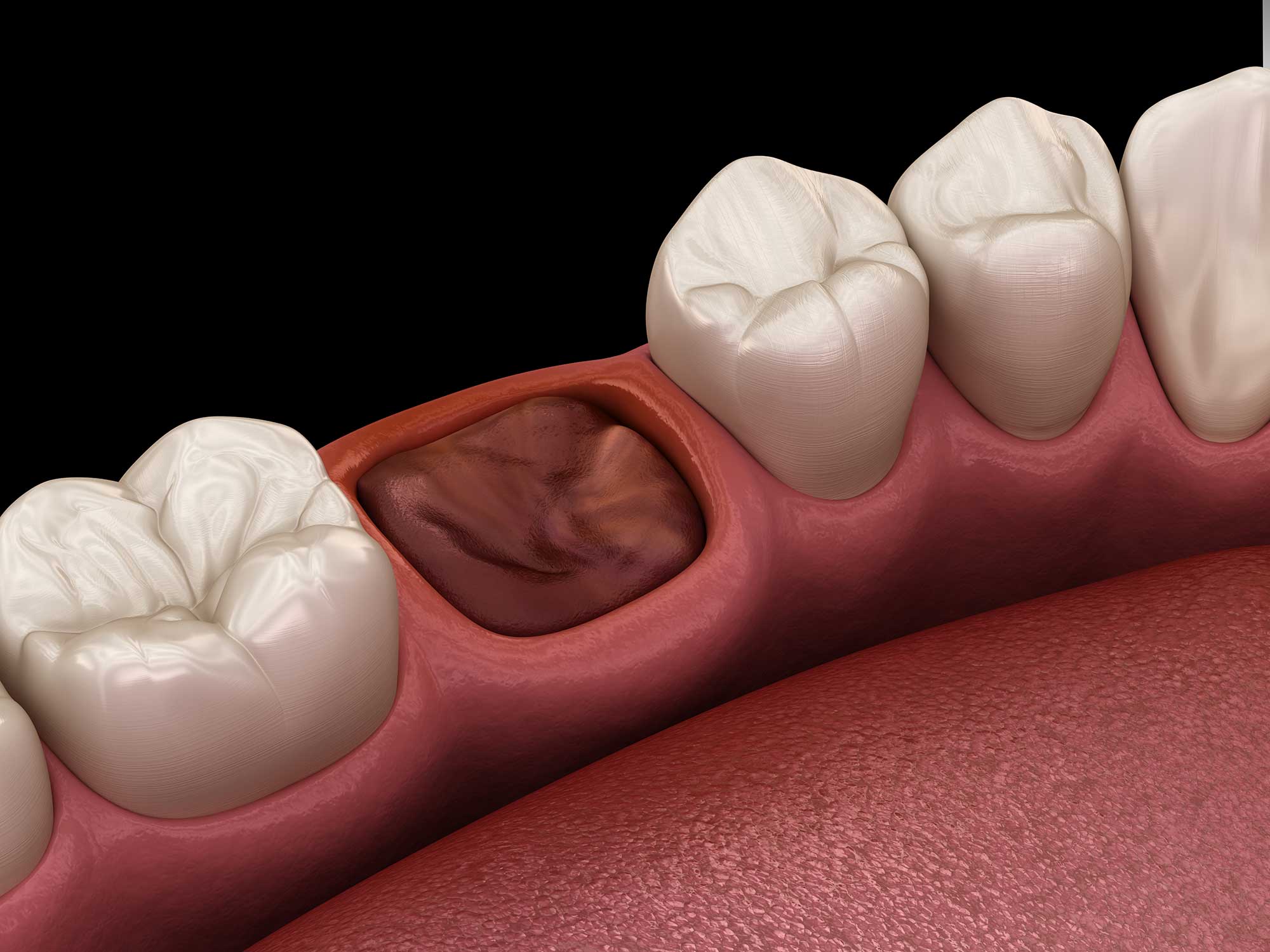
Restorative dentistry is made up of a variety of procedures aimed at repairing or replacing damaged or missing teeth. From fillings and crowns to implants and dentures, these treatments restore both the function and appearance of your teeth. Restorative dentistry not only brings back the function of your teeth, making eating and speaking easier and more comfortable. It also helps enhance your look and lets you live your life with confidence.
By addressing dental issues early, more severe problems can be prevented. Not to mention, it also makes keeping up with your oral health easier. As always, maintaining a good oral health routine with twice daily brushing and flossing will help your restored teeth stay clean and last a long time.
Dental Procedures: Options for a Healthier, More Confident Smile
Modern dentistry can help correct damage, improve appearance, and keep your oral health in check. Get the most out of any dental procedure with a thorough oral care routine from home.
Your personalized daily oral care routine can help preserve any dental work done and maintain a stronger smile going forward:
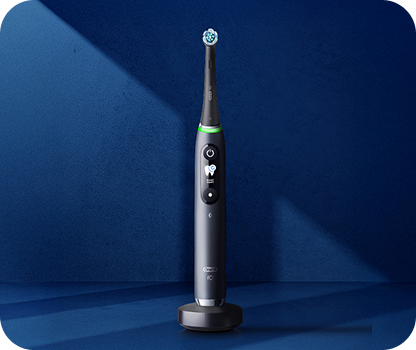
- Brush 2X/day with an Oral-B iO Electric Toothbrush: After removing the decayed material from teeth, fillings and restorations are used to finalize the procedure as a cavity. When compared to a regular manual toothbrush, electric toothbrushes like the Oral-B iO, help remove up to 100% more plaque—the main culprit of tooth decay such as a cavity.
- Use a Crest Fluoride Toothpaste: Brush with a toothpaste formulated with stannous fluoride, such as Crest Pro-Health, to reinforce enamel strength, reduce your risk of tooth decay, and help prevent gingivitis, an early form of gum disease. This promotes a healthier mouth to support any dental work.
- Pair String Floss with an Oral-B Water Flosser: Cleaning around dental work such as bridges, crowns, and implants can help reduce plaque bacteria buildup. A water flosser gently washes away and leftover plaque and food debris for healthier teeth and gums.
- Rinse with a Crest Mouthwash: After dental restorations, it is crucial to follow your dentist's specific aftercare instructions. An antibacterial rinse like Crest Pro-Health Multi-Protection Mouthwash can help reduce plaque bacteria in the mouth to support a clean environment for healing.
- Brighten Up with an Oral-B + Crest Whitening Bundle: It's important to know that restorative materials like veneers, crowns, and bonding will not change color with whitening products. To maintain a bright smile, an at-home whitening routine can help remove surface stains from your natural teeth, keeping them closer in shade to your dental work. A whitening brush head, whitening toothpaste, and a whitening mouthwash can all help you maintain a brighter, more polished smile.
Pair professional dental procedures with a personalized at-home oral care routine of brushing twice daily, flossing at least once a day, and rinsing with an antibacterial mouthwash, you can better support the long-term success if your treatment for a healthier, more confident smile.
FAQs
-
What is the difference between restorative and cosmetic dentistry?
-
What is the difference between restorative dentistry and prosthodontics?
-
Is restorative dentistry expensive?
-
Is restorative dentistry worth it?
Sources
- https://my.clevelandclinic.org/health/treatments/10924-dental-restorations
- https://my.clevelandclinic.org/health/treatments/23914-cosmetic-dentistry
- https://www.mouthhealthy.org/all-topics-a-z/implants
- https://www.mouthhealthy.org/all-topics-a-z/veneers
- https://www.webmd.com/oral-health/cosmetic-dentistry
- https://my.clevelandclinic.org/health/treatments/16914-oral-hygiene
- https://www.dentalhealth.org/pages/category/treatments-and-procedures?take=17&Take=17
- https://www.deltadental.com/us/en/protect-my-smile/procedures.html
- https://www.nhs.uk/live-well/healthy-teeth-and-gums/dental-treatments/
- Klukowska, M., et al. (2025). Clinical effects of stannous fluoride dentifrice on peri-implant mucositis, plaque microbiome, and oxidative stress. American Journal of Dentistry, 38(2), 59–66.
- Lambert T. J. (2022). A Home Care Regimen With Oral-B iO Toothbrush and Targeted Clean Brush Head to Reduce Peri-Implant Mucositis. Compendium of Continuing Education in Dentistry (Jamesburg, N.J. : 1995), 43(3), f5–fE13.
- Stookey, G. K., et al. (2005). A 6-month clinical study assessing the safety and efficacy of two cetylpyridinium chloride mouthrinses. American Journal of Dentistry, 18 Spec No, 24A–28A.
Table of Contents
- What Is Restorative Dentistry?
- Common Types of Restorative Dentistry Procedures
- Why Is Restorative Dentistry Important?
- Tips for Caring for Restorative Dental Work
- Summary
- Dental Procedures: Options for a Healthier, More Confident Smile
-
- FAQs
- Sources

This blog has been reviewed and approved by Dr Robert Lee, a dental professional of 35 years
LEARN MORE >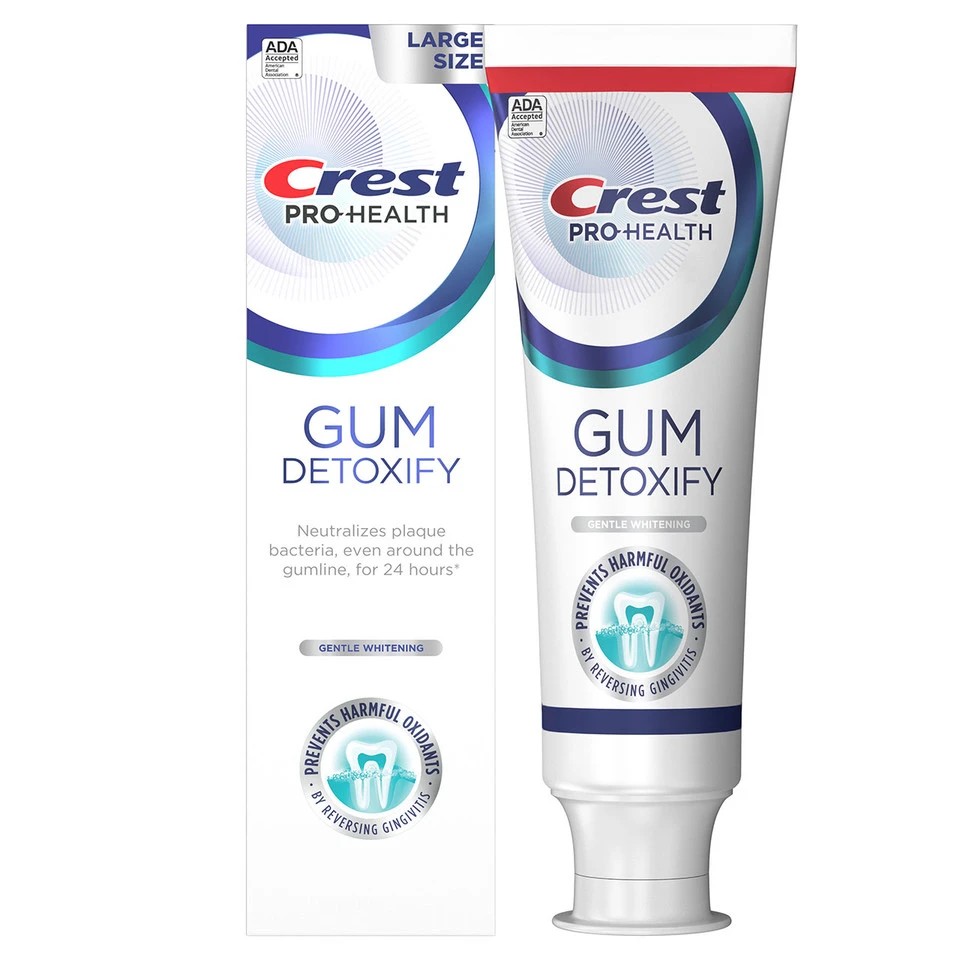

Sign Up
for oral care tips, expert advise, and exclusive offers.
Sign Up
for oral care tips, expert advise, and exclusive offers.
