Summary
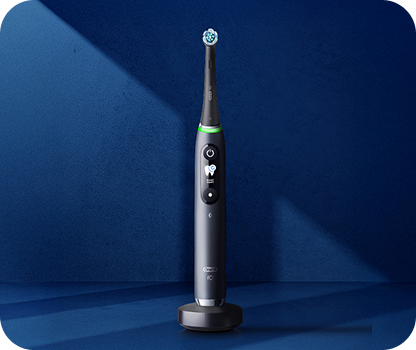
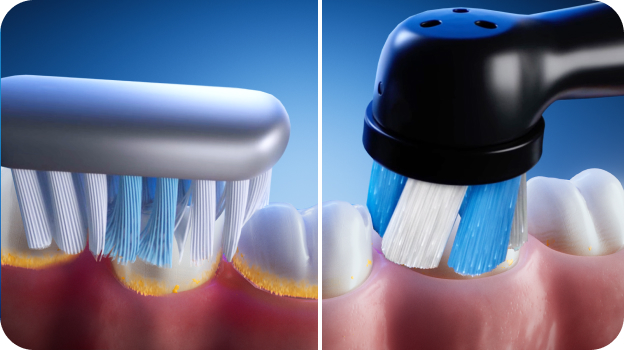
Swollen gums should be seen and diagnosed by a dentist or dental hygienist as it can lead to bigger dental issues such as gum disease. Taking care of your oral hygiene and brushing your teeth with an electric toothbrush can help treat swollen gums. Your dentist or dental hygienist may also recommend a deep dental cleaning to help reverse the swollen gums.
Swollen gums can happen to anyone at any time. If you notice your gums swelling and looking abnormal go visit your dentist or dental hygienist right away. Swollen gums can indicate gingivitis, the earliest and most common form of gum disease. It’s important to look after your gum health and ensure your gums stay healthy, with a pinkish tone. Proper oral care can keep both your teeth and gums healthy! Learn how to treat swollen gums and what oral care tips you can do at home.
Swollen Gums
Swollen gums happen for a variety of reasons. Your dentist or dental hygienist can better determine the causes of swollen gums and why your gums may be swollen. Malnutrition, dietary habits and vitamin deficiencies play a role in your oral and gum health. Be sure to brush your teeth and gums gently and monitor your gum health to ensure they stay pink with your pearly whites.
Swollen Gums Treatments
After a dental professional properly diagnoses swollen gums, different treatments will be recommended depending on your oral situation. If your gum disease progresses to a more advanced stage called periodontitis, your dentist or dental hygienist may refer you to a periodontist, a specialist in treating gum disease. Sometimes swollen gums can be treated with a professional procedure known as a deep cleaning (also called scaling and root planning) and regular routine dental hygiene maintenance. Sometimes one area around a tooth may become swollen and infected and may require surgical treatment.
Treating swollen gums varies on a case-by-case basis. Often, you can prevent swollen gums by being diligent with your oral care.