Gum Cyst: Causes, Symptoms, and Treatments

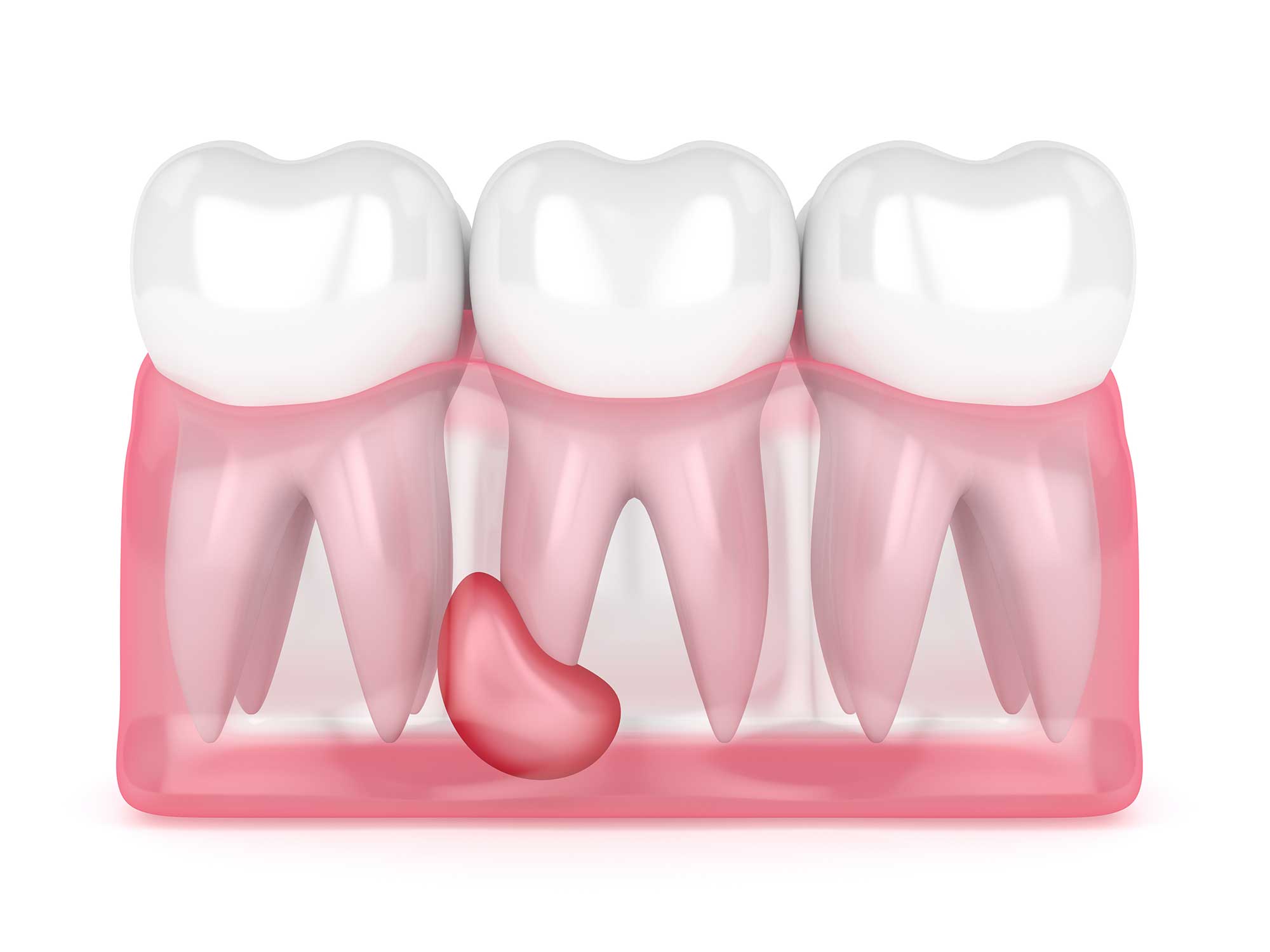
Illustration of side of tooth with a cyst at the bottom of the root
Last Updated : December 4, 2025

SUMMARY

Gum cysts are common, usually harmless, fluid-filled sacs that can form on the soft tissues inside your mouth. They are often caused by minor trauma or blockage of the salivary glands. Most cysts resolve on their own, but if a cyst is large, persistent, or causing discomfort, treatment options are available. Consult with a dentist if you have concerns or if the cyst interferes with your daily activities. Treatments such as cryotherapy, laser therapy, or surgical removal may be considered.

Key Takeaways

  • Gum cysts are typically benign and can form due to minor trauma or blockage of salivary glands.
  • There are different types of oral cysts such as oral mucoceles and ranulas. However, only gingival cysts are considered to be gum cysts.
  • Gum cysts are often the result of minor trauma or blockage of the salivary glands.
  • Symptoms can include a soft, dome-shaped bump in the mouth and occasional pain or discomfort.
  • Consult a dentist if the cyst is causing discomfort or if you have difficulty speaking, chewing, or swallowing.
  • Most cysts resolve on their own without treatment.

Table of Contents

drlee-image

This blog has been reviewed and approved by Dr Robert Lee, a dental professional of 35 years

LEARN MORE >

Key Takeaways

  • Gum cysts are typically benign and can form due to minor trauma or blockage of salivary glands.
  • There are different types of oral cysts such as oral mucoceles and ranulas. However, only gingival cysts are considered to be gum cysts.
  • Gum cysts are often the result of minor trauma or blockage of the salivary glands.
  • Symptoms can include a soft, dome-shaped bump in the mouth and occasional pain or discomfort.
  • Consult a dentist if the cyst is causing discomfort or if you have difficulty speaking, chewing, or swallowing.
  • Most cysts resolve on their own without treatment.

What Is a Gum Cyst?

A gum cyst is a fluid-filled sac that develops on the soft tissues inside your mouth. These cysts can form on the gums, lips, inner cheeks, tongue, or the floor of the mouth. Most are benign and painless, though some can cause irritation or interfere with eating and speaking. Early signs and symptoms of a gum cyst include a painless lump on the gums or pain or tenderness in the area.

Types of Gum Cysts

Oral Mucocele

  • Also called a mucous cyst, this is one of the most common types of cysts found in the mouth.
  • Typically appears on the inner surface of the lower lip but can also occur on the inner cheeks, tongue, or gums.
  • Oral mucoceles are usually caused by minor trauma, such as biting your lip or cheek, which blocks a salivary gland duct and leads to a cystic buildup of saliva.

Ranula

  • A ranula is a type of mucocele that forms on the floor of the mouth, under the tongue, not the gum tissue itself.
  • It can appear as a bluish, dome-shaped swelling and may interfere with swallowing or speaking if it grows large.

Gingival Cyst

  • Gingival cysts are rare and typically occur in newborns.
  • They appear as small, white or yellowish bumps on the gums.
  • Often resolve on their own within a few weeks.

Causes of Gum Cysts

Gum cysts are often the result of minor trauma or blockage of the salivary glands. Common causes include:

  • Accidentally biting the lip, cheek, or tongue.
  • Chronic lip or cheek sucking habits.
  • Piercings.
  • Smoking or using tobacco products.
  • Injury from dental procedures or intubation.
  • In newborns, cysts can develop from the dental lamina during tooth development.

Symptoms to Watch For

Most gum cysts are painless and may go unnoticed unless they interfere with daily activities. Noticeable symptoms can include:

  • A soft, dome-shaped bump in the mouth.
  • Clear, bluish, or pink color.
  • Size ranging from a few millimeters to over a centimeter.
  • Occasional pain or discomfort, especially if the cyst presses against teeth or other oral structures.
  • Difficulty speaking, chewing, or swallowing if the cyst is large.

Treatment Options

Dentist probing a patient’s teeth

In many cases, gum cysts resolve on their own without medical intervention. However, if a cyst is large, persistent, or causing discomfort, treatment may be necessary. Options include:

Observation

  • For smaller cysts that are not causing problems, your dentist may recommend simply monitoring the cyst over time.
  • Many mucoceles rupture and heal on their own.

Cryotherapy

  • Involves freezing the cyst to destroy the tissue.
  • A less invasive option that can be effective for smaller cysts.

Laser Therapy

  • A laser is used to remove the cyst tissue.
  • This method can be precise and may result in less bleeding and faster healing.

Surgical Removal

  • For larger or recurrent cysts, surgical excision may be necessary.
  • In some cases, removing the affected salivary gland may be recommended to prevent recurrence.

Steroid Injections

  • In certain situations, a dentist may inject a corticosteroid into the cyst to reduce inflammation and promote healing.

When to See a Doctor

While most gum cysts are harmless, consult a dentist if:

  • The cyst is large or causing significant pain or discomfort.
  • You have difficulty speaking, chewing, or swallowing.
  • The cyst does not resolve on its own after several weeks.
  • You notice changes in the appearance or feel of the cyst.

A dentist can perform an examination and, if necessary, imaging tests to determine the best course of treatment.

Preventing Gum Cysts

While not all gum cysts can be prevented, certain habits can reduce the risk:

  • Avoid biting your lips, cheeks, or tongue.
  • Quit smoking or using tobacco product.
  • Use a mouthguard during contact sports.
  • Maintain good oral hygiene to prevent injury and infection.

Summary

Gum cysts are common, usually harmless, fluid-filled sacs that can form on the soft tissues inside your mouth. They are often caused by minor trauma or blockage of the salivary glands. Signs and symptoms include issues such as a soft, dome-shaped bump in the mouth, occasional pain or discomfort, and even difficulty speaking, chewing, or swallowing if the cyst is large.

Most cysts resolve on their own, but if a cyst is large, persistent, or causing discomfort, treatment may be necessary. A dentist can perform an examination and, if necessary, imaging tests to determine the best course of treatment. Treatments such as cryotherapy, laser therapy, or surgical removal may be considered.

There are also things you can do to reduce the risk of gum cysts. These include maintaining good oral hygiene, avoiding biting your lips, cheeks, or tongue and not using tobacco products.

Good Oral Hygiene Starts with Oral-B

Healthy gums are crucial to tooth and mouth health. In the event of gum disease (also known as gingivitis), the first line of defense is to see a dental professional. They can do a proper examination, determine the level of periodontal disease, and recommend treatments. But there are things you can do to help.

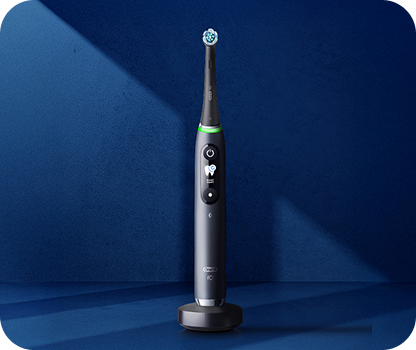
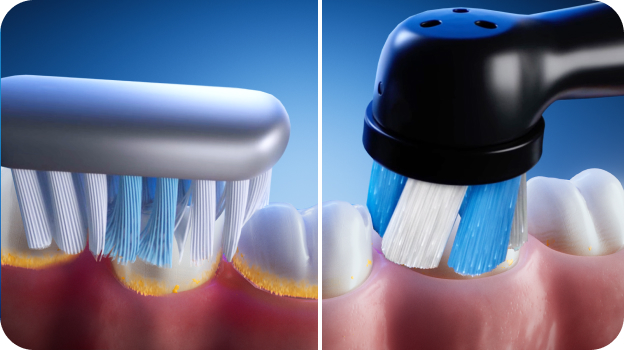
  • When you brush with Oral-B iO electric toothbrushes, you can protect your gums and help prevent further gum recession.
  • The right brush head also makes a big difference in effective cleaning without gum irritation. So pair your toothbrush with the right toothbrush head, such as the Oral-B iO Ultimate Clean brush head, that removes plaque and has different bristle lengths that reach deep into the spaces between your teeth, where plaque bacteria love to hide.
  • Crest Toothpaste contains stannous fluoride which fights the plaque bacteria that cause gum disease. Pair that with an Oral-B iO electric toothbrush to help stop bleeding and reverse signs of early gum disease.
  • Mouthwash can be an important part of your daily oral health routine. An effective mouth rinse, like Crest Gum Care Mouthwash is clinically proven to reduce the early signs of gum disease, including bleeding gums, reduce gum inflammation, and kills plaque and bad breath germs.
  • Dental floss, used daily, helps prevent gingivitis as part of a complete dental plan. Look for a floss that can fit more easily into tight spaces, such as Glide Floss.

There is a connection between oral health and systemic health. Oral-B has created a line of products to help a variety of oral health conditions. Because, as a champion of good oral health for all, we know it has other positive health benefits. Research has associated oral health issues with whole body diseases, such as dementia, diabetes, and cardiovascular disease. That’s why, beyond helping with issues such as tooth decay, gum disease, and tooth loss, our products can help prevent and reduce plaque bacteria before they spread to other parts of the body.

FAQs

  • What happens if you pop a gum cyst?
  • How long does it take for a gum cyst to go away?
  • What does a gum cyst look like?

Sources

Chen, C. K., et al. (2017). Association between chronic periodontitis and the risk of Alzheimer’s disease: A retrospective, population-based, matched-cohort study. Alzheimer’s Research & Therapy, 9, 56.https://doi.org/10.1186/s13195-017-0282-6.

Grossi, S. G., et al. (1998). Periodontal disease and diabetes mellitus: A two-way relationship. Annals of Periodontology, 3, 51-61.https://doi.org/10.1902/annals.1998.3.1.51.

Janket, S. J., et al. (2003). Meta-analysis of periodontal disease and risk for coronary heart disease and stroke. Oral Surgery, Oral Medicine, Oral Pathology, Oral Radiology, and Endodontology, 95, 559-569.https://doi.org/10.1067/moe.2003.107.

Natarajan, P., et al. (2025) Investigating the link between oral health conditions and systemic diseases: A cross-sectional analysis. Scientific Reports. 15; 10476.https://doi.org/10.1038/s41598-025-92523-6.

Ramji, N., et al. (2024). Effects of stannous fluoride dentifrice on gingival health and oxidative stress markers: a prospective clinical trial. BMC oral health, 24(1), 1019.https://doi.org/10.1186/s12903-024-04785-7.

Sutor, S., et al. (2025). Effect of a powered and a manual toothbrush in subjects susceptible to gingival recession: A 36-month randomized controlled clinical study. International Journal of Dental Hygiene, 23(1), 26–36.https://doi.org/10.1111/idh.12834.

Table of Contents

  • What Is a Gum Cyst
  • Types of Gum Cysts
  • Causes of Gum Cysts
  • Symptoms to Watch For
  • Treatment Options
  • When to See a Doctor
  • Preventing Gum Cysts
  • Summary
  • Good Oral Hygiene Starts with Oral-B

  • FAQs
  • Sources
drlee-image

This blog has been reviewed and approved by Dr Robert Lee, a dental professional of 35 years

LEARN MORE >

Related Products

1421