Dr Robert Lee is a dentist with more than thirty years of experience in the industry.
Graduating from the University of Sydney with a Bachelor of Dental Surgery and from the
University of New South Wales with a Master of Business Administration, Robert’s career
has taken him all over the world — from Australia to Germany to his current position in
Chicago, where he is the founder of Denticus Inc, offering strategic dental consulting.
Robert has previously worked for Procter & Gamble as the Director of Professional Scientific
Relations in both the Cincinnati and Sydney offices, being responsible for external relations
and scientific exchange with leading professional associations and industry thought leaders.
Robert has been assisting the team at Oral‑B by fact‑checking and reviewing our blogs on dental health.
Contents
Periodontal Maintenance: What, Who, Why & How Much
What to Expect During Your Appointment
What It Can Do For You
The Evolution of Periodontal Maintenance
Home Care is an Important Part of the Treatment
Oral-B Knows That Healthy Gums Are The Foundation Of A Healthy Mouth
Summary
FAQs
References
Quick hit key takeaways
1
Periodontal maintenance is a type of in-depth dental cleaning designed for individuals who have been treated for gum disease to prevent its recurrence or progression.
2
It has numerous oral health benefits, including preventing gum disease progression, removing plaque and tartar buildup to control bacterial growth, and preventing related health issues.
3
An appointment starts with a thorough examination. Your dentist will examine your gums, teeth, and oral tissues. The next step is a deep cleaning where plaque and tartar buildup will be removed above and below the gum line.
4
The benefits of periodontal maintenance are numerous and range from fresher breath, improved gum health, and better overall health and well-being.
5
The current approach to periodontal maintenance came into its own in the 1970s, emphasizing effectiveness, patient education, and long-term management with minimal discomfort.
6
Home care is an important part of the treatment. Good oral hygiene practices, such as regular brushing and flossing, are essential for maintaining healthy gums and gaining the most from the procedure.
Summary
Periodontal maintenance is a prescribed cleaning procedure for people with a history of periodontitis (gum disease) who have already completed the initial active phase of treatment, such as scaling and root planing. It goes beyond preventative care and is a prescribed treatment by a dentist that is more in-depth than a routine cleaning. It uses deep cleaning to remove plaque and tartar buildup below the gum line and is typically recommended every 3-4 months to prevent gum disease progression.
Periodontal Maintenance: What, Who, Why & How Much
What is Periodontal Maintenance?
Periodontal maintenance is a type of in-depth dental cleaning that goes beyond a routine cleaning. The cleaning you’re used to getting from your dentist every six months is called Prophylaxis, and it’s a routine, preventive cleaning for healthy mouths. Periodontal maintenance is designed for individuals suffering from gum disease, and it’s a deeper, therapeutic cleaning to manage and prevent its progression after an initial treatment has already begun.
Who can it help?
People who have been previously diagnosed with gum disease and have undergone periodontal therapy, such as scaling and root planing, are candidates for periodontal maintenance. In fact, periodontal maintenance is crucial for them to keep the work they’ve already had done from being undone.
Why is it important?
Prevents disease progression: Periodontal maintenance helps prevent gum disease from worsening and causing further damage to gums and bone supporting the teeth.
Controls bacterial growth: It removes plaque and tartar buildup, which are the primary culprits behind gum disease.
Monitors gum health: Regular maintenance visits allow dental professionals to monitor the health of your gums and identify any signs of recurrence or new issues.
Prevents related health issues: Gum disease is often linked to other systemic health problems. Periodontal maintenance can manage it and help prevent these complications.
How much does it cost?
The good news is many dental plans cover the cost of periodontal maintenance. But it can vary by policy, so it’s important to check the specifics of your policy to find out. If you’re paying out of pocket, periodontal maintenance typically costs between $150 and $300 per visit. This can also vary based on the severity of gum disease and the specific treatments needed. It can also vary by geographic location.
What to Expect During Your Appointment
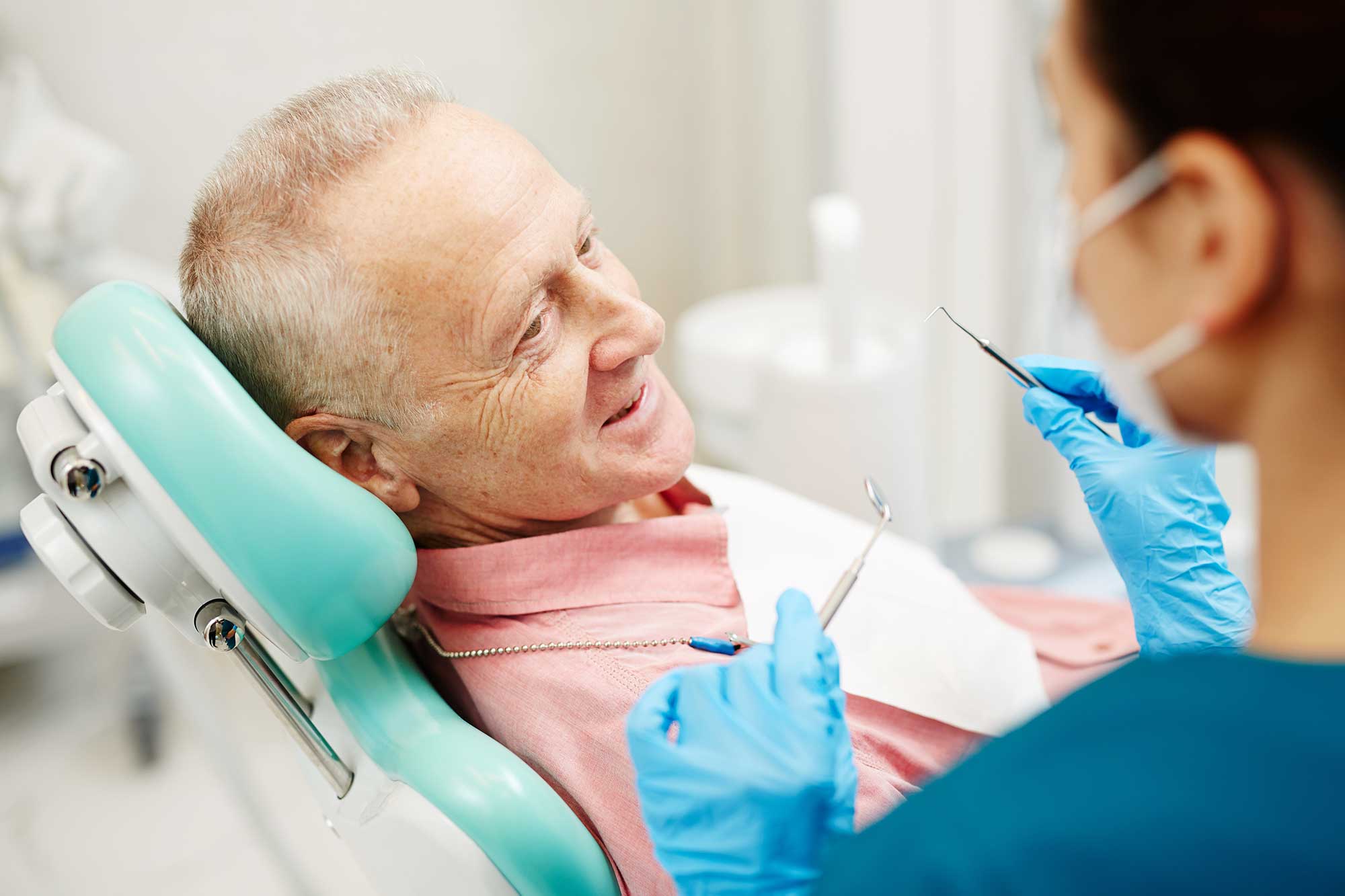
It starts with a thorough examination. Your dentist will examine your gums, teeth, and oral tissues, measuring the depth of gum pockets and assessing the severity of gum disease. Additionally, X-rays may be taken to check the amount of bone supporting your teeth.
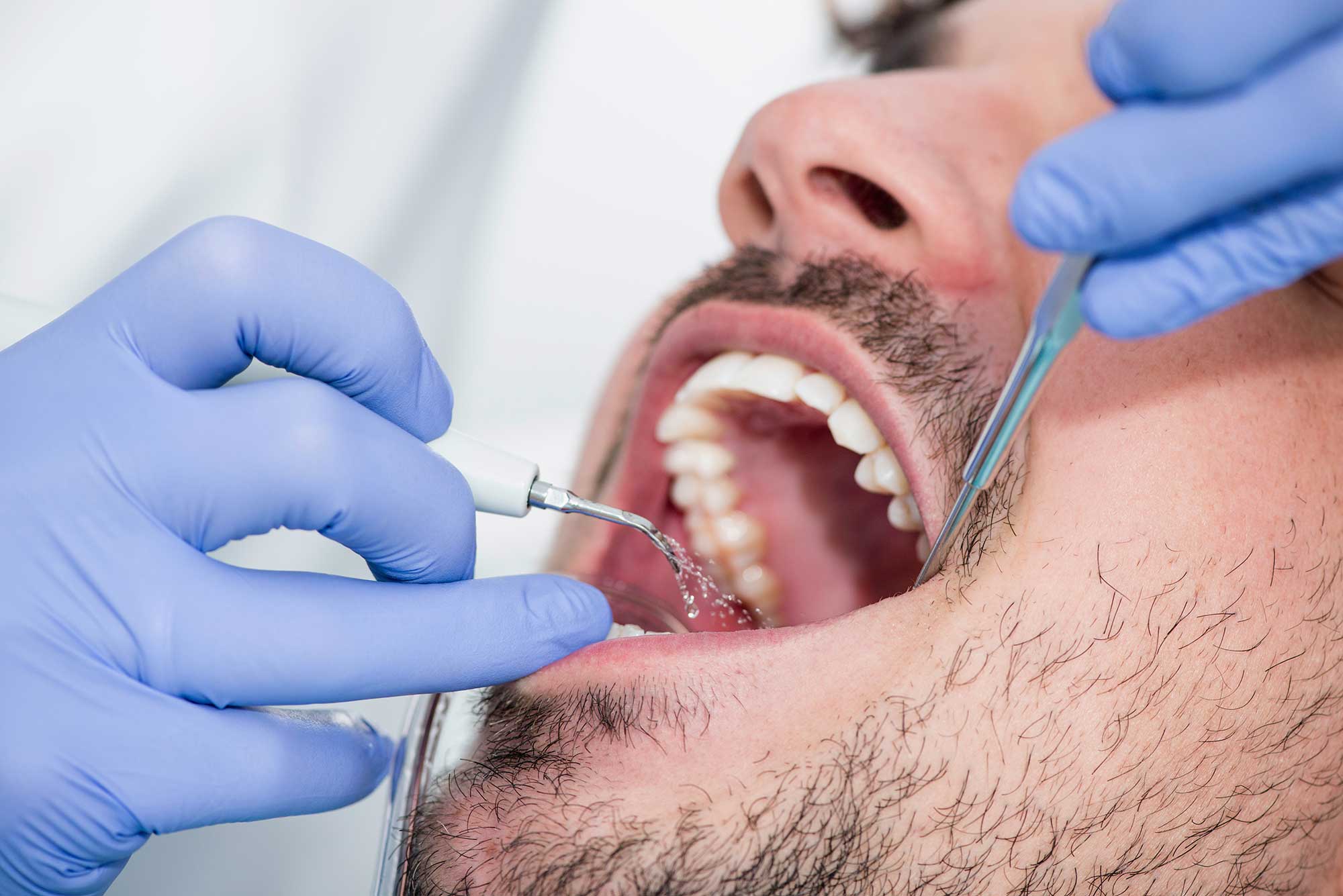
The next step is a thorough cleaning of the gum pockets. Plaque and tartar buildup will be removed from above and below the gum line. This procedure is distinct from the initial, more intensive "deep cleaning" (scaling and root planing) used to first treat the disease. During a maintenance visit, your hygienist may perform localized scaling and root planing on any specific areas that show signs of returning disease activity, but it is not typically a full-mouth procedure at every visit. Your hygienist may use an antiseptic irrigation to irrigate the gum pockets with antiseptic medications to reduce inflammation or infection.
Additional periodontal maintenance appointments will typically be scheduled every 3-4 months, depending on the severity of your gum disease and your individual needs.
What It Can Do For You
The benefits of periodontal maintenance are numerous and range from cosmetic appearance to health improvements.
Fresher breath: Removing plaque and tartar can help freshen your breath.
Improved gum health: Regular maintenance can help reduce gum inflammation and prevent further damage to gums and bone.
Better overall health: Maintaining gum health can have positive impacts on your overall health and well-being.
The Evolution of Periodontal Maintenance
Versions of periodontal maintenance have existed since the middle of the 20th century. In its early days, it focused on removing plaque and calculus from tooth surfaces, and in more advanced cases, surgical removal of soft and hard tissues. There was much less emphasis on patient education and long-term home care.
Periodontal maintenance as we know it today really came into its own in the 1970s as studies demonstrated that plaque accumulation was a key factor in the development and progression of periodontal disease. That helped refine the treatment plans, and also led to a greater emphasis on helping patients understand how to both prevent and help abate the gum disease that was the root cause.
The schedule also evolved as research showed that patients receiving more frequent periodontal maintenance visits experienced better outcomes compared to those with less frequent care. That’s why your dentist might prescribe visits at three to four-month intervals, though the frequency can be adjusted based on the stability of your condition.
Surprisingly, there is very little pain involved in periodontal maintenance. Dentists and hygienists go out of their way to minimize any discomfort. So, while having it done is no one’s preference, it’s good to know that this state-of-the-art treatment is widely available and effective.
Home Care is an Important Part of the Treatment
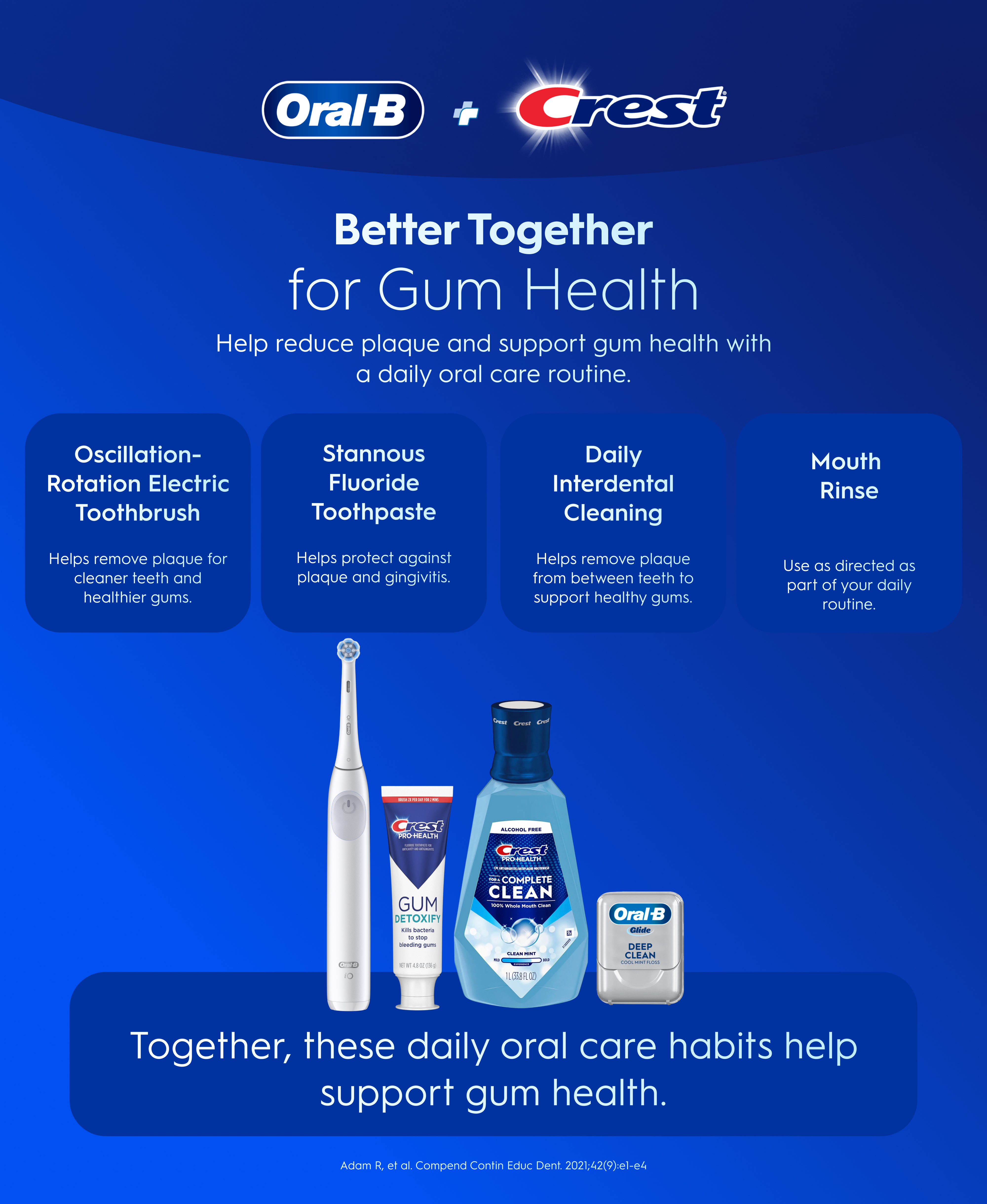
For advanced gum disease, professional maintenance is what’s called for. But you have a role, too. Good oral hygiene practices, such as regular brushing and flossing, are essential for maintaining healthy gums. Taking care of your end of things will help make the periodontal maintenance as effective as it can be. That’s why we encourage you to brush regularly and use the best brush you can, such as an Oral-B electric toothbrush. It provides more plaque removal than a regular manual toothbrush, which will help with your treatment plan.
Outside the bathroom, there are other changes you can make. Lifestyle factors such as quitting smoking and eating a balanced diet can also contribute to better oral health.
Oral-B Knows That Healthy Gums Are The Foundation Of A Healthy Mouth
Healthy gums are crucial to tooth and mouth health. In the event of signs of gum disease, such as bleeding or swollen gums (gingivitis), the first line of defense is to see a dental professional. They can do a proper examination, determine the level of periodontal disease, and recommend treatments. But there are things you can do to help.
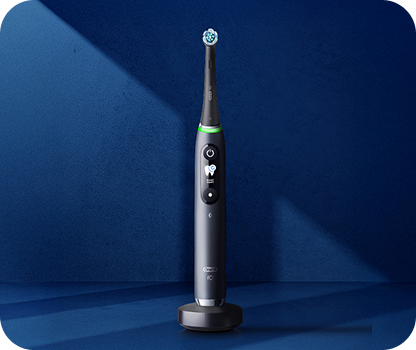
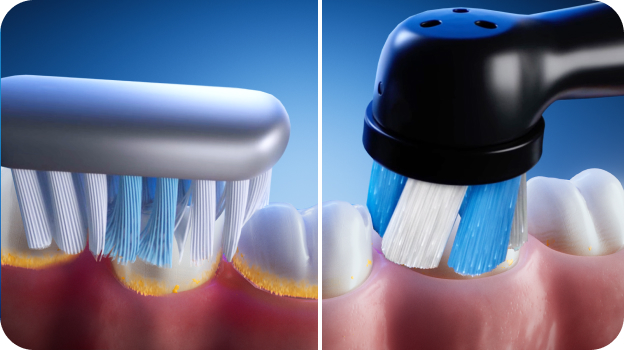
The advanced cleaning action of an Oral-B iO Series electric toothbrush helps manage gum problems more effectively than a manual toothbrush. In fact, one study showed that when combined with guided home care, it enhanced the control of periodontitis.
The Oral-B Gentle Care brush head offers extra special care with 4,000 super-thin bristles that gently vibrate to loosen plaque, while cleaning better than a manual toothbrush along the gumline.
Glide Floss's microtextured fiber removes plaque and helps prevent gingivitis as part of a complete dental plan.
Summary
Periodontal maintenance is a procedure for people who have gum disease and have already received treatment. It goes beyond preventative care and is more in-depth than a routine cleaning, using deep cleaning to remove plaque and tartar buildup below the gum line. It has numerous oral health benefits, including preventing gum disease progression, removing plaque and tartar buildup to control bacterial growth, and preventing related health issues.
Your dentist will examine your gums, teeth, and oral tissues, then perform a deep cleaning where plaque and tartar buildup will be removed above and below the gum line. The benefits of periodontal maintenance are numerous and range from fresher breath, improved gum health, and better overall health and well-being. Home care is an important part of the process. Good oral hygiene practices, such as regular brushing and flossing, are essential for maintaining your healthy gums.
Shop this article
1421
FAQs
Is periodontal maintenance covered by insurance?
Dental insurance often covers periodontal maintenance, but it varies by policy. Your coverage can vary depending on your specific plan and the nature of the treatment. That’s why you should review your policy and confirm coverage with your insurance provider at the beginning.
Do I need periodontal maintenance forever?
Most likely. Gum disease is a chronic condition so while it’s not curable, it can be managed. So the odds are you’ll likely need periodontal maintenance for the long term to prevent progression and manage symptoms.
Does periodontal maintenance hurt?
Contrary to what you might assume about pain, periodontal maintenance is generally not painful. Of course, dentists and hygienists take steps to minimize any discomfort experienced during the procedure.
Adam R. (2020). Introducing the Oral-B iO electric toothbrush: next generation oscillating-rotating technology. International Dental Journal, 70 (Suppl 1), S1–S6https://doi.org/10.1111/idj.12570
Adam, R., et al. (2020). Evaluation of an oscillating-rotating toothbrush with micro-vibrations versus a sonic toothbrush for the reduction of plaque and gingivitis: Results from a randomized controlled trial. International Dental Journal, 70(suppl 1), S16-S21.https://doi.org/10.1111/idj.12569
Chen, C. K., et al. (2017). Association between chronic periodontitis and the risk of Alzheimer’s disease: A retrospective, population-based, matched-cohort study. Alzheimer’s Research & Therapy, 9, 56.https://doi.org/10.1186/s13195-017-0282-6
Goyal, C. R., et al. (2021). A 6-month randomized controlled trial evaluating a novel smart-connected oscillating-rotating toothbrush versus a smart-connected sonic toothbrush for the reduction of plaque and gingivitis. American Journal of Dentistry, 34(1), 54-60.https://pubmed.ncbi.nlm.nih.gov/33544990/
Grender, J., et al. (2020). An 8-week randomized controlled trial comparing the effect of a novel oscillating-rotating toothbrush versus a manual toothbrush on plaque and gingivitis. International Dental Journal, 70, S7–S15.https://doi.org/10.1111/idj.12571
Grossi, S. G., et al. (1998). Periodontal disease and diabetes mellitus: A two-way relationship. Annals of Periodontology, 3, 51-61.https://doi.org/10.1902/annals.1998.3.1.51
Janket, S. J., et al. (2003). Meta-analysis of periodontal disease and risk for coronary heart disease and stroke. Oral Surgery, Oral Medicine, Oral Pathology, Oral Radiology, and Endodontology, 95, 559-569.https://doi.org/10.1067/moe.2003.107
Li, Y., et al. (2024). Enhanced control of periodontitis by an artificial intelligence-enabled multimodal-sensing toothbrush and targeted mHealth micromessages: A randomized trial. Journal of Clinical Periodontology, 51(12), 1632–1643.https://doi.org/10.1111/jcpe.13987
Xie, S., et al. (2024). Stannous fluoride protects gingival keratinocytes against infection and oxidative stress by Porphyromonas gingivalis outer membrane vesicles. Frontiers in Dental Medicine, 5, 1492369.https://doi.org/10.3389/fdmed.2024.1492369