Chipped Tooth: Causes, Treatment, Recovery

Summary
Key Takeaways
- A variety of causes: Chipped teeth can result from trauma, biting hard objects, teeth grinding, tooth decay, or aging.
- Range of treatment options: Depending on the severity, treatments include dental bonding, veneers, crowns, root canal therapy, or tooth reattachment.
- Care while at home: Protect the chipped tooth, manage pain, and avoid certain foods until you see a dentist.
- Express lane to recovery: Bonding requires little to no removal of tooth structure, leading to less discomfort and a quicker recovery time.
- An ounce of prevention: To reduce the risk of chipping a tooth, use mouthguards, avoid hard objects, and maintain good oral hygiene.
Table of Contents

This blog has been reviewed and approved by Dr Robert Lee, a dental professional of 35 years
LEARN MORE >Key Takeaways
What Is a Chipped Tooth?
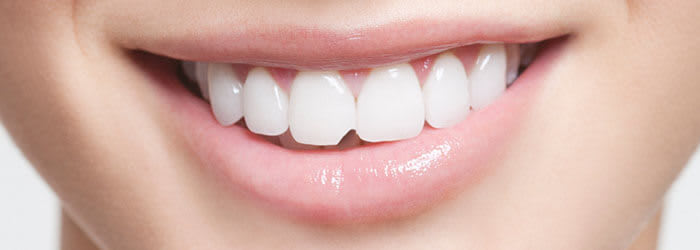
A chipped tooth occurs when a piece of the tooth enamel—the hard, protective outer layer—breaks off. It can happen to any tooth, but it’s especially noticeable when it involves a front tooth.
Minor chips may not cause pain, but they can still be sharp and uncomfortable. More significant chips can expose the sensitive inner layers of the tooth, leading to pain and increased risk of infection. Left untreated, they can also get worse over time.
Causes of a Chipped Tooth
Chipped teeth can result from various factors, including:
- Trauma or Accidents: A fall, sports injury, or car accident can cause a tooth to chip or break.
- Biting Hard Objects: Chewing on ice, hard candy, or even opening packages with your teeth can lead to chips.
- Teeth Grinding (Bruxism): Grinding your teeth, often during sleep, can weaken enamel over time.
- Tooth Decay: Cavities can compromise the strength of a tooth, making it more susceptible to chipping.
- Previous Dental Work: Having major dental work or large fillings increases your risk of eventually chipping your teeth, as the remaining natural tooth structure can be weaker or the filling material can create stress points
- GERD (Gastroesophageal reflux disease): Acid reflux that causes stomach acid to backwash into your mouth can break down your tooth enamel over time
- Age: As we age, enamel naturally wears down, increasing the likelihood of chipping.
Symptoms of a Chipped Tooth
The symptoms of a chipped tooth can range from mild to severe depending on the severity of the chip:
- Visible Chip: A noticeable piece missing from the tooth.
- Sharp Edges: A jagged edge that may irritate the lips, tongue, inner cheek, or even gums.
- Pain or Sensitivity: Discomfort when chewing or sensitivity to hot, cold, or sweet foods and drinks.
- Swelling or Bleeding: In cases where the chip is severe and exposes the inner tooth layers.
Treatment Options

Treatment for a chipped tooth depends on the size and location of the chip, as well as whether it affects the tooth's inner layers.
- Dental Bonding
a. For minor chips, dental bonding is a common and cost-effective solution.
b. A tooth-colored resin is applied to the chipped area, shaped to match the natural contour of the tooth. The procedure typically takes about 30-60 minutes and usually requires no anesthesia. - Dental Veneers
a. A thin shell of porcelain or composite resin that covers the front surface of the tooth.
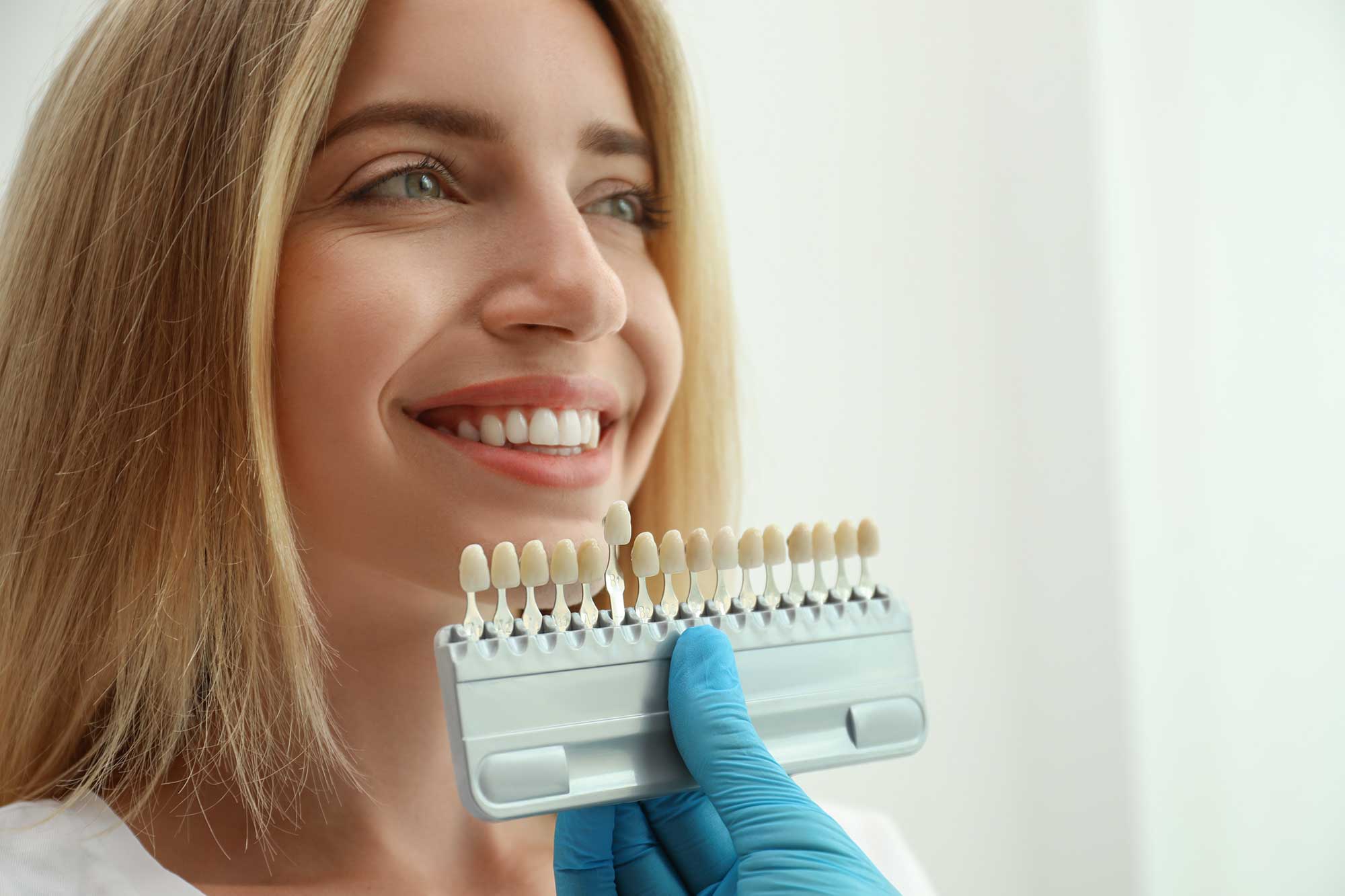
b. The process involves removing a small amount of enamel, taking an impression of the tooth, and placing the veneer once it's ready.
c. Veneers are durable and can last many years with proper care.
d. If the chip is more noticeable or involves a front tooth, a veneer may be recommended. - Dental Crowns
a. Crowns cover the entire tooth, restoring its shape, size, and strength.
b. The procedure typically requires two visits, one to prepare the tooth and take impressions, and another to place the permanent crown.
c. For larger chips or when a significant portion of the tooth is lost, a crown may be necessary. - Root Canal Therapy
a. If the chip exposes the tooth’s pulp (the soft tissue inside the tooth – nerves and blood vessels), a root canal may be needed to remove the damaged tissue and prevent infection.
b. A crown is usually placed to protect the tooth after the root canal procedure. - Tooth Reattachment
a. If the chipped piece is large and you can find it, some dentists may be able to reattach it.
b. It’s crucial to keep the fragment moist in milk or a saline solution, and see your dentist as soon as possible
At-Home Care Before Seeing a Dentist
While waiting to see a dentist, there are steps you can take to manage discomfort and protect the chipped tooth:
- Cover Sharp Edges: Use dental wax or sugar-free gum to cover any sharp edges that may irritate your lips, tongue or gums.
- Avoid Certain Foods: Stay away from hard, crunchy, or sticky foods that could worsen the chip or cause pain.
- Pain Relief: Over-the-counter pain relievers, such as ibuprofen or acetaminophen, can help with discomfort. Always follow package directions and consult with your doctor or pharmacist if you have questions.
- Cold Compress: Applying a cold compress to the outside of your mouth can reduce swelling if there’s any injury to the surrounding area.
Recovery and Aftercare
Just as the procedure to fix a chipped tooth can vary, so can the recovery time.
- Dental Bonding: Minimal recovery time. Avoid staining foods and drinks for 48 hours.
- Veneers and Crowns: A few days of sensitivity may occur. Follow your dentist's instructions for care.
- Root Canal: Some discomfort is normal. Follow post-procedure care instructions carefully.
Maintaining good oral hygiene is essential to prevent further issues, so keep those teeth clean and healthy. Brush twice a day with fluoride toothpaste, floss daily, and visit your dentist regularly for check-ups.
Preventing Chipped Teeth
While accidents happen, you can take steps to reduce the risk of chipping a tooth:
- Wear a Mouthguard: If you play contact sports or grind your teeth at night, a mouthguard can protect your teeth.
- Avoid Hard Objects: Don't chew on ice, hard candy, or use your teeth to open packages.
- Maintain Oral Health: Regular dental visits and good oral hygiene can help keep your teeth strong and healthy.
Summary
A chipped tooth is a common dental issue that can range from a minor cosmetic concern to a more serious health problem. Chipped teeth can be a result of a fall, biting hard objects, grinding, decay, and even aging. Treatment options depend on the severity and location of the chip. Bonding is the easiest and least costly solution for minor chips and veneers, while crowns and root canals can be required for larger or more serious chips.
If a chip does happen, always consult with a dental professional to determine the best course of action. And while you’re waiting to see them, there are things you can do at home, including covering sharp edges and using pain relievers.
There are things you can do to prevent chipped teeth, such as wearing a mouthguard and not biting on hard objects. Most importantly, maintaining a good oral health routine will keep your teeth strong and healthy, and hopefully chip free.
Dental Procedures: Restorative Measures for a Healthier Smile
Modern dentistry can help correct damage, improve appearance, and keep your oral health in check. Get the most out of any dental procedure with a thorough oral care routine from home.
Your personalized daily oral care routine can help preserve any dental work done and maintain a stronger smile going forward:
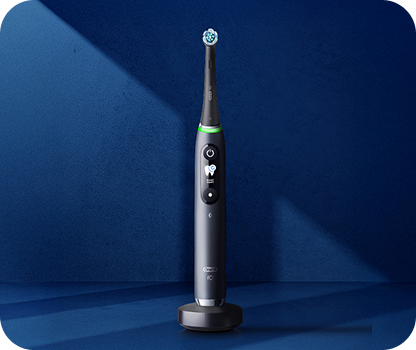
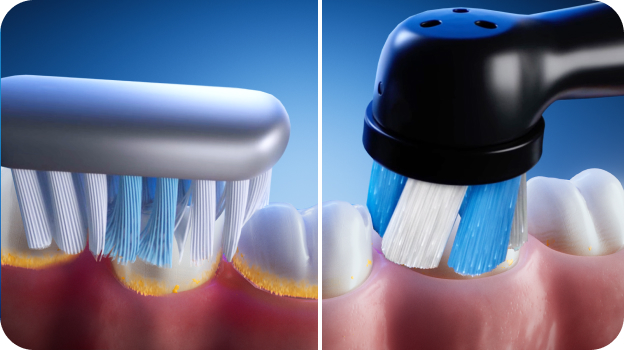
- Brush 2X/day with an Oral-B iO Electric Toothbrush: When compared to a regular manual toothbrush, electric toothbrushes like the Oral-B iO found here, help remove up to 100% more plaque—the main culprit of tooth decay such as a cavity.
- Use a Crest Fluoride Toothpaste: Use a Crest Fluoride Toothpaste: Brush with a toothpaste formulated with stannous fluoride, such as Crest Pro-Health, to reinforce enamel strength and help protect against plaque bacteria that cause tooth decay and gingivitis.
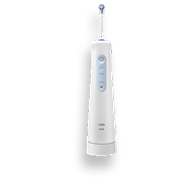
- Pair String Floss with an Oral-B Water Flosser: Cleaning around dental work such as bridges, crowns, and implants can help reduce plaque bacteria buildup. A water flosser gently washes away and leftover plaque and food debris for healthier teeth and gums.
- Rinse with a Crest Mouthwash: Help prevent reinfection after a root canal by swishing with an antibacterial rinse, like Crest Pro-Health Multi-Protection Mouthwash(link), which is designed to kill 99% of germs that can cause plaque, gingivitis, and bad breath.
- Brighten Up with an Oral-B + Crest Whitening Bundle: Veneers and bonding are color-matched to your teeth to address imperfections. It's important to note that whitening products do not change the color of these dental materials. To maintain an evenly colored smile, you can use an at-home whitening routine to gently polish away surface stains from your natural teeth and restorations, helping to keep your whole smile bright.
Pair professional dental procedures with a personalized at-home oral care routine of brushing twice daily, flossing at least once a day, and rinsing with an antibacterial mouthwash, you can better support the long-term success if your treatment for a healthier, more confident smile.
FAQs
-
How much does it cost to fix a chipped tooth?
-
Can a chipped tooth grow back?
-
How to fix a chipped tooth at home
Sources
- https://my.clevelandclinic.org/health/diseases/chipped-tooth
- https://my.clevelandclinic.org/health/treatments/10922-dental-bonding
- https://my.clevelandclinic.org/health/treatments/23522-dental-veneers
- https://www.mayoclinic.org/diseases-conditions/bruxism/symptoms-causes/syc-20356095
- https://www.webmd.com/oral-health/repairing-a-chipped-or-broken-tooth
- https://my.clevelandclinic.org/health/treatments/16914-oral-hygiene
- https://www.dentalhealth.org/pages/category/treatments-and-procedures?take=17&Take=17
- https://www.deltadental.com/us/en/protect-my-smile/procedures.html
- https://www.nhs.uk/live-well/healthy-teeth-and-gums/dental-treatments/
Grender, J., et al. (2020). An 8-week randomized controlled trial comparing the effect of a novel oscillating-rotating toothbrush versus a manual toothbrush on plaque and gingivitis. International Dental Journal, 70, S7–S15. https://doi.org/10.1111/idj.12571
He, T., et al. (2025). Randomized Controlled Trials Assessing Exposure Frequency Effects of Stannous Fluoride on Gingivitis. JDR Clinical and Translational Research, 10(2), 124–134. https://doi.org/10.1177/23800844241263031
Zou, Y., et al. (2024). A meta-analysis comparing toothbrush technologies on gingivitis and plaque. International Dental Journal, 74(1), 146-156. https://doi.org/10.1016/j.identj.2023.06.009
Table of Contents
- What Is a Chipped Tooth?
- Causes of a Chipped Tooth
- Symptoms of a Chipped Tooth
- Treatment Options
- At-Home Care Before Seeing a Dentist
- Recovery and Aftercare
- Preventing Chipped Teeth
- Summary
- Dental Procedures: Restorative Measures for a Healthier Smile
-
- FAQs
- Sources

This blog has been reviewed and approved by Dr Robert Lee, a dental professional of 35 years
LEARN MORE >
Sign Up
to get tips about healthy teeth, expert advice, and exclusive offers.
Sign Up
to get tips about healthy teeth, expert advice, and exclusive offers.