










Deep Cleaning: Procedure, Benefits, And What To Expect

SUMMARY
Key Takeaways
- A deep cleaning involves numbing the mouth so dental professionals can clean your teeth thoroughly and clean below the gumline painlessly.
- Deep cleaning helps manage gum disease and gum recession and can also help prevent other dental issues from forming or getting worse.
- The procedure of deep cleaning may appear similar to a regular professional cleaning, with flossing, ultrasonic cleaning and polishing, however, other professional tools are used to get deeper into the gums, gum pockets and roots of teeth.
- After a deep cleaning you can expect your mouth to be a bit sensitive, however your mouth will feel clean and refreshed.
- Keeping up with good oral hygiene practices and brushing and flossing daily helps your oral health. Using an electric toothbrush can help maintain healthy gums and ensure you clean your teeth properly and effectively, minimizing the need for deep cleaning.
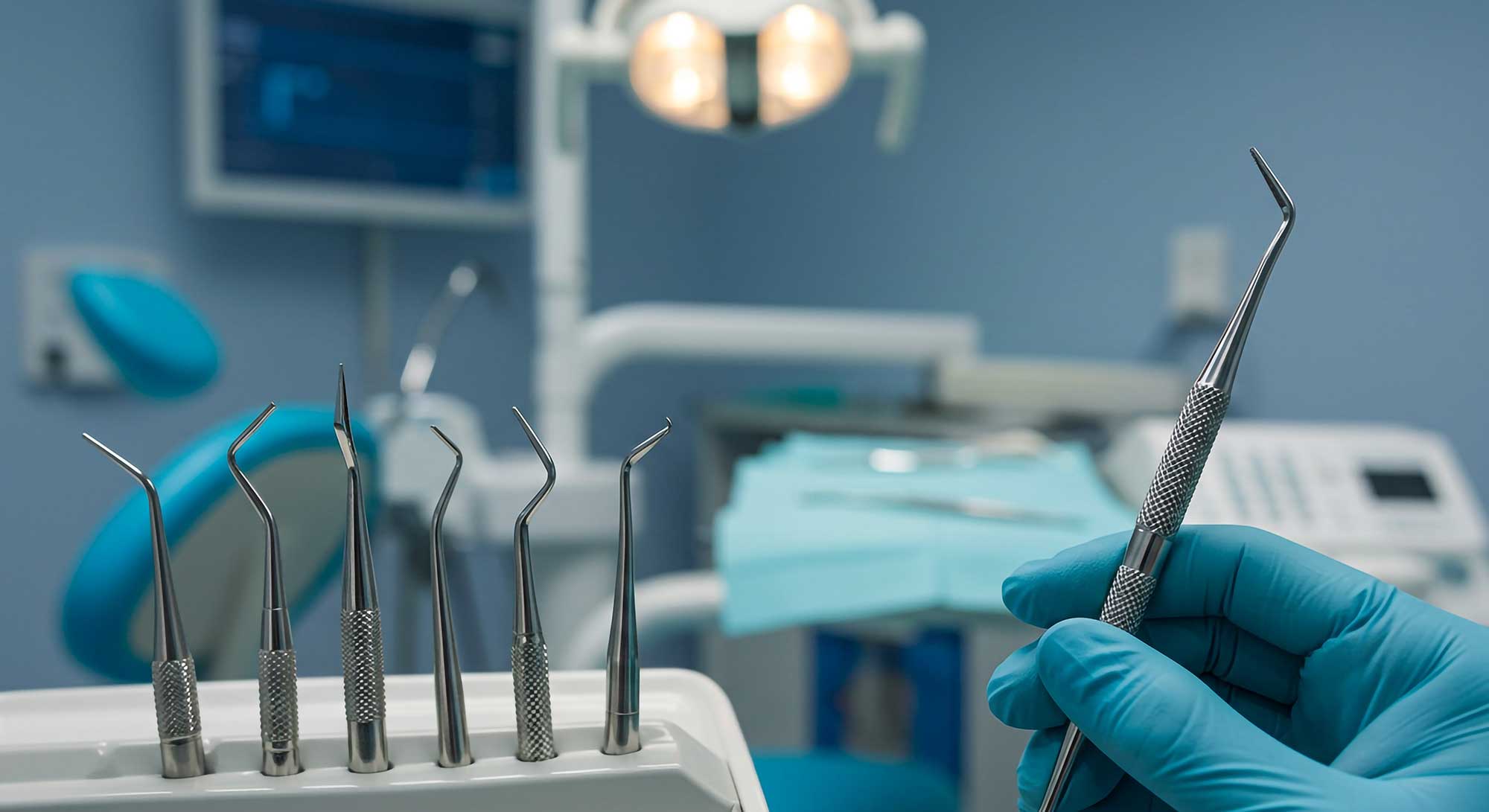
Table of Contents

This blog has been reviewed and approved by Dr Robert Lee, a dental professional of 35 years
LEARN MORE >Key Takeaways
- A deep cleaning involves numbing the mouth so dental professionals can clean your teeth thoroughly and clean below the gumline painlessly.
- Deep cleaning helps manage gum disease and gum recession and can also help prevent other dental issues from forming or getting worse.
- The procedure of deep cleaning may appear similar to a regular professional cleaning, with flossing, ultrasonic cleaning and polishing, however, other professional tools are used to get deeper into the gums, gum pockets and roots of teeth.
- After a deep cleaning you can expect your mouth to be a bit sensitive, however your mouth will feel clean and refreshed.
- Keeping up with good oral hygiene practices and brushing and flossing daily helps your oral health. Using an electric toothbrush can help maintain healthy gums and ensure you clean your teeth properly and effectively, minimizing the need for deep cleaning.
Sometimes your mouth may need a deep cleaning. You may not notice, but your gums can become inflamed and enlarged (swollen), and your teeth can look unhealthy if your brushing habits and oral care routines change. Your dentist or dental hygienist may recommend deep cleaning to help reverse certain dental issues and prevent others like cavities and gum disease. Electric toothbrushing has been scientifically proven to make a noticeable difference in your oral health, compared to using a manual toothbrush.
In this article, learn more about deep cleaning, what it is, the procedure and benefits so you know what to expect from your dentist or dental hygienist.
Deep Cleaning
A more robust form of cleaning teeth that your dentist or hygienist will perform is called a deep cleaning. This is different from a routine professional cleaning. Typically, patients will have one side of their mouth numbed so dental professionals can remove plaque and tartar and use special instruments to clean deep into areas of the mouth below the gumline without pain. A routine professional dental cleaning typically cleans teeth above the gumline, and a deep cleaning goes way below the gumline. The deep cleaning procedure helps restore gum health and removes buildup deep under the gums and pockets.
What is deep cleaning of teeth?
Deep cleaning is a dental procedure where patients have areas of the mouth numbed so dental professionals are able to clean teeth and gums more thoroughly below the gumline. It’s more complex compared to a regular professional cleaning and gets into the gum pockets and roots of the teeth as well.
- The deep cleaning procedure helps control gum disease, gum recession and improves overall oral health.
- Like a regular professional cleaning, it also removes plaque and tartar buildup.
- Scaling and root planning instruments are special dental tools used to deep clean your teeth and gums.
How long does a deep cleaning take?
The deep cleaning procedure usually takes 1-2 hours. Often your dentist or dental hygienist will recommend doing one side of your mouth at a time, in which case, you will need two separate appointments for deep cleaning your whole mouth.
Deep Cleaning Procedure and What to Expect

Your dental professional will advise why you may need a deep cleaning, where the problem areas are in your mouth and what to expect. Although the procedure may appear similar to a routine professional cleaning, your mouth is numbed so dental professionals can clean deeper into the gum pockets and the roots of the teeth.
- During deep cleaning, special hand instruments (scalers) and other professional dental tools are also used.
- The teeth are also thoroughly flossed and polished just like in routine professional cleaning.
A deep cleaning can help manage gum disease and prevent other dental issues from forming. Essentially, the procedure cleans out the disease-causing bacteria that reside deep inside the gums. Depending on your individual condition, your dental professional will advise on the follow up accordingly.
- After deep cleaning, it is vital that patients maintain good oral health and brush and floss daily to prevent plaque and tartar buildup again.
- Your dentist or dental hygienist will monitor your progress and will likely recommend regular dental cleanings every few months.
- Brushing with an electric toothbrush helps gum health and gives you a deeper clean, compared to a regular toothbrush.
Cost of Deep Cleaning
Get an estimate from your dentist or dental hygienist for the cost of a deep cleaning procedure. Your dental insurance can confirm how much will be covered and what you will need to pay.
- Deep cleaning can cost up to $1,600, and it largely varies with your dental professionals’ fees and dental insurance. If x-rays are needed, it may cost more.
Routine Teeth cleaning vs deep cleaning
A routine professional dental cleaning is different compared to a deep cleaning that involves cleaning below the gum line and helps with gum disease and gum recession. Like a routine professional cleaning, it also removes plaque and tartar from the teeth and polishes your pearly whites. Aside from the deep cleaning procedure, the biggest difference is patients are given a local anesthetic to numb areas of their mouth so dental professionals can get deep into the gums and roots of the teeth to clean them painlessly.
Oral hygiene tips after deep cleaning
Healthy gums are crucial to tooth and mouth health. In the event of gum disease (also known as gingivitis), the first line of defense is to see a dental professional. They can do a proper examination, determine the level of periodontal disease, and recommend treatments. But there are things you can do to help.
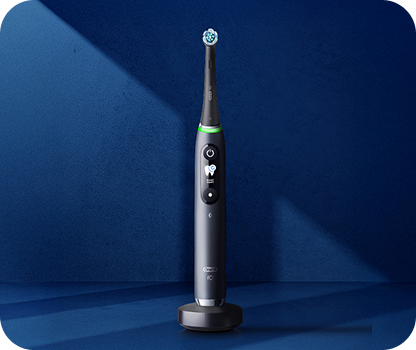
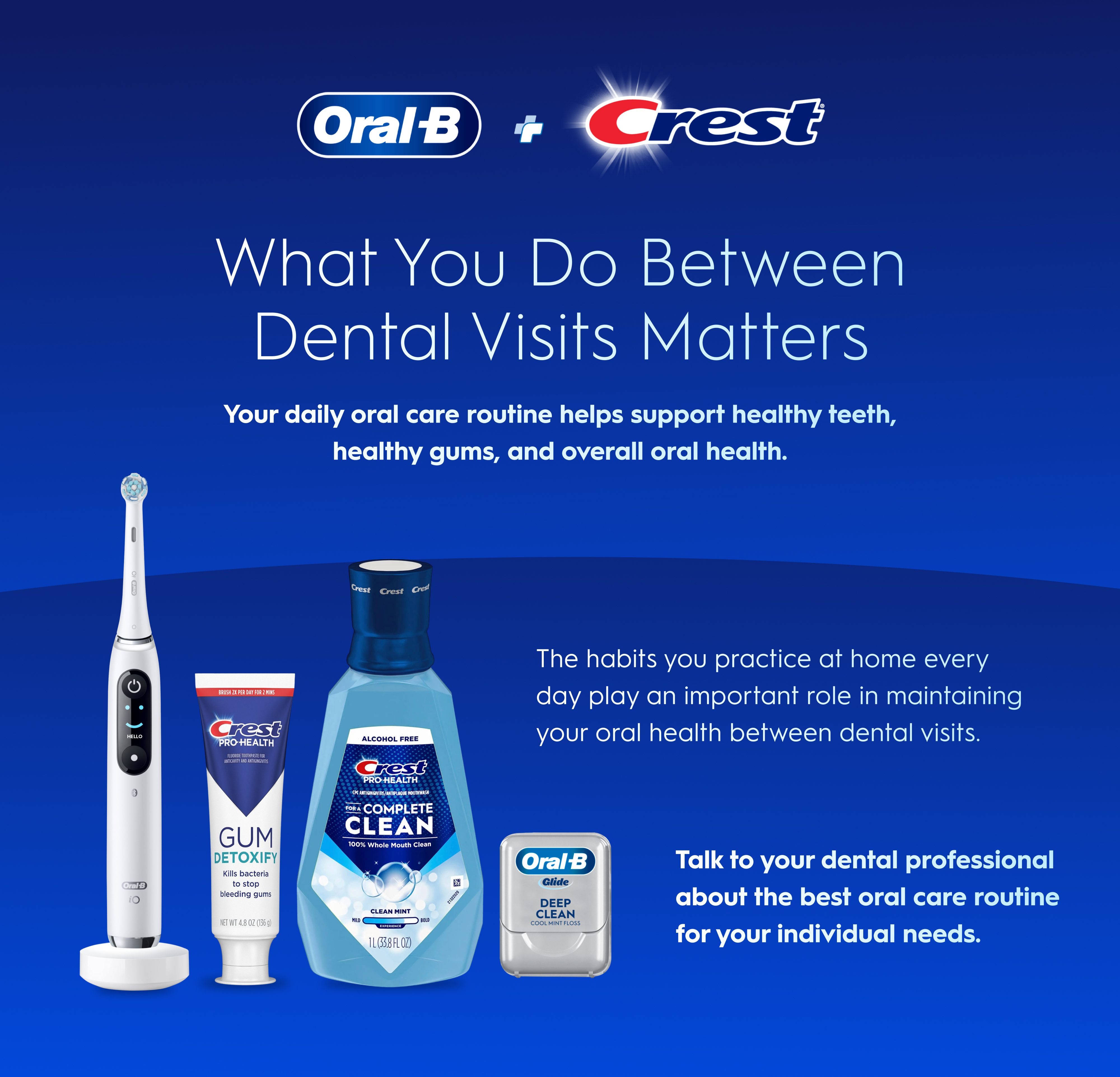
- When you brush with Oral-B iO electric toothbrushes, you can protect your gums and help prevent future gum recession. Oral-B iO helps you avoid new tooth and gum issues—and if you have existing gum problems, it can help resolve them quicker than a manual toothbrush.
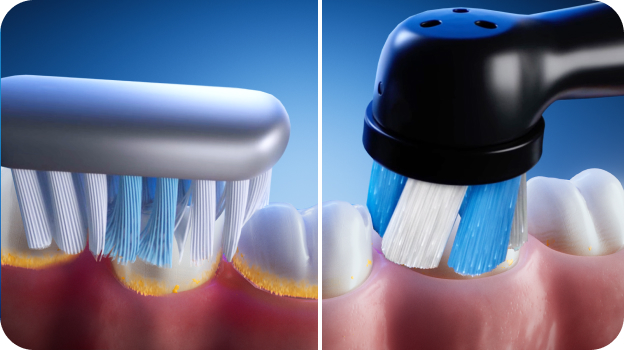
- The right toothbrush head, such as the Oral-B iO Ultimate Clean brush head, removes plaque and has different bristle lengths that reach deep into the spaces between your teeth where plaque bacteria love to hide.
- Crest Toothpaste contains stannous fluoride to provide the highest level of protection against plaque bacteria to keep gums healthy. Pair that with an Oral-B iO electric toothbrush to help stop bleeding and reverse signs of early gum disease.
- Mouthwash can be an important part of your daily oral health routine. The best mouth rinses, like Crest Mouthwash, are clinically proven to provide 24-hour protection against plaque and gingivitis with 2x daily use.
- Dental floss, used daily, helps prevent gingivitis as part of a complete dental plan. Look for a floss that can fit more easily into tight spaces, such as Glide Floss.
There is a connection between oral health and systemic health, so it’s important to treat conditions like tooth decay and gum disease as soon as possible. Oral-B has created a line of products to help with a variety of oral health conditions.
FAQs
-
How much is deep cleaning teeth?
-
Does deep cleaning hurt?
-
What are the disadvantages of deep cleaning?
-
Do teeth look whiter after cleaning?
-
Do they polish teeth after deep cleaning?
Sources
- https://www.healthline.com/health/deep-cleaning-teeth#procedure
- https://my.clevelandclinic.org/health/treatments/23983-tooth-scaling-and-root-planing
Chen, C. K., et al. (2017). Association between chronic periodontitis and the risk of Alzheimer’s disease: A retrospective, population-based, matched-cohort study. Alzheimer’s Research & Therapy, 9, 56.https://doi.org/10.1186/s13195-017-0282-6.
Grender, J., et al. (2022). A 12-Week Randomized Controlled Trial Comparing a Novel Electric Toothbrush With an Extra Gentle Brush Head to a Manual Toothbrush for Plaque and Gingivitis Reduction. Compendium of Continuing Education in Dentistry (Jamesburg, N.J. : 1995), 43(3), f20–f29.
Grender, J., et al. (2020). An 8-week randomized controlled trial comparing the effect of a novel oscillating-rotating toothbrush versus a manual toothbrush on plaque and gingivitis. International Dental Journal, 70, S7–S15.https://doi.org/10.1111/idj.12571.
Grossi, S. G., et al. (1998). Periodontal disease and diabetes mellitus: A two-way relationship. Annals of Periodontology, 3, 51-61.https://doi.org/10.1902/annals.1998.3.1.51.
Janket, S. J., et al. (2003). Meta-analysis of periodontal disease and risk for coronary heart disease and stroke. Oral Surgery, Oral Medicine, Oral Pathology, Oral Radiology, and Endodontology, 95, 559-569.https://doi.org/10.1067/moe.2003.107.
Sutor, S., et al. (2025). Effect of a powered and a manual toothbrush in subjects susceptible to gingival recession: A 36-month randomized controlled clinical study. International Journal of Dental Hygiene, 23(1), 26–36.https://doi.org/10.1111/idh.12834.
Table of Contents
- Deep cleaning
- What is deep cleaning of teeth?
- How long does a deep cleaning take?
- Deep Cleaning Procedure and What to Expect
- Cost of Deep cleaning
- Routine Teeth cleaning vs deep cleaning
- Oral hygiene tips after deep cleaning
-
- FAQs
- Sources

This blog has been reviewed and approved by Dr Robert Lee, a dental professional of 35 years
LEARN MORE >
Sign Up
for oral care tips, expert advise, and exclusive offers.
Sign Up
for oral care tips, expert advise, and exclusive offers.
